1. Eczema (Atopic Dermatitis) Cause: – Genetic factors, irritants, allergens, or dry skin. Symptoms: – Dry, itchy, red patches (commonly found on elbows, face, or knees). – May ooze or crust in severe instances. Treatment: – Employ gentle, fragrance-free moisturizers. – Use prescription or over-the-counter steroid creams for inflammation. – Steer clear of triggers such as harsh soaps, heat, or dust.
2. Diaper Rash Cause: – Extended exposure to damp diapers, yeast infections, or irritation from wipes. Symptoms: – Red, inflamed rash in the diaper area. – Skin may appear shiny, sore, or develop small bumps. Treatment: – Keep the area clean and dry. – Utilize zinc oxide-based diaper creams. – Occasionally, allow the baby to go without a diaper for air circulation.
3. Impetigo Cause: – Bacterial infection (typically Staphylococcus or Streptococcus) often enters through broken skin. Symptoms: – Red sores around the mouth or nose that rupture and form honey-colored crusts. – Itchy and highly contagious. Treatment: – Topical or oral antibiotics. – Clean the affected area with mild soap and water. – Prevent transmission by avoiding shared towels or toys.
4. Ringworm (Tinea Corporis) Cause: – Fungal infection is transmitted through direct contact with infected individuals, animals, or contaminated items. Symptoms: – Circular, red, scaly patches with raised edges and clear centers. – Itching is prevalent. Treatment: – Antifungal creams (like clotrimazole, terbinafine). – Maintain clean and dry skin. – Avoid sharing combs or clothing.
Skin disease image
skin diseases
5. Chickenpox (Varicella) Cause: – Varicella-zoster virus (VZV), a highly infectious virus. Symptoms: – Itchy red spots that develop into blisters and then scabs. – May also experience fever and fatigue. Treatment: – Keep the child comfortable; prevent scratching. – Administer calamine lotion, oatmeal baths, and antihistamines. – It can be prevented with vaccination.
6. Warts Cause: – Resulting from the human papillomavirus (HPV), typically through contact with infected surfaces. Symptoms: – Small, rough growths—often found on fingers, hands, or feet. Treatment: – Many resolve on their own. – Salicylic acid or cryotherapy for persistent warts. – Avoid picking to minimize spreading risk.
7. Molluscum Contagiosum Cause: – Viral infection (poxvirus), transmitted via skin-to-skin contact. Symptoms: – Small, flesh-colored, dome-shaped bumps with a central dimple. – Generally painless, but can itch or redden. Treatment: – Typically resolves in 6-12 months. – In some cases, doctors may recommend topical treatments or minor procedures.
8. Heat Rash (Prickly Heat) Cause: – Blocked sweat ducts due to humid, hot conditions. Symptoms: – Small red bumps or blisters on the neck, chest, or diaper area. – Associated with itching or a prickling sensation. Treatment: – Keep skin cool and dry. – Dress in lightweight cotton clothing. – Apply cool compresses.
9. Hand, Foot, and Mouth Disease (HFMD) Cause: – Instigated by coxsackievirus and other enteroviruses, common in daycare settings. Symptoms: – Fever, painful sores in the mouth, and rashes or blisters on hands, feet, and buttocks. Treatment: – Supportive care (hydration, managing fever). – Avoid acidic foods that may irritate mouth sores. – Highly contagious—keep the child home during outbreaks.
10. Cradle Cap (Seborrheic Dermatitis in Infants) Cause: – Overproduction of oil and yeast on the scalp. Symptoms: – Yellow, greasy, crusty patches on an infant’s scalp. – Usually non-itchy and benign. Treatment: – Gently wash the scalp with mild shampoo. – Use a soft brush to remove flakes. – In difficult cases, medicated shampoos may be prescribed.
Skin Diseases: When to Consult a Doctor
– If rash appears painful, spreading rapidly, or blistering. – Signs of infection (pus, fever, swelling). – If non-prescription treatments are ineffective after a few days. – If the child shows excessive fussiness, lethargy, or difficulty feeding.
General Skincare Recommendations for Kids – Keep skin clean and dry, particularly in skin folds. – Avoid harsh soaps and heavily scented products. – Regularly apply moisturizers (especially post-bathing). – Dress in soft, breathable fabrics such as cotton. – Trim nails to minimize scratching and infection risk.
Common Queries About Skin Diseases in Children
1. Are childhood skin conditions contagious? Some are (like impetigo and ringworm), while others (like eczema) are not. 2. Can a child’s diet influence skin issues? Yes, allergies to dairy, gluten, or processed foods can exacerbate eczema and hives. 3. Should I use powder or creams for diaper rash? Zinc oxide creams are generally preferable; avoid talcum powders. 4. Can ringworm be treated at home? Mild cases can often be managed with over-the-counter antifungal creams, though persistent or extensive cases require medical attention. 5. Is eczema a lifelong issue for infants? Not always—many children outgrow it, especially with appropriate care.
Skin Disorders in Adults: Causes, Symptoms, and Treatment Options
Introduction Your skin serves as your body’s initial protective barrier, and in adulthood, it encounters a plethora of stressors, such as environmental exposure, aging, infections, and internal health complications. Skin disorders in adults are prevalent and can affect both physical wellness and confidence levels. This post delves into common adult skin disorders, their causes, how to identify symptoms, and optimal treatment methods—both medical and natural.
Why Skin Disorders Are Widespread Among Adults – Aging: Skin becomes thinner and less elastic, increasing vulnerability to damage. – Stress and Hormones: Conditions like adult acne and psoriasis may flare due to stress. – Chronic Health Issues: Disorders like diabetes or autoimmune conditions can contribute to skin problems. – Environmental Factors: Sun exposure, pollution, and harsh chemicals may harm the skin. – Lifestyle Choices: Poor nutrition, smoking, lack of hydration, and insufficient skincare habits play significant roles.
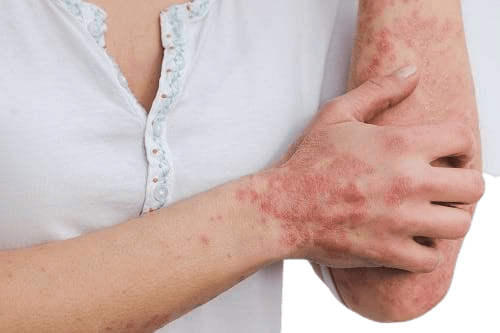
skin disease picture
10 Common Skin Conditions in Adults
1. Adult Acne Causes: – Hormonal fluctuations (especially in women) – Stress – Use of pore-clogging products – Poor dietary choices Symptoms: – Whiteheads, blackheads, and pustules. – Painful cysts or nodules (in severe cases). – Commonly affects the jawline, cheeks, or back. Treatments: – Topical retinoids, benzoyl peroxide, and salicylic acid. – Oral antibiotics or hormonal treatments (e.g., contraceptive pills). – Adhere to a consistent skincare regimen.
2. Eczema (Atopic Dermatitis) Causes: – Genetic factors – Allergens or irritants – Stress and environmental triggers Symptoms: – Dry, itchy, inflamed patches. – Flare-ups can be triggered by detergents, fabrics, or sweat. Treatments: – Fragrance-free moisturizers and emollients. – Steroid creams. – Antihistamines to alleviate itching. – Lifestyle changes to circumvent known triggers.
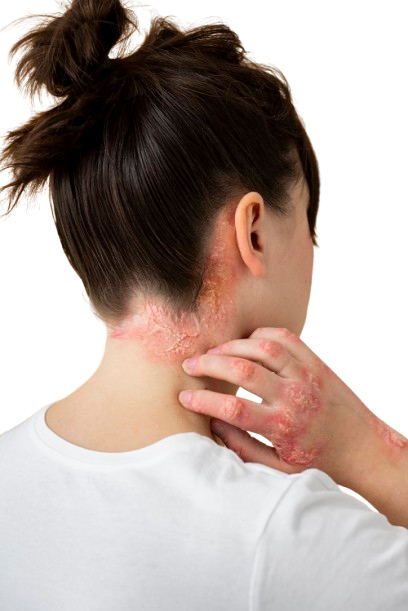
3. Psoriasis Causes: – Autoimmune condition leading to excessive skin cell production – Can be triggered by stress, infections, or environmental factors Symptoms:** – Thick red plaques adorned with silvery scales – Commonly found on elbows, knees, scalp, and lower back – Itchiness or burning sensations Treatments: – Topical corticosteroids, coal tar, and vitamin D creams – UVB light therapy – Systemic medications (such as methotrexate and biologics)
4. Rosacea Causes: – The exact cause is not known, but probable triggers include spicy foods, alcohol, and temperature fluctuations – Most prevalent among adults aged 30 to 50 Symptoms: – Flushing, mainly on cheeks, nose, and forehead – Noticeable blood vessels (telangiectasia) – Pustules and heightened skin sensitivity Treatments: – Topical options like metronidazole or azelaic acid – Oral antibiotics to reduce inflammation – Laser treatments for visible capillaries
5. Fungal Infections (e.g., Athlete’s Foot, Ringworm, Candidiasis) Causes: – Thrive in warm, moist conditions – Weakened immune systems – Contact with infected surfaces or individuals Symptoms: – Itchy, scaly, red patches (ringworm) – Peeling, painful feet (athlete’s foot) – Yeast infections in skin folds (candidiasis) Treatments: – Antifungal creams or powders – Oral antifungals for severe cases – Maintaining good hygiene and keeping the skin dry
6. Hives (Urticaria) Causes: – Allergic responses (to food, medications, insect bites) – Stress or infections – Chronic hives may occur without a known trigger Symptoms: – Raised, itchy welts that appear suddenly – Possibly transient and may shift locations Treatments: – Antihistamines (such as cetirizine or loratadine) – Corticosteroids for severe cases – Avoiding known allergens
7. Contact Dermatitis Causes: – Direct exposure to irritants (like detergents, nickel, latex) – Allergens (e.g., poison ivy, perfumes) Symptoms: – Red and itchy rashes – Blisters or dry, flaky skin – Possible burning or stinging sensations **Treatments:** – Avoidance of triggers – Cool compress applications – Topical corticosteroids – Emollients or barrier creams
8. Seborrheic Dermatitis Causes: – Overgrowth of yeast in oily skin areas (scalp, face, chest) – Stress or cold climates Symptoms: – Flaky, greasy scales (similar to dandruff) – Red patches on the scalp, eyebrows, or sides of the nose Treatments: – Medicated shampoos (like zinc pyrithione or ketoconazole) – Topical antifungals or corticosteroids – Gentle cleansing of affected regions
9. Skin Cancer (Basal Cell, Squamous Cell, Melanoma) Causes: – UV radiation from the sun or tanning beds – Fair skin, history of sunburns, or family predisposition Symptoms: – New growths or sores that do not heal – Changes in moles (size, color, borders, symmetry) – Lesions that may bleed, crust, or itch Treatments: – Surgical excision – Cryotherapy or topical chemotherapy – Mohs surgery for facial or high-risk cancers – Early diagnosis is essential
10. Hyperpigmentation & Melasma Causes: – Sun exposure – Hormonal fluctuations (pregnancy, birth control) – Post-inflammatory hyperpigmentation (from acne, eczema) Symptoms: – Dark spots on cheeks, forehead, and upper lip – Variations in skin tone or sunspots Treatments: – Daily sunscreen application – Brightening agents (such as vitamin C, kojic acid, niacinamide) – Chemical peels or laser treatments – Prescription creams (like hydroquinone)
-Use a sunscreen with SPF 30 or higher every day – Moisturize often, especially for dry or aging skin – Avoid smoking and limit alcohol consumption – Manage stress through exercise, mindfulness, or quality sleep – Stay hydrated and maintain a balanced, antioxidant-rich diet – Follow proper hygiene and skincare practices
Skin Diseases: -Natural Remedies for Mild Skin Conditions Note: These should complement medical treatments, not replace them.* – Aloe Vera: Soothes irritation, eczema, and sunburns – Tea Tree Oil: Effective against acne and fungal infections – Oatmeal Baths: Alleviate itching and inflammation – Honey: Possesses antibacterial and wound-healing properties – Turmeric: Acts as an anti-inflammatory for psoriasis or eczema
Skin Diseases: When to Consult a Dermatologist
-Persistent skin issues lasting over two weeks – Painful, spreading, or infected rashes – Suspicious growths or moles changing in shape or color – Skin problems affecting sleep or quality of life – Any lesion that bleeds or oozes without healing
FAQs on Adult Skin Diseases
1. What’s the most common skin condition in adults? Acne, eczema, and psoriasis are prevalent. 2. Can stress affect the skin? Yes—stress is a significant factor in conditions like acne, eczema, and hives. 3. Are adult skin rashes contagious? Some, like fungal infections or scabies, are; others, such as eczema or psoriasis, are not. 4. How does adult acne differ from teenage acne? Adult acne often appears on the lower face and is linked to hormonal imbalances. 5. Can diet affect skin health? Yes—high sugar, dairy, or processed diets can lead to acne and inflammation. 6. Who specializes in treating skin issues? Dermatologists address all conditions affecting skin, hair, and nails.
Conclusion: Skin Disorders- Maintaining Skin Health for All Ages
Skin disorders, whether affecting children or adults, can substantially impact comfort, self-esteem, and overall health. While skin diseases like eczema, fungal infections, and acne affect all age groups, others vary according to age due to differences in hormones, immunity, and skin sensitivity. Children’s skin is more delicate and prone to irritation and infections due to their immature immune systems and frequent exposure to environments such as schools. Early detection and gentle treatment can effectively resolve these conditions and prevent long-term complications.
In adults, skin disorders may arise from stress, hormonal fluctuations, chronic health conditions, or environmental exposures. Certain adult-specific skin disorders, such as psoriasis, rosacea, and skin cancers, necessitate ongoing management and medical care. Healthy skin depends on: – Maintaining hygiene – Establishing gentle skincare routines – Protecting against sun damage – Promptly addressing infections or persistent issues Regular dermatology consultations help detect skin diseases early and maintain skin health. By understanding signs, causes, and treatments of common skin conditions, you can take charge of your skin’s health and foster well-being for both yourself and your family.
About the Author
Ayodele Taiwo is a Nigerian health blogger and researcher who shares evidence-based tips on blood pressure, fertility, weight loss, and healthy living. He created AyHealthWise to provide reliable and easy-to-understand health information for everyday people.

 Ayodele Taiwo is a Nigerian health blogger and researcher who shares evidence-based tips on blood pressure, fertility, weight loss, and healthy living. He created AyHealthWise to provide reliable and easy-to-understand health information for everyday people.