Common Causes of Frequent Urination in Men
Introduction
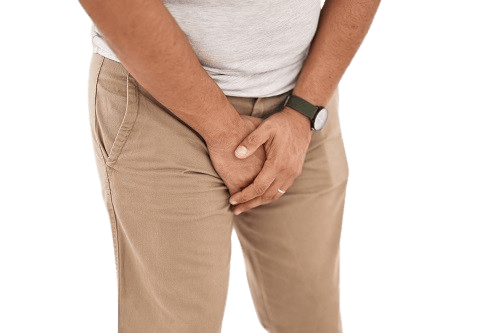
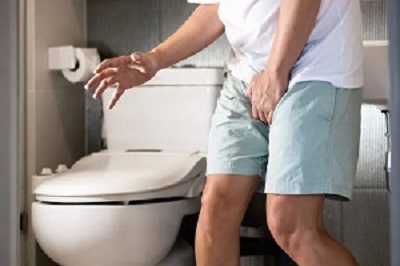
Frequent urination in men is a widespread issue that is often misinterpreted. While it is normal to urinate multiple times throughout the day, having the urge to go excessively—particularly when it disrupts your everyday activities or sleep—might signal an underlying health problem that warrants further investigation.
Medically, frequent urination is referred to as urinary frequency, which can stem from various causes, such as infections, prostate issues, chronic illnesses like diabetes, or even particular lifestyle choices.
Identifying the underlying cause is crucial for effective treatment and sustained well-being. In this article, we will examine the primary causes, symptoms, risk factors, and the appropriate times to consult a healthcare provider.

What Is Frequent Urination?
Frequent urination—clinically termed urinary frequency—refers to the need to urinate more often than what is considered normal. For the majority of adults, urinating approximately 6 to 8 times within a 24-hour period is standard, influenced by fluid intake and daily habits. If you frequently feel the need to urinate beyond this range, it may be classified as frequent urination.
This condition can manifest during the day, at night, or both. When it disturbs sleep, it is specifically termed nocturia.
Key Features of Frequent Urination
– Urinating more than 7–8 times a day
– Experiencing the urge to urinate even when the bladder isn’t full
– Producing minimal urine each time
– Interrupting daily life or sleep patterns
Frequent Urination vs Related Conditions
It’s essential to distinguish frequent urination from similar urinary issues:
– Urinary urgency: A sudden and intense need to urinate that is difficult to control
– Nocturia: Awakening multiple times at night to urinate
– Polyuria: Excreting unusually large quantities of urine (commonly associated with diabetes)
When Is It Normal?
Frequent urination can be considered normal in certain situations, such as:
– Consuming large quantities of fluids
– Intake of caffeine or alcohol
– Using medications like diuretics
In these scenarios, the frequency typically decreases once the influencing factor is removed.
When Is It a Concern?
Frequent urination may indicate a potential health issue if:
– It occurs consistently without increased fluid consumption
– It is accompanied by discomfort, pain, or burning sensations
– You have difficulty urinating or a weak urine stream
– It disrupts sleep or daily activities
Bottom Line
Frequent urination is a symptom rather than a standalone condition. Identifying the underlying cause—whether it’s a lifestyle factor or medical condition—is vital for appropriate treatment and maintaining long-term health.
How the Urinary System Operates
The urinary system is responsible for filtering waste and unnecessary fluids from the body, expelling them in the form of urine. It plays an essential role in maintaining fluid balance, regulating blood pressure, and eliminating harmful toxins.
Main Components of the Urinary System
1. Kidneys
The kidneys are two bean-shaped organs situated towards the back of your abdomen.
Functions:
– Filter waste from the bloodstream
– Remove extra water and toxins
– Maintain electrolyte balance (sodium, potassium, etc.)
– Help regulate blood pressure
Each day, the kidneys process around 50 gallons (≈180 liters) of blood, generating urine as a byproduct.
2. Ureters
The ureters are two slender tubes that connect each kidney to the bladder.
Functions:
– Transport urine from the kidneys to the bladder
– Use muscle contractions (peristalsis) to move urine downward
3. Bladder
The bladder is a hollow, muscular organ that stores urine until it’s ready to be expelled.
Functions:
– Temporarily holds urine
– Expands when filled (can hold about 400–600 ml)
– Alerts the brain when it’s time to urinate
4. Urethra
The urethra is the tube through which urine exits the body.
Functions:
– Delivers urine from the bladder to the outside
– Controlled by sphincter muscles that regulate urination
Prostate’s Special Role in Men
In men, the prostate gland encases part of the urethra just beneath the bladder.
Why it matters:
– An enlarged prostate (common with advancing age) can place pressure on the urethra
– This pressure can impede urine flow
– It often results in symptoms like frequent urination, weak stream, and trouble fully emptying the bladder
How Urination Occurs (Step-by-Step)
1. Filtration:
The kidneys filter waste and surplus fluid from the blood to create urine
2. Transport:
Urine moves through the ureters into the bladder
3. Storage:
The bladder holds urine until it reaches a specific volume
4. Signal to Brain:
Nerves notify the brain when the bladder becomes full
5. Urination (Micturition):
– Bladder muscles contract
– Sphincter muscles relax
– Urine is expelled through the urethra
Why This Process Is Important
Disruptions in this system can lead to urinary complications such as:
– Frequent urination
– Painful urination
– Difficulty in bladder emptying
– Urgency or leakage
For instance:
– Blockages (like an enlarged prostate) can hinder urine flow
– Infections can irritate the bladder
– Nerve damage can interfere with bladder control
Bottom Line
The urinary system functions as an interconnected network of organs that filter, store, and eliminate waste from the body. When all components operate effectively, urination will be smooth and controlled. Conversely, malfunctions due to infections, prostate problems, or lifestyle choices can lead to symptoms like frequent urination.
Common Causes of Frequent Urination in Men
1. Urinary Tract Infections (UTIs)
Although UTIs are more prevalent in women, men can also suffer from them.
Symptoms include:
– Burning sensation during urination
– Cloudy or strong-smelling urine
– Frequent urge to urinate
– Discomfort in the lower abdomen
UTIs develop when bacteria infiltrate the urinary tract, causing irritation.
READ ALSO: 7 Alarming Causes of Frequent Urination In Women
2. Enlarged Prostate (Benign Prostatic Hyperplasia – BPH)
A prevalent cause in men over 50, benign prostatic hyperplasia (BPH) leads to the prostate expanding and pressing against the urethra, resulting in:
– Frequent urination, particularly at night
– Weak urine stream
– Challenges initiating urination
– Sensation of incomplete bladder emptying
3. Diabetes (Type 1 and Type 2)
Frequent urination can be an early indicator of diabetes.
When blood sugar levels are elevated, the body attempts to eliminate excess glucose through urine, leading to increased urination.
Other symptoms include:
– Excessive thirst
– Fatigue
– Blurred vision
– Unexplained weight loss
4. Overactive Bladder
An overactive bladder occurs when bladder muscles contract involuntarily, even when the bladder isn’t full.
Symptoms include:
– Sudden urges to urinate
– Frequent urination
– Possible urine leakage
5. Prostatitis
Prostatitis is the inflammation of the prostate gland, often due to infection.
Symptoms include:
– Painful urination
– Discomfort in the pelvic or lower back regions
– Frequent urge to urinate
– Flu-like symptoms in severe cases

6. Bladder Stones
Bladder stones are hard mineral deposits formed within the bladder that can irritate its lining, causing:
– Frequent urination
– Pain during urination
– Blood in urine
– Interrupted urine flow
7. Interstitial Cystitis
This chronic bladder condition leads to pressure and pain in the bladder area.
While less common, it can result in:
– Persistent urge to urinate
– Frequent urination of small amounts
– Pelvic discomfort
Lifestyle and Behavioral Factors
Not all instances arise from medical conditions; some are linked to daily habits.
1. Excess Fluid Intake
Consuming large amounts of fluids can naturally elevate urination frequency.
2. Caffeine and Alcohol
Both are diuretics that promote urine production and irritate the bladder.
3. Medications (Diuretics)
Certain medications, especially for high blood pressure, lead to increased urine production.
4. Anxiety and Stress
Stress can activate nerve signals that impact bladder functionality, resulting in frequent urination.
Risk Factors
Several elements may increase the risk of experiencing frequent urination:
– Age (particularly over 50)
– Family history of prostate disorders
– Obesity
– Inactivity
– High sugar or caffeine consumption
Chronic health conditions.
Symptoms That May Accompany Frequent Urination
Frequent urination often doesn’t occur in isolation. In many cases, it is accompanied by other symptoms that can help identify the underlying cause—whether it’s an infection, prostate issue, metabolic condition, or bladder disorder.
READ ALSO: 10 Natural Remedies For Enlarged Prostate That Work
Recognizing these associated symptoms is critical for early diagnosis and appropriate treatment.
1. Pain or Burning Sensation (Dysuria)
A burning or painful feeling during urination is commonly linked to:
- Urinary tract infections (UTIs)
- Prostatitis (inflammation of the prostate)
- Irritation of the urinary tract
This symptom usually indicates inflammation or infection and should not be ignored.
2. Urgency (Sudden Strong Need to Urinate)
You may feel an intense, immediate need to urinate—even when the bladder isn’t full.
Often associated with:
- Overactive bladder
- UTIs
- Bladder irritation
3. Nocturia (Frequent Urination at Night)
Waking up multiple times during the night to urinate can significantly disrupt sleep.
Possible causes include:
- Enlarged prostate (BPH)
- Diabetes
- Excess fluid intake before bedtime
4. Weak Urine Stream or Difficulty Starting
This involves:
- Trouble initiating urination
- A slow or interrupted urine stream
Commonly linked to:
- Enlarged prostate
- Urethral blockage
5. Feeling of Incomplete Bladder Emptying
After urinating, you may still feel like your bladder isn’t fully empty.
Possible causes:
- Prostate enlargement
- Bladder dysfunction
6. Blood in Urine (Hematuria)
Seeing pink, red, or brown urine can be alarming.
Potential causes include:
- Infections
- Bladder stones
- Kidney problems
- In rare cases, tumors
This symptom requires immediate medical attention.
7. Cloudy or Strong-Smelling Urine
Changes in urine appearance or odor may indicate:
- Infection
- Dehydration
- Presence of bacteria or pus
8. Lower Abdominal or Pelvic Pain
Pain or discomfort in the lower abdomen or pelvic region may occur alongside frequent urination.
Possible causes:
- Bladder infection
- Prostatitis
- Bladder stones
9. Fever and Chills
When frequent urination is accompanied by fever, it often suggests a more serious infection.
This may indicate:
- Kidney infection
- Severe urinary tract infection
10. Excessive Thirst and Fatigue
If you experience frequent urination along with:
- Constant thirst
- Unusual tiredness
- Weight loss
It could be a sign of diabetes.

When Symptoms Become Serious
Seek medical attention immediately if you notice:
- Blood in your urine
- Severe pain
- High fever
- Sudden onset of symptoms
- Inability to urinate
Bottom Line
The presence of additional symptoms alongside frequent urination provides important clues about the underlying cause. While some symptoms may be mild and temporary, others can signal serious health conditions that require prompt medical care.
When to See a Doctor
You should consult a healthcare provider if:
- You urinate more than 8 times daily consistently
- You wake up multiple times at night (nocturia)
- Urination is painful
- There is blood in your urine
- Symptoms appear suddenly or worsen
- You have diabetes or prostate issues
READ ALSO: 10 Early Signs of Prostate Cancer Symptoms Every Man Should Watch OutFor
Early diagnosis can prevent complications and improve treatment outcomes.
Diagnosis and Medical Tests
When frequent urination becomes persistent or is accompanied by other symptoms, a proper medical evaluation is essential. Diagnosis focuses on identifying the underlying cause, whether it’s an infection, prostate condition, metabolic disorder, or bladder dysfunction.
Doctors typically use a combination of medical history, physical examination, and diagnostic tests to reach an accurate conclusion.
1. Medical History and Symptom Review
The first step involves a detailed discussion of your symptoms.
Your doctor may ask:
- How often do you urinate daily?
- Do you wake up at night to urinate?
- Do you feel pain or burning during urination?
- Are you experiencing urgency or leakage?
- How much fluid do you drink daily?
- Are you taking any medications (especially diuretics)?
This helps narrow down possible causes.
2. Physical Examination
A physical exam helps detect visible or physical abnormalities.
For Men:
- Digital Rectal Exam (DRE):
The doctor checks the size and condition of the prostate gland to detect enlargement or inflammation.
3. Urinalysis
This is one of the most common and important tests.
What it checks for:
- Bacteria (infection)
- Blood in urine
- Glucose (possible diabetes)
- Protein or other abnormalities
A urine sample is collected and analyzed in a lab.
4. Blood Tests
Blood tests provide insight into overall health and organ function.
Common checks include:
- Blood sugar levels (to detect diabetes)
- Kidney function (creatinine, urea levels)
- Infection markers
5. Prostate-Specific Antigen (PSA) Test
This blood test measures PSA levels, which can be elevated in:
- Enlarged prostate (BPH)
- Prostatitis
- Prostate cancer
It helps assess prostate health, especially in men over 50.
6. Ultrasound Imaging
An ultrasound scan may be used to examine:
- Kidneys (for stones or damage)
- Bladder (for retention or abnormalities)
- Prostate size
It is a non-invasive and painless imaging test.
7. Post-Void Residual (PVR) Test
This test measures how much urine remains in the bladder after urination.
Why it matters:
- High residual urine may indicate bladder dysfunction or obstruction (e.g., enlarged prostate)
8. Cystoscopy
In this procedure, a thin tube with a camera (cystoscope) is inserted into the urethra to examine the bladder.
Used to detect:
- Blockages
- Bladder stones
- Tumors or abnormalities
9. Urodynamic Testing
These tests assess how well the bladder and urethra store and release urine.
Helpful for diagnosing:
- Overactive bladder
- Nerve-related bladder issues
10. Bladder Diary (At-Home Tracking)
Your doctor may ask you to keep a record for a few days.
Track:
- Fluid intake
- Frequency of urination
- Urine volume
- Episodes of urgency or leakage
This provides valuable insight into patterns and triggers.
Bottom Line
Accurate diagnosis is the foundation of effective treatment. Since frequent urination can result from multiple causes, proper testing ensures that the root problem is identified and managed correctly.
Early diagnosis not only relieves symptoms but also helps prevent complications—especially in conditions like diabetes or prostate disorders.
Treatment Options
1. Medical Treatments
- Antibiotics for infections
- Medications to shrink or relax the prostate
- Bladder control medications
2. Lifestyle Changes
- Reduce caffeine and alcohol intake
- Monitor fluid consumption
- Maintain a healthy weight
- Exercise regularly
3. Natural Remedies (Supportive Care)
While not a replacement for medical treatment, some natural options may help:
- Pumpkin seeds:Support prostate health
- Saw palmetto:May help reduce BPH symptoms
- Herbal teas:Help soothe bladder irritation
Prevention Tips
- Drink adequate (not excessive) water
- Limit bladder irritants like caffeine
- Maintain a healthy lifestyle
- Practice bladder training
- Schedule regular health checkups

Frequently Asked Questions (FAQs)
1. What is considered frequent urination in men?
Frequent urination is typically defined as urinating more than 7–8 times in 24 hours, especially if it occurs without increased fluid intake or disrupts daily activities.
2. Is frequent urination always a sign of a health problem?
Not always. It can be caused by drinking too much fluid, caffeine, or alcohol. However, persistent symptoms may indicate an underlying condition such as infection, prostate issues, or diabetes.
3. Can an enlarged prostate cause frequent urination?
Yes. An enlarged prostate (BPH) can press against the urethra, reducing urine flow and causing frequent urges to urinate—especially at night.
4. Why do I urinate more at night (nocturia)?
Nocturia can be caused by:
- Enlarged prostate
- Diabetes
- Excess fluid intake before bed
- Aging-related bladder changes
5. Can diabetes cause frequent urination?
Yes. High blood sugar levels cause the body to produce more urine to remove excess glucose, leading to frequent urination along with thirst and fatigue.
6. Does drinking a lot of water cause frequent urination?
Yes. Increased fluid intake naturally leads to more urine production. However, if frequency remains high even with normal intake, it may require medical evaluation.
7. When should I be worried about frequent urination?
You should see a doctor if:
- It persists for several days
- It disrupts sleep
- You experience pain, burning, or blood in urine
- It is accompanied by fever or fatigue
8. Can stress or anxiety cause frequent urination?
Yes. Stress and anxiety can affect nerve signals to the bladder, increasing the urge to urinate even when the bladder is not full.
9. Is frequent urination treatable?
In most cases, yes. Treatment depends on the cause and may include medications, lifestyle changes, or managing underlying conditions like diabetes or prostate enlargement.
10. How can I reduce frequent urination naturally?
You can try:
- Reducing caffeine and alcohol
- Managing fluid intake (especially before bedtime)
- Maintaining a healthy weight
- Practicing bladder training exercises
Conclusion
Frequent urination in men can stem from a variety of causes, ranging from harmless lifestyle habits to more serious medical conditions such as prostate enlargement or diabetes.
The key is to pay attention to your body. If symptoms persist or worsen, seeking medical advice is crucial. Early diagnosis not only provides relief but also helps prevent complications.
Taking proactive steps—like maintaining a healthy lifestyle and regular checkups—can go a long way in protecting your urinary and overall health.