10 Crucial Early Signs of Dementia Not to Overlook
Introduction This condition is a serious neurological issue that impacts memory, cognition, and the ability to conduct daily activities; it isn’t a typical aspect of aging. Many people dismiss early indicators, thinking they are merely signs of aging memory loss, but catching it early can greatly influence the ability to slow its progression and enhance life quality. Awareness of the warning signs can aid individuals and families in seeking medical attention, planning for the future, and implementing lifestyle changes conducive to brain health. This article will cover 10 crucial early signs you should never overlook, along with suggested actions if you or someone you care about exhibits these symptoms.
what is dementia?
What is This Condition?
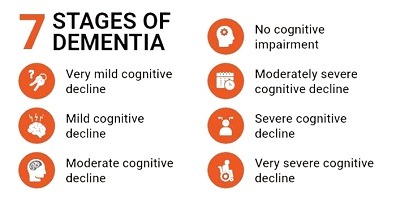
This term is a broad one, encompassing a decline in memory, cognitive function, behavior, and the capacity to carry out everyday tasks. It’s not a specific ailment but rather a collection of symptoms caused by damage to brain cells that hampers the brain’s information-processing abilities.
Individuals might experience difficulty recalling recent events, articulating thoughts clearly, making decisions, or identifying familiar faces and places. As these issues worsen, they can disrupt work, relationships, and everyday life.
It’s essential to realize that this condition is not an inevitability of aging. While mild forgetfulness may occur with age, it leads to more profound cognitive impairment that impacts autonomy and daily function.
Common Types of Dementia
– Alzheimer’s disease: The most prominent type, accounting for 60-80% of cases. – Vascular dementia: Resulting of diminished blood flow to the brain, frequently following a stroke. – Lewy body dementia: Associated with abnormal protein formations in the brain. – Frontotemporal dementia: Influences personality, behavior, and language abilities.
Timely diagnosis and suitable care can help manage symptoms, curb progression, and enhance quality of life for both patients and caregivers.
This Condition vs. Normal Aging: Understanding the Difference It is common for individuals to occasionally forget things as they age, like misplaced keys or forgotten names. However, this condition encompasses more critical memory issues that can substantially disrupt daily living.
Normal Aging – Occasionally forgetting names or appointments but recalling later. – Occasionally struggling to find the appropriate word. – Making rare mistakes in managing finances. – Misplacing items while still being able to retrace steps.
dementia prevention
This Condition – Forgetting recent discussions or events of later recollection. – Repeating questions or stories frequently. – Difficulty completing routine tasks such as cooking or driving. – Poor judgment and confusion in familiar environments. – Noticeable changes in mood, behavior, or personality.
Key Distinction: Normal aging does not disrupt daily life; in contrast, dementia compromises independence and functionality.
10 Crucial Early Signs Not to Overlook
1. Memory Loss Disrupting Daily Life A prominent early indicator of dementia is forgetting recent appointments, conversations, or events. Individuals might frequently ask the same questions or depend heavily on reminders.
2. Challenges in Planning or Problem-Solving Those with dementia may find it hard to manage finances, follow recipes, or focus on tasks that require organization and critical thinking.
3. Difficulty with Everyday Tasks Routine activities like cooking, driving to familiar destinations, or utilizing household appliances may become perplexing or hard to accomplish.
4. Disorientation with Time or Location Individuals could forget the current date, season, or their whereabouts, potentially getting lost even in well-known places.
5. Struggles with Language in Speaking or Writing Finding the right words, pausing mid-sentence, or repeating phrases can be early signs of dementia.
6. Misplacing Items and Inability to Retrace Steps Individuals might place objects in unfamiliar spots, making it difficult for themselves or others to locate them later, or they might falsely accuse others of theft.
7. Poor Judgment and Decision-Making This may involve giving away significant sums of money, falling for schemes, or neglecting personal care habits.
8. Withdrawal from Work or Social Engagements Loss of interest in hobbies, social gatherings, or conversations may occur because of the challenges in following discussions.
9. Shifts in Mood or Personality Individuals may exhibit increased anxiety, depression, suspicion, or become easily irritated. Changes in personality are common in early dementia.
10. Difficulty Interpreting Visual Images and Spatial Relationships Trouble with reading, assessing distances, or recognizing faces can lead to accidents or falls.
Causes and Risk Factors for Dementia
Dementia results from the harm or destruction of brain cells, disrupting their communication with each other. This impairment leads to issues with memory, cognition, behavior, and daily functioning. The specific causes vary by dementia type, but several medical conditions and lifestyle choices heighten the risk.
Common Cause of Dementia
1. Alzheimer’s Disease The most prevalent cause of dementia, linked to abnormal protein buildups (amyloid plaques and tau tangles) in the brain, which damage cells and trigger progressive memory loss.
2. Vascular Dementia This form occurs when blood flow to the brain decreases, commonly due to strokes, heart disease, or narrowed blood vessels. Poor circulation deprives neurons of essential oxygen and nutrients.
3. Lewy Body Dementia Caused by abnormal protein deposits known as Lewy bodies within the brain, it impacts memory, movement, and behavior and may lead to hallucinations.
4. Frontotemporal Dementia This form specifically impacts the frontal and temporal regions of the brain, resulting in shifts in personality, behavior, and language abilities. It predominantly affects younger individuals aged 40 to 65.
5. Traumatic Brain Injury (TBI) Sustained head traumas from incidents, sports, or falls may elevate the likelihood of developing dementia as one ages.
6. Infections and Neurological Disorders Certain infections, including HIV or Creutzfeldt-Jakob disease, alongside other neurological conditions, can trigger symptoms reminiscent of dementia.
Major Risk Factors for Dementia
1. Age The probability of encountering dementia rises markedly after age 65; however, some younger individuals can experience early-onset dementia.
2. Genetics and Family History A family history of dementia, particularly from a parent or sibling, heightens your risk, notably for Alzheimer’s disease.
3. Cardiovascular Issues Factors such as hypertension, diabetes, elevated cholesterol, heart complications, and strokes can increase the chances of vascular dementia.
5. Low Cognitive and Social Engagement Researchers link limited mental stimulation, education, and social interaction to a higher risk of cognitive decline.
6. Mental Health Conditions Unmanaged depression and anxiety have connections with an increased risk of dementia.
7. Hearing Impairment Ignoring hearing difficulties may lead to cognitive decline due to diminished brain engagement.
dementia symptoms
Can we prevent dementia? While unchangeable factors like age and genetics exist, people can diminish numerous lifestyle-related risks through healthy choices, consistent exercise, mental stimulation, and proper medical attention.
When to Consult a Physician About Dementia
Consulting a doctor is crucial upon observing persistent memory challenges or alterations in thought and behavior. Timely medical assessment can clarify the root cause, exclude other diseases, and initiate treatment to slow dementia progression.
Warning Signs That Require Medical Attention
See a physician if you or someone you know experiences: • Frequent memory lapses affecting daily life • Difficulty in completing tasks like cooking or financial management • Confusion regarding time, location, or relationships • Trouble with speaking, writing, or grasping conversations • Rapid changes in personality or behavior • Poor decision-making or risky choices • Getting lost in known surroundings • Issues recognizing family or friends If these signs intensify or disrupt daily routines, seeking professional medical guidance is essential.
Why Early Diagnosis Matters?
Early detection of dementia can: • Aid in slowing disease progress through medications and lifestyle adjustments • Help patients and families prepare for future care • Identify reversible issues such as nutrient shortages, thyroid dysfunction, or infections • Offer access to support networks and caregiving resources
dementia
What to Expect During a Doctor’s Visit
A physician may conduct: • Cognitive and memory assessments • Physical and neurological evaluations • Blood examinations to exclude other conditions • Brain scans (MRI or CT) • Medication and medical history reviews These evaluations assist in determining the dementia type and its stage.
Emergency Situations Seek urgent medical help if memory loss or confusion emerges abruptly, especially following a stroke, head trauma, or serious illness, as sudden confusion may suggest a medical crisis.
Naturally preventing dementia through diet, exercise, and cognitive training.
While a complete prevention strategy for dementia is elusive, numerous lifestyle modifications can greatly lessen your risk and slow cognitive decline. Research indicates that a nourishing diet, consistent exercise, and mental engagement are crucial for upholding brain health.
1. Brain-Nurturing Diet for Dementia Prevention A balanced diet nurtures cognitive function and shields brain cells from harm.
Top Foods for Brain Health • Fruits and vegetables: High in antioxidants that safeguard brain cells • Fatty fish (like salmon, sardines, and tuna): Abundant in omega-3 fatty acids for memory support • Whole grains: Deliver consistent energy for the brain • Nuts and seeds: Enhance cognitive performance and alleviate inflammation • Olive oil: Beneficial for both brain and heart health • Lean proteins: Eggs, beans, and poultry assist in repairing brain cells
Foods to Minimize • Processed items • Sugary beverages and snacks • Excess salt and unhealthy fats • Overconsumption of alcohol
The Mediterranean and DASH diets are associated with a reduced risk of dementia.
2. Exercise and Physical Activity for Brain Stimulation Regular physical activity enhances blood circulation to the brain, augments memory, and mitigates dementia risk.
Suggested Exercises • Daily brisk walking (30 minutes) • Swimming or cycling • Resistance training • Yoga and stretching
Exercise Advantages • Augments memory and learning • Diminishes stress and depressive symptoms • Lowers risks of hypertension and diabetes • Promotes brain cell proliferation
3. Mental Engagement and Cognitive Challenges Maintaining brain activity fosters cognitive reserve and delays dementia manifestations. Effective Cognitive Exercises • Reading literature or newspapers • Engaging in puzzles and crosswords • Playing strategy games like chess • Learning a new language or skill • Playing musical instruments • Participating in social conversations
4. Additional Natural Strategies to Lower Dementia Risk • Ensure adequate sleep: Aim for 7–9 hours each night • Manage stress: Employ meditation and relaxation practices • Stay socially engaged: Interaction supports brain well-being • Control chronic illnesses: monitor blood pressure, diabetes, and cholesterol levels • Avoid smoking and limit alcohol intake
Can Supplement Aid in Dementia Prevention? Some research suggests that omega-3s, vitamin D, and antioxidants may support cognitive health, yet they should complement—not replace—a healthy lifestyle. Always consult with a physician before starting any supplements.
Frequently Asked Questions Regarding Dementia
1. What is dementia? Dementia encompasses a collection of symptoms impacting memory, cognition, and daily functioning due to brain cell damage. It is not a solitary illness but rather a condition arising from disorders like Alzheimer’s and strokes.
2. What are the initial signs of dementia? Initial indicators comprise memory loss, confusion, speech difficulties, poor judgment, mood fluctuations, and challenges in completing familiar tasks.
3. Is dementia synonymous with Alzheimer’s disease? No, Alzheimer’s is the leading cause of dementia, though dementia serves as an umbrella term for various brain disorders.
4. At which age does dementia typically present? Dementia predominantly affects individuals over the age of 65, although early-onset cases can occur in those in their 40s or 50s.
5. Is there a cure for dementia? At present, no cure exists for dementia; however, treatments and lifestyle changes can decelerate its progression and enhance life quality.
6. What are the causes of dementia? Dementia arises from brain cell damage due to Alzheimer’s, strokes, head trauma, infections, or genetic elements.
7. Can one naturally prevent dementia? While complete prevention isn’t feasible, a nutritious diet, regular physical activity, cognitive engagement, social interaction, and managing hypertension and diabetes can lower the risk.
8. How is dementia diagnosed? Physicians diagnose dementia using cognitive tests, physical assessments, blood evaluations, and brain scans like MRI or CT.
9. Is dementia hereditary? Some dementia forms exhibit a genetic link, yet having a familial history does not ensure one will develop dementia.
10. How rapidly does dementia progress? Progression varies individually and by type; however, symptoms generally deteriorate gradually over several years.
4. What age typically sees the onset of dementia? Dementia commonly impacts individuals aged 65 and older, though early-onset dementia can arise in those in their 40s or 50s.
5. Is there a cure for dementia? As of now, no cure exists for dementia. However, treatments and lifestyle modifications can help slow its progression and enhance life quality.
6. What leads to dementia? Dementia results from damage to brain cells, which can stem from Alzheimer’s disease, strokes, head trauma, infections, or inherited factors.
7. Is it possible to prevent dementia through natural methods? While it may not be entirely preventable, a healthy diet, regular physical activity, cognitive engagement, social interaction, and management of blood pressure and diabetes may lower risk.
8. How is dementia identified? Healthcare professionals diagnose dementia through a combination of memory assessments, physical evaluations, blood tests, and brain imaging techniques, such as MRI or CT scans.
9. Is there a hereditary aspect to dementia? Certain types of dementia may have a genetic influence, but a family history does not necessarily mean one will develop dementia.
10. How quickly does dementia advance? The rate of progression differs by individual and type of dementia, but symptoms typically deteriorate gradually over a period of several years.
dementia treatment
Conclusion
Dementia is a significant illness that impacts millions globally, yet spotting early warning signs can be crucial. Memory issues, disorientation, mood fluctuations, and struggles with daily activities are not merely “part of aging”—they may signal the beginning of dementia. Early detection enables timely medical intervention, lifestyle adjustments, and supportive systems that help sustain quality of life.
By embracing a brain-healthy diet, consistent exercise, mental challenges, and social connections, you may lower your risk and mitigate cognitive decline. Caregivers are also vital in providing compassion, understanding, and safety for those affected by dementia.
If you observe any concerning signs in yourself or a loved one, seek medical advice without delay. Taking prompt action is essential for effectively managing this condition and preserving autonomy.
autonomy.
About the Author
Ayodele Taiwo is a Nigerian health blogger and researcher who shares evidence-based tips on blood pressure, fertility, weight loss, and healthy living. He created AyHealthWise to provide reliable and easy-to-understand health information for everyday people. 👉 Read more about Ayodele
early sign of dementia, dementia, dementia symptoms, dementia prevention, dementia treatment, early sign of dementia, dementia, dementia symptoms, dementia prevention, dementia treatment, early sign of dementia, dementia, dementia symptoms, dementia prevention, dementia treatment, early sign of dementia, dementia, dementia symptoms, dementia prevention, dementia treatment, early sign of dementia, dementia, dementia symptoms, dementia prevention, dementia treatment, early sign of dementia, dementia, dementia symptoms, dementia prevention, dementia treatment, early sign of dementia, dementia, dementia symptoms, dementia prevention, dementia treatment,
early sign of dementia, dementia, dementia symptoms, dementia prevention, dementia treatment, early sign of dementia, dementia, dementia symptoms, dementia prevention, dementia treatment, early sign of dementia, dementia, dementia symptoms, dementia prevention, dementia treatment, early sign of dementia, dementia, dementia symptoms, dementia prevention, dementia treatment,early sign of dementia, dementia, dementia symptoms, dementia prevention, dementia treatment, early sign of dementia, dementia, dementia symptoms, dementia prevention, dementia treatment,
early sign of dementia, dementia, dementia symptoms, dementia prevention, dementia treatment, early sign of dementia, dementia, dementia symptoms, dementia prevention, dementia treatment, early sign of dementia, dementia, dementia symptoms, dementia prevention, dementia treatment, early sign of dementia, dementia, dementia symptoms, dementia prevention, dementia treatment, early sign of dementia, dementia, dementia symptoms, dementia prevention, dementia treatment, early sign of dementia, dementia, dementia symptoms, dementia prevention, dementia treatment, early sign of dementia, dementia, dementia symptoms, dementia prevention, dementia treatment,
10 Early Warning Signs of Dementia You Should Never Ignore