Goiter Causes, Symptoms, and Treatment Options You Shouldn’t Ignore
Introduction Goiter is a health condition that occurs when the thyroid gland—a small, butterfly-shaped organ positioned at the neck’s base—becomes enlarged. While iodine deficiency is a common cause, goiter can also arise from autoimmune diseases, hormonal fluctuations, or specific medications. In many instances, goiters may be small and pose no health risks, but they can sometimes lead to significant swelling, discomfort, or hormonal imbalances that affect overall well-being.
Recognizing the causes and symptoms of goiter is crucial, as early detection enhances treatment efficacy and helps avert complications such as breathing difficulties, swallowing issues, or chronic thyroid disorders. Whether mild or severe, goiter is a condition that warrants attention.
In this article, we’ll examine the primary causes of goiter, the symptoms to be aware of, and the most beneficial treatment strategies—from lifestyle modifications and medications to surgical options—allowing you to safeguard your thyroid health and recognize when to seek medical assistance.
What Is Goiter?
Goiter refers to the enlargement of the thyroid gland. Located just below the Adam’s apple at the neck’s base, the thyroid is a small, butterfly-shaped gland that plays a vital role in managing metabolism, heart rate, body temperature, and hormonal balance through the secretion of thyroid hormones (T3 and T4).
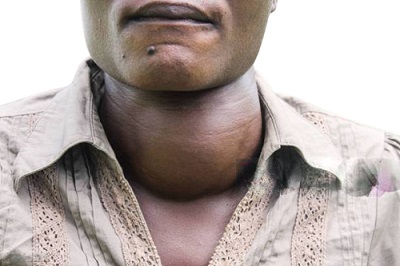
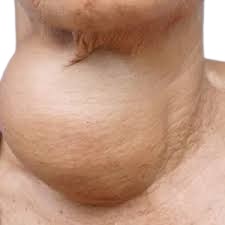
When the thyroid gland expands beyond its normal size, this condition is termed goiter. For some individuals, the goiter may be minimal and barely perceptible, while for others, it could lead to visible throat swelling and symptoms like swallowing difficulties, hoarseness, or breathing complications. It’s important to note that a goiter itself is not necessarily a disease but often indicates an underlying thyroid issue. Goiter can be tied to iodine deficiency, autoimmune diseases like Hashimoto’s thyroiditis or Graves’ disease, hormonal shifts, or thyroid nodules. Depending on its origin, a goiter may be associated with normal, low, or high thyroid hormone levels.
Normal Thyroid vs. Goiter: A Simple Comparison
| Feature | Normal Thyroid Gland | Goiter (Enlarged Thyroid) | |————————–|—————————————–|—————————————–| | Size | Small, butterfly-shaped, about 2 inches wide | Enlarged; may be mildly swollen or noticeably larger | | Location | Base of the neck, below Adam’s apple | Same location but visibly swollen or protruding | | Hormone Levels | Balanced (normal T3 & T4 production) | May be normal, too low (hypothyroidism), or too high (hyperthyroidism) | | Symptoms | None – thyroid functions adequately | Neck swelling, swallowing difficulties, voice changes, breathing issues | | Appearance | Not visible externally | Neck could appear fuller, especially when swallowing |
Causes of Goiter
Goiter develops when the thyroid gland grows larger than usual. This enlargement can stem from various factors, including nutritional deficiencies, autoimmune conditions, and genetic predispositions. Here are the most prevalent causes:
1. Iodine Deficiency – The leading cause of goiter globally. – Iodine is vital for thyroid hormone production, and its absence causes the thyroid to enlarge in a compensatory manner. – Remains a significant problem in areas where iodized salt is not commonly used.
2. Autoimmune Disorders – Hashimoto’s Thyroiditis (Hypothyroidism): The immune system attacks the thyroid, causing inflammation and reduced function, which can lead to swelling. – Graves’ Disease (Hyperthyroidism): The immune system pushes the thyroid into overproduction of hormones, also resulting in gland enlargement.
3. Thyroid Nodules – These are lumps or abnormal growths within the thyroid gland. – They can be singular or multiple; while most are benign, they can still cause the gland to become larger.
4. Hormonal Changes – Life stages such as puberty, pregnancy, and menopause increase the demand for thyroid hormones, leading to temporary enlargement.
5. Certain Medications – Drugs like lithium (used for psychiatric conditions) and amiodarone (for heart issues) can disrupt thyroid function and result in goiter.
6. Genetic Factors and Family History – A family history of thyroid diseases raises the likelihood of developing goiter. – Some genetic conditions affect thyroid growth and hormone function.
7. Thyroid Cancer or Inflammation – Although less frequent, thyroid cancer or chronic inflammation (thyroiditis) can also cause enlargement of the gland.
Key takeaway: Goiter can result from both nutritional deficiencies and medical conditions. Identifying the root cause is crucial for choosing the right treatment.
Symptoms of Goiter
Symptoms of goiter can vary significantly based on its size, cause, and impact on hormone levels. Some individuals may have a small goiter without any noticeable symptoms, while others may experience significant discomfort. Here are the most typical symptoms:
1. Visible Neck Swelling – The primary sign of goiter is swelling at the neck’s base, beneath the Adam’s apple. – It may be more prominent when swallowing or turning the head.
2. Throat and Breathing Issues – Feelings of tightness or pressure in the throat. – Difficulty swallowing (dysphagia). – Trouble breathing, particularly when lying down. – A persistent cough or choking sensation.
3. Voice Changes – Hoarseness or voice alterations caused by pressure on the vocal cords. 4. Symptoms Related to Thyroid Hormone Imbalance – Goiter may coincide with hypothyroidism (underactive thyroid), hyperthyroidism (overactive thyroid), or normal function.
– If hypothyroidism is present: – Fatigue and weakness. – Weight gain. – Dry skin and hair loss. – Constipation. – Cold intolerance. – If hyperthyroidism is present: – Unexplained weight loss. – Increased appetite. – Rapid or irregular heartbeat (palpitations). – Nervousness, irritability, or anxiety. – Heat intolerance with excessive sweating.
5. Cosmetic and Psychological Impact – Noticeable neck swelling can lead to self-consciousness or embarrassment. – Some may experience anxiety due to visible changes in their appearance.
Key takeaway: Not all goiters cause symptoms, but when present, they may range from simple physical swelling to critical thyroid hormone imbalances that impact overall health.
causes and symptoms of goiter
Types of Goiter
Goiter is not a uniform condition; the thyroid can enlarge in various ways, and healthcare providers classify goiters based on their cause, appearance, and effect on hormone function. Understanding the types of goiter is essential for accurate diagnosis and treatment.
1. Simple (Non-Toxic) Goiter – Enlargement of the thyroid without alterations in hormone production. – Typically caused by iodine deficiency or heightened hormone demand during puberty or pregnancy. – Thyroid function tests are generally normal.
2. Endemic Goiter – Common in regions where soil and diet lack adequate iodine. – Observed in large population groups in specific geographic areas. – A preventable type of goiter, often managed with iodized salt.
3. Sporadic Goiter – Occurs without any identifiable environmental or dietary cause. – Sometimes associated with genetic factors or medications like lithium.
4. Multinodular Goiter – The thyroid gland develops multiple lumps or nodules. – Can cause uneven swelling in the neck. – May be non-toxic (normal hormone levels) or toxic (overproducing thyroid hormone).
5. Toxic (Nodular) Goiter – Also referred to as toxic multinodular goiter. – The nodules produce excess thyroid hormone, resulting in hyperthyroidism. – Symptoms can include weight loss, rapid heartbeat, and nervousness.
6. Diffuse Goiter – The entire thyroid enlarges uniformly without nodules. – Often linked to autoimmune diseases like Graves’ disease.
Key takeaway: The type of goiter determines whether it is harmless, related to iodine deficiency, or connected with serious thyroid disorders such as hypothyroidism or hyperthyroidism.
How Is Goiter Diagnosed?
Diagnosing goiter involves more than just noticing a swelling in the neck. Doctors use a combination of physical exams, lab tests, and imaging techniques to determine the size of the thyroid, the cause of the enlargement, and whether thyroid hormone levels are affected.
Medical History and Physical Examination
The doctor will ask about symptoms such as neck swelling, difficulty swallowing, breathing issues, or changes in weight and energy.
During the exam, the doctor may feel the neck to check for thyroid enlargement, nodules, or tenderness.
Blood Tests
Thyroid Stimulating Hormone (TSH): Measures if the thyroid is underactive or overactive.
T3 and T4 hormone levels: Check for imbalances that may indicate hypothyroidism or hyperthyroidism.
Thyroid antibodies test: Helps detect autoimmune causes like Hashimoto’s thyroiditis or Graves’ disease.
Imaging Tests
Ultrasound: Provides detailed images of the thyroid, showing its size, shape, and presence of nodules or cysts.
CT Scan or MRI: Used for very large goiters or when the goiter extends into the chest (retrosternal goiter).
Radioactive Iodine Uptake Test
Evaluates how well the thyroid absorbs iodine.
Helps determine whether the goiter is producing too much thyroid hormone (toxic goiter).
Fine-Needle Aspiration Biopsy (FNA)
If nodules are present, a thin needle is used to collect cells for examination.
Helps rule out thyroid cancer.
Key takeaway: Goiter diagnosis is not just about identifying a neck swelling — it’s about understanding the underlying cause and whether it’s affecting hormone levels or linked to serious conditions like thyroid cancer.
Treatment Options for Goiter
The treatment of goiter depends on its size, cause, symptoms, and effect on thyroid hormone levels. While some small, symptomless goiters may only require observation, others need medical treatment or surgery. Below are the most common treatment options:
Watchful Waiting (Observation)
If the goiter is small and not causing symptoms, the doctor may recommend regular monitoring with physical exams and ultrasound.
Blood tests are done periodically to check thyroid hormone levels.
Medications
Thyroid Hormone Replacement (Levothyroxine):
Used when goiter is caused by hypothyroidism (underactive thyroid).
Helps shrink the thyroid gland and restore normal hormone levels.
Prescribed when goiter is linked to hyperthyroidism (overactive thyroid).
Reduces excess hormone production.
Iodine Supplements:
Recommended if goiter is caused by iodine deficiency.
Often corrected with iodized salt or prescribed supplements.
Radioactive Iodine Therapy
Commonly used in cases of toxic multinodular goiter or Graves’ disease.
Radioactive iodine is swallowed and absorbed by the thyroid, gradually shrinking the gland.
May lead to hypothyroidism, which is then managed with hormone replacement.
Surgery (Thyroidectomy)
Recommended for:
Very large goiters causing breathing or swallowing difficulties.
Goiters are suspected of being cancerous.
Toxic goiters that do not respond to other treatments.
Part or all of the thyroid gland may be removed.
Patients usually require lifelong thyroid hormone replacement after surgery.
Lifestyle and Dietary Adjustments
Eating a balanced, iodine-rich diet (fish, seaweed, dairy, eggs).
Using iodized salt in daily meals.
Limiting foods that may interfere with thyroid function (excess raw cabbage, broccoli, soy) if advised by a doctor.
Managing stress and getting regular medical checkups.
Key takeaway: Treatment for goiter is individualized — ranging from simple observation to surgery — depending on the size of the goiter and its impact on thyroid function and overall health.
Goiter Treatment Options at a Glance
Goiter Size & Type
Recommended Treatment
Notes
Small, no symptoms (simple goiter)
Watchful waiting (observation)
Regular checkups and thyroid hormone tests; no immediate treatment needed.
Iodine-deficiency goiter
Iodine supplements, iodized salt, dietary changes
Helps restore normal thyroid hormone production.
Hypothyroid goiter (underactive thyroid)
Thyroid hormone replacement (Levothyroxine)
Shrinks goiter and balances hormone levels.
Hyperthyroid goiter (overactive thyroid)
Anti-thyroid drugs, radioactive iodine therapy
Controls excessive hormone production.
Toxic multinodular goiter
Radioactive iodine or surgery
Used if medication doesn’t control symptoms.
Large goiter causing pressure/swallowing issues
Surgery (thyroidectomy)
Relieves obstruction; may require lifelong hormone replacement.
Suspicious or cancerous goiter
Surgery (partial or total removal)
Biopsy or pathology confirms diagnosis.
Natural Remedies and Home Management for Goiter
While medical treatment is often necessary, especially for large or hormone-related goiters, certain natural remedies and lifestyle changes can support thyroid health, reduce symptoms, and prevent further enlargement. These approaches should be used alongside — not in place of — medical care.
Eat Iodine-Rich Foods
Since iodine deficiency is the leading cause of goiter worldwide, eating foods high in iodine can help.
Good sources include: seaweed (kelp, nori), fish (cod, tuna, sardines), shrimp, dairy products, and eggs.
Use Iodized Salt
Switching to iodized salt in cooking is one of the simplest ways to prevent iodine-deficiency goiter.
Limit Goitrogenic Foods
Some foods, when eaten in excess, can interfere with thyroid hormone production. These include raw cruciferous vegetables (cabbage, broccoli, cauliflower, kale), soy products, and millet.
Cooking these foods often reduces their goitrogenic effect, so moderate consumption is safe.
Maintain a Balanced Diet
Include selenium-rich foods (Brazil nuts, sunflower seeds, fish) to support thyroid hormone metabolism.
Zinc-rich foods (pumpkin seeds, chickpeas, oysters) can also help thyroid function.
Stay Hydrated and Manage Stress
Chronic stress can worsen thyroid imbalances. Practicing relaxation techniques like meditation, yoga, or deep breathing helps maintain hormonal balance.
Drinking enough water supports overall metabolic health.
Avoid Smoking and Excess Alcohol
Both smoking and heavy alcohol use can negatively affect thyroid function and worsen goiter symptoms.
Regular Thyroid Checkups
Even when using natural approaches, regular medical checkups and blood tests are essential to monitor thyroid function and catch complications early.
Key takeaway: Natural remedies can support thyroid health and help manage goiter, but they should be seen as complementary strategies. Always consult a doctor before relying solely on home remedies, especially if symptoms are worsening.
goiter prevention
Prevention Tips for Goiter
Although not all cases of goiter can be prevented, especially those caused by genetics or autoimmune conditions, many cases related to iodine deficiency and lifestyle can be avoided. The following preventive measures can help keep your thyroid healthy:
Ensure Adequate Iodine Intake
Use iodized salt in cooking instead of regular salt.
Include iodine-rich foods such as fish, seaweed, eggs, and dairy in your diet.
In areas where iodine deficiency is common, a doctor may recommend supplementsa doctor may recommend supplements.
Eat a Balanced, nutrient-rich diet
Incorporate foods rich in selenium (Brazil nuts, tuna, sunflower seeds) and zinc (pumpkin seeds, beef, chickpeas) to support thyroid hormone production.
Avoid extreme diets that eliminate essential nutrients.
Limit Excess Goitrogenic Foods
Vegetables like cabbage, broccoli, kale, and soy products can affect thyroid function when eaten in very large amounts, especially raw.
Cooking these foods reduces their thyroid-suppressing effect.
Stay Aware of Medications That Affect the Thyroid
Certain drugs (e.g., lithium, amiodarone) can enlarge the thyroid. If you are taking these medications, regular thyroid monitoring is important.
Manage Hormonal and Lifestyle Factors
Regular checkups during pregnancy, puberty, or menopause can help detect thyroid changes early.
Stress management, regular exercise, and avoiding smoking all support thyroid health.
Family History Awareness
If thyroid disease runs in your family, routine thyroid screening can help detect early changes before symptoms appear.
Key takeaway: A healthy, iodine-rich diet, proper lifestyle habits, and regular medical checkups go a long way in preventing goiter — especially in regions where iodine deficiency is common.
When to See a Doctor
Not all goiters are dangerous, but some can signal serious thyroid problems or even cancer. It’s important to know when a neck swelling should be checked by a healthcare professional. You should see a doctor if you notice any of the following:
Visible Neck Swelling
A lump or swelling at the base of your neck, especially if it is growing.
Any asymmetry (one side of the neck larger than the other).
Difficulty Swallowing or Breathing
Trouble swallowing food or liquids.
Shortness of breath or a choking sensation, especially when lying down.
Changes in Voice
Persistent hoarseness.
Voice becoming deeper or rougher due to thyroid pressing on the vocal cords.
Unexplained Symptoms of Thyroid Imbalance
Sudden weight loss or weight gain.
Fatigue, weakness, or unusual mood changes.
Rapid heartbeat, anxiety, or tremors (possible hyperthyroidism).
Dry skin, constipation, and cold intolerance (possible hypothyroidism).
Family History of Thyroid Disease or Cancer
If thyroid disease or thyroid cancer runs in your family, early evaluation is essential.
Rapid Growth or Pain in the Neck
A goiter that enlarges quickly or becomes painful requires immediate medical attention.
Key takeaway: While some goiters are harmless, others can be a sign of serious thyroid disease. If you experience swelling, discomfort, or symptoms affecting your breathing, swallowing, or energy levels, it’s best to consult a doctor promptly.
FAQs About Goiter
What is the main cause of goiter? The most common cause of goiter worldwide is iodine deficiency. In developed countries, autoimmune thyroid diseases like Hashimoto’s thyroiditis and Graves’ disease are more frequent causes.
Can a goiter go away on its own? In some cases, a small goiter caused by iodine deficiency may shrink after correcting the deficiency. However, larger goiters or those caused by autoimmune conditions usually require medical treatment.
What are the first signs of goiter? Early symptoms include swelling at the base of the neck, a tight feeling in the throat, difficulty swallowing, or voice changes.
Is goiter a serious condition? Not always. Some goiters are small and harmless, but others may cause breathing or swallowing problems or indicate an underlying thyroid disorder that needs medical attention.
How is goiter treated naturally? Goiter caused by iodine deficiency may improve with an iodine-rich diet (iodized salt, fish, seaweed, eggs). However, natural remedies are not effective for goiters caused by autoimmune or cancerous conditions. Always consult a doctor.
Can goiter cause weight gain? Yes, if goiter is linked to hypothyroidism, it can cause weight gain due to a slowed metabolism.
What foods should I avoid if I have goiter? Limit raw goitrogenic foods like cabbage, broccoli, kale, soy, and cauliflower, especially if consumed in large amounts. Cooking usually reduces their goitrogenic effects.
Can goiter turn into cancer? Most goiters are benign (non-cancerous). However, in rare cases, thyroid nodules within a goiter can be cancerous. Regular medical checkups are important.
How do doctors check for goiter? Doctors may perform a physical neck exam, blood tests (TSH, T3, T4), thyroid ultrasound, or biopsy to confirm the type and cause of goiter.
Can goiter be completely cured? Yes, depending on the cause. Iodine deficiency goiter can be reversed, while autoimmune-related goiters may require lifelong management. In severe cases, surgery may be necessary.
Conclusion
Goiter is more than just a swelling in the neck—it’s often a sign of an underlying thyroid condition that shouldn’t be ignored. While many cases are caused by simple iodine deficiency, others may be linked to autoimmune disorders or even thyroid nodules. Recognizing the early symptoms, such as neck swelling, difficulty swallowing, or voice changes, can help you seek medical attention before the condition worsens.
The good news is that goiter is treatable. With the right diagnosis, proper treatment—ranging from medication and dietary adjustments to surgery in severe cases—can restore thyroid function and prevent complications. Prevention also plays a key role; maintaining a balanced diet with sufficient iodine, regular health checkups, and managing autoimmune health are vital steps to keep your thyroid healthy.
If you notice unusual swelling in your neck or experience symptoms of thyroid imbalance, don’t wait. Consult a healthcare professional immediately to protect your health and well-being.
About the Author
Ayodele Taiwo is a Nigerian health blogger and researcher who shares evidence-based tips on blood pressure, fertility, weight loss, and healthy living. He created AyHealthWise to provide reliable and easy-to-understand health information for everyday people.
causes and symptoms of goiter, goiter treatment options, goiter prevention, types of goiter, how is goiter diagnosed. causes and symptoms of goiter, goiter treatment options, goiter prevention, types of goiter, how is goiter diagnosed, causes and symptoms of goiter, goiter treatment options, goiter prevention, types of goiter, how is goiter diagnosed, causes and symptoms of goiter, goiter treatment options, goiter prevention, types of goiter, how is goiter diagnosed, causes and symptoms of goiter, goiter treatment options, goiter prevention, types of goiter, how is goiter diagnosed, causes and symptoms of goiter, goiter treatment options, goiter prevention, types of goiter, how is goiter diagnosed, causes and symptoms of goiter, goiter treatment options, goiter prevention, types of goiter, how is goiter diagnosed
Originally posted 2025-10-03 22:24:20.
5 Proven Insights Into Causes And Symptoms of Goiter & Treatments
 Ayodele Taiwo is a Nigerian health blogger and researcher who shares evidence-based tips on blood pressure, fertility, weight loss, and healthy living. He created AyHealthWise to provide reliable and easy-to-understand health information for everyday people.