Frequent Urination in Women: Causes, Symptoms, and Treatments
Introduction Frequent urination is a prevalent health issue among women that many face at some stage of their lives. Although it can often be attributed to high fluid intake, it may sometimes signal an underlying medical issue that needs addressing. Typically, healthy adults relieve themselves approximately six to eight times daily; thus, needing to urinate much more often may classify as frequent urination.
For women, numerous factors can contribute to this condition, including urinary tract infections (UTIs), pregnancy, diabetes, hormonal fluctuations, or an overactive bladder. Additionally, lifestyle choices like excessive caffeine consumption, specific medications, or stress may also play a role. While it might seem like a minor annoyance, noticeable or sudden alterations in urination habits should not be overlooked.
Frequent urination can be accompanied by other signs, such as a burning sensation during urination, discomfort in the pelvic area, intense urges to urinate, or waking multiple times overnight to use the toilet. These symptoms may suggest an infection or other medical concerns that require professional evaluation.
Recognizing the causes, symptoms, and treatment options for frequent urination in women is vital for maintaining urinary health and overall wellness. Early identification of the cause can help avert complications and guarantee appropriate treatment.
overactive bladder in women
In this article, we’ll delve into the primary causes of frequent urination in women, relevant symptoms to monitor, available treatments, and practical strategies to manage and prevent this issue.
What Is Frequent Urination?
Frequent urination is characterized by the urge to urinate more often than typical, even if the volume of urine produced each time is minimal. While the frequency of urination can vary per individual, healthy adults generally urinate about six to eight times in 24 hours. When a woman experiences the need to urinate considerably more often, it may be classified as frequent urination.
This condition arises when the bladder communicates the need to empty itself more frequently than usual, sometimes even when it isn’t full. Frequent urination can occur during the day, at night, or at both times. When it predominantly happens at night and disrupts sleep patterns, it is referred to as nocturia.
It’s crucial to note that frequent urination itself is not a standalone disease but rather a symptom of another issue. The underlying cause could be as simple as high water or caffeine intake; however, it may also be associated with medical conditions such as UTIs, diabetes, pregnancy, or an overactive bladder.
Frequent urination may sometimes be misidentified as other urinary challenges, but they differ: –Frequent urination: Urging to urinate multiple times throughout the day or night. – Urinary urgency: A sudden, intense urge to urinate that can be hard to manage. – Urinary incontinence: Involuntary loss of urinary control, resulting in accidental leakage.
In most instances, occasional frequent urination is normal, particularly after substantial fluid intake. However, if it continues for several days, impacts daily life, or is accompanied by pain or other symptoms, it may indicate an underlying health concern requiring medical examination.
causes of frequent urination in women
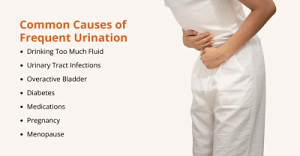
Common Causes of Frequent Urination in Women
Frequent urination in women can arise from various reasons. Sometimes, it may simply result from lifestyle behaviors, such as consuming excessive fluids. Nevertheless, it can also be associated with medical conditions affecting the bladder, kidneys, or hormonal balance. Recognizing the potential causes helps women determine when to seek medical advice.
1. Urinary Tract Infection (UTI) One of the most prevalent causes of frequent urination among women is a urinary tract infection (UTI). This occurs when bacteria invade the urinary system, infecting either the bladder or urethra.
Typical symptoms of a UTI include: – Frequent urge to urinate – Burning sensation during urination – Cloudy or foul-smelling urine – Pain in the lower abdomen or pelvic area – Urinating small amounts frequently
Due to the shorter urethra in females, bacteria can more readily reach the bladder, making UTIs more common in women.
2. Pregnancy Frequent urination is a typical symptom during pregnancy, particularly in the early and late stages. Hormonal changes boost blood flow to the kidneys, prompting the body to generate more urine. As pregnancy advances, the expanding uterus exerts pressure on the bladder, which leads to increased visits to the bathroom.
3. Diabetes Both type 1 and type 2 diabetes can lead to frequent urination. When blood sugar levels are elevated, the kidneys work to flush out the excess glucose through urine. This process results in heightened urine production and numerous bathroom trips.
Other symptoms of diabetes may include: – Excessive thirst – Fatigue – Unexplained weight loss – Blurred vision Frequent urination along with excessive thirst can serve as an early indication of diabetes.
4. Overactive Bladder An overactive bladder (OAB) manifests when the bladder muscles contract involuntarily, even when it’s not full. This situation produces a sudden and intense urge to urinate.
Symptoms may include: – Frequent daytime urination – Sudden urges to urinate – Difficulty in holding urine – Waking up several times at night to urinate An overactive bladder can greatly hinder a woman’s daily activities and overall quality of life.
5. Interstitial Cystitis Interstitial cystitis, or painful bladder syndrome, is a long-lasting condition that results in bladder pressure and discomfort. Women suffering from this condition may experience an intense need to urinate frequently, at times dozens of times daily.
Symptoms may include: – Chronic pelvic pain – Bladder pressure – Frequent urination in small quantities – Relief of pain after urination The exact cause of interstitial cystitis remains unclear, but it can have a significant impact on bladder functionality.
6. High Fluid Intake Consuming large volumes of fluids—particularly water, coffee, tea, alcohol, or carbonated drinks—can enhance urine production. Both caffeine and alcohol serve as diuretics, encouraging the kidneys to create more urine.
7. Certain Medications Several medications can lead to increased urination as a side effect. Among those are: – Diuretics (water pills) prescribed for high blood pressure – Some heart medications – Certain herbal supplements that boost urine output Such medications assist in removing excess fluid from the body, which may result in frequent urination.
8. Hormonal Changes Shifts in hormones, especially during menopause, can influence bladder functionality. A decline in estrogen may weaken pelvic floor muscles and bladder tissues, making it harder to control urination, thus escalating the urge to urinate more frequently.
Recognizing these common factors can assist women in determining if frequent urination is a fleeting issue or indicative of a medical concern. If the problem persists or is accompanied by symptoms like pain, fever, or blood in the urine, consulting a healthcare professional for an accurate diagnosis and treatment is crucial.
Symptoms That May Accompany Frequent Urination
Frequent urination in women can sometimes occur independently; however, it is often linked to other symptoms depending on the underlying cause. Monitoring these additional signs can aid in discerning whether the issue stems from a minor lifestyle factor or a medical condition that requires intervention.
Here are some typical symptoms that may arise alongside frequent urination:
1. Burning or Pain During Urination Experiencing a burning sensation or pain while urinating often indicates a urinary tract infection (UTI) or irritation within the urinary tract. This symptom typically arises when bacteria infect the bladder or urethra.
2. Strong or Sudden Urge to Urinate Some women might feel a sudden, intense urge to urinate that is challenging to control. This is often associated with an overactive bladder, whereby the bladder muscles contract involuntarily even when it isn’t full.
3. Passing Small Amounts of Urine Although a woman may frequently feel the urge to urinate, only a small amount of urine may be expelled each time. This phenomenon usually occurs with bladder irritation or infection.
4. Cloudy, Dark, or Strong-Smelling Urine Alterations in urine’s color or odor may signal dehydration or infection. Urine that appears cloudy, emits a foul smell, or shows unexpected hues may indicate bacteria or other elements present.
5. Blood in the Urine Blood present in urine, known as hematuria, can be a red flag for urinary tract infections, kidney stones, or various other urinary issues. Always have this symptom assessed by a healthcare provider.
6. Lower Abdominal or Pelvic Pain Discomfort or pressure in the lower abdomen or pelvic region might accompany frequent urination, particularly in conditions like cystitis or bladder infections.
7. Fever and Chills In cases where frequent urination stems from a kidney-invading bacterial infection, symptoms such as fever, chills, nausea, or vomiting may manifest. Such symptoms necessitate urgent medical intervention.
8. Excessive Thirst Experiencing frequent urination along with significant thirst might indicate diabetes, as the body attempts to expel surplus sugar via urine.
9. Frequent Nighttime Urination The need to urinate multiple times at night—known as nocturia—can disrupt sleep and may be connected to bladder disorders, diabetes, or other health issues.
frequent urination in women
Recognizing these associated symptoms is critical as they may point to the underlying reasons for frequent urination in women. If symptoms persist over several days or coincide with pain, fever, or blood in urine, it’s best to seek healthcare to avert further complications.
When Should a Woman See a Doctor?
Occasional frequent urination is usually not alarming, particularly if linked to fluid intake, caffeine consumption, or certain medications. However, when it becomes persistent, bothersome, or is accompanied by other unusual symptoms, it may indicate an underlying health issue that necessitates medical attention.
A woman should consider consulting a healthcare provider if frequent urination lasts for several days without improvement, or disrupts her daily activities, sleep, or overall quality of life.
1. Persistent Frequent Urination If you’re urinating considerably more than normal for more than two to three days, this may signal a urinary tract infection, bladder issue, or another medical concern needing evaluation.
2. Pain or Burning During Urination Experiencing pain, burning, or discomfort while urinating may indicate an infection or inflammation in the urinary tract. It’s crucial not to ignore this symptom, as untreated infections can extend to the kidneys.
3. Blood in the Urine The emergence of blood in urine always serves as a critical warning. It might result from a urinary tract infection, kidney stones, bladder inflammation, or other urinary disorders and requires swift medical attention.
4. Fever, Chills, or Back Pain Frequent urination combined with fever, chills, nausea, or discomfort in the back or sides may suggest a kidney infection, which requires immediate medical care.
5. Excessive Thirst and Unexplained Weight Loss If frequent urination is coupled with constant thirst, fatigue, or sudden weight changes, it could indicate diabetes. Timely diagnosis and treatment are crucial to avoid complications.
6. Difficulty Controlling Urination Frequent urination paired with leakage or inability to manage bladder control might suggest an overactive bladder or weakened pelvic muscles.
7. Frequent Nighttime Urination Waking several times each night to urinate (nocturia) can impact sleep and overall health. Regular occurrences warrant consultation with a healthcare expert.
Seeking timely medical advice can help identify the root cause of frequent urination and ensure proper care. A doctor may recommend tests like urine analyses, blood tests, or imaging studies to determine the cause and suggest the best treatment strategy. Early diagnosis is critical in preventing complications and improving urinary health.
How Frequent Urination in Women Is Diagnosed
To ascertain the cause of frequent urination in women, health care providers typically start with a medical assessment and various diagnostic tests. Given that frequent urination can signal several conditions—like infections, diabetes, bladder disorders, or hormonal fluctuations—accurate diagnosis is essential to ensure effective treatment.
1. Medical History and Symptom Review The initial diagnosis step involves discussing your medical history and symptoms with your doctor. Possible questions may include: – How often do you urinate during the day and night? – When did these symptoms start? – Do you feel pain or burning while urinating? – Are you consuming more fluids than normal? – Are there additional symptoms like fever, pelvic pain, or excessive thirst? – Are you pregnant or on any medications?
These inquiries help the physician narrow down potential causes.
2. Physical Examination A physical exam may be conducted to look for signs of infection or other health issues. Occasionally, a pelvic exam is performed to assess the bladder, uterus, and adjacent organs for abnormalities.
3. Urinalysis (Urine Test) A urinalysis is a common diagnostic tool for frequent urination. A sample of urine is examined for: – Presence of bacteria or infection – Blood in the urine – Glucose (which may indicate diabetes) – Protein or other atypical substances
This test aids in pinpointing conditions such as urinary tract infections, kidney concerns, or diabetes.
4. Blood Tests Blood tests may be called upon to investigate underlying disorders linked to frequent urination. These tests typically assess: – Blood sugar levels for diabetes – Kidney functionality – Indicators of infection or inflammation
5. Bladder Function Tests If a bladder issue is suspected, the physician may conduct bladder function tests to evaluate how effectively the bladder stores and releases urine. This helps in diagnosing conditions like overactive bladder or urinary incontinence.
6. Ultrasound Imaging An ultrasound may be employed to inspect the kidneys, bladder, and urinary tract. This imaging procedure helps identify irregularities like kidney stones, bladder issues, or structural defects.
7. Cystoscopy In certain instances, a cystoscopy may be performed. During this procedure, a thin tube attached to a camera is introduced through the urethra to inspect the bladder’s interior. This allows doctors to detect issues like bladder inflammation, tumors, or blockages.
Proper diagnosis is critical as treatment for frequent urination relies on its underlying cause. Once this cause is determined, a healthcare provider can suggest fitting treatments, lifestyle changes, or medications aimed at alleviating symptoms and restoring normal bladder function.
Treatment Options for Frequent Urination in Women
Treatment for frequent urination in women heavily depends on the underlying cause. Often, addressing the root issue—like an infection, bladder dysfunction, or elevated blood sugar—can markedly lessen urination frequency. Treatment methods may encompass medications, lifestyle modifications, and bladder training techniques.
1. Antibiotics for Urinary Tract Infections In cases where frequent urination stems from a urinary tract infection (UTI), doctors typically prescribe antibiotics to eradicate the bacteria causing the infection. After treatment, symptoms like frequent urination, burning sensations, and pelvic discomfort generally improve within a few days. It’s crucial to complete the entire antibiotic course as directed to prevent recurrence.
frequent urination remedies
2. Diabetes Management If frequent urination is linked with diabetes, treatment emphasizes regulating blood sugar levels, which may involve: – Adhering to a balanced diet – Engaging in regular physical activity – Monitoring blood glucose levels – Following prescribed medication or insulin regimens
Maintaining controlled blood sugar levels can help mitigate excessive urine production.
3. Bladder Training Bladder training is a therapeutic approach aimed at enhancing bladder control. This method involves gradually extending the intervals between bathroom breaks, allowing the bladder to learn to retain urine for longer durations.
Common bladder training techniques include: – Scheduling consistent bathroom intervals. – Delaying urination for a few minutes upon feeling the urge. – Using relaxation techniques to ease feelings of urgency. Over time, these strategies can help lessen the frequency of bathroom visits.
4. Pelvic Floor Exercises (Kegel Exercises) Kegel exercises target and strengthen the pelvic floor muscles that support bladder function and urination regulation. A stronger pelvic floor can mitigate frequent urination and enhance bladder control.
To do Kegel exercises: 1. Contract the muscles used to halt urine flow. 2. Hold the contraction for a few seconds. 3. Release the muscles. 4. Repeat this several times throughout the day. Regular engagement in these exercises can enhance bladder performance and lessen urinary issues.
5. Medications for Overactive Bladder For those experiencing overactive bladder symptoms, healthcare providers may recommend medications aimed at relaxing the bladder muscles and curbing sudden urges to urinate. These medications assist the bladder in holding urine more efficiently, thus diminishing the frequency of trips to the restroom.
6. Hormone Therapy In some women, particularly post-menopause, decreased estrogen levels may impact bladder and urethral tissues. Healthcare providers might suggest hormone therapy, such as vaginal estrogen creams or tablets, to reinforce these tissues and alleviate urinary issues.
7. Lifestyle and Dietary Changes Basic lifestyle modifications can effectively manage frequent urination. These modifications might consist of: – Reducing caffeine and alcohol consumption. – Avoiding excessive fluid intake before sleep. – Maintaining a healthy body weight. – Managing stress levels. – Steering clear of bladder irritants like spicy foods and artificial sweeteners.
The most effective treatment plan will vary depending on the underlying cause of frequent urination. If symptoms continue or worsen, it is crucial to seek advice from a healthcare professional for an accurate diagnosis and customized treatment. Early intervention can help avert complications and enhance overall bladder health.
Natural Remedies to Reduce Frequent Urination
In addition to traditional treatments, various natural remedies and lifestyle changes can aid in reducing frequent urination among women. These approaches often work well for mild cases of bladder irritation or can complement medical interventions. They emphasize enhancing bladder control, minimizing irritation, and promoting urinary health.
1. Cut Back on Caffeine and Alcohol Both caffeine and alcohol act as diuretics, increasing urine output and potentially irritating the bladder. Reducing consumption of coffee, tea, energy drinks, and alcoholic beverages can help lessen the urgency to urinate.
2. Engage in Pelvic Floor Exercises (Kegel Exercises) Strengthening pelvic floor muscles can bolster bladder control and lessen feelings of urgency. To execute Kegel exercises: 1. Tighten the muscles that stop urine flow. 2. Hold this position for 5–10 seconds. 3. Relax for an equal duration. 4. Repeat 10–15 times per session, performed three times daily. Regularly doing these exercises can gradually diminish the frequency of urination.
3. Initiate Bladder Training Bladder training is beneficial for enhancing the bladder’s ability to hold urine longer and curbing urgency. Steps include: – Keeping a diary to monitor urination habits. – Slowly increasing the time between bathroom trips by 10–15 minutes. – Implementing relaxation techniques during urges. With time, this practice can improve bladder capacity and oversight.
4. Stay Hydrated (Without Overconsumption) Hydration is crucial, but too much fluid can exacerbate frequent urination. Aim to drink adequate water for hydration while avoiding large amounts just before bedtime.
5. Avoid Products That Irritate the Bladder Some foods and beverages can trigger bladder irritation, leading to frequent urination. Common irritants include: – Spicy foods. – Carbonated drinks. – Citrus fruits. – Artificial sweeteners. – Highly processed foods. Cutting back on these can alleviate bladder discomfort.
6. Control Stress and Anxiety Emotional stress can heighten bladder sensitivity, leading to more frequent urges. Practices such as: – Deep breathing exercises. – Meditation. – Yoga. – Regular physical activity. can help to alleviate stress and promote a calmer bladder.
7. Regulate Blood Sugar Levels For women dealing with diabetes or prediabetes, naturally managing blood sugar levels can minimize frequent urination. This includes: – Consuming a balanced diet with low-glycemic foods. – Exercising routinely. – Monitoring blood sugar levels. Keeping blood sugar stable helps reduce excessive urine production.
8. Explore Herbal Remedies Certain herbal supplements may aid urinary health and curtail bladder irritation. Some options include: – Cranberry extract: Supports avoidance of urinary tract infections. – Corn silk tea: Known for traditionally promoting urinary tract wellness. – Horsetail herb: Possibly beneficial for reducing inflammation and irritation in the urinary system.
Note: Always consult with a healthcare provider before starting any herbal treatments, particularly if on medication or having health issues.
These natural strategies can be very beneficial for managing mild cases of frequent urination or preventing their return. However, if symptoms persist or escalate, seeking medical advice is essential to exclude infections, diabetes, or other underlying health concerns.
Foods and Beverages That May Cause Frequent Urination
Specific foods and drinks can irritate the bladder or function as diuretics, leading to increased urine production and exacerbating the issue of frequent urination. Recognizing and moderating these triggers can assist women in better managing their symptoms.
1. Caffeine Caffeine, a natural diuretic found in coffee, tea, energy drinks, and chocolate, elevates urine production and may stimulate the bladder, causing more frequent bathroom visits. Cutting back on caffeine may enhance bladder control.
2. Alcohol Alcoholic beverages can boost urine output and irritate the bladder lining. Consuming alcohol, particularly in excess, can result in urgent and frequent urination, especially during nighttime.
3. Carbonated Beverages Sodas and other fizzy drinks contain carbonic acid, which can worsen bladder sensitivity and lead to increased urination. Choosing still water or herbal teas may help minimize bladder irritation.
4. Spicy Foods Spicy dishes can provoke bladder irritation, leading to urgency and discomfort while urinating. While occasional indulgence is generally fine, regular consumption of spicy foods may aggravate symptoms in women with bladder sensitivity.
5. Artificial Sweeteners Some women may find that artificial sweeteners, such as aspartame and saccharin, irritate the bladder. Diet sodas and processed foods containing these sweeteners may heighten the need to urinate.
6. Citrus Fruits and Juices Citrus fruits like oranges, lemons, and grapefruits are acidic and might stimulate the bladder, occasionally causing frequent urination or a burning sensation in sensitive individuals.
7. High-Sodium Foods Excessive salt intake leads the body to retain water, which can subsequently increase urine production. Reducing salty foods and processed snacks may help manage frequent urination.
8. Artificial Colorings and Flavorings Certain artificial additives can irritate the bladder in some individuals. Limiting consumption of processed foods, candies, and beverages containing these ingredients may alleviate symptoms.
Strategies for Managing Dietary Triggers: – Maintain a food and symptom diary to pinpoint specific triggers. – Limit consumption of caffeine, alcohol, and fizzy drinks. – Choose hydrating, non-irritating beverages like water or herbal teas. – Incorporate bladder-friendly foods such as vegetables, lean proteins, and whole grains.
Addressing dietary triggers, alongside natural remedies and adequate medical care, can significantly reduce the frequency of urination and enhance bladder health.
Tips for Women to Prevent Frequent Urination
Mitigating frequent urination typically involves easy lifestyle changes, bladder care techniques, and healthy routines. While certain causes like pregnancy or diabetes may need medical attention, adopting these tips can help lower urinary frequency and bolster bladder health.
1. Stay Hydrated—but Avoid Overdoing It Adequate water intake is vital, but excessive drinking can increase urine output. Strive for balanced hydration throughout the day, and limit fluid intake before bedtime to minimize nighttime restroom visits.
2. Cut Back on Caffeine and Alcohol Both caffeine and alcohol act as bladder irritants and diuretics, potentially triggering frequent urination. Reducing coffee, tea, energy drinks, and alcoholic beverages can foster better bladder control.
3. Engage in Pelvic Floor Exercises Kegel exercises can strengthen the pelvic floor muscles that support the bladder. Stronger muscles may help prevent leakage and lessen urgency. Consistent daily practice is essential for effective results.
4. Keep a Healthy Weight Excess weight can exert pressure on the bladder, contributing to overactive bladder symptoms. Sustaining a healthy weight through diet and fitness may improve bladder control and lessen frequent urination.
5. Manage Stress and Anxiety Levels Stress can heighten bladder sensitivity and fuel urgency. Techniques such as deep breathing, meditation, yoga, and regular physical activity can help alleviate stress and enhance bladder function.
6. Avoid Known Bladder Irritants Specific foods and beverages can irritate the bladder. Reducing intake of: – Spicy foods – Citrus fruits and juices – Carbonated drinks – Artificial sweeteners
… may relieve urinary urgency and discomfort.
7. Urinating After Sexual Activity Urinating post-intercourse helps eliminate bacteria from the urethra, which lowers the risk of urinary tract infections (UTIs), a common cause of frequent urination in women.
8. Monitor Existing Medical Conditions Conditions such as diabetes, hormonal imbalances, and urinary disorders may lead to frequent urination. Regular check-ups and adherence to treatment plans for chronic issues help prevent urinary concerns.
9. Keep a Bladder Journal Documenting your urination patterns, fluid consumption, and symptoms can aid in identifying specific triggers and provide valuable insights for your healthcare provider.
Implementing these prevention strategies can greatly reduce urination frequency, improve bladder health, and enhance overall quality of life.
Frequently Asked Questions (FAQs)
Here are some of the most common inquiries women have regarding frequent urination, optimized for better search visibility:
1. What leads to frequent urination in women? Frequent urination can result from urinary tract infections (UTIs), pregnancy, diabetes, overactive bladder, hormonal shifts, or certain medications. Lifestyle factors like high caffeine or alcohol intake may also play a role.
2. How many times should a woman typically urinate daily? On average, healthy women urinate about 6 to 8 times each day. Significantly more frequent urination may indicate a problem.
3. Is frequent urination indicative of pregnancy? Absolutely. Frequent urination is commonly an early sign of pregnancy, influenced by hormonal changes and pressure from the enlarging uterus on the bladder.
4. Can stress contribute to frequent urination in women? Yes. Stress and anxiety might increase bladder sensitivity, prompting sudden urges to urinate and raising frequency.
5. Does diabetes lead to frequent urination? Yes. Elevated blood sugar levels cause the body to excrete excess glucose via urine, resulting in frequent urination and increased thirst.
6. How can I naturally reduce frequent urination? Natural remedies include: – Reducing caffeine and alcohol consumption – Engaging in pelvic floor exercises (Kegels) – Training the bladder to extend intervals between urination – Avoiding irritants like spicy foods and artificial sweeteners – Controlling stress and blood sugar levels
7. When should I consult a doctor about frequent urination? Seek medical advice if: – Symptoms persist beyond a few days – You experience pain, burning, blood in urine, fever, or pelvic discomfort – It disrupts your daily activities or sleep
Early medical assessment can identify infections, diabetes, or bladder issues.
8. Can menopause influence urinary frequency? Yes. During menopause, reduced estrogen levels can weaken the bladder and pelvic muscles, heightening urinary frequency and urgency.
9. Are there medications that induce frequent urination? Indeed. Some medications, like diuretics (water pills), certain blood pressure medications, and specific herbal supplements, can boost urine production and lead to frequent urination.
10. What can I do to prevent frequent urination? Prevention strategies include: – Staying adequately hydrated without overindulging – Minimizing bladder irritants such as caffeine and alcohol – Practicing Kegel exercises – Keeping a healthy weight – Urinating after sexual encounters – Managing underlying medical conditions
frequent urination treatment
Conclusion
Frequent urination is a common issue among women, ranging from a minor inconvenience to a potential indicator of a more serious medical concern. While occasional frequent urination may arise from lifestyle factors like excessive fluid intake or caffeine, any persistent or sudden changes in urination patterns should be taken seriously.
Typical causes include urinary tract infections, pregnancy, diabetes, overactive bladder, and hormonal fluctuations, but it can also be affected by certain medications or dietary choices. Being attentive to accompanying symptoms—such as pain, burning during urination, blood in urine, or excessive thirst—is crucial for the early detection of more serious health issues.
Effective management often requires a combination of medical treatment, natural solutions, and lifestyle modifications. Simple actions like pelvic floor exercises, bladder training, cutting back on irritants, and maintaining proper hydration can greatly enhance bladder control.
Seeking advice from a healthcare provider promptly ensures accurate diagnosis, effective treatment, and prevention of further complications. By understanding the causes, recognizing symptoms, and implementing preventive measures, women can enhance their urinary health and overall well-being.
About the Author
Ayodele Taiwo is a Nigerian health blogger and researcher who shares evidence-based tips on blood pressure, fertility, weight loss, and healthy living. He created AyHealthWise to provide reliable and easy-to-understand health information for everyday people. 👉 Read more about Ayodele