Home Remedies for Fever (Including Malaria): Quick Natural Ways to Lower Temperature
Introduction
Fever is a frequent health issue seen in both adults and children. Rather than being a disease itself, fever is a natural bodily response to combat infections caused by viruses, bacteria, or parasites. When your body temperature exceeds the norm, it often indicates that your immune system is actively fighting harmful entities.
In various regions, especially in countries like Nigeria, fever is frequently linked to Malaria, a dangerous illness caused by parasites spread via mosquito bites. Fever due to Malaria can manifest with severe symptoms like chills, sweating, headache, and fatigue, highlighting the need for proper recognition and management.
Although doctors deem professional medical treatment essential for moderate and severe fevers, people can manage mild fevers at home using simple, natural remedies. These home solutions help lower body temperature, alleviate discomfort, enhance immunity, and aid the body’s healing process. Common ingredients such as ginger, garlic, neem leaves, and proper hydration have been utilized for generations to effectively mitigate fever symptoms.
However, it’s crucial to remember that home remedies serve best as supplementary care—not as a substitute for actual medical treatment, particularly in cases of malaria or persistent high fevers. Knowing when to manage symptoms at home and when to seek professional help can significantly influence recovery and overall wellness.
This guide will introduce you to safe and effective home treatments for fever, including those that may offer relief from symptoms linked to malaria, enabling quicker, natural recovery.

What Is Fever?
Fever is a temporary rise in body temperature, typically occurring in response to an infection or illness. It acts as one of the body’s defense mechanisms, aiding the immune system in combating harmful organisms, such as viruses, bacteria, and parasites. A normal body temperature hovers around 37°C (98.6°F), but slight variations may occur among individuals. A body temperature above 38°C (100.4°F) usually indicates a fever.
How Fever Works
When an infection is detected, the brain—particularly the hypothalamus—elevates the body’s temperature set point. This creates an environment less suitable for infectious agents, while simultaneously enhancing the immune response.
Common Symptoms of Fever
Fever often presents with additional noticeable signs, including:
– Sweating
– Chills and shivering
– Headaches
– Muscle aches
– General weakness or fatigue
– Decreased appetite
In some instances, especially with infections like Malaria, fever may occur in cycles, alternating between chills, high temperature, and intense sweating.
Types of Fever
Fever can be categorized based on its pattern and cause into:
– Low-grade fever: Slight rise in temperature
– High fever: Significant body temperature increase
– Intermittent fever: Occurs sporadically (common in malaria)
– Persistent fever: Continues for several days without significant decline
Why Fever Should Not Always Be Suppressed
Fever isn’t inherently harmful; often, it assists the body in recovering more swiftly by:
– Inhibiting pathogen growth
– Amplifying immune response
– Indicating that an issue exists within the body
However, extremely high or extended fevers can pose risks and necessitate careful management. Understanding fever’s nature and functions will aid you in selecting appropriate home remedies and recognizing when to consult a healthcare professional.
Understanding Malaria Fever
Malaria fever is a specific type linked to Malaria, a serious illness that remains prevalent in tropical regions, including Nigeria. Unlike standard fevers, malaria fever has a distinctive pattern and can become life-threatening without timely treatment.
What Causes Malaria Fever?
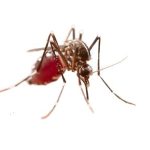
Malaria is caused by Plasmodium parasites, introduced into humans via bites from infected female Anopheles mosquitoes. After entering the body, the parasites migrate to the liver, where they multiply before infecting red blood cells, triggering fever and other symptoms.
Why Fever Occurs in Malaria
The fever associated with malaria is not random. It arises when infected red blood cells rupture, releasing parasites into the bloodstream, prompting the immune system’s response, leading to a sudden temperature spike.

Common Symptoms of Malaria: Fever
Malaria fever tends to follow cycles and may present with:
– Elevated body temperature (potentially very high)
– Severe chills and shivering
– Sweating after the fever subsides
– Headaches
– Nausea and vomiting
– Muscle and joint pain
– Extreme fatigue
Symptoms may recur every 24, 48, or 72 hours, depending on the type of malaria parasite involved.
Stages of Malaria Fever
A typical episode of malaria fever generally follows three stages:
1. Cold Stage:
– Intense chills
– Shivering
– Feeling very cold
2. Hot Stage:
– High fever
– Dry, hot skin
– Headaches and restlessness
3. Sweating Stage:
– Heavy sweating
– Temperature drop
– Temporary relief
Why Malaria Fever Needs Special Attention?
In contrast to mild fevers, malaria can rapidly escalate to severe cases if untreated, leading to complications such as
– Severe anemia
– Organ failure
– Cerebral malaria
Consequently, relying solely on home remedies can be risky. While natural treatments may help alleviate symptoms and aid recovery, proper medical care (antimalarial medications) is crucial for fully eradicating the infection.
Key Takeaway
Malaria fever is more severe and structured than typical fevers. Early recognition of symptoms, when combined with supportive home care and appropriate medical treatment, is the most secure and effective pathway to recovery.
Causes of Fever
Fever can arise from various conditions, most of which stem from the immune system’s response to infections or internal imbalances. Recognizing the underlying cause is vital in determining suitable treatment, whether at home or medically.
1. Infections (Most Common Cause)
Infections are the primary reason for fever, including:
– Viral infections: flu, the common cold, or viral fever
– Bacterial infections, such as typhoid or urinary tract infections
– Parasitic infections: particularly Malaria
When pathogens infiltrate the body, the immune system elevates body temperature to combat them.
2. Malaria
In areas like Nigeria, malaria is among the most frequent causes of fever. Spread through mosquito bites, it often shows:
– Cyclical fever
– Chills and heavy sweating
– Severe fatigue
Malaria-related fever calls for prompt diagnosis and adequate treatment.
3. Dehydration
Inadequate fluid intake can lead to heightened body temperatures. Dehydration affects temperature regulation, especially in warm climates.
Typical signs include:
– Dry mouth
– Fatigue
– Dizziness
4. Heat Exhaustion or Heatstroke
Exposure to high temperatures can cause the body to overheat, resulting in fever-like symptoms, commonly occurring when:
– Spending too much time in the sun
– Inadequate ventilation
– Engaging in intense physical activity in hot weather
5. Inflammatory or Immune Reactions
Occasionally, fever arises from internal bodily processes, such as:
– Autoimmune disorders
– Allergic responses
– Reactions post-vaccination
These reactions can energize the immune system, resulting in increased temperature.
6. Certain Medications
Some pharmaceuticals may induce fever as a side effect, known as drug-induced fever, which can occur with:
– Antibiotics
– Blood pressure meds
– Seizure treatments
7. Chronic Medical Conditions
Long-term illnesses can result in recurring or persistent fever, including:
– Specific cancers
– Ongoing infections
– Inflammatory diseases
Key Takeaway
Fever typically signals an underlying issue, most frequently an infection. While mild fevers can often be managed at home, determining the exact cause—especially in malaria cases—is crucial for effective treatment and recovery.

Home Remedies for Fever Relief
For mild to moderate fevers, simple home remedies can be effective in lowering body temperature, easing discomfort, and supporting your immune system. These remedies are especially valuable as first aid while monitoring symptoms or alongside prescribed treatments—particularly in malaria situations.
1. Stay Hydrated
One of the key steps to managing fever is ensuring adequate fluid intake.
Why it works:
– Prevents dehydration resulting from sweating
– Aides in body temperature regulation
– Promotes overall recovery
What to drink:
– Clean water
– Coconut water
– Herbal teas
– Fresh fruit juices
2. Cold Compress
Using a cold or wet cloth on the body can assist in lowering the temperature.
How to use:
– Place a chilly cloth on the forehead, neck, or armpits.
– Repeat multiple times throughout the day.
Benefit:
– Delivers swift, natural cooling comfort.
3. Ginger Tea
Ginger is renowned for its anti-inflammatory and immune-enhancing qualities.
How to prepare:
– Boil fresh ginger slices in water.
– Consume while warm.
Benefit:
– Aids in alleviating fever symptoms.
– Eases body aches and nausea.
4. Garlic
Garlic serves as a natural antimicrobial.
How to use:
– Crush fresh garlic and blend with warm water or food.
Benefit:
– Assists the body in combating infections.
– May enhance recovery speed.
5. Neem Leaves
Neem has been utilized in traditional medicine for ages, especially in areas prone to malaria.
How to use:
– Boil neem leaves and consume the water (in small quantities).
– Can also be used in baths.
**Benefit:**
– May aid in fever reduction and body cleansing.
6. Papaya Leaf Extract
Papaya leaves are often used to facilitate recovery from malaria and other infections.
How to use:
– Extract juice from fresh leaves and take in small doses.
Benefit:
– May improve platelet count.
– Supports immune health.
7. Lemon and Honey Drink
A straightforward and effective remedy for fever relief.
How to prepare:
– Combine warm water with lemon juice and honey.
Benefit:
– Enhances immunity.
– Keeps the body hydrated and energized.
8. Basil (Tulsi) Leaves
Basil leaves possess well-known medicinal and antibacterial effects.
How to use:
– Boil basil leaves in water and drink as tea.
Benefit:
– Helps to lower body temperature.
– Naturally combats infections.
9. Rest and Proper Sleep
Never underestimate the significance of rest.
Why it matters:
– Allows the body to concentrate on healing.
– Accelerates the recovery process.
10. Light Clothing and Cool Environment
Keeping the body cool can aid in effective fever management.
Tips:
– Wear light, airy clothing.
– Stay in a well-ventilated area.
Important Note
While these home remedies can provide symptomatic relief, they do not address serious infections. If the fever stems from conditions like malaria or persists over several days, seeking medical attention is vital.
Key Takeaway
Home remedies can effectively support the body during a fever by alleviating discomfort, preventing dehydration, and enhancing immunity. However, it’s essential to closely monitor symptoms and pursue medical care when required.
Best Home Remedies for Malaria Fever
When facing fever caused by malaria, home remedies can help alleviate symptoms and support recovery—but they should always complement appropriate antimalarial treatment, not serve as a substitute.
Here are some of the most effective traditional and natural remedies commonly found in regions like Nigeria.
1. Neem and Papaya Leaf Mixture
This is a favored traditional remedy for malaria symptoms.
How to use:
– Boil fresh neem and papaya leaves together.
– Cool and drink in small amounts.
Benefits:
– May lower fever.
– Supports the body in combating parasites.
– Traditionally believed to purify the blood.
2. Bitter Leaf Water
Bitter leaf is commonly used for mitigating malaria symptoms.
How to prepare:
– Thoroughly wash fresh bitter leaves.
– Squeeze out juice and mix with clean water.
Benefits:
– May reduce fever.
– Aids in digestion and detoxification.
– Contains substances that may help in fighting infections.
3. Ginger, Garlic, and Lemon Mix
An effective natural combination for boosting immunity.
How to prepare:
– Boil ginger and garlic together.
– Add lemon juice after slightly cooling.
Benefits:
– Reduces inflammation.
– Strengthens the immune system.
– Alleviates symptoms such as nausea and fatigue.
4. Papaya Leaf Juice
Widely utilized in support of malaria and dengue.
How to use:
– Extract juice from fresh papaya leaves.
– Take in small, measured amounts.
Benefits:
– May enhance platelet levels.
– Facilitates quicker recovery.
5. Herbal Teas (Lemongrass or Basil)
Natural herbal beverages can assist in managing fever symptoms.
How to use:
– Boil lemongrass or basil leaves.
– Drink while warm.
Benefits:
– Helps to decrease body temperature.
– Promotes relaxation and hydration.
6. Coconut Water
Staying hydrated is crucial during malaria.
Benefits:
– Replenishes lost fluids and electrolytes.
– Aids in mitigating weakness and fatigue.
– Supports overall recovery.
7. Adequate Rest and Warm Care
Malaria can significantly exhaust the body.
What to do:
– Ensure ample rest.
– Keep warm during chills.
– Avoid stress and excessive exertion.
Important Medical Warning
Home remedies are only supportive—they do not eradicate the malaria parasite. Without appropriate treatment, malaria can worsen and lead to severe complications.
Always seek medical assistance if you experience:
– Persistent high fever.
– Extreme weakness.
– Vomiting or inability to eat.
– Confusion or breathing difficulties.
Key Takeaway
Natural remedies like neem, bitter leaf, and papaya leaf can alleviate discomfort and support the body during malaria fever. However, the safest and most effective strategy is to pair these remedies with proper medical treatment for comprehensive recovery.

When to Consult a Doctor
While many fevers can be managed at home, certain situations necessitate immediate medical attention—especially when the fever is associated with infections like malaria. Understanding when to seek help can prevent complications and guarantee appropriate treatment.
1. Fever Persists Beyond 2–3 Days
If your fever does not improve after a few days, it might suggest a more serious underlying infection that requires medical assessment.
2. Extremely High Fever
Seek immediate medical attention if:
– Your temperature exceeds 39°C (102°F)
– The fever does not improve with basic home remedies
A high fever can pose risks and may require urgent intervention.
3. Severe Fever Symptoms
Be vigilant for serious symptoms such as:
– Continuous vomiting
– Intense headache
– Breathing difficulties
– Chest discomfort
– Extreme fatigue
These could indicate a critical health issue that requires urgent care.
4. Indicators of Severe Malaria
In areas like Nigeria, malaria can escalate quickly to a critical state. Seek immediate care if you notice:
– Disorientation or altered mental state
– Convulsions
– Jaundice (yellowing of the skin and eyes)
– Loss of appetite or inability to consume fluids
5. Fever in At-Risk Groups
Exercise additional caution for:
– Infants and toddlers
– Pregnant women
– Seniors
– Individuals with chronic health issues
These populations face a heightened risk of complications.
6. Persistent or Unexplained Fever
If your fever repeatedly returns or the cause is uncertain, consult a physician to eliminate the possibility of hidden infections or long-term conditions.
7. Signs of Dehydration or Poor Eating
Seek help if you experience:
– Severe thirst and dry mouth
– Minimal urination
– Difficulty keeping fluids down
Dehydration can exacerbate fever and hinder recovery.
Main Takeaway
Home treatments can be effective for mild fever, but they might not suffice. If symptoms persist, worsen, or if you observe warning signs—especially when malaria is suspected—getting medical assistance promptly is the best course of action.
Prevention Tips
Avoiding fever—particularly those tied to infectious diseases like malaria—is much more effective than treating it. By adopting the right habits and environment, you can significantly lower your risk of illness, especially in malaria-prone areas like Nigeria.
1. Utilize Mosquito Nets
Mosquito bites are the leading cause of malaria.
To protect yourself:
– Sleep under insecticide-treated mosquito nets
– Make sure nets are secured tightly at night
Advantage:
– Offers robust protection against mosquito bites
2. Maintain a Clean Environment
Stagnant water is where mosquitoes breed.
Preventive actions:
– Empty containers that hold water
– Clean gutters and drainage areas
– Keep your surroundings tidy
Advantage:
– Reduces the mosquito presence near your home
3. Apply Insect Repellents
Shield your skin from mosquito bites.
Options include:
– Mosquito creams or sprays
– Indoor insect sprays or coils
Advantage:
– Provides an extra layer of protection, especially during nighttime
4. Stay Hydrated
Adequate hydration aids your body in temperature regulation and maintains strength.
Tips:
– Drink sufficient water daily
– Boost fluid intake during hot weather
5. Practice Good Hygiene
Many fever-inducing infections spread due to poor hygiene practices.
Key habits:
– Wash hands frequently
– Keep food and water safe
– Maintain personal hygiene
6. Consume a Balanced Diet
A strong immune system helps fend off infections.
Include:
– Fruits and vegetables
– Protein-rich foods
– Whole grains
Advantage:
– Enhances your body’s resilience against illness
7. Avoid Excessive Heat Exposure
Extreme heat can lead to heat-related fevers.
What you can do:
– Remain in cool, well-ventilated areas
– Limit prolonged sun exposure
– Wear light clothing
8. Seek Prompt Treatment
If you notice early fever symptoms, don’t delay action.
Importance:
– Early diagnosis (especially for malaria) helps to avoid complications
– Facilitates quicker recovery
Main Conclusion
Preventing fever involves a mix of hygiene, environmental management, balanced nutrition, and protection against mosquito bites. By consistently applying these straightforward measures, you can significantly lower your risk of infections and maintain good health throughout the year.

FAQs: Home Remedies for Fever (Including Malaria)
Below are common questions people search for, with brief, informative answers. This section also enhances your SEO with keyword-rich content.
1. What’s the quickest way to reduce a fever at home?
Staying hydrated, using a cool compress, and resting are the best methods to quickly lower a mild fever naturally. Herbal teas such as ginger or basil are also beneficial.
READ ALSO: 10 Effective Tips to Prevent Malaria Fever Naturally and Savely
2. Can malaria be managed with home remedies?
Home remedies may alleviate malaria symptoms and aid recovery, but do not cure the disease. Timely medical treatment with antimalarial drugs is crucial.
3. How can I determine if my fever is caused by malaria?
Malaria fever often presents in cycles and includes chills, sweating, headaches, fatigue, and nausea. A clinic blood test is the only method for a conclusive diagnosis.
4. Which drinks help reduce fever quickly?
Options like water, coconut water, herbal teas (ginger, basil, or lemongrass), and warm lemon-honey drinks assist in maintaining hydration and can help bring down a fever.
5. Is it safe to manage fever at home without medication?
For mild fevers, home treatments can be both safe and effective. However, high or persistent fevers or those with serious origins like malaria need medical care.
6. What foods should I consume if I have a fever?
Opt for light, easy-to-digest options like pap (akamu), fresh fruits, vegetable soups, rice, and moderate amounts of protein. Steer clear of oily, sugary, or spicy foods.
7. Are herbal remedies safe for children with fever?
Some herbal remedies can be safely used in moderation, like ginger tea or basil infusion. Always consult a pediatrician before administering herbs or supplements to children.
8. How can I prevent malaria fever at home?
Employ insecticide-treated mosquito nets, eliminate standing water, wear protective attire, use repellents, and seek early medical care if symptoms arise.
9. When should I consult a doctor about a fever?
Consult a doctor if:
– Fever lasts for over 2–3 days
– Temperature exceeds 39°C (102°F)
– Serious symptoms appear (confusion, seizures, persistent vomiting)
– You suspect malaria or another severe illness
10. Does resting assist in fever reduction?
Yes. Resting allows your body to focus energy on combating the infection, which may help lower fever and speed up recovery.
Conclusion
Fever serves as a common symptom indicating that your body is fighting an infection, including diseases such as malaria. While mild fevers can frequently be managed safely at home, it’s crucial to keep a close watch on your symptoms and recognize when to seek medical help.
Effective home remedies, including staying hydrated, utilizing herbal teas, applying cold compresses, and consuming nourishing foods, can diminish discomfort, aid recovery, and enhance immunity. Age-old remedies like neem, papaya leaf, and bitter leaf can provide extra relief, particularly for fever caused by malaria—yet they should always be paired with appropriate antimalarial treatments to ensure full recovery.
Preventive strategies, such as good hygiene, mosquito mitigation, balanced nutrition, and prompt medical intervention, can greatly lower the risk of fever and safeguard your health. By integrating these natural approaches with timely professional care, you can manage fever effectively, support your body’s healing process, and promote overall well-being.