Pile Disease Pictures in Adults: Symptoms, Causes, and When to Seek Help
Introduction
Pile disease—also known as hemorrhoids—is one of the most common yet misunderstood health conditions affecting adults worldwide. Many people struggle with pain, itching, bleeding, and discomfort for months simply because they are unsure what piles look like or how serious their symptoms are. This is why pile disease pictures play an important role: they help adults recognize the condition early, understand what stage they may be experiencing, and know when it’s time to seek medical help.
Piles can appear in different forms—internal, external, thrombosed, or prolapsed—and each type has its own appearance and symptoms. In this guide, you’ll see how piles typically look in adults, the key signs to watch for, what causes them, and the treatment options available. Whether you’re experiencing discomfort or researching for someone else, this article will help you identify the condition quickly and confidently.
Let’s begin by understanding what pile disease really is and how it develops.

Pile Disease Pictures: What They Look Like
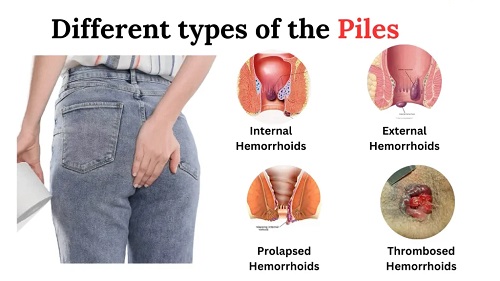
Understanding how pile disease (hemorrhoids) appears in real life can help adults identify the condition early and know which type they may have. Although piles look different based on their type and severity, most cases fall into four main categories: external, internal, thrombosed, and prolapsed piles. Below is a simple guide describing what these piles typically look like in pictures.
- External Piles Pictures
External piles are the most visible type. In pictures, they usually appear as:
- Small or medium-sized swollen lumps around the anal opening
- Skin-colored, pink, or slightly reddish bumps
- A cluster of one or more soft lumps
- Mild swelling or puffiness in the anal region
These piles are often associated with pain, itching, and discomfort, especially when sitting.
- Internal Piles Pictures
Internal piles are located inside the rectum, so they are not visible in pictures unless they have prolapsed. When shown in medical illustrations, they appear as:
- Swollen blood vessels inside the anal canal
- Smooth, bulging tissue lining the inner rectum
- Usually no external lump unless they are pushed out
Most people notice internal piles through bleeding, not appearance.
- Thrombosed Piles Pictures
Thrombosed piles are external hemorrhoids with a blood clot inside. In pictures, they are very distinct and often look like:
- A hard, painful lump near the anus
- Dark blue or purple swelling due to trapped blood
- Tight, shiny skin over the swollen area
- More severe inflammation than regular external piles
This type is usually very painful and requires quick treatment.
- Prolapsed Piles Pictures
Prolapsed piles occur when internal hemorrhoids push outward. In pictures, they typically appear as:
- Soft, moist, reddish or pink tissue protruding from the anus
- Bulging, grape-like masses
- May appear small (stage 1–2) or large and dangling (stage 3–4)
- Swelling increases when straining
Prolapsed piles can return inside the rectum on their own or may need manual pushing or medical treatment.
These descriptions help you understand how different types of piles appear so you can compare them with your symptoms. Next, we’ll look at the common symptoms adults experience and how to know if your condition is mild or severe.
Common Symptoms of Pile Disease
Pile disease (hemorrhoids) can cause a range of symptoms depending on the type and severity. Some people notice mild irritation, while others experience severe pain and bleeding. Recognizing these symptoms early can help you get proper treatment before the condition worsens.
- Early Symptoms
These are usually mild and easy to overlook:
- Itching or irritation around the anus
- Mild discomfort when sitting
- A feeling of fullness in the rectum
- Light bleeding during bowel movements (often seen as bright red blood on the tissue)
- Soft swelling or small lumps around the anus
Early symptoms often indicate internal or mild external piles.
- Moderate Symptoms
As piles worsen, symptoms become more noticeable and uncomfortable:
- Pain during bowel movements
- Visible lumps near the anus (external piles)
- Mucus discharge after bowel movements
- Burning sensation around the anal area
- Frequent itching that doesn’t improve
These symptoms may suggest inflammation or prolapse.
- Severe Symptoms
Severe or advanced piles come with significant discomfort and may require medical attention:
- Heavy or continuous bleeding
- Severe pain, especially with thrombosed piles
- Hard, tender lumps around the anus
- Difficulty sitting, walking, or moving comfortably
- Large prolapsed tissue hanging outside the anus
- Signs of infection, such as fever or pus
If you experience any of these severe symptoms, it’s important to seek medical help quickly to prevent complications.
Causes of Pile Disease in Adults
Pile disease develops when pressure builds up in the veins around the rectum and anus, causing them to swell and become inflamed. This pressure can come from many lifestyle habits, medical conditions, or natural body changes. Understanding these causes helps you prevent future flare-ups and manage symptoms effectively.
- Lifestyle Causes
These everyday habits are among the most common triggers:
- Low-fiber diet
Eating too much processed food or too little fiber leads to constipation, forcing you to strain during bowel movements. - Chronic straining on the toilet
Straining increases pressure on rectal veins, causing them to swell. - Sitting for long hours
Desk jobs or long driving hours reduce blood flow and put pressure on the anal area. - Dehydration
Drinking too little water makes stools hard and difficult to pass. - Lack of physical activity
Inactivity slows digestion and increases the risk of constipation and piles.
- Medical Causes
Certain medical conditions can also contribute to pile disease:
- Chronic constipation or chronic diarrhea
Both conditions increase irritation and pressure on rectal veins. - Pregnancy
Increased abdominal pressure and hormonal changes make piles very common in pregnant women. - Obesity
Excess body weight increases pressure on the lower abdomen and rectum. - Aging
Tissues supporting the anal veins weaken with age, making piles more likely.
- Other Contributing Factors
Other factors that increase the risk include:
- Genetics
If your parents had piles, you may be more prone to them. - Heavy lifting
Regularly lifting heavy objects puts sudden pressure on abdominal veins. - Anal intercourse
This can irritate or weaken the rectal tissues and veins.
These causes can occur alone or together, leading to different types of pile disease. Understanding what triggers your symptoms is the first step to preventing future flare-ups.
Treatment for Pile Disease
Treating pile disease (hemorrhoids) depends on the type, severity, and how long the symptoms have been present. Many adults find relief with home remedies, while more severe cases may require medical treatment. Below are the most effective options to help reduce pain, swelling, and discomfort.
- Home Remedies
These simple treatments can relieve mild to moderate piles and help prevent flare-ups:
- Warm sitz baths
Sitting in warm water for 10–15 minutes helps reduce swelling, itching, and irritation. - High-fiber diet
Eating more fruits, vegetables, oats, beans, and whole grains helps soften stool and reduces straining. - Increase water intake
Drinking enough water keeps stool soft and promotes healthy digestion. - Aloe vera gel
Has soothing and anti-inflammatory properties that help calm irritated skin. - Witch hazel compress
Helps shrink swollen veins and reduce itching. - Stool softeners
Make bowel movements easier and reduce pressure on the anal area.
- Over-the-Counter Treatments
These are helpful when home remedies are not enough:
- Hemorrhoid creams and ointments
Contain hydrocortisone to relieve itching and inflammation. - Medicated wipes
Soothe irritation and keep the area clean. - Suppositories
Useful for internal piles to soothe swelling and discomfort. - Pain relievers
Paracetamol or ibuprofen can help manage pain.
- Medical Treatments
If piles are severe, persistent, or extremely painful, a doctor may recommend:
- Rubber band ligation
A band is placed around the base of the pile to cut off blood supply, causing it to shrink. - Sclerotherapy
A chemical solution is injected to shrink the swollen veins. - Laser treatment
A modern, minimally invasive option to shrink or remove piles. - Hemorrhoidectomy (surgery)
Surgical removal for large or recurring piles, especially prolapsed or thrombosed ones. - Stapled hemorrhoidopexy
Used mainly for prolapsed piles, helping reposition tissue and reduce blood flow to the hemorrhoid.
These treatments range from simple home care to advanced medical options. The right choice depends on the severity of your symptoms and whether your piles keep returning.
When to Seek Medical Help
While many cases of pile disease improve with home remedies and over-the-counter treatments, some symptoms indicate that you need professional medical attention. Ignoring severe or persistent piles can lead to complications like infections, anemia, or extreme pain.
Seek medical help immediately if you notice any of the following:
- Severe or Persistent Pain
If your pain is intense, especially with a hard, purple or blue lump (thrombosed piles), you should see a doctor as soon as possible.
- Heavy or Continuous Bleeding
Bright red blood during bowel movements is common, but bleeding that is excessive, frequent, or does not stop requires medical evaluation.
- Prolapsed Piles That Don’t Go Back In
When piles remain outside the anus and cannot be manually pushed back, professional care is needed to prevent complications.
- Signs of Infection
Seek urgent help if you notice:
- Fever
- Pus discharge
- Increased redness or swelling
- Severe tenderness
These symptoms may indicate an abscess or infection.
- Symptoms Lasting More Than One Week
If itching, swelling, pain, or bleeding continues despite home treatment, a doctor can recommend stronger or more effective options.
- Difficulty Passing Stool
If piles are blocking the anal opening or causing severe discomfort during bowel movements, professional treatment may be necessary.
- Concerns About Another Health Condition
Sometimes bleeding or discomfort may be caused by conditions like fissures, polyps, or colorectal issues. A doctor can confirm the exact cause.
Knowing when to seek medical help ensures you get the right treatment early and avoid possible complications.
Prevention Tips for Adults
Preventing pile disease is often easier than treating it. Simple daily habits can reduce pressure on the rectal veins, improve digestion, and stop piles from developing or returning. Here are the most effective prevention tips for adults:
- Eat a High-Fiber Diet
Fiber softens stool and makes bowel movements easier. Include:
- Fruits (e.g., oranges, apples, berries)
- Vegetables (e.g., spinach, carrots, broccoli)
- Whole grains (e.g., oats, brown rice)
- Beans and lentils
Aim for 20–30 grams of fiber daily.
- Drink Plenty of Water
Hydration keeps stool soft and prevents constipation.
Drink 6–8 glasses of water a day or more if you live in a hot climate.
- Avoid Straining During Bowel Movements
Straining increases pressure on the veins around the anus.
Go to the toilet only when you feel the natural urge.
- Don’t Sit on the Toilet for Long
Using your phone for long periods in the toilet increases pressure on the rectal veins.
Keep toilet time short—no more than 5 minutes.
- Exercise Regularly
Walking, jogging, swimming, and yoga improve digestion and prevent constipation.
Aim for 20–30 minutes daily.
- Maintain a Healthy Weight
Excess weight increases pressure on abdominal and anal veins.
A balanced diet and regular exercise help reduce the risk.
- Avoid Heavy Lifting
If you must lift heavy objects, use proper posture to avoid straining your lower abdomen.
- Use Stool Softeners When Necessary
If you are constipated or taking medications that dry your stool, stool softeners can help prevent piles.
- Keep the Anal Area Clean
Gently wash the area daily and avoid harsh soaps that irritate the skin.
- Don’t Delay Bowel Movements
Holding stool for too long causes it to harden, making bowel movements painful and increasing the risk of piles.
These simple habits can significantly reduce your risk of developing pile disease or experiencing repeated flare-ups.
Conclusion
Pile disease (hemorrhoids) is a common condition that affects many adults, but early recognition and proper care can prevent severe discomfort and complications. By understanding what piles look like, knowing the key symptoms, and identifying the underlying causes, you can take steps to manage or even prevent them.
Mild cases often respond well to home remedies and lifestyle changes, while more severe piles may require medical treatments. It’s important to seek help if you experience severe pain, heavy bleeding, prolapsed tissue, or signs of infection.
READ ALSO: 7 Shocking Facts About Squint Eye In Children
Maintaining a high-fiber diet, staying hydrated, exercising regularly, and practicing healthy bowel habits are effective ways to protect yourself. Remember, early action and prevention are the best strategies for managing pile disease and maintaining your comfort and health.
Frequently Asked Questions (FAQs) About Pile Disease in Adults
- What do piles look like in adults?
Piles (hemorrhoids) can appear as swollen lumps around the anus, red or purple in color. External piles are visible, while internal piles may only be noticed when they prolapse or cause bleeding.
- What are the early signs of pile disease?
Early signs include mild itching, irritation, slight swelling, and light bleeding during bowel movements. Pain is usually minimal in the early stages.
- Can pile disease go away on its own?
Mild piles can improve with lifestyle changes, high-fiber diet, hydration, and home remedies. However, persistent or severe piles often require medical treatment.
- What causes piles in adults?
Common causes include chronic constipation or diarrhea, low-fiber diet, prolonged sitting, pregnancy, obesity, aging, and straining during bowel movements.
- How are piles treated?
Treatment ranges from home remedies (sitz baths, fiber-rich diet, stool softeners) to over-the-counter creams, and medical procedures like rubber band ligation, sclerotherapy, laser treatment, or surgery for severe cases.
- When should I see a doctor for piles?
Seek medical help if you experience severe pain, heavy bleeding, prolapsed piles that don’t retract, signs of infection, or persistent symptoms despite home care.
- Can piles be prevented?
Yes. Preventive measures include eating a high-fiber diet, drinking plenty of water, exercising regularly, avoiding straining, maintaining a healthy weight, and practicing good bowel habits.
- Are piles dangerous?
Piles are usually not life-threatening, but severe or untreated cases can cause complications such as thrombosis, anemia, or infection. Early treatment prevents most complications.
- Do piles always require surgery?
No. Most piles can be managed with lifestyle changes, home remedies, or minor medical procedures. Surgery is reserved for severe, recurrent, or prolapsed piles.
- Can internal piles be seen in pictures?
Internal piles are usually not visible unless they prolapse. Medical illustrations and endoscopic images can help identify them, while external piles are easier to see in real-life pictures.
Originally posted 2025-11-23 17:02:48.