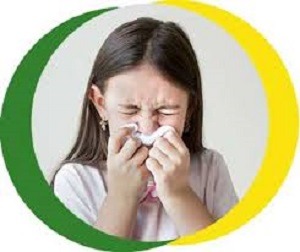
Home Remedies for Common Cold and Cough: Quick and Effective Natural Relief
Introduction The common cold and cough rank among the most prevalent health issues faced by both adults and children throughout the year. Triggered by factors like abrupt weather shifts, dust exposure, or viral entities such as Rhinovirus, these ailments can hamper daily routines, leading to feelings of fatigue, congestion, and overall discomfort.
Although there are numerous over-the-counter options, many individuals opt for natural remedies that are safe, economical, and easily crafted at home. Generations have relied on these home treatments to alleviate symptoms such as sore throat, nasal blockage, and nagging coughs—often using basic ingredients available in your kitchen.
This article will introduce you to effective home remedies for combating cold and cough symptoms naturally. Additionally, you’ll learn when it’s best to treat these conditions at home and when to consult a healthcare professional.
sore throat remedies
What is the common cold?
The common cold is a mild viral infection primarily affecting the nose and throat. It stands as one of the most widespread illnesses worldwide, often appearing at any time, though it’s more common during colder months or rainy spells.
The primary cause is viruses, particularly Rhinovirus, which spreads swiftly through tiny droplets released by an infected individual when they cough, sneeze, or talk. You can also contract a cold by touching contaminated surfaces and then touching your face.
While the common cold is generally harmless, it may produce symptoms such as runny nose, sore throat, sneezing, congestion, and coughing. Most individuals recover within a week to ten days without needing medical intervention.
What Triggers a Cough?
Coughing serves as a natural reflex designed to clear the airways of mucus, irritants, or foreign substances. It often accompanies the common cold but can arise from various factors. There are two primary classifications of cough: – Dry cough: This type does not produce mucus and is frequently connected to throat irritation or viral infections. – Wet (productive) cough: This cough generates mucus and assists in clearing the lungs and airways.
Common triggers of cough include: – Viral infections like the common cold – Allergies (dust, pollen, smoke) – Respiratory infections – Environmental irritants
In some cases, a chronic cough may indicate more serious conditions like bronchitis or pneumonia, particularly if it persists for several weeks or comes with symptoms such as fever, chest pain, or breathing difficulties.
Common Symptoms of Cold and Cough
Symptoms of cold and cough can range from mild to moderate based on the underlying cause and your immune response. They typically develop gradually and might include: – Runny or clogged nose – Sneezing – Sore or scratchy throat – Mild headache – Body fatigue – Low-grade fever – Persistent coughing (dry or wet)
These symptoms are often linked to the common cold and generally subside within a few days. Nevertheless, appropriate care and the application of effective home remedies can accelerate recovery and enhance comfort.
Top Home Remedies for Common Cold and Cough
natural remedies for common cold
Natural remedies can provide quick and effective relief from cold and cough symptoms without the side effects associated with medications. Here are some of the most reliable and easy-to-use home treatments:
1. Honey and Warm Water Known for its soothing and antimicrobial qualities, honey makes a wonderful natural remedy. How to Use – Combine 1 tablespoon of honey into a glass of warm water – Consume this mixture 2–3 times a day Benefits: – Cats and soothes the throat – Reduces nighttime coughing – Boosts immune function Avoid giving honey to infants under 1 year.
2. Ginger Tea Ginger possesses anti-inflammatory and antioxidant properties that can ease throat irritation and congestion.
How to Use: – Boil fresh ginger slices in water for 10 minutes – Add honey or lemon for enhancement – Sip while warm Benefits: – Soothes sore throat – Aids in breaking down mucus – Mitigates coughing
3. Steam Inhalation Steam therapy is effective for relieving nasal congestion and facilitating easier breathing. How to Use: – Boil water and transfer it to a bowl – Cover your head with a towel and inhale the steam for 5–10 minutes **Benefits**: – Clears blocked nasal passages – Reduces mucus accumulation – Provides immediate congestion relief
4. Garlic Garlic is rich in natural antibacterial and antiviral properties that combat infections. How to Use: – Crush 1–2 cloves of garlic and mix them into warm water or food – Consume daily Benefits: – Enhances immunity – Aids quicker infection recovery
5. Lemon and Warm Water Lemon, high in vitamin C, helps fortify the immune system. How to Use: – Combine fresh lemon juice with warm water – Add honey for extra benefits Benefits: – Supports body detoxification – Eases throat irritation – Promotes faster healing
6. Turmeric Milk (Golden Milk) Turmeric is well-known for its anti-inflammatory and healing qualities. How to Use: – Mix ½ teaspoon of turmeric into a cup of warm milk – Drink before bedtime Benefits: – Alleviates throat inflammation – Eases coughs – Fosters better sleep
7. Saltwater Gargle An uncomplicated but effective remedy for throat irritation. **How to Use**: – Combine ½ teaspoon of salt in warm water – Gargle 2–3 times per day Benefits: – Diminishes throat swelling – Assists in bacterial elimination – Relieves discomfort
Best Remedies for Children vs. Adults
Certain remedies are not appropriate for everyone, particularly younger children. For Children: – Warm fluids (soups, herbal teas) – Steam inhalation (with adult supervision) – Saltwater gargle (for older kids) Do not give honey to infants under 1 year.
For Adults: – The remedies listed are usually safe – Multiple remedies can be combined for quicker relief
best home remedies for cold and cough in adults
Foods to Consume When You Have a Cold and Cough
Your nutrition significantly impacts your recovery. Recommended Foods: – Warm soups and broths – Fruits high in vitamin C (oranges, lemons, pineapples) – Herbal teas – Light, easily digestible meals
Foods to Avoid: – Cold beverages – Fried and greasy foods – Processed sugary items
Lifestyle Tips for Quicker Recovery
Recovering from cold and cough symptoms effectively involves not just remedies but also supporting your body with healthy daily habits. These lifestyle changes can notably enhance healing and alleviate discomfort.
1. Get Ample Rest Your body requires energy to ward off infection. – Strive for at least 7–9 hours of sleep – Limit strenuous activities while unwell – Allow short naps if necessary
2. Stay Hydrated Proper hydration helps thin mucus and keeps the throat moist. – Regularly drink warm fluids – Include herbal teas, soups, and broths in your intake – Steer clear of dehydrating beverages like alcohol and excessive caffeine.
3. Maintain Your Body’s Warmth Exposure to cold can exacerbate symptoms. – Wear warm clothing – Utilize blankets during rest periods – Steer clear of rapid temperature shifts
4. Create a Humid Environment Dry air can irritate your throat and nasal passages. – Try steam inhalation or a humidifier – Spend a few minutes in a steamy bathroom
5. Consume Light and Nutritious Meals Your body requires nutrients for recovery. – Opt for easily digestible foods like soups and fruits – Incorporate immune-boosting items (garlic, ginger, citrus) – Avoid rich, greasy meals
6. Steer Clear of Irritants Environmental factors can worsen coughing and impede recovery. – Stay away from dust and smoke – Sidestep strong fragrances and chemicals – Ensure proper airflow indoors
7. Practice Good Hygiene Prevent spreading the common cold to others and reduce the risk of reinfection. – Wash hands consistently – Use clean tissues for sneezes or coughs – Sanitize commonly touched surfaces regularly
8. Elevate Your Head When Sleeping This small adjustment can alleviate nighttime coughing. – Use an extra pillow for slight elevation – Helps minimize mucus buildup in the throat
9. Limit Talking and Throat Strain Excessive talking can further irritate your throat. – Limit voice usage as much as possible – Avoid shouting or lengthy conversations
10. Manage Stress and Relax Stress can compromise your immune response and prolong recovery. – Engage in deep breathing or gentle relaxation exercises – Listen to soothing music or rest quietly
Integrating these lifestyle habits along with effective home remedies can expedite recovery, enhance comfort, and lower the risk of complications.
When to Consult a Doctor
While most colds and coughs are mild and self-limiting, certain circumstances warrant medical evaluation. Ignoring red flags can lead to more significant issues developing.
1. Symptoms Persist Longer Than Anticipated – Cold symptoms lingering beyond 7-10 days – Cough lasting longer than 2-3 weeks This may signal a secondary infection or a condition like bronchitis.
2. Persistent or High Fever – Fever exceeding 38.5°C (101.3°F) – Fever that remains unchanged after several days A sustained high fever may indicate a more serious infection, such as pneumonia.
3. Breathing Difficulties – Experiencing shortness of breath – Wheezing or chest tightness These signs require prompt medical care and should not be self-managed.
4. Severe or Intensifying Cough – Cough producing thick yellow, green, or bloody mucus – Chest discomfort when coughing This could indicate complications that extend beyond a standard cold.
5. Ongoing Chest Pain Any unexplained chest discomfort necessitates evaluation by a healthcare provider, particularly if it intensifies with breathing or coughing.
6. Symptoms in High-Risk Individuals Seek medical attention promptly if the affected individual is: – A child under 5 – An elderly person – Pregnant – Dealing with chronic health issues (e.g., asthma, diabetes)
7. Signs of Dehydration or Exhaustion – Dizziness – Decreased urination – Extreme tiredness These signs suggest the body is struggling to manage the illness.
8. Frequent Cold and Cough Regular occurrences may indicate a weakened immune system or an underlying health issue that requires assessment.
Final Note Home remedies can effectively manage mild symptoms, but they are not a replacement for professional medical advice when symptoms become severe or persistent. Early assessment and treatment can prevent complications and promote quicker recovery.
home remedies for cold and cough in Nigeria
Prevention Strategies
Preventing colds and coughs is more effective—and economical—than treating them. Given that the common cold transmits easily, especially in crowded spaces, adopting straightforward daily habits can significantly lower your risk.
1. Regular Handwashing Consistent hand hygiene is one of the most effective methods to avoid infections. – Wash hands with soap and water for at least 20 seconds – Clean hands after coughing, sneezing, or when in public settings
2. Avoid Close Contact with Infected Individuals Cold viruses disperse through airborne droplets. – Maintain a safe distance from anyone coughing or sneezing – Refrain from sharing personal items like cups, towels, or utensils
3. Uphold Good Respiratory Hygiene – Cover your mouth and nose with a tissue or elbow when you cough or sneeze – Dispose of tissues right after use – Wash your hands afterward
4. Naturally Boost Your Immune System A robust immune system helps fend off viruses like Rhinovirus. – Eat vitamin C-rich fruits (oranges, lemons) – Include vegetables, garlic, and ginger in your meals – Stay physically active
5. Stay Hydrated Drinking sufficient water assists your body in detoxifying and maintains overall health. – Aim for 6-8 glasses of water daily – Include warm liquids like herbal teas
6. Ensure Adequate Rest and Sleep Insufficient sleep can weaken your immune defenses. – Target 7-8 hours of quality rest each night – Rest more if you observe initial symptoms
7. Keep Your Surroundings Tidy – Regularly clean frequently touched items (phones, door handles) – Ensure proper ventilation in your living space
8. Limit Exposure to Cold and Dust – Protect yourself in cold or rainy weather – Avoid dusty conditions or wear a face mask if needed
9. Quit Smoking and Avoid Secondhand Smoke Smoke aggravates the throat and undermines lung health, increasing your vulnerability to coughs and infections.
10. Address Stress Levels Chronic stress can compromise your immune defenses. – Utilize relaxation strategies like deep breathing – Participate in activities that promote relaxation
By consistently implementing these prevention strategies, you can decrease your likelihood of developing colds and coughs while promoting overall health.
FAQs (SEO Boost Section)
1. What is the quickest home remedy for cold and cough? Honey combined with warm water and ginger tea are among the swiftest remedies. They help soothe the throat, diminish coughing, and support faster recovery.
2. Can I manage cough without medication? Yes, mild coughs can often be addressed with natural methods such as steam inhalation, warm beverages, and herbal teas without requiring medication.
3. How long does a common cold typically last? The common cold generally lasts from 7 to 10 days, although some symptoms like cough may persist longer.
4. Is ginger effective for cough? Absolutely, ginger possesses anti-inflammatory properties that can reduce throat irritation and ease coughing.
5. Can colds and cough resolve independently? Yes, the majority of cases clear up naturally as your immune system combats the infection.
6. What should I avoid during a cold and cough? Avoid cold drinks, fried foods, smoking, and exposure to dust or potent odors, as these can aggravate symptoms.
7. Are home remedies safe for children? Yes, but with care. Remedies such as warm fluids and steam inhalation are safe; however, avoid honey for children under 1 year and supervise any treatments.
home remedies for common cold and cough
8. When should I be concerned about a cough? Be cautious if your cough extends beyond 2 weeks, worsens, or is accompanied by symptoms like chest pain, high fever, or trouble breathing, as this may indicate issues like bronchitis or pneumonia.
9. Does drinking warm water assist with cold and cough? Yes, warm water soothes the throat, helps loosen mucus, and keeps you hydrated, all of which support faster recovery.
10. How can I frequently prevent cold and cough? Enhance your immune system through a healthy diet, maintain hygiene, minimize contact with sick individuals, and stay warm in colder weather.
Home remedies provide a simple, natural, and effective way to alleviate the symptoms of colds and coughs. Utilizing ingredients like honey, ginger, garlic, and turmeric can relieve discomfort, enhance your immune system, and accelerate recovery without heavy reliance on medications.
However, always heed your body’s signals. If symptoms persist or worsen, promptly seek medical attention. A balanced strategy that combines natural remedies with sound health practices is the most effective route to maintaining health and ensuring swift recovery.