Squint Eye in Children: Causes, Symptoms, and Early Treatment Advice
Introduction A squint eye, formally known as strabismus, refers to a condition in which the eyes do not align perfectly when focusing on an object. While one eye may look straight ahead, the other could turn inward, outward, upward, or downward. This misalignment is one of the most prevalent vision issues in children, and if not addressed, it could impact a child’s eyesight as well as their self-esteem, coordination, and ability to learn.
Parents also feel anxious when they see that their child’s eyes are not aligned properly. Fortunately, squint eye in children is treatable, particularly when diagnosed early. With appropriate evaluation and management, the majority of children can regain normal vision and eye coordination.
In this article, we’ll cover essential information about squint eye in children—discussing its causes, symptoms, and early intervention strategies. You will also discover how to identify warning signs, what treatment options are available (both surgical and non-surgical), and when it’s crucial to consult an eye care professional.
By gaining an early understanding of this condition, you can take proactive measures to safeguard your child’s eyesight and encourage healthy visual development.
Strabismus in children
What Is a Squint Eye (Strabismus)?
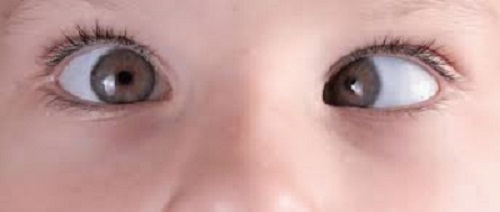
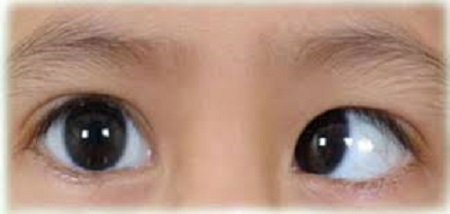
A squint eye, or strabismus, is a condition characterized by misalignment between the two eyes; they do not focus in the same direction on an object. While one eye gazes straight ahead, the other may turn inward (esotropia), outward (exotropia), upward (hypertropia), or downward (hypotropia).
In a normal visual scenario, both eyes collaborate to focus on the same target. The brain receives two similar images from each eye, merging them into a single clear, three-dimensional visual. However, with misaligned eyes, the brain struggles to blend these images accurately. To avoid double vision, it might ignore or suppress the image from the misaligned eye, potentially leading to lazy eye (amblyopia) over time—a condition marked by a reduceda reduced vision in the weaker eye.
Squint eye can be constant (always present) or intermittent (appearing at specific times, such as when a child is fatigued or engaged in near tasks). It may affect one eye or alternate between both.
While squinting can often be apparent, particularly when a child looks in different directions, some mild cases may go undetected without an eye examination. This emphasizes the importance of early detection and routine eye evaluations—the sooner strabismus is recognized, the better the odds of achieving full visual correction.
Common Causes of Squint Eye in Children
Squint eye (strabismus) can arise from various factors in children. Typically, it stems from issues related to the coordination of eye muscles, nerves, or the brain. Recognizing these causative factors can assist parents in identifying risk elements early and seeking necessary interventions.
Here are the primary causes of squinting in children: 1. Muscle Imbalance Six muscles that must function in harmony to maintain alignment and movement control of each eye. If certain muscles are weaker or stronger than optimal, it can cause the eyes to misalign, hampering simultaneous focusing on the same target.
2. Refractive Errors (Hyperopia or Long-Sightedness) Long-sighted children may find it challenging to see clearly without straining their vision. This additional effort can prompt one eye to turn inward, particularly when reading or viewing nearby objects. Glasses can help to balance focus and alleviate strain, potentially improving alignment over time.
3. Genetic Factors or Family History Strabismus can run in families. If a parent or close relative has had squint, lazy eye (amblyopia), or vision problems, the child may face an elevated risk of similar issues. This underscores the importance of routine eye exams for early detection.
4. Neurological or Brain Disorders In certain cases, strabismus may be associated with neurological conditions that affect eye muscle control. Disorders like cerebral palsy or Down syndrome can heighten the likelihood of strabismus, though this occurrence is less frequent.
5. Eye Injury or Trauma An injury that damages the muscles or nerves responsible for eye movement may result in squinting. While uncommon in children, immediate medical attention is vital after any eye trauma.
6. Premature Birth or Low Birth Weight Babies who are born prematurely or with low birth weight are more susceptible to developmental issues that affect their eyes and brain. These children may carry a heightened risk for strabismus and related vision complications, warranting regular eye assessments by an ophthalmologist.
7. Unknown Causes (Idiopathic Cases) In many instances, the precise cause of squint eye in children is unclear. These idiopathic cases still necessitate attention, as early treatment can prevent long-term vision complications, regardless of whether a specific cause is identified.
In summary, a variety of underlying factors can lead to squint eye, from muscular discrepancies to genetic conditions. The crucial message for parents is that timely diagnosis and intervention lead to the best outcomes for healthy vision development.
Early Symptoms and Warning Signs for Parents to Monitor
Recognizing the early causes of a squint eye (strabismus) in children greatly influences treatment efficacy. Some signs may be subtle, while others can be more apparent. Identifying the condition promptly can simplify correction efforts and prevent irreversible vision issues like lazy eye (amblyopia).
Here are the most common symptoms and warning signs to be vigilant for: 1. Misaligned Eyes The most discernible symptom is when your child’s eyes do not align in the same direction. One eye may turn inward, outward, upward, or downward, while the other looks straight ahead, either continuously or at specific times, such as when fatigued or focused on near tasks.
2. Frequent Squinting or Eye Closure If your child often squints, closes one eye, or covers one eye to enhance their vision, it could indicate improper cooperation between the eyes. This is especially noticeable in bright sunlight or when trying to focus on distant objects.
3. Head Tilting or Turning Children with squint often tilt or turn their head to one side to counteract double vision or poor depth perception resulting from misalignment.
4. Blurred or Double Vision Complaints Older children may experience double vision or blurred sight. Younger children, lacking the vocabulary to describe their experience, may signal confusion or frustration while attempting to focus.
5. Struggles with Object Focus A child with strabismus may find tracking moving objects challenging or have difficulty shifting focus between near and distant items. You might observe decreased interest in activities requiring close attention, such as reading, drawing, or puzzles.
6. Frequent Eye Rubbing or Strain If your child rubs their eyes often, especially during visual tasks like watching television or reading, it may suggest eye strain linked to misalignment or difficulty in focusing.
7. Reduced Depth Perception or Clumsiness Children with squint eyes often experience lower depth perception, complicating distance judgment. They may seem clumsy, regularly bumping into things or having trouble with activities such as catching a ball.
8. Asymmetrical Reflections in Images Occasionally, a squint can be detected in photographs where the light reflection (such as red-eye or a flash) doesn’t align equally in both eyes, serving as an early visual indicator for parents.
Identifying these initial signs and arranging an eye exam promptly can mitigate potential long-term vision issues. Even if your child’s eyes seem healthy, regular eye assessments—particularly before they start school—are critical for spotting problems that may be invisible to the naked eye.
How Squint Eye Is Diagnosed in Children
To diagnose a squint eye (strabismus) in children, a thorough eye exam by a qualified eye professional (ophthalmologist or optometrist) is essential. Early identification is crucial—prompt detection enhances chances of correcting eye alignment, thereby preventing long-term vision complications or lazy eye (amblyopia).
Here’s what the assessment process generally involves: 1. Medical and Family History Review The eye specialist will commence by inquiring about your child’s medical history, including any complications during pregnancy or birth, developmental milestones, and any known family history of eye disorders like squint or lazy eye. Discovering a genetic connection can offer insights into the condition’s origins.
2. Visual Acuity Test This evaluation assesses how well your child sees at varied distances. For older children, it might require reading letters or symbols on a chart, while younger ones may undergo picture or light assessments to evaluate visual clarity and eye coordination.
3. Eye Alignment and Movement Tests The doctor will examine how your child’s eyes coordinate movement and focus together. Common evaluations include: • The Cover Test: One eye is occluded as the child fixates on a target, and movements of the uncovered eye are monitored for misalignment. • The Hirschberg (Light Reflex) Test: A light is directed into both eyes to observe if reflections are consistent in both. Discrepancies may suggest strabismus. • Prism Test: Specific lenses (prisms) gauge the extent of deviation or misalignment between the eyes.
4. Refraction Test This assessment determines if your child has refractive issues like hyperopia (long-sightedness), myopia (short-sightedness), or astigmatism—all contributing factors to squinting. If such errors are identified, corrective glasses may be recommended as initial treatment.
5. Eye Health Examination The specialist may use eye drops to dilate the pupils, allowing a comprehensive view of the retina and optic nerve. This process helps exclude any underlying conditions or structural anomalies causing misalignment.
6. Neurological Evaluation (If Needed) In rare instances, if the squint appears linked to neurological concerns, the doctor may suggest further assessments, including neurological examinations or imaging (MRI/CT scans), to examine the control of eye muscles.
Why Early Diagnosis Matters
An early diagnosis of squint eye—ideally before the ages of 6 or 7—significantly boosts successful treatment chances. Younger children have a more adaptable visual system, making it easier to train both eyes to cooperate effectively. If untreated, strabismus can result in lazy eye, impaired depth perception, and permanent vision imbalance, negatively influencing academic performance and self-esteem later on.
By scheduling routine eye checkups, particularly if you observe signs of misalignment or focusing difficulties, you can facilitate early detection and intervention, laying the foundation for a lifetime of healthy vision.
Squint Eye in Children
Early Treatment Options for Squint Eye in Children
Treating a squint eye (strabismus) in children is contingent upon the root cause, nature of misalignment, and the child’s age. The primary objective is to realign the eyes, enhance binocular vision (the ability for both eyes to work jointly), and prevent lazy eye (amblyopia).
Moreover, early intervention yields the best outcomes—children’s developing visual systems are often more responsive to corrective measures. Here are the most effective and frequently recommended treatment strategies for squint eye in children:
1. Corrective Glasses For many children, particularly those with refractive errors like long-sightedness (hyperopia), wearing prescribed glasses offers significant assistance. • Glasses lessen the strain needed for focusing, promoting natural eye alignment. • In some cases, the right glasses may completely rectify a mild squint. • The ophthalmologist will consistently evaluate progress and modify the prescription as necessary.
2. Eye Patching Therapy (Occlusion Therapy) Eye patching stands as one of the most effective non-invasive treatments, especially for cases of lazy eye (amblyopia). • The stronger eye is occluded with a patch for several hours daily, compelling the weaker eye to exert more effort. • Over time, this method bolsters the weaker eye’s vision and restores equilibrium between both eyes. • Parental consistency, encouragement, and patience are essential for optimal outcomes.
3. Eye Exercises (Vision Therapy) Vision therapy encompasses specialized eye exercises designed to enhance coordination and focus. • Activities may include exercises that train the eyes to move and track together. • These are typically conducted under the supervision of an optometrist or vision therapist. • This form of therapy is particularly effective for intermittent squints or those arising from mild muscle imbalances.
4. Prism Lenses In certain cases, specialized prism lenses may be incorporated into glasses to assist in aligning the eyes by altering light entry. • These lenses minimize double vision and facilitate cooperative functioning of the eyes. • They are often applied as part of a comprehensive treatment regimen for moderate squints.
5. Botox Injections Botulinum toxin (Botox) may serve as a temporary measure for treating squint in select cases. • It weakens an overactive eye muscle, enabling natural realignment of the eyes. • Effects typically persist for a few months, during which some children may achieve permanent alignment. • This offers a less intrusive alternative to surgery, though it may not be suitable for every individual case.
6. Squint Eye Surgery When alternative treatments fail to correct the misalignment, surgical intervention may be advised. • The surgical procedure adjusts the eye muscles—either by shortening, lengthening, or repositioning—to promote coordinated eye movement. • Typically, this is a brief and safe operation performed under general anesthesia. • Most children experience a quick recovery, though some may still require glasses or therapy afterward for vision refinement.
7. Regular Follow-Up and Monitoring Even post-treatment, routine follow-ups remain crucial. • Eye alignment can shift as the child develops, necessitating adjustments in glasses or exercises. • Ongoing monitoring ensures enduring results and averts recurrence.
Combination Therapy for Optimal Results
Frequently, the most effective treatment strategies involve a blend of methods—for instance, combining glasses with patching or utilizing surgery followed by vision therapy. Timely and consistent treatment maximizes chances of achieving normal alignment and averting complications in the future.
Prompt care not only enhances your child’s vision but also fosters confidence, learning, and overall growth. Thanks to contemporary medical and non-invasive approaches, most children with squint eyes can attain clear, balanced, and comfortable vision.
Can Squint Eye Self-Correct?
Many parents ponder whether a squint eye (strabismus) in children can resolve itself over time, particularly if the misalignment appears mild or infrequent. While the hope that a child will “outgrow” the condition is natural, most squint eyes require appropriate treatment to correct themselves.
When a Squint Might Improve on Its Own
In some very mild or intermittent cases, the squint may appear to fluctuate—showing up primarily when the child is fatigued, unwell, or distracted. • Such instances may seem to improve as the child matures and gains greater control over their eye movements. • Nonetheless, even in mild scenarios, it’s vital to have an eye professional assess the child to determine if professional intervention or vision exercises are warranted.
Why Treatment Is Essential for Most Cases
Most squints result from muscle imbalances, refractive errors, or neurological factors that don’t resolve on their own. Without accurate diagnosis and treatment: • The brain may disregard input from the misaligned eye to avoid experiencing double vision. • This can lead to lazy eye (amblyopia), where the neglected eye weakens over time. • If not addressed, the child could suffer from impaired depth perception and binocular vision (the ability to use both eyes simultaneously). In essence, waiting for a squint to self-correct can exacerbate the issue, making it more challenging to address later.
The Significance of Early Intervention
The development of the visual system accelerates during early childhood, usually until around age 7 or 8. Addressing a squint within this crucial period maximizes the chances of full recovery. Once the visual pathways mature, it becomes significantly more difficult to retrain the brain and eyes to cooperate effectively.
Steps for Parents If you observe any signs of misalignment in your child’s eyes, don’t delay in checking for self-resolution. Instead: • Book an eye examination with a pediatric ophthalmologist or optometrist. • Adhere to the suggested treatment plan, which may include glasses, patching, or specific exercises. • Evaluate progress regularly, as children’s eyes can change quickly as they grow.
In conclusion, while some mild squint cases may seem to improve on their own, most require professional intervention to achieve proper correction. The encouraging news is that early diagnosis combined with appropriate care can help most children restore normal eye alignment and vision, paving the way for a confident and bright future.
When to Consult a Doctor
Knowing when to seek medical assistance for your child’s eyes can be crucial in distinguishing between a temporary issue and a potential long-term vision disorder. A squint (strabismus) may start subtly, only noticeable in certain lighting conditions or when your child is fatigued; however, early professional evaluation is vital for effective treatment and a full recovery. Here are clear indicators that warrant scheduling an appointment with an eye specialist (pediatric ophthalmologist or optometrist):
1. Visible Eye Misalignment If your child’s eyes sometimes do not align — even occasionally — it’s a key sign that requires a professional check. A visible shift in one eye, whether inward, outward, upward, or downward, should always prompt a consultation.
2. Regular Eye Closing or Squinting If your child frequently closes or shields one eye to see better, particularly in bright light or while reading, it may suggest the eyes are not functioning together effectively.
3. Habitual Head Tilting or Turning Children with squints may tilt or turn their heads to correct their vision. If you observe your child doing this repeatedly, it’s important to seek an eye evaluation.
4. Complaints of Blurred or Double Vision If your child reports seeing double or having blurry vision, take this seriously. These symptoms can mean that the eyes are misaligned or have difficulty focusing together.
5. Family History of Eye Issues If there’s a family history of strabismus, lazy eye, or significant vision problems, your child may be at an increased risk of developing similar conditions. Even without any visible symptoms, you should highly recommend regular eye exams.
6. Challenges with Reading or Schoolwork A child who finds it hard to read, concentrate, or follow moving text may be dealing with eye coordination issues related to squinting. Teachers often notice these problems before parents, so it’s vital to consider their feedback.
7. Concerns Related to Premature Birth or Development If your child was born prematurely, had a low birth weight, or experiences developmental delays, they’re at increased risk for vision issues and should have regular eye screenings from infancy.
Causes of squint eye
Why Timely Medical Attention Is Crucial
Early detection allows healthcare providers to: • Correct eye alignment before the brain adapts to the imbalance. • Prevent lazy eye (amblyopia) or permanent vision impairment. • Ensure healthy depth perception and visual coordination. Even if your child’s eyes appear to align most of the time, an eye examination can uncover latent or intermittent squints that may still impact vision.
Recommended Eye Checkup Frequency for Children • Infants (under 1 year): At least one eye screening during the first year. • Preschoolers (ages 3–5): A comprehensive exam before school entry. • School-age children: Every 1–2 years, or sooner if any symptoms arise.
In summary, don’t assume your child will outgrow a squint. If you observe any irregularities in how your child looks at or follows objects, don’t hesitate—schedule an eye exam. Early intervention can safeguard your child’s vision and promote healthy visual development for years to come.
When to Consult an Eye Specialist
Although mild or occasional eye turning in infants can be normal as their eye muscles mature, persistent misalignment should always be addressed. Early assessment by an eye professional (ophthalmologist or pediatric optometrist) is crucial for accurate diagnosis and treatment.
You should make an appointment promptly if you notice any of the following: • Your child’s eyes consistently turn in different directions. • The squint appears suddenly or becomes more pronounced. • Your child complains of double vision or blurred sight. • One eye appears lazy or shows reduced movement compared to the other. • Your child frequently tilts their head to focus on objects. • The squint persists beyond six months of age in infants.
An early eye evaluation can help identify not only strabismus but also related vision problems like amblyopia (lazy eye), refractive errors, or depth perception difficulties. Swift treatment of these conditions significantly enhances the chances of complete visual recovery and prevents long-term visual impairment.
Diagnosis: How Squint Eye Is Identified in Children
Diagnosing squint eye (strabismus) in children involves a thorough eye examination performed by a pediatric ophthalmologist or optometrist. Timely and accurate diagnosis is crucial for determining the type, cause, and severity of the squint and for establishing the most effective treatment plan. Here’s an overview of the diagnostic process:
1. Medical and Family History The eye doctor will start by gathering information regarding your child’s health history, birth details, and familial background. Since squint could be hereditary or associated with medical conditions such as premature birth or developmental delays, this data aids in highlighting potential risk factors.
2. Visual Acuity Test This assessment evaluates how well your child sees at various distances. Depending on their age, doctors will use suitable charts—either picture or letter charts—to assess any blurred or diminished vision, particularly in one eye.
3. Eye Alignment and Movement Tests The specialist will conduct straightforward observation and light tests to evaluate how the eyes move in unison and whether one eye deviates while focusing. These assessments help determine whether the squint is consistent or intermittent.
4. Refraction Test (Identifying Refractive Errors) A refraction test is conducted to detect nearsightedness, farsightedness, or astigmatism, which can lead to or exacerbate squinting issues. Children may receive eye drops to dilate their pupils for precise results.
5. Binocular Vision Assessment This test assesses how well both eyes collaborate. Poor coordination typically suggests strabismus and helps in determining if your child possesses normal depth perception (3D vision).
6. Retinal or Neurological Examination Occasionally, the eye doctor may inspect the retina or recommend additional imaging to clarify neurological causes, especially if the squint appears suddenly or is accompanied by other symptoms like headaches or dizziness.
Early diagnosis is crucial. The sooner a squint is recognized, the simpler it is to address, often using non-surgical methods if detected in infancy or early childhood.
Effective Treatment Approaches for Strabismus in Kids
Addressing squint eye (strabismus) in children focuses on realigning their eyes, enhancing vision, and fostering eye coordination. The treatment strategy varies based on the underlying cause, severity, and age of the child. However, early treatment significantly boosts the likelihood of complete recovery without lasting vision issues. Below are the most effective strategies for treating squint eye in children:
1. Prescription Glasses Many children with squint eyes have refractive errors such as farsightedness (hyperopia) or astigmatism, which puts strain on eye muscles. Wearing corrective lenses aids in proper focus, often reducing or even resolving the squint, especially in cases of accommodative strabismus where misalignment is related to focusing effort. Tip: Ensure your child wears their glasses regularly and attends routine eye examinations for necessary adjustments.
2. Eye Patching (To Address Amblyopia) If one eye is less developed (known as amblyopia), doctors may advise patching — covering the stronger eye for a few hours each day. This compels the weaker eye to strengthen, enhancing its vision and enabling better coordination between both eyes over time. Note: Consistency is crucial; patching therapy may require several weeks or months to yield noticeable progress.
3. Vision Therapy (Eye Exercises) Vision therapy is a tailored program of eye exercises recommended by an optometrist to train the eyes and brain to collaborate effectively. It aids in improving focus, control of eye movements, and depth perception — particularly beneficial for mild to moderate cases. Examples include: • Alternating focus on near and distant objects • Tracking moving targets • Engaging in computer-based visual coordination games This method is often combined with glasses or patching for optimal results.
4. Atropine Eye Drops For children who dislike patching, atropine eye drops may be used for temporarily blur vision in the stronger eye. This encourages the weaker eye to be more active, serving as an effective alternative for managing amblyopia.
5. Botox Injections In certain situations, Botulinum toxin (Botox) can be injected into specific ocular muscles to temporarily weaken them, facilitating realignment of the eyes. This non-invasive method is generally advised for minor or recently developed squints and can be repeated if necessary.
6. Eye Muscle Surgery When non-invasive methods fail to yield results, surgical intervention may be required. In this surgery, the surgeon modifies the muscles responsible for eye movement to ensure proper alignment. The procedure is usually safe, performed under general anesthesia, and most children have a swift recovery, showing marked improvement in eye coordination afterward. Post-operative care may include: • Eye drops to prevent infection • Follow-up vision therapy to bolster coordination • Ongoing monitoring for any recurrence
7. Ongoing Follow-Ups and Long-Term Care After treatment, regular eye assessments are vital. Children may need new glasses, additional exercises, or periodic fine-tuning to maintain alignment and avert relapse. Timely and consistent treatment not only enhances vision but also improves confidence, learning, and socialization among children with squint eyes.
Home Care and Parenting Strategies for Managing Strabismus Supporting a child with squint eye (strabismus) extends beyond medical intervention — it also involves providing adequate home care and emotional support. The aim is to foster confidence in your child, ensure adherence to treatment routines, and nurture strong visual skills. Here are practical home care and parenting strategies to facilitate the process:
1. Promote Regular Use of Glasses or Eye Patches Encourage your child to wear their prescribed glasses or patch consistently, even if they initially find it uncomfortable. You can motivate them by: • Establishing a daily routine (e.g., wearing the patch during homework or TV time) • Praising their efforts or providing small rewards • Allowing them to personalize their patch or glasses to make it enjoyable Sticking to a routine is essential; missing sessions can hinder progress.
2. Create a Vision-Friendly Space Ensure that there is good lighting and comfortable reading areas to minimize eyestrain. Encourage your child to: • Take frequent breaks from screens every 20–30 minutes • Spend time outdoors (natural light supports eye development) • Engage in visual activities such as puzzles, coloring, and catching games These activities promote eye coordination in a relaxed and natural setting.
3. Practice Suggested Eye Exercises If your eye specialist recommends vision therapy, assist your child in completing the exercises daily. Make it interactive — use toys, flashcards, or mobile applications developed for visual coordination training. *Remember:* Short, frequent sessions (10–15 minutes) are more effective than long, exhausting ones.
4. Attend Scheduled Follow-Up Appointments Regular visits to the eye doctor are crucial to monitor progress and modify treatment as needed. Keep track of your child’s achievements — such as improvements in eye alignment or reading skills — and discuss any observed changes with their doctor.
5. Foster Emotional Confidence Children with squint eyes may occasionally feel self-conscious about their appearance or vision issues. Encourage open dialogue and reassure them that treatment will enhance their vision over time. Avoid negative comments and focus on their accomplishments and strengths. You can also share stories of individuals (including celebrities) who’ve successfully managed their squint — this can help them feel less isolated and more optimistic.
6. Utilize Educational Tools and Games Incorporate educational apps and games that enhance eye coordination and focus. Many options aim to improve: • Focus and tracking • Hand-eye coordination • Depth perception These make therapy enjoyable and reinforce progress outside the clinical environment.
7. Maintain patience and Positivity Treating squint eye can take time — anywhere from several months to a few years. Celebrate incremental advancements, adhere to routines, and keep lines of communication open with your child’s eye doctor. With continual support and care, most children recover strong, coordinated vision, leading fulfilling, normal lives.
Prevention and Early Detection Strategies for Parents
While some instances of squint eye (strabismus) may not be entirely avoidable — particularly those resulting from genetic or neurological causes — early detection and proactive eye care can greatly mitigate the risk of complications and ensure timely intervention.
Here are vital prevention and early detection strategies every parent should be aware of: 1. Arrange Regular Eye Examinations Children should undergo their first comprehensive eye exam around 6 months of age, followed by another at age 3, and yet another before they begin school. Routine assessments help detect early signs of eye misalignment, refractive errors, or lazy eye before symptoms manifest. Tip: Even if your child seems to have good vision, some issues can remain unseen — only a professional evaluation can uncover them early.
2. Watch for Initial Warning Signs Parents are often the first to identify when something is amiss with their child’s eyes. Seek medical advice if you notice: • One eye turning in, out, up, or down • Frequent squinting or head tilting • Difficulties with focusing on objects or tracking moving items • Complaints of double vision or eye strain • Closing one eye while reading or watching television Prompt attention to these symptoms can prevent long-term vision impairment.
3. Address Underlying Vision Issues Early Conditions like hyperopia or astigmatism can stress the eyes, contributing to the development of squint. Correcting these problems early through glasses or contact lenses can prevent the eye muscles from overworking and misaligning.
4. Limit Screen Time and Promote Outdoor Activities Excessive screen time can lead to eye fatigue, particularly when children focus for long periods on nearby devices. Encourage: • At least 1–2 hours of outdoor play daily • Regular breaks from screens every 20–30 minutes • Activities promoting distance vision (sports, nature exploration, etc.) These habits help naturally strengthen the eye muscles and coordination.
5. Ensure a Balanced, Nutrient-Rich Diet Proper nutrition supports overall eye development. Include foods that are high in: • Vitamin A (like carrots, spinach, and sweet potatoes) • Omega-3 fatty acids (such as fish, flaxseed, and walnuts) • Lutein and zeaxanthin (from green leafy vegetables) • Zinc and Vitamin C (found in fruits, eggs, beans, and lean meats) A varied diet rich in nutrients promotes healthy vision and prevents eye fatigue.
6. Guard Against Eye Injuries Eye injuries can lead to squints or double vision. Teach children to exercise caution when interacting with sharp objects and ensure they wear protective eyewear during sports or outdoor activities as needed.
7. Understand Your Family Medical History If you or your partner had strabismus or similar eye conditions during childhood, let your pediatrician know. Kids with a family history of strabismus are at greater risk of developing it, making early evaluations crucial in these scenarios.
Key Takeaway: Early identification, healthy practices, and consistent check-ups can greatly impact your child’s vision. With proactive measures, you can assist your child in achieving good, coordinated eyesight and avert future eye issues.
Consequences of Untreated Conditions
Failing to diagnose and address childhood squint eye (strabismus) early on can result in various long-term vision and developmental challenges. These issues extend beyond eyesight, impacting learning, coordination, and emotional health. Awareness of these potential complications can prompt timely intervention when early signs are noticed.
Below are the key complications of neglecting squint eye treatment: 1. Amblyopia (Lazy Eye) A frequent outcome of untreated strabismus is amblyopia, commonly referred to as lazy eye. When the brain perceives two contrasting images from the eyes, it learns to disregard the input from the misaligned eye to avoid confusion. As a result, the neglected eye can become weaker, leading to irreversible vision loss if not addressed promptly. Positive Note: Amblyopia is highly treatable through methods like eye patching or vision therapy if diagnosed in early childhood.
2. Impaired Depth Perception Accurate eye alignment is essential for proper binocular vision, which is the ability to gauge distance and depth using both eyes. Children with untreated squint eyes may find it challenging to: • Catch or throw items • Climb stairs or navigate uneven ground • Perform tasks requiring fine motor skills (like writing or sports) These difficulties can hinder academic success and diminish physical confidence.
3. Double Vision (Diplopia) When the eyes are not aligned, the brain receives two overlapping images, resulting in double vision. While children may suppress one image, double vision can still linger, complicating focusing, reading, or balance.
4. Cosmetic Issues and Low Self-Esteem Visible misalignment can impact a child’s self-image, particularly during their school years. Peers might make remarks or tease, leading to increased social anxiety, shyness, or diminished self-confidence. Early squint correction not only restores vision but also nurtures emotional and social development.
5. Permanent Vision Loss An untreated squint eye into teenage years or adulthood can lead to permanent weakness in the affected eye. Once the visual pathways in the brain develop fully, retraining them becomes increasingly difficult, if not impossible, making late intervention less effective.
6. Headaches and Eye Strain Persistent eye misalignment causes the brain and eye muscles to exert extra effort to focus, resulting in frequent headaches, eye fatigue, and trouble concentrating, particularly during reading or screen time.
7. Learning and Comprehension Challenges Children with untreated squint eyes may face difficulties with reading accuracy, handwriting, or maintaining attention. These challenges stem from visual discomfort and coordination issues, not a lack of intellect, which can complicate close-range tasks.
In Conclusion: Ignoring squint eye can affect both vision and overall quality of life. Early diagnosis and treatment significantly enhance the likelihood of complete recovery and the normal development of vision. Timely intervention not only corrects the eyes but enables your child to experience the world clearly, move with assurance, and develop emotionally resiliently.
squint eye treatment for kids
When to Seek Immediate Medical Help
While most cases of childhood squint eye (strabismus) develop gradually and can be effectively managed, certain symptoms may indicate a more serious underlying issue that requires urgent medical care. Identifying these warning signs quickly can help avert permanent vision loss or uncover neurological conditions necessitating immediate attention.
Here are situations that warrant urgent medical evaluation for your child: 1. Sudden Development of Squint If your child’s eyes abruptly begin to turn or cross after being normally aligned, it may suggest: • Nerve damage • Disorders related to the brain or eye muscles • Head injury or infection A sudden squint always demands an immediate consultation with an ophthalmologist or pediatrician.
2. Accompanied by Severe Headache or Vomiting The emergence of a squint alongside symptoms like headache, nausea, dizziness, or vomiting could indicate heightened intracranial pressure or another neurological issue. Such signs should never be overlooked; seek immediate medical assistance.
3. Sudden Loss or Doubling of Vision Complaints of blurred, diminished, or double vision that occur suddenly may signal a serious eye or brain problem. Prompt assessment is essential to safeguard your child’s eyesight.
4. Eye Pain, Swelling, or Redness A squint combined with signs like eye pain, redness, or swelling could indicate infection, inflammation, or injury to the eye muscles. These symptoms necessitate rapid medical attention to prevent long-term damage.
5. After Head or Eye Trauma Any squint developing after an injury or fall may point to nerve damage or internal bleeding around the eyes. Your child should be assessed by an eye doctor or emergency specialist as soon as possible.
6. Rapid Changes in Eye Appearance If the squint quickly worsens, the eye appears “fixed” in one position, or the pupils look uneven, contact an eye specialist immediately. These changes could suggest neurological or muscular dysfunctions needing urgent evaluation.
In summary: Seek emergency help if your child’s squint: • Appears suddenly, pain, headache, or vomiting accompanies, or • Significantly affects vision or eye movement. Timely medical intervention can profoundly impact not just vision health but also the detection and management of serious underlying conditions.
Common Questions About Squint Eye in Children (With Answers)
When parents observe signs of squint (strabismus) in their children, they often have numerous questions. Below are some commonly asked queries along with expert-backed insights to enhance your understanding of this condition.
1. What is squint eye (strabismus) exactly? Squint, also known as strabismus, is a condition characterized by misaligned eyes that point in different directions. One eye may focus straight ahead while the other turns inward (cross-eye), outward (wall-eye), upward, or downward. This misalignment can occur on occasion or be a constant condition, commonly starting in early childhood.
2. Is squint eye prevalent among children? Absolutely. Squint eye ranks among the most frequently seen eye conditions in children, affecting approximately 2–4% of kids globally. Early diagnosis is crucial for effective recovery and can prevent further issues such as lazy eye (amblyopia).
3. What triggers squint eye in children? Squint can stem from various factors, including: – Weak or overly active eye muscles – Unresolved vision issues (such as farsightedness or astigmatism) – A family history of strabismus – Premature birth or developmental challenges – Rarely, neurological conditions Often, it results from a mix of muscle imbalance and focusing challenges.
4. Can the squinting eye resolve on its own? Minor or temporary squint in infants under six months may naturally correct itself as the eye muscles mature. However, ongoing misalignment beyond that age necessitates evaluation by an eye specialist, as it is unlikely to resolve without intervention.
5. What are the treatment options for squint eye in children? The treatment approach depends on the underlying cause and severity, potentially including: – Prescription eyewear – Eye patching for lazy eye – Vision therapy or exercises – Botox injections for mild cases – Surgical intervention for severe or persistent cases Prompt treatment yields the best outcomes.
6. Is it possible for squint eye to recur after treatment? In certain instances, squint may return in children if prescribed treatments (such as wearing glasses or patching) are neglected. Regular follow-ups and diligent care significantly lower the chances of recurrence.
7. Does squinting an eye impact academic performance? Yes — children with untreated squints may experience reading challenges, eye strain, or concentration issues, negatively affecting their learning experience. Early treatment can enhance both visual comfort and academic success.
8. Is surgery the sole option for squint eye? Not necessarily. Many cases, especially mild or accommodative squints, can be managed effectively through eyewear, vision therapy, or patching. Surgery is typically a last resort when non-surgical methods fail to correct the alignment.
9. Can squinting eyes be avoided? While not all cases are preventable, early detection of vision issues, regular eye examinations, and managing refractive errors can significantly lower the risk or severity of squint.
10. Will my child achieve normal vision after treatment? Most children who receive timely and appropriate treatment can obtain normal vision and eye coordination. Early intervention is key — the younger the child at the time of treatment, the better the long-term results.
Conclusion: Ensuring a Brighter, Clearer Future for Your Child
Noticing squint eye (strabismus) in your child can be concerning, but it’s essential to recognize that prompt detection and treatment can significantly impact outcomes. With early intervention, most children with squint can develop healthy vision.
By understanding the causes, symptoms, and treatment alternatives, you can take swift action to secure the best care for your child. Regular eye exams, consistent use of prescribed eyewear or patches, vision exercises, and encouragement all contribute significantly to your child’s visual and emotional growth.
Effective treatment not only enhances vision but also boosts your child’s confidence, learning potential, and overall quality of life. A child who can see well is eager to explore, play confidently, and achieve success in school and beyond.
If you suspect any signs of eye misalignment, don’t hesitate — arrange an eye examination with a pediatric ophthalmologist. With early intervention and consistent follow-up, you can provide your child with the invaluable gift of clear sight and a promising future.
Discover more about squint eye (strabismus) in children — exploring its causes, symptoms, and effective early treatment strategies. Gain insights into how to support your child’s vision health and enhance vision naturally.
causes of squint eye, squint in children, squint treatment for kids, squint eyes, squint eye, causes of squint eye, squint in children, squint treatment for kids, squint eyes, squint eye, causes of squint eye, squint in children, squint treatment for kids, squint eyes, squint eye, causes of squint eye, squint in children, squint treatment for kids, squint eyes, squint eye, causes of squint eye, squint in children, squint treatment for kids, squint eyes, squint eye, causes of squint eye, squint in children, squint treatment for kids, squint eyes, squint eye, causes of squint eye, squint in children, squint treatment for kids, squint eyes, squint eye, causes of squint eye, squint in children, squint treatment for kids, squint eyes, squint eye,