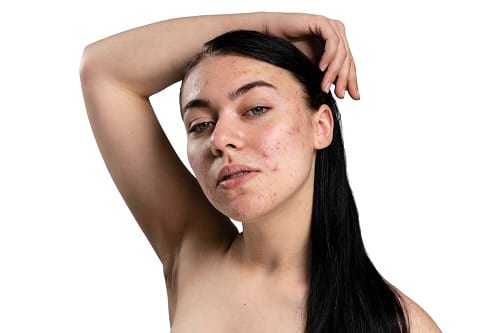
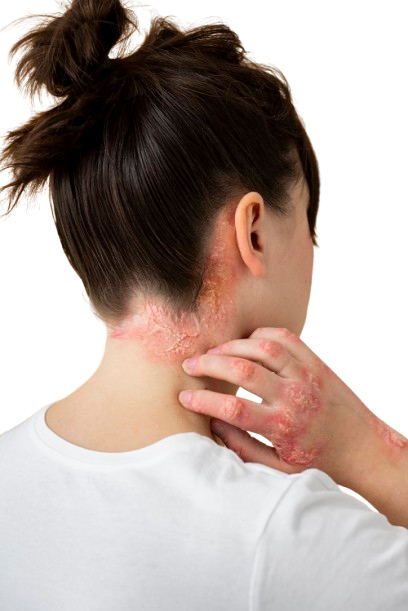
Impetigo Pictures: How to Recognize Early, Mild, and Severe Stages
Introduction
Impetigo ranks among the most prevalent skin infections, particularly in children, and its appearance is easy to recognize—provided you know the signs. However, the infection may initially resemble a simple rash, insect bite, or tiny pimple, leading many to overlook it until it spreads. Understanding the infection’s early, mild, and severe stages is crucial for prevention.
This guide outlines what impetigo looks like at each stage, accompanied by detailed descriptive visuals to aid in quick identification. Whether you’re a parent diagnosing an unusual rash, someone concerned about a new skin spot, or simply researching impetigo symptoms, this visual guide will highlight critical warning signs and help determine when to seek treatment.
We will explore how impetigo begins, its progression, and the distinct features that indicate a more serious skin issue.

What Is Impetigo? (Quick Overview)
Impetigo is a contagious bacterial skin infection primarily caused by Staphylococcus aureus or Streptococcus pyogenes. It can affect anyone, but it is most common in children aged 2 to 10. The infection often starts when bacteria enter the skin through a slight cut, insect bite, or irritant, though it can also appear on unbroken skin.
There are two main types of impetigo:
1. Non-bullous impetigo – the most widespread type, characterized by small red sores that burst, leading to a hallmark honey-colored crust.
2. Bullous impetigo – a more serious form that generates larger, fluid-filled blisters that can propagate rapidly.
Impetigo spreads quickly through direct contact, shared items (like towels or toys), or scratching infected areas. While it can be concerning in appearance, it typically responds well to treatment and rarely results in serious complications if addressed promptly.
Knowing what impetigo is and how it starts can significantly aid early identification, preventing it from worsening or spreading.
Early-Stage Impetigo: What It Looks Like**
Early-stage impetigo can easily be missed since it usually starts with symptoms similar to common skin irritations. At this point, the infection is just emerging beneath the skin, and initial visual signs may be subtle.
Key Features of Early Impetigo
– Small red spots or flat reddish patches appear on the skin.
– Tiny, delicate blisters may form—so small they resemble water droplets or pimples.
– The affected area might feel itchy, sensitive, or a bit warm to the touch.
– Early lesions frequently occur around the nose, mouth, cheeks, arms, and legs, though they can manifest anywhere.
Early Impetigo “Picture” Description
In a visual representation of early impetigo, you would see:
– A cluster of red bumps resembling mosquito bites or heat rash.
– A single blister with a thin, clear membrane, akin to a small bubble on the skin.
– Slightly inflamed or irritated skin, which hasn’t yet crusted or begun oozing.
– A glossy or moist look as the blisters begin filling with clear or yellowish fluid.
Parents often confuse early impetigo with allergic reactions, minor scrapes, or regular acne breakouts—emphasizing the need for timely identification.
When to Seek Early Treatment
Prompt treatment of impetigo helps prevent:
– Rapid spread
– Crust formation and blistering
– Transmission to others
– Scarring on delicate areas like the face
If the rash enlarges, new spots develop quickly, or blisters form within hours, these are strong indicators that the infection is worsening and requires medical evaluation or antibiotic treatment.
Mild Impetigo: How It Progresses
As impetigo transitions from the early stage to a mild stage, it becomes more recognizable. This is when classic symptoms, particularly the honey-colored crust, start to manifest. At this point, bacteria have multiplied on the skin’s surface, leading to visible changes commonly associated with impetigo.
Characteristics of Mild Impetigo
– Small blisters rupture, revealing moist, red sores.
– Sores dry out and form a yellowish or golden crust.
– Lesions may cluster in groups or spread to a larger area.
– Mild itching or discomfort is common, though typically not painful.
– This stage is highly contagious.
Mild Stage “Picture” Description
If you were observing mild impetigo in a photo, you’d notice:
– Round or oval patches with a glossy, wet center and crust around the edges.
– A sticky, yellow, honey-like layer atop the sores, the signature sign of impetigo.
– Red, irritated skin surrounding each sore.
– Multiple small sores close together, creating a “clustered” appearance.
On the face, especially around the nose and mouth, the crust tends to accumulate more rapidly due to moisture and frequent touching. On the body, sores may appear flatter and take longer to dry.
Common Misdiagnoses at the Mild Stage
Mild impetigo may be mistakenly identified as:
– Ringworm (tinea)—both can manifest as round patches.
– Cold sores—especially prevalent around the mouth.
– Eczema flare-ups—similar redness and irritation.
– Contact dermatitis—itchy red patches that mimic early crusting.
Recognizing this stage is crucial to preventing the infection from escalating or being transmitted to others.

Severe Impetigo: Advanced Symptoms and Appearance
Severe impetigo is clearly noticeable. The infection has spread more extensively across the skin, with sores that have grown larger, deeper, and more inflamed. This form is typically associated with bullous impetigo, in which large blisters develop and rupture, resulting in raw, painful skin areas.
Severe impetigo can be alarming, especially in children, due to the rapid expansion of blisters and the dramatic changes in skin appearance.
Signs of Severe Impetigo
– Large, fluid-filled blisters (bullae) that can be several centimeters in size.
– Blisters filled with cloudy or yellowish fluid.
– Blisters that burst, leaving behind red, shiny, raw patches of skin.
– Widespread honey-colored crust covering larger areas.
– Rapidly spreading infection across the face, limbs, or trunk.
– Pain, tenderness, or swelling near the sores.
– Possible fever, fatigue, or swollen lymph nodes in severe instances.
Severe Stage “Picture” Description
In images of severe impetigo, you would observe:
– Large, balloon-like blisters appear tense and stretched.
– Skin red or raw following blister rupture.
– Thick, layered crusts developing over extensive patches of skin.
– Several sores are merging to form a large infected area.
– On the face, lesions often spread around the nose, mouth, cheeks, and chin.
– On the body, multiple blisters may cluster and rupture, leaving shiny, moist surfaces.
In children, severe impetigo tends to appear more dramatic due to their thinner, more sensitive skin. Adults may have larger blisters but fewer clusters.
Complications of Untreated Severe Impetigo
While most impetigo cases are mild and respond well to treatment, severe cases can lead to complications, including:
– Cellulitis: a deeper skin infection characterized by swelling, heat, and pain.
– Post-streptococcal glomerulonephritis: a rare kidney complication following strep infections.
– Painful skin cracking or scarring.
– Recurring infections if bacteria are not fully eliminated.
– Spread to household members via shared items like towels, bedding, or skin contact.
Seeking prompt treatment at this stage is vital to prevent further complications and reduce the risk of lasting skin effects.
Impetigo Pictures by Location (Detailed Visual Guide)
Impetigo can manifest nearly anywhere on the body, but certain areas are more susceptible to infection—particularly those frequently touched, scratched, or exposed to moisture. Recognizing how impetigo presents on various body parts aids in quicker identification and helps avoid confusion with other skin conditions.
- Impetigo on the Face
- Most common in children, especially around the nose and mouth
- Early signs include red bumps or small blisters
- Mild to severe cases show yellow crusts forming above the lip, on the chin, or around the nostrils
- In severe cases, large blisters may form on the cheeks or jawline
- “Picture look”: clusters of golden scabs and raw red patches
- Around the Nose and Mouth
- The warm, moist area around the nostrils accelerates blister formation
- Sores may look moist, shiny, and appear to “spread” from the nose to the upper lip
- Frequent wiping or nose-rubbing worsens the irritation
- “Picture look”: yellow crust outlining the nostrils, often confused with cold sores
- Impetigo on the Scalp
- Less common but still possible, especially in children
- Appears as crusty patches hidden under hair
- It can resemble dandruff or early ringworm
- “Picture look”: yellowish scabs attached to sections of hair with redness beneath
- Impetigo on the Arms and Legs
- Often begins with insect bites, scratches, or minor cuts
- Sores may appear individually or in clusters
- Red, irritated skin around each lesion
- “Picture look”: round blisters that burst and form honey-colored crusts on exposed skin
- Impetigo on the Hands and Fingers
- Highly contagious area due to frequent touching
- Blisters may appear between fingers or on the back of the hands
- Children often spread it by scratching
- “Picture look”: small red sores that quickly develop crusts and spread to nearby fingers
- Impetigo on the Torso and Back
- Usually spreads from another infected area
- Appears as scattered or clustered sores
- May grow rapidly with scratching
- “Picture look”: groups of crusted patches with red halos around them
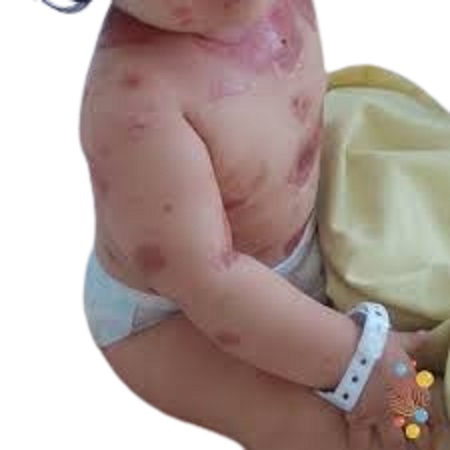
- Impetigo in Infants and Toddlers
- Skin appears more inflamed and fragile
- Blisters are larger and burst more quickly
- Crusts may become thick and sticky
- “Picture look”: shiny red patches with golden crusts, often around the mouth or diaper area
Understanding how impetigo presents on different parts of the body helps ensure faster diagnosis and prevents confusion with other skin conditions such as eczema, ringworm, or cold sores.
How to Tell Impetigo Apart from Other Skin Conditions
Impetigo can easily be confused with other skin problems because many conditions cause redness, irritation, or blister-like spots. Knowing the differences helps you identify impetigo correctly and avoid delays in treatment.
Below are the most common skin issues that resemble impetigo—and how to tell them apart.
- Impetigo vs. Ringworm (Tinea)
How they look similar:
- Both can appear as round or oval patches
- Redness and slight scaling are common in both
Key differences:
- Ringworm has a clear, raised border with a lighter center (a ring shape)
- Impetigo forms yellow crusts and moist sores
- Ringworm spreads slowly; impetigo spreads quickly
- Impetigo vs. Cold Sores (Herpes Simplex)
How they look similar:
- Both can appear around the mouth
- Both can start as small blisters
Key differences:
- Cold sores are usually painful and tingling, while impetigo is more itchy than painful
- Cold sores form clustered fluid-filled blisters that turn into crusts, but the crust is darker, not yellow
- Impetigo is more likely to cause honey-colored crusting around the lips and nose
- Impetigo vs. Eczema (Atopic Dermatitis)
How they look similar:
- Red, irritated, itchy patches
- May appear on the face, arms, or legs
Key differences:
- Eczema causes dry, flaky skin, not blisters
- Impetigo usually has wet-looking sores or crusts
- Eczema is long-term, while impetigo is an acute infection
- Impetigo vs. Chickenpox
How they look similar:
- Both can involve blisters or red spots
- Itchy skin is common in both conditions
Key differences:
- Chickenpox blisters appear all over the body, including the scalp and trunk
- Impetigo lesions cluster in one area before spreading
- Chickenpox blisters turn into darker scabs, not honey-colored ones
- Impetigo vs. Folliculitis
How they look similar:
- Both show small red bumps or pustules
- Common on arms, legs, and buttocks
Key differences:
- Folliculitis forms around hair follicles, often with a central hair visible
- Impetigo lesions are usually larger and crust over
- Folliculitis rarely forms yellow crusts
- Impetigo vs. Contact Dermatitis
How they look similar:
- Red, itchy, inflamed patches
- May occur after touching irritants or allergens
Key differences:
- Contact dermatitis has clear triggers (soap, chemicals, plant contact)
- Impetigo forms blisters that ooze and crust
- Dermatitis improves when the trigger is removed; impetigo worsens over time
- Impetigo vs. Hand, Foot, and Mouth Disease (HFMD)
How they look similar:
- Both may cause blisters in children
- Both can appear on the face or around the mouth
Key differences:
- HFMD blisters also affect the hands, feet, and the inside of the mouth
- HFMD lesions are smaller and not crusty
- Impetigo lesions crust and spread rapidly
This comparison helps readers distinguish impetigo from other similar skin conditions and understand when to seek medical treatment.
How Impetigo Is Treated
Impetigo is highly contagious but also one of the easiest skin infections to treat when addressed early. Treatment focuses on eliminating the bacteria, preventing the spread, and helping the skin heal quickly.
- Medical Treatment (Most Effective Option)
-
Antibiotic ointments
-
Prescription oral antibiotics
-
When to see a doctor
- Topical Antibiotic Ointments
These are usually the first-line treatment for mild to moderate impetigo.
Common options include:
- Mupirocin ointment
- Retapamulin ointment
How they help:
- Kill the bacteria directly on the skin
- Reduce itching and redness
- Prevent spreading to other areas
Usually applied 2–3 times daily for 5–7 days.
- Oral Antibiotics
Used for:
- Severe or widespread impetigo
- Bullous impetigo (large blisters)
- Cases that don’t respond to topical treatments
Common prescriptions include:
- Cephalexin
- Dicloxacillin
- Amoxicillin-clavulanate
These help clear the infection from the inside out and stop fast-spreading bacteria.
- When to See a Doctor
You should seek medical care if:
- The rash spreads quickly
- Blisters become very large
- Fever or swollen lymph nodes appear
- The infection doesn’t improve after 48 hours of treatment
- The patient is an infant
- Home Care Tips (Supportive Care)
Home remedies aren’t a cure, but can speed healing and help prevent reinfection.
- Clean the Affected Area Daily
- Wash gently with warm water and mild soap
- Pat the area dry (don’t rub)
- Avoid scratching or picking the crusts
- Remove Crusts Safely
Soften crusts with a warm, wet cloth for a few minutes so antibiotic ointments can work better.
- Keep Nails Short
This prevents scratching, which can spread bacteria and worsen the infection.
- Avoid Sharing Personal Items
- Towels
- Washcloths
- Clothing
- Bedding
- Cover Sores With Light Dressings
Especially important for children to prevent spreading the infection at school or daycare.
- Keep the Skin Dry
Moisture helps bacteria multiply. Keep the area clean and exposed to air when possible.
- Can Impetigo Go Away on Its Own?
Sometimes mild cases may improve, but most do not heal completely without antibiotics. Untreated impetigo can:
- Spread rapidly
- Lead to complications
- Infect others easily
- Becomes severe and painful
Early treatment is always the best approach.
Prevention Tips (Especially for Kids)
Since impetigo is highly contagious, prevention is key—especially for children who are in close contact with others at school, daycare, or playgrounds. Following simple hygiene and care practices can significantly reduce the risk of infection.
- Practice Regular Handwashing
- Wash your hands frequently with soap and water for at least 20 seconds
- Encourage children to wash their hands after playing outside, using the restroom, or touching sores
- Use alcohol-based sanitizer when soap and water aren’t available
- Avoid Sharing Personal Items
- Towels, washcloths, combs, and clothing should be individual
- Avoid sharing water bottles or toys that may come in contact with the skin
- Keep Cuts and Scratches Clean
- Minor injuries, insect bites, or scrapes are entry points for bacteria
- Wash wounds with mild soap and water and cover with a clean bandage
- Maintain Short, Clean Nails
- Prevents children from scratching infected or irritated areas
- Reduces the spread of bacteria to other parts of the body or to others
- Launder Clothes, Bedding, and Towels Regularly
- Use hot water and detergent for contaminated items
- Wash items separately from non-infected laundry when possible
- Limit Close Contact During Infection
- Keep children home from school or daycare until sores are healed or cleared by a doctor
- Avoid kissing, hugging, or skin-to-skin contact with others
- Educate Children About Hygiene
- Teach them not to touch or pick at sores
- Show them the importance of covering rashes and washing hands afterwards
- Boost Overall Skin Health
- Moisturize dry skin to prevent cracks which bacteria can enter
- Encourage healthy diets and hydration to support the immune system
By following these prevention tips, you can minimize the risk of impetigo spreading and help children recover faster if they do get infected.
When to See a Doctor
While mild cases of impetigo can sometimes be managed at home under guidance, certain signs indicate professional medical care is necessary. Prompt treatment can prevent the infection from worsening, spreading, or causing complications.
- Rapidly Spreading Rash
- If the sores multiply quickly or cover large areas of the skin
- Especially concerning if it spreads to the face, scalp, or multiple body parts
- Large or Painful Blisters
- Bullous impetigo (large fluid-filled blisters) requires medical attention and prescription antibiotics
- Blisters that burst and leave raw, open skin can become secondarily infected
- Signs of Systemic Infection
- Fever
- Swollen lymph nodes
- Fatigue or general malaise
- Red streaks spreading from the infection (possible cellulitis)
- No Improvement After Initial Treatment
- If topical antibiotic ointments don’t help within 48 hours
- If sores keep returning or worsening
- High-Risk Patients
- Infants, elderly adults, or people with weakened immune systems
- Chronic skin conditions that make infections more severe
- Suspected Complications
- Pus that is green or foul-smelling
- Severe swelling, redness, or pain
- Signs of kidney issues after a strep-related impetigo (rare but serious)
Why Timely Care Matters
- Prevents the infection from spreading to others
- Reduces risk of scarring and secondary infections
- Ensures appropriate antibiotic treatment for faster healing
When in doubt, it’s always safer to consult a healthcare provider. Early diagnosis and proper treatment are the keys to controlling impetigo effectively.
Conclusion
Recognizing impetigo early is crucial for effective treatment and preventing it from spreading to others. By understanding the early, mild, and severe stages, along with the visual signs described in this guide, you can spot impetigo quickly and take action before it worsens.
Whether the infection appears on the face, hands, or other parts of the body, prompt treatment—using topical or oral antibiotics—combined with proper home care and hygiene can help the skin heal faster and reduce the risk of complications.
READ ALSO: Measles Rash: 7 Vital Symptoms What It Looks Like With Real Photos

Remember, impetigo is highly contagious, so practicing good hygiene, avoiding the sharing of personal items, and seeking medical attention when needed are essential steps to protect yourself and your family.
With careful attention to the visual signs and preventive measures, impetigo can be managed safely, ensuring a quick recovery and healthy skin.
FAQs About Impetigo
- Is impetigo contagious by touch?
Yes. Impetigo spreads easily through direct skin-to-skin contact or by touching contaminated items like towels, clothing, or bedding.
- Can impetigo heal without treatment?
Mild cases may improve on their own, but antibiotics significantly speed healing and prevent the infection from spreading or worsening.
- How long does impetigo last?
With proper treatment, impetigo usually heals within 7–10 days. Without treatment, it can persist longer and may worsen.
- Can adults get impetigo?
Yes. Although more common in children, adults—especially those with cuts, weakened immunity, or close contact with infected individuals—can develop impetigo.
- What does impetigo look like when healing?
Healing impetigo shows fading redness, shrinking blisters, and crusts falling off gradually. The skin may remain slightly pink for a few days.
- Can impetigo leave scars?
Most mild cases don’t cause permanent scars if treated promptly. Severe or repeatedly scratched sores may leave minor marks.
- Is impetigo caused by poor hygiene?
Not necessarily. Impetigo is caused by bacteria, and while poor hygiene can increase risk, even healthy individuals with minor cuts can get infected.
- Can impetigo spread through clothing or bedding?
Yes. Contaminated items can transfer bacteria, which is why washing clothes, towels, and bedding separately is important.
- What causes recurring impetigo?
Recurrence may result from incomplete treatment, re-exposure to bacteria, or underlying skin conditions like eczema.
- When should I see a doctor for impetigo?
Seek medical care if sores spread rapidly, become large or painful, show signs of infection, or don’t improve after 48 hours of treatment.
Watch, comment, and subscribe to our YouTube Channel https://www.youtube.com/@homecurestv1821
Originally posted 2025-11-21 15:29:25.