Blood Sugar Level Range Chart: Normal, Low, and High Readings Explained
Introduction
Keeping your blood sugar within a healthy range is one of the most important steps you can take for your overall health. Whether you’re trying to prevent diabetes, manage prediabetes, or control existing blood sugar issues, understanding what your readings mean can make all the difference. But for many people, terms like fasting blood sugar, hypoglycemia, and hyperglycemia can feel confusing—especially when every reading seems different.
This guide breaks everything down clearly.
In this article, you’ll find a simple blood sugar level range chart that shows what’s considered normal, low, and high, so you can instantly interpret your numbers. You’ll also learn what causes sudden spikes or drops, how to monitor your levels correctly, and when a reading may be a sign to take action or seek medical help.
If you’ve ever wondered, “Is my blood sugar normal?”, this article will give you the answers—easy to understand and medically accurate.
What Is Blood Sugar? (Quick Overview)
Blood sugar, also called blood glucose, is the amount of sugar present in your bloodstream at any moment. Glucose comes mainly from the carbohydrates you eat—foods like rice, bread, fruits, yams, pasta, and even sugary snacks. It is the body’s primary source of energy, fueling your brain, muscles, and organs.
After you eat, your blood sugar naturally rises. To keep it within a safe range, your pancreas releases a hormone called insulin, which helps move glucose from your blood into your cells for energy. When this process works well, your blood sugar stays balanced.
However, if your body doesn’t produce enough insulin, or if your cells become resistant to insulin, blood sugar can rise too high. On the other hand, going too long without eating or taking too much diabetes medication can cause blood sugar to drop too low.
In simple terms:
Blood sugar = your body’s energy supply
Insulin = the hormone that controls blood sugar levels
Understanding this balance is the first step to knowing whether your readings fall within a normal, low, or high range.
blood sugar range
Why It’s Important to Know Your Blood Sugar Range
Knowing your blood sugar range is more than just looking at numbers — it’s an essential part of protecting your long-term health. When blood sugar stays consistently too high or too low, it can lead to serious complications, many of which develop silently over time.
Helps Prevent Diabetes and Prediabetes
Monitoring your readings allows you to spot early signs of prediabetes. Catching these changes early gives you the chance to make lifestyle improvements that could prevent type 2 diabetes entirely.
Reduces the Risk of Dangerous Complications
Uncontrolled blood sugar can damage major organs including the heart, kidneys, eyes, and nerves. Understanding what’s normal helps you take action before complications start.
Improves Daily Energy and Mood
Balanced blood sugar leads to better focus, fewer mood swings, and more stable energy throughout the day. Extreme highs or lows can leave you feeling tired, shaky, weak, or irritable.
Helps You Make Better Food and Lifestyle Choices
When you know your range, it becomes easier to adjust your diet, exercise routine, and meal timing. You can identify what foods spike your blood sugar and which ones keep it stable.
Supports Better Medication Management
If you’re already living with diabetes or prediabetes, regularly checking your levels helps determine whether your medications, insulin, or lifestyle changes are working.
Enables Early Detection of Health Problems
Sudden or persistent changes in your blood sugar may indicate stress, illness, hormonal imbalance, or underlying health conditions that require attention.
Normal Blood Sugar Level Range Chart
Understanding what’s considered “normal” is the first step in interpreting your results. Blood sugar levels naturally change throughout the day depending on what you eat, your activity level, and how long it’s been since your last meal. Below is a simple chart showing normal ranges for healthy individuals without diabetes.
Normal Blood Sugar Levels
Test Type
Normal Range
Fasting Blood Sugar (8–10 hours without food)
70–99 mg/dL (3.9–5.5 mmol/L)
Before Meals (Pre-prandial)
70–100 mg/dL (3.9–5.6 mmol/L)
2 Hours After Eating (Post-prandial)
Less than 140 mg/dL (7.8 mmol/L)
Random Blood Sugar (Any time of the day)
70–140 mg/dL (3.9–7.8 mmol/L)
HbA1c (Average 2–3 months reading)
Below 5.7%
Quick Explanation of the Normal Ranges
Fasting levels reflect how your body manages blood sugar without food.
Before meals shows your baseline levels throughout the day.
After meals indicates how well your body handles sugar from food.
Random tests help detect unexpected highs or lows.
HbA1c gives a long-term picture of blood sugar control.
When your values fall within these ranges, it means your body is effectively managing glucose through insulin and metabolism.
Low Blood Sugar (Hypoglycemia) Level Range Chart
Low blood sugar, also called hypoglycemia, occurs when your blood glucose drops below the normal range. This can happen to people with diabetes, but it can also occur in non-diabetics due to long fasting, intense exercise, or certain medications.
Low Blood Sugar Levels
Test Type
Low Range (Hypoglycemia)
Fasting or Any Time of the Day
Below 70 mg/dL (Below 3.9 mmol/L)
Severe Hypoglycemia
Below 54 mg/dL (Below 3.0 mmol/L)
Dangerously Low (Emergency)
Below 40 mg/dL (Below 2.2 mmol/L)
Common Symptoms of Low Blood Sugar
Shakiness or trembling
Sweating
Dizziness or lightheadedness
Sudden hunger
Weakness or fatigue
Irritability or mood changes
Fast heartbeat
Blurred vision
Headache
Confusion (in severe cases)
Causes of Low Blood Sugar
Skipping meals or not eating enough
Taking too much diabetes medication or insulin
Intense physical exercise
Drinking alcohol on an empty stomach
Certain medications
Hormonal or metabolic disorders (rare)
How to Treat Low Blood Sugar Quickly
If your blood sugar drops below 70 mg/dL, follow the 15-15 Rule:
Take 15 grams of fast-acting carbs, such as:
½ cup (120 ml) juice
1 tablespoon sugar or honey
3–4 glucose tablets
Wait 15 minutes, then retest your blood sugar.
Repeat if still below 70 mg/dL.
For severe low blood sugar (<54 mg/dL), seek medical help immediately.
High Blood Sugar (Hyperglycemia) Level Range Chart
High blood sugar, known as hyperglycemia, happens when there is too much glucose circulating in the bloodstream. This can occur in people with diabetes, prediabetes, insulin resistance, or due to certain lifestyle and medical factors.
blood sugar level range chart
High Blood Sugar Levels
Test Type
High Range (Hyperglycemia)
Fasting Blood Sugar
100–125 mg/dL (Prediabetes)
126 mg/dL and above (Diabetes)
2 Hours After Eating (Post-prandial)
140–199 mg/dL (Prediabetes)
200 mg/dL and above (Diabetes)
Random Blood Sugar
200 mg/dL and above (possible diabetes)
HbA1c
5.7%–6.4% (Prediabetes)
6.5% and above (Diabetes)
Common Symptoms of High Blood Sugar
Increased thirst
Frequent urination
Dry mouth
Blurred vision
Fatigue or weakness
Headaches
Slow wound healing
Increased hunger
Unexplained weight loss (in prolonged high sugar)
Some people may not feel symptoms initially, which is why regular testing is important.
Causes of High Blood Sugar
Eating too many carbs or sugary foods
Lack of physical activity
Stress or lack of sleep
Illness or infection
Skipping diabetes medication or insulin
Hormonal changes
Certain medications (e.g., steroids)
What to Do When Your Blood Sugar Is High
Drink water to help flush out excess glucose
Take a walk or do light exercise (unless ketones are present)
Adjust medication or insulin as instructed by your doctor
Avoid sugary or high-carb foods
Test again in 1–2 hours
Seek medical help if readings stay extremely high
Blood Sugar Level Ranges for Prediabetes and Diabetes
Understanding the difference between normal, prediabetic, and diabetic blood sugar levels is essential for early detection and proper management. Prediabetes is a warning phase — your blood sugar is higher than normal but not high enough for a diabetes diagnosis. Without lifestyle changes, many people progress to type 2 diabetes.
Below is a simple comparison chart.
Prediabetes vs. Diabetes: Blood Sugar Range Chart
Test Type
Normal
Prediabetes
Diabetes
Fasting Blood Sugar
70–99 mg/dL
100–125 mg/dL
126 mg/dL and above
2 Hours After Eating (Post-prandial)
Less than 140 mg/dL
140–199 mg/dL
200 mg/dL and above
Random Blood Sugar
70–140 mg/dL
—
200 mg/dL and above
HbA1c (3-month average)
Below 5.7%
5.7%–6.4%
6.5% and above
What These Categories Mean
Normal Range
Your body is effectively producing and using insulin to manage blood sugar. Maintaining a healthy lifestyle keeps you in this range.
Prediabetes
Your blood sugar is elevated due to insulin resistance or reduced insulin production. This stage offers the greatest opportunity to reverse or prevent type 2 diabetes through:
Weight control
Better diet choices
Regular exercise
Stress management
Reducing sugary foods and drinks
Diabetes
Blood sugar levels are consistently high and require medical supervision. Management may include:
Medication or insulin
Lifestyle changes
Regular blood sugar monitoring
Doctor visits to prevent complications
Factors That Affect Your Blood Sugar Levels
Blood sugar levels don’t stay the same throughout the day. They rise and fall depending on what you eat, how active you are, and even how you feel emotionally. Understanding these factors can help you control your readings more effectively.
Food and Carbohydrate Intake
Carbohydrates turn into glucose in the body. Foods like bread, rice, pasta, potatoes, fruits, soda, and pastries can raise blood sugar quickly — especially when eaten in large amounts.
Physical Activity
Exercise helps your muscles use glucose for energy, which naturally lowers blood sugar. Lack of exercise can cause your blood sugar to stay higher for longer.
Sleep Quality
Poor sleep or irregular sleep patterns can raise blood sugar by increasing stress hormones like cortisol.
Stress and Emotional Changes
Stress causes the body to release hormones that increase blood sugar. Emotional stress, anxiety, and even excitement can cause noticeable spikes.
Medications
Certain drugs — including steroids, some blood pressure medications, and birth control pills — can affect blood sugar levels. Diabetes medications, on the other hand, lower blood sugar.
Illness or Infection
When the body fights infection, blood sugar often rises. Fever, flu, or any infection can cause higher readings than usual.
Hormonal Changes
Menstrual cycles, pregnancy, menopause, and hormonal imbalances can impact blood sugar stability.
Alcohol Consumption
Drinking alcohol, especially on an empty stomach, can cause blood sugar to drop dangerously low. Sugary alcoholic drinks may temporarily raise levels.
Dehydration
Low water intake can cause blood sugar to become more concentrated, resulting in higher readings.
prediabetes
How to Check and Monitor Your Blood Sugar Levels
Monitoring your blood sugar regularly is key to understanding your body’s response to food, exercise, and medication. Proper monitoring helps you take timely action to prevent complications.
Using a Glucometer
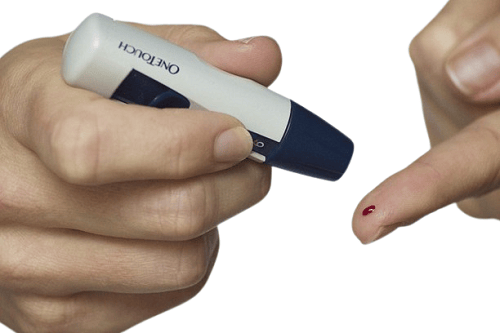
A glucometer is a small device that measures blood sugar from a drop of blood, usually taken from your fingertip.
Steps:
Wash your hands thoroughly.
Insert a test strip into the glucometer.
Prick your fingertip with a lancet to get a small drop of blood.
Place the drop on the test strip.
Wait for the reading, which usually appears within seconds.
Continuous Glucose Monitoring (CGM)
A CGM is a wearable device that tracks blood sugar levels continuously throughout the day and night.
Provides trends and alerts for high or low levels.
Helps people with diabetes manage glucose more precisely.
Best Times to Test Blood Sugar
Fasting (morning before eating)
Before meals
2 hours after meals
Before and after exercise
Before bedtime
Whenever you feel symptoms of high or low sugar
How Often to Test
Healthy adults: Occasionally, especially if at risk for diabetes.
Prediabetes: Regular monitoring as advised by your doctor.
Diabetes: Multiple times daily, or as recommended by your healthcare provider.
Keep a Log
Recording your results helps track patterns over time.
Note the date, time, reading, and related factors (food, exercise, stress).
Helps your doctor adjust treatment or lifestyle plans.
When to See a Doctor
Knowing when to seek medical help is crucial for preventing complications from abnormal blood sugar levels. Both persistent high and dangerously low readings require attention.
Even if symptoms improve after treating low blood sugar, frequent episodes should be evaluated by a healthcare professional.
High Blood Sugar (Hyperglycemia)
Consult your doctor if:
Fasting blood sugar is consistently above 126 mg/dL
Post-meal readings exceed 200 mg/dL regularly
You have symptoms like excessive thirst, frequent urination, blurred vision, or unexplained weight loss
You notice ketones in your urine (common in type 1 diabetes or uncontrolled diabetes)
Persistent Fluctuations
Blood sugar swinging frequently between high and low readings may indicate poor diabetes management, insulin resistance, or other underlying issues.
A healthcare provider can help adjust medication, diet, or lifestyle.
Preventive Checkups
Even if you feel fine, regular screenings are important:
Adults over 40, or younger adults with risk factors (obesity, family history of diabetes, high blood pressure)
Pregnant women (gestational diabetes screening between 24–28 weeks)
People with prediabetes or metabolic syndrome
Summary
Understanding your blood sugar levels is a vital step in maintaining good health and preventing complications like diabetes. By knowing the normal, low, and high ranges, you can quickly interpret your readings and take appropriate action.
Normal levels indicate your body is effectively managing glucose.
Low levels (hypoglycemia) require prompt treatment to avoid symptoms like dizziness, weakness, or confusion.
High levels (hyperglycemia), if persistent, can lead to serious health problems and should be managed with diet, exercise, or medical care.
Monitoring regularly—through a glucometer or continuous glucose monitoring—helps you track patterns and make informed lifestyle or medication adjustments.
Consult a doctor when readings are consistently outside the normal range or if severe symptoms appear.
By following these guidelines and using a blood sugar level range chart, you can take control of your health, improve daily energy, and reduce the risk of long-term complications.
FAQs About Blood Sugar Levels
What is a normal fasting blood sugar level?
A normal fasting blood sugar level is 70–99 mg/dL (3.9–5.5 mmol/L). Levels above 100 mg/dL may indicate prediabetes or diabetes.
What should my blood sugar be 2 hours after eating?
Normal post-meal blood sugar is less than 140 mg/dL (7.8 mmol/L). Levels above this may indicate impaired glucose tolerance.
What is considered dangerously low blood sugar?
Blood sugar below 54 mg/dL (3.0 mmol/L) is considered dangerously low and requires immediate treatment. Below 40 mg/dL is an emergency.
What is a healthy HbA1c range?
A normal HbA1c is below 5.7%. Levels between 5.7%–6.4% indicate prediabetes, and 6.5% or higher indicates diabetes.
Can stress cause high blood sugar?
Yes. Stress triggers hormones like cortisol and adrenaline, which increase blood sugar levels temporarily.
What foods raise blood sugar quickly?
Sugary drinks, candy, white bread, pasta, rice, and pastries can raise blood sugar quickly. Balanced meals with protein, fiber, and healthy fats help control spikes.
How do I reduce high blood sugar fast?
Drink water, engage in light exercise, avoid high-carb foods, and follow your doctor’s medication instructions. Seek medical attention if levels remain very high.
What time of day is blood sugar highest?
Blood sugar typically peaks 1–2 hours after meals, especially after breakfast, lunch, or dinner. Random spikes can also occur during stress or illness.
Is it normal for blood sugar to fluctuate?
Yes. Blood sugar naturally rises after meals and drops during fasting. Persistent extreme fluctuations should be evaluated by a doctor.
What is the best time to check blood sugar?
Fasting (morning before eating)
Before meals
2 hours after meals
Before bedtime
Whenever you feel symptoms of high or low sugar
About the Author
Ayodele Taiwo is a Nigerian health blogger and researcher who shares evidence-based tips on blood pressure, fertility, weight loss, and healthy living. He created AyHealthWise to provide reliable and easy-to-understand health information for everyday people. 👉 Read more about Ayodele
Originally posted 2025-11-23 08:59:51.
8 Blood Sugar Level Range Chart: Dangerous Highs and Lows Explained