Polio Overview: Understanding Its Meaning, Types, Symptoms, and Continued Relevance Today.
Introduction Polio, or poliomyelitis, is a highly contagious viral illness that has significantly impacted global health efforts for many years. While polio may feel like a relic of history due to effective vaccination and eradication initiatives, grasping its true implications, physiological effects, and ongoing significance remains vital.
Even though polio cases worldwide have declined dramatically, the virus has not been entirely eradicated. Outbreaks persist in areas with insufficient vaccination rates, and survivors often contend with long-lasting challenges like paralysis and post-polio syndrome. This reality underscores the importance of ongoing education, awareness, and prevention.
In this piece, we will define polio, clarify how it operates, investigate its various forms, and detail common symptoms to be vigilant about. Additionally, we will discuss the relevance of polio today in terms of vaccination, global health concerns, and disease control. By the conclusion, you will have a comprehensive view of polio’s significance — not merely as a medical condition, but as a critical public health challenge.
what is polio
Polio Definition: What Is Poliomyelitis?
Polio, also referred to as poliomyelitis, is an infectious disease stemming from the poliovirus, which primarily targets the nervous system. The term “poliomyelitis” is derived from the Greek words polios, meaning “grey,” relating to the grey matter of the spinal cord, and myelitis, signifying “inflammation of the spinal cord.” In essence, polio is a condition that can harm the nerves controlling muscles, potentially leading to weakness, paralysis, or lasting disability.
The poliovirus primarily spreads via the fecal-oral route, transmitted when contaminated food, water, or hands come into contact with the mouth. It may also spread through respiratory droplets in some circumstances. Upon entering the body, the virus multiplies in the throat and intestines before entering the bloodstream. In severe cases, it can reach the brain and spinal cord, disrupting the nerve signals necessary for muscle movement.
Not everyone infected with the poliovirus develops severe symptoms. Many individuals may experience mild signs or none at all. However, in a minority of cases, the virus progresses to impact the nervous system, causing muscle weakness, limb paralysis, difficulty breathing, or even death. This broad spectrum of potential outcomes is what makes polio a notably serious and historically concerning disease.
Polio is recognized as a vaccine-preventable ailment, meaning it can be effectively managed through vaccination. Nevertheless, the virus still poses a health threat in areas with low immunization coverage, inadequate sanitation, or recurring outbreaks.
Medical Insight into How Polio Affects the Body
Upon entering the body, the poliovirus multiplies in the throat and intestines. During this initial phase, many infected individuals show no discernible symptoms yet can still transmit the virus via stool or contaminated hands. If the virus enters the bloodstream from the intestines, it can circulate to various body regions.
In most cases, the immune system successfully combats the virus before it affects the nervous system. However, in a smaller portion of infections, the poliovirus penetrates the central nervous system (CNS) — specifically the spinal cord and brainstem — thereby posing a serious risk.
The virus targets and injures motor neurons, the nerve cells that convey signals from the brain to muscles. When these nerve cells become damaged, the corresponding muscles lose the ability to receive movement signals, resulting in: • Muscle weakness • Loss of reflexes • Flaccid paralysis (soft, weak, and limp muscles)
Paralysis can occur in various regions, depending on which nerves are impacted: • Limbs (arms or legs) • Chest and diaphragm (muscles that aid in breathing) • Facial, throat, or swallowing muscles
When respiratory muscles are compromised, patients may need mechanical assistance to breathe — historically provided by devices like the “iron lung,” a large respirator used for severe polio cases.
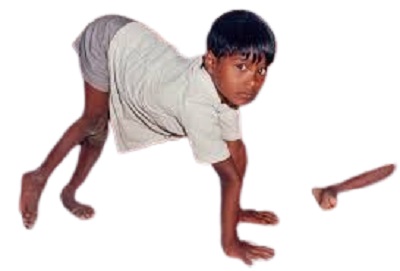
Even individuals who recover from the initial poliovirus infection may experience lasting muscle weakness or deformity due to nerve damage. Years later, some survivors might develop post-polio syndrome, characterized by renewed weakness, pain, and fatigue due to the gradual decline of remaining motor neurons.
This dual nature of the poliovirus — mild in many cases but potentially devastating in others — helps explain why it has been regarded as one of the most formidable viral infections in medical history.
Types of Polio
Polio manifests differently across individuals. The severity depends largely on how much the virus progresses within the body and whether it accesses the nervous system. Polio can be classified into several forms based on clinical presentation and its impact on nerves and muscles.
1. Non-Paralytic Polio (Abortive or Mild Polio) This is the most common and least severe variant of the disease. The virus does not penetrate the nervous system deeply enough to induce paralysis but leads to symptoms akin to a typical viral illness, including: • Fever and sore throat • Headaches • Fatigue and weakness • Nausea or vomiting • Stiff neck or mild muscle discomfort
Symptoms usually endure from a few days to a week, and most individuals return to normal without lasting issues. Nevertheless, even those with mild cases can transmit the virus to others, emphasizing the necessity for vigilance and hygiene.
2. Paralytic Polio This form is the rarest but most critical. It occurs when the virus infiltrates and destroys motor neurons in the spinal cord and brainstem, resulting in muscle weakness and paralysis. Paralytic polio is divided into sub-types based on the affected areas: • Spinal Polio – impacts the spinal cord, leading to weakness or paralysis in arms and legs • Bulbar Polio – affects the brainstem, influencing breathing, swallowing, and speech • Bulbospinal Polio – involves both spinal cord and brainstem, causing combined limb and respiratory issues
Paralysis can arise suddenly and asymmetrically (affecting one side more than the other) and can lead to permanent disability or respiratory failure in severe cases.
3. Post-Polio Syndrome (PPS) PPS is a delayed complication that may develop years after recovery from paralytic or even mild polio. Symptoms include: • Gradual return of muscle weakness • Fatigue and decreased stamina • Joint and muscle discomfort • Breathing or swallowing difficulties in some individuals
PPS is thought to stem from the gradual weakening of the remaining nerve cells that had previously compensated after the initial infection.
4. Wild Polio vs. Vaccine-Derived Polio From a public health viewpoint, polio is further characterized based on the infection source: • Wild poliovirus (WPV) – the naturally occurring strain still found in certain global regions • Vaccine-Derived Poliovirus (VDPV) – a rare strain that arises when the weakened virus in oral polio vaccines mutates in under-immunized communities
Both variants can trigger outbreaks where vaccination coverage is inadequate, underscoring the vital role of immunization programs.
polio symptoms
Initial Signs and Symptoms of Polio
Polio symptoms can greatly vary, ranging from mild flu-like discomfort to abrupt severe paralysis. Many infected individuals might not exhibit symptoms but can still spread the virus. When symptoms manifest, they generally show up 3 to 35 days post-exposure, depending on the infection’s severity.
1. Initial Symptoms (Non-Paralytic Cases) In many instances, the early signs mimic those of a typical viral infection and may involve: • Fever or chills • Headache • Sore throat • Nausea, vomiting, or stomach pain • Tiredness or overall weakness • Stiff neck or back discomfort • Mild muscle soreness These symptoms can persist for several days and may resolve spontaneously. Nonetheless, they should be taken seriously in areas prone to outbreaks or among unvaccinated individuals.
2. Serious Symptoms (When the Nervous System Is Involved) If the virus advances to affect the nervous system, more severe symptoms can arise, including: • Weakness in the arms or legs • Absence of reflexes • Sudden or progressive paralysis (typically on one side of the body) • Challenges with breathing or swallowing • Intense muscle pain or rigidity • Abnormal posturing or limb deformity Paralysis can emerge dramatically, often within hours or days following initial flu-like symptoms. In critical cases, paralysis of the chest muscles may result in respiratory failure, necessitating emergency medical care.
3. Urgent Medical Warning Signs Immediate consultation with a healthcare professional is essential if any of the following arise: • Unexpected limb weakness or inability to move a body part • Difficulty breathing or shortness of breath • Ongoing neck stiffness accompanied by fever • Severe headache with nausea • Trouble swallowing or speaking Timely medical intervention can help mitigate complications, support breathing and mobility, and enhance recovery prospects.
Who is at Greater Risk?
Though polio can affect individuals across all age groups, certain populations face significantly heightened risks of infection and severe complications. Recognizing these risk categories is vital for effective prevention, vaccination initiatives, and public health strategies.
1. Children Under 5 Years Young children represent the most susceptible demographic globally. Risk factors include: • Immunologically developing systems • Increased exposure likelihood through play, poor hygiene, or contaminated settings • Limited knowledge of sanitation and hand-washing practices This underlines the emphasis on early polio vaccination in childhood immunization campaigns.
2. Unvaccinated or Partially Vaccinated Individuals Those who have never been vaccinated against polio or who have not completed their doses face the greatest risk of infection and complications. In regions with low vaccination rates, community transmission can happen rapidly, triggering outbreaks.
3. Individuals in Poor Sanitation or Crowded Areas The poliovirus flourishes in conditions where: • Clean water is scarce • Waste management is inadequate • Communities are crowded or have high-contact interactions These circumstances increase the potential for fecal-oral transmission.
4. Healthcare Workers and Caregivers Those working closely with infected patients or handling biological specimens are at higher exposure risks, especially during outbreak situations.
5. Travelers to High-Risk Areas People visiting countries where polio transmission is ongoing or where vaccination coverage is inadequate may be at risk, notably if they lack full immunization prior to travel.
6. Individuals with Compromised Immune Systems Those with weakened immunity—such as individuals undergoing chemotherapy, living with chronic illnesses, or taking immunosuppressive medications—are at risk for more severe infections.
Identifying these risk groups aids in creating targeted vaccination strategies, awareness initiatives, and protective measures to curb the spread of the disease.
Diagnosis and Management
Diagnosing polio necessitates thorough clinical assessment and laboratory testing, particularly as early symptoms can mimic those of other viral or neurological illnesses. Accurate diagnosis enables healthcare providers to confirm the infection, monitor complications, and prevent broader transmission within the community.
1. Diagnosing Polio Doctors typically initiate with a medical history and physical examination, concentrating on symptoms such as muscle weakness, paralysis, fever, neck stiffness, or breathing difficulties. To validate the presence of the poliovirus, laboratory tests might encompass: • Stool samples (most reliable since the virus is excreted in feces) • Throat swabs or nasal samples • Blood tests to identify antibodies • Cerebrospinal fluid (CSF) analysis if nervous system involvement is suspected These evaluations aid in distinguishing polio from other disorders such as Guillain-Barré syndrome, meningitis, or neuropathy.
2. Is There a Cure for Polio? Currently, there’s no specific antiviral treatment for polio. Once infected, care primarily focuses on supportive measures aimed at alleviating symptoms, managing complications, and enhancing long-term mobility and functionality.
3. Supportive Care and Treatment Management approaches generally include: • Pain management and fever reduction • Rest and hydration • Physical therapy and rehabilitation to uphold muscle strength and prevent deformities • Braces or orthopedic aids for weakened limbs • Respiratory assistance (ventilators or supplemental breathing) in instances of respiratory muscle paralysis Prompt rehabilitation is crucial for enhancing recovery outcomes and minimizing disability.
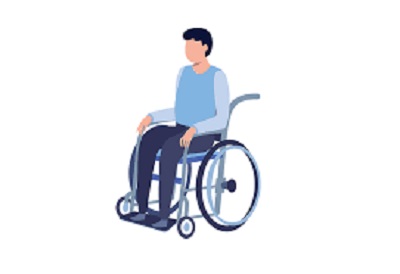
4. Ongoing Care and Recovery Some individuals may face enduring challenges such as muscle weakness, limb deformities, or mobility issues. Long-term care may entail: • Regular physiotherapy and exercise programs • Use of assistive devices like crutches, wheelchairs, or leg braces • Continuous neurological and orthopedic assessments • Psychological support for affected individuals and their families Given that complications may surface years later, survivors are frequently monitored for post-polio syndrome.
Timely diagnosis and thorough care are pivotal in enhancing the quality of life for those impacted by polio and minimizing the chances of serious disability or fatal outcomes.
polio definition
Prevention: The Importance of Vaccination
Polio stands as one of the most critical vaccine-preventable diseases worldwide. Widespread vaccination efforts have significantly decreased global cases, yet the virus has not been completely eliminated. Sustaining high vaccination rates remains crucial to safeguard individuals and communities against potential outbreaks.
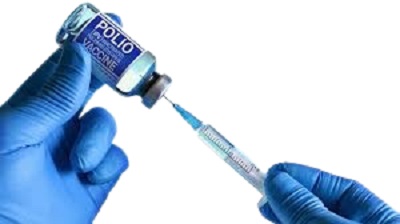
1. Types of Polio Vaccines: IPV and OPV Two primary vaccine types are utilized in global immunization efforts: • Inactivated Polio Vaccine (IPV): Administered via injection. It contains a killed virus that triggers the immune response without causing illness. IPV is prevalent in many countries due to its safety and efficacy. • Oral Polio Vaccine (OPV): Offered as drops. It features a weakened live virus that promotes robust intestinal immunity. OPV has been exceptionally effective in mass vaccination initiatives, particularly in resource-limited environments. Both vaccines assist the body in producing antibodies that confer protection against infection and prevent viral spread.
2. Importance of Completing the Vaccination Regimen Incomplete or missed doses create vulnerability to infection. Full immunization—especially in infancy and early childhood—is vital for achieving strong and enduring protection. Booster doses might be advised under specific circumstances, including travel or outbreak responses.
3. Herd Immunity and Community Shielding Achieving high vaccination rates fosters herd immunity, impeding the virus’s ability to spread within the population. This shields vulnerable groups like: • Unvaccinated infants • Individuals with compromised immune systems • Those unable to receive vaccinations for medical reasons A decline in vaccination rates heightens the likelihood of outbreaks.
4. Hygiene, Sanitation, and Public Health Efforts While vaccination remains the most effective preventive strategy, additional measures also curb transmission: • Proper handwashing after toilet use and prior to eating • Access to clean water and enhanced sanitation • Safe food preparation and waste disposal • Community health monitoring and outbreak reporting Together, these measures strengthen protection and contribute to keeping communities polio-free.
Why Polio Still Holds Significance Today
Despite a staggering decline of over 99% in global polio cases since the 1980s, polio continues to pose a crucial public health issue. Recognizing its ongoing significance underlines the necessity of vaccination, hygiene practices, and collective global action in disease prevention.
1. Persistent Global Health Issues Polio is not yet fully eliminated. Certain countries still report incidences of wild poliovirus, primarily due to: • Limited vaccination coverage • Political unrest or conflict hindering healthcare access • Misinformation and vaccine skepticism in various communities Even a single case can trigger localized outbreaks, highlighting the ongoing need for vigilance.
2. Risk of Vaccine-Derived Polio Though uncommon, vaccine-derived poliovirus (VDPV) can arise in regions with insufficient immunization rates. This phenomenon occurs when the attenuated virus in oral polio vaccines mutates and spreads, potentially leading to new infections. Ensuring high vaccination rates is essential to mitigate such risks.
3. Long-Lasting Effects on Survivors Individuals who have survived polio may face long-term health challenges, including: • Persistent limb weakness or deformities • Post-polio syndrome characterized by escalating fatigue and muscle pain • Severe respiratory complications in critical instances These enduring impacts demonstrate the disease’s continued relevance, even in areas with low current infection levels.
4. Insights for Global Health and Disease Control The campaign against polio has imparted important lessons for health initiatives, including: • The effectiveness of vaccination drives and widespread immunization • The necessity of surveillance and swift outbreak response • The importance of community education in curbing disease transmission Maintaining focus ensures that polio remains preventable rather than a recurring public health crisis.
5. Importance of Ongoing Awareness While most individuals today may not encounter polio directly, understanding its definition, symptoms, and prevention methods remains crucial. Awareness fosters vaccine acceptance, bolsters eradication efforts, and safeguards future generations from preventable diseases.
types of polio
Frequently Asked Questions About Polio
1. Can adults get polio? Yes. While polio typically impacts children under five, unvaccinated adults can also contract the virus and experience severe complications.
2. Is polio fully eradicated? Not yet. Wild poliovirus still exists in certain countries, and vaccine-derived cases may emerge in poorly immunized populations.
3. Is there a cure for polio?
There is no cure for polio. Treatment focuses on supportive care, rehabilitation, and addressing complications.
4. How does polio spread? The virus primarily spreads via the fecal–oral route (contaminated food or water) and occasionally through respiratory droplets.
5. Are polio vaccines safe? Yes. Both the Inactivated Polio Vaccine (IPV) and Oral Polio Vaccine (OPV) are safe, highly efficient, and crucial for preventing outbreaks.
6. What is post-polio syndrome? Post-polio syndrome is a condition that may develop years after infection, resulting in renewed muscle weakness, fatigue, and joint pain among polio survivors.
7. Can polio lead to permanent disability? Yes. Paralytic polio can cause permanent limb weakness, deformities, or severe respiratory issues in critical situations.
Key Takeaways • Polio, or poliomyelitis, is a viral illness that targets the nervous system, potentially leading to muscle weakness, paralysis, or death. • Most infections are mild, but paralytic polio and post-polio syndrome are significant complications. • Vaccination is the most effective preventive strategy, benefiting both individuals and communities through herd immunity. • Poor sanitation, low vaccination rates, and travel to at-risk areas heighten the risk of infection. • Ongoing awareness, hygiene, and immunization are vital since polio is not yet fully eradicated globally.
Conclusion
Polio transcends being merely a historical issue; it continues to impact lives worldwide, necessitating prevention, awareness, and vaccination efforts. Comprehending the disease’s definition, types, symptoms, and risk factors equips individuals to protect themselves and their communities. Although significant progress has been made toward eradicating the virus, global vigilance remains essential to ensuring future generations are free from this preventable disease. By staying informed and supporting immunization initiatives, we can work towards a world without polio.
polio definition, what is polio, polio symptoms, types of polio, polio definition, what is polio, polio symptoms, types of polio, polio definition, what is polio, polio symptoms, types of polio, polio definition, what is polio, polio symptoms, types of polio,
Polio Definition: 4 Types, Key Symptoms, and Why It Remains a Serious Global Threat