How to Manage an Ear Infection at Home: Safe Remedies and Medical Treatments Outlined
Introduction Dealing with an ear infection can be distressing, painful, and disrupt everyday activities for both adults and children. This ailment arises when bacteria, viruses, or fungi invade various parts of the ear, often following colds, viruses, or allergy-related congestion. While some ear infections are mild and may resolve independently, others can escalate quickly if not properly treated—leading to complications like hearing loss or persistent discomfort.
Many individuals seek at-home treatments for ear infections to alleviate symptoms swiftly and minimize unnecessary medication use. However, it’s essential to recognize that not all home remedies are safe and selecting inappropriate treatments can sometimes exacerbate the infection. Being informed about effective at-home solutions, necessary medical interventions, and when to seek professional help is crucial for a safe and successful recovery.
In this guide, you’ll discover how to manage an ear infection at home using safe, scientifically supported remedies, and gain insight into common medical treatments recommended by healthcare professionals. This article aims to equip you with the knowledge to make informed choices, ease discomfort, and identify red flags that necessitate medical attention, ensuring appropriate care for both adults and children.
ear infection
What Is an Ear Infection?
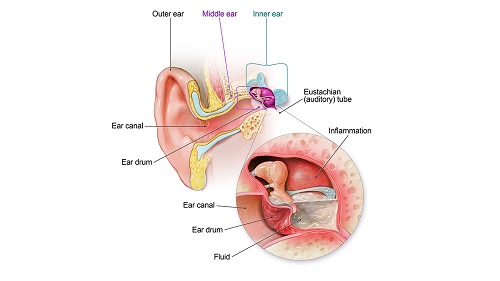
An ear infection occurs when bacteria, viruses, or fungi invade and provoke inflammation in one or more ear regions. This inflammation can result in pain, swelling, fluid accumulation, and, occasionally, temporary hearing loss. Ear infections are prevalent in both adults and children, but they tend to occur more frequently in children due to the anatomical structure of their ears and their developing immune systems.
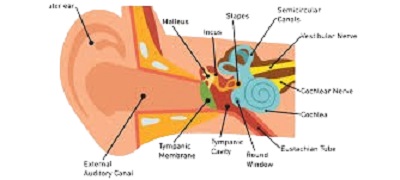
Most ear infections arise when fluid becomes trapped in the ear, typically following a cold, sinus infection, or allergic response. When proper drainage is hindered, germs can proliferate, leading to an infection. Ear infections can affect various sections of the ear—outer, middle, or inner ear—resulting in different symptoms and severity based on the affected area.
While many ear infections are mild and resolve independently, some situations demand medical intervention, especially if symptoms are pronounced or persistent. Understanding the nature of ear infections and their development is the first step in selecting the appropriate treatment and avoiding complications.
Types of Ear Infections
Ear infections are categorized based on the area they impact. Each type has unique causes, symptoms, and treatment methods. Recognizing these distinctions helps determine whether home care is adequate or if medical attention is needed.
Outer Ear Infection (Otitis Externa)
These infections influence the ear canal, extending from the outer ear to the eardrum, commonly referred to as swimmer’s ear.
Common triggers include: • Water retention post-swimming or bathing • Minor injuries from cotton swabs or fingernails • Bacterial or fungal growth in a damp ear canal
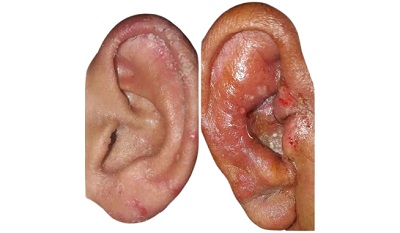
Regular symptoms include: • Itching or redness in the ear canal • Pain that intensifies when the ear is touched • Swelling and discharge • Temporary hearing issues Outer ear infections often respond positively to prescribed ear drops and appropriate ear care.
Middle Ear Infection (Otitis Media)
Middle ear infections occur behind the eardrum and are the most prevalent type, particularly among children. Common triggers include: • Colds, flu, or sinus infections • Blocked Eustachian tubes • Bacterial or viral infections
Signs to watch for: • Ear pain or pressure • Fever • Fluid accumulation behind the eardrum • Difficulties hearing • Irritability or ear tugging in children Some middle ear infections can resolve on their own, though others may require antibiotics, particularly when symptoms are severe or lingering.
types of ear infections
Inner Ear Infection (Labyrinthitis) Inner ear infections impact the inner ear structures responsible for balance and hearing. Although less common, they can be more serious. Common causes include: • Viral infections • Complications from unresolved ear or respiratory infections
Typical signs include: • Dizziness or vertigo • Balance issues • Nausea or vomiting • Altered hearing Inner ear infections usually necessitate professional consultation and should not rely solely on at-home treatments.
Recognizing the type of ear infection is vital for adopting safe and effective treatment measures while avoiding potential complications.
Common Symptoms of an Ear Infection
Symptoms of an ear infection can vary based on its type and the age of the individual affected. Some symptoms are mild and resolve within a few days, while others may signal a more serious issue that requires medical attention. Common symptoms include: • Ear pain or discomfort, ranging from sharp to dull or throbbing • A sensation of pressure or fullness in the ear • Fluid drainage, which may be clear, yellow, or pus-like • Muffled or reduced hearing • Fever, especially in children • Headache or general malaise
Additional symptoms in children may include: • Pulling or tugging at the ear • Increased irritability or excessive crying • Difficulty sleeping • Loss of appetite or feeding challenges
Symptoms warranting immediate medical evaluation include: • Severe or escalating ear pain • Dizziness or balance disturbances • Tinnitus (ringing in the ear) • Nausea or vomiting • Sudden hearing loss
If symptoms persist for more than a few days, worsen over time, or occur in infants and young children, it’s crucial to seek medical evaluation to avert complications and secure suitable treatment.
Can Ear Infections Be Treated at Home?
Managing some ear infections at home is possible, but this largely depends on infection type, symptom severity, and the age of the affected individual. Mild ear infections, especially those of viral origin, often improve independently within days with appropriate rest and symptom management.
Home treatment is generally suitable for mild cases characterized by low-level pain, slight ear pressure, and the absence of fluid drainage or high fever. In such instances, supportive care can aid in alleviating discomfort while the body combats the infection. This may encompass pain management, rest, and basic measures to alleviate pressure and inflammation.
However, not every ear infection is appropriate for at-home management. Medical evaluation is necessary if symptoms are acute, worse after two to three days, or include high fever, notable hearing loss, dizziness, or ear discharge. Infants, toddlers, and individuals with compromised immune systems warrant prompt medical assessment. While home remedies can be effective for symptom relief, they should never replace professional medical care when warning signs are present. Recognizing when home treatment is appropriate—and when to consult a doctor—is paramount to preventing complications and ensuring effective healing.
Effective Home Remedies for Ear Infection Relief
Home remedies can alleviate mild ear infection pain and discomfort, especially while the body recovers or symptoms are being monitored. These approaches emphasize symptom relief and support recovery rather than curing the infection itself. It’s crucial to avoid inserting any objects or liquids into the ear without advice from a healthcare provider.
Warm Compress
Using a warm compress on the impacted ear can alleviate pain and pressure. Usage Instructions: • Soak a clean cloth in warm (not hot) water. • Wring out excess water and gently place it over the ear for 10-15 minutes. • Repeat as necessary a few times throughout the day.
Over-the-Counter Pain Medications Pain relievers can alleviate discomfort and lower fever. Common choices include: • Acetaminophen (paracetamol) • Ibuprofen Follow dosage guidelines, and these medications are typically safe for both adults and children when used properly.
Sufficient Rest and Hydration Rest allows the immune system to work effectively, while staying hydrated can help thin mucus and lessen congestion, easing ear pressure. Tips: • Ensure ample sleep. • Drink plenty of water and fluids daily.
Elevating the Head During Sleep Keeping the head slightly elevated can aid ear drainage and minimize pressure. Benefits: • Prevents fluid accumulation in the ear. • Eases pain at night. Use an additional pillow for comfortable head elevation.
Saltwater Gargle (For Related Throat or Sinus Congestion) If the ear infection connects to throat pain or sinus congestion, gargling warm saltwater can provide indirect relief by decreasing throat inflammation. Preparation: • Combine half a teaspoon of salt with a glass of warm water. • Gargle for 20-30 seconds, then spit it out.
Important Safety Reminder:
Avoid ear candling, cotton swabs, undiluted essential oils, or pouring liquids into the ear. These methods can cause injury or worsen the infection. Home remedies can offer comfort but should be paired with careful symptom observation. Consult a healthcare provider if pain escalates or symptoms continue. **Medical Treatments for Ear Infections** Medical attention for ear infections varies based on infection type, severity, and the patient’s age and health status. While some infections might clear up without prescriptions, others necessitate professional treatment to avoid complications and ensure proper recovery.
ear infection treatment
Antibiotics Antibiotics are prescribed for bacterial ear infections when symptoms are moderate to severe or persistent. Key Details: • Commonly prescribed for middle ear infections (otitis media). • Ineffective against viral infections. • Often recommended for infants, young children, or recurrent infections. • Must be taken exactly as directed, even if symptoms improve.
Antibacterial or Antifungal Ear Drops Ear drops are commonly utilized for outer ear infections (otitis externa). Indications for Use: • To target bacteria or fungi directly in the ear canal. • To alleviate inflammation and swelling. Proper application is crucial for effectiveness and to prevent irritation.
Pain-Relief Ear Drops These drops relieve discomfort but do not address the root infection. Key Considerations: • Should be used under medical supervision. • Not appropriate for a ruptured eardrum. • Typically combined with other treatments.
Corticosteroids In some instances, corticosteroids may be prescribed to decrease swelling and inflammation, especially when symptoms are pronounced. Ear Tubes (For Recurrent Infections) For individuals, especially children, who face frequent ear infections, ear tubes may be advised.
Advantages Include: • Enhanced fluid drainage. • Lowered risk of future infections. • Improved hearing and speech development in children.
Medical treatment ensures the infection is managed safe and effectively. A healthcare provider can determine the best course based on symptoms and medical history.
Home Remedies to Avoid While many seek home remedies for quick relief, some widely suggested methods can be unsafe and may exacerbate an ear infection or cause lasting damage. It’s vital to avoid these practices to protect ear health and prevent complications.
Ear Candling Ear candling is often claimed to eliminate wax or toxins but lacks medical support. Reasons to Avoid: • Can result in burns to the ear or face. • May puncture the eardrum. • Does not effectively treat infections or remove earwax.
Cotton Swabs or Sharp Objects Inserting cotton swabs, hairpins, or other items into the ear can cause harm. Potential Risks Include: • Pushing infections or wax deeper into the ear canal. • Irritating or injuring the ear canal. • Increasing the risk of damage to the eardrum.
Undiluted Essential Oils Some essential oils marketed as natural treatments can irritate delicate ear tissues. Possible Dangers: • Chemical burns or allergic reactions. • Increased inflammation. • Damage to the ear canal or eardrum.
Pouring Liquids Directly Into the Ear Using oils, alcohol, hydrogen peroxide, or herbal mixtures without medical advice poses risks. Why It’s Unsafe: • Could worsen the infection. • May cause severe pain if the eardrum becomes damaged. • Increases the likelihood of complications. Ignoring Symptoms or Delaying Treatment
Neglecting an ear infection can result in serious consequences. Potential Outcomes Include: • Spread of infection. • Chronic ear issues. • Temporary or permanent hearing loss. Avoiding these unsafe remedies and seeking proper medical guidance when needed are critical for safe and effective management of ear infections.
ear infection remedies
How Long Does an Ear Infection Take to Heal?
The healing duration for an ear infection can differ based on the infection type, severity, the patient’s age, and whether appropriate care is given. Knowing typical recovery timelines can assist in tracking progress and determining when further medical attention is necessary.
Mild Ear Infections • Typically caused by viruses. • Usually improve within 3 to 7 days independently. • Symptoms such as minor pain or pressure may last a bit longer.
Moderate to Severe Ear Infections • Bacterial infections or those in children may need antibiotics. • With proper treatment, most infections improve within 7 to 10 days. • Pain and fever usually decrease within 2 to 3 days following antibiotic initiation.
Recurrent or Chronic Ear Infections • Some individuals, notably children, may have repeated infections. • Chronic infections may take weeks to resolve completely. • Additional interventions, such as ear tubes, may become necessary.
Factors Influencing Healing Speed: • Age (children may take longer to recover than adults). • Immune system strength. • Promptness of treatment. • Presence of underlying conditions (e.g., allergies, sinus infections).
Warning Signs of Delayed Recovery: • Persistent or intensifying ear pain. • Ongoing fever. • Continuous fluid discharge. • Hearing loss that does not improve. If symptoms do not improve within the expected time frame, or worsen, it is essential to contact a healthcare professional to avert complications.
When to Consult a Doctor
While mild ear infections may resolve with home care, specific indicators highlight the need for professional evaluation. Seeking prompt care can prevent complications and ensure appropriate treatment. Seek immediate medical help if experiencing: • Severe or worsening ear pain that isn’t alleviated by over-the-counter pain relief. • High fever (particularly in children). • Discharge from the ear that is yellow, green, or bloody. • Hearing loss or a sudden decrease in hearing ability. • Dizziness, vertigo, or balance issues. • Persistent symptoms lasting more than 2-3 days without improvement.
Special Considerations: • Infants and small children: Any indications of ear infection in babies under 6 months should be assessed instantly. • Recurrent infections: Frequent ear infections in children or adults may require further investigation to locate underlying issues. • Immune system concerns: Individuals with weakened immunity, diabetes, or chronic conditions should see a doctor swiftly if an ear infection arises. Timely assessment by a healthcare provider ensures effective treatment, prevents complications like hearing loss, and determines if antibiotics, ear drops, or additional interventions are needed.
Preventing Ear Infections Prevention is often the most effective approach for minimizing discomfort, complications, and the frequency of ear infections. While not all infections can be avoided, adopting healthy habits and simple precautions can significantly decrease risk.
1. Ensure Proper Ear Care • Gently clean the outer ear with a soft cloth. • Avoid inserting cotton swabs or sharp tools into the ear canal. • Keep ears dry after bathing or swimming.
2. Address Allergies and Colds • Quickly manage nasal congestion to prevent fluid accumulation in the middle ear. • Utilize saline sprays or allergy meds as advised by a physician. • Promote good hand hygiene to lessen exposure to colds and flu.
3. Keep Ears Dry • Use earplugs or a shower cap when swimming or bathing. • Thoroughly dry ears afterward by tilting the head to facilitate fluid drainage.
4. Strengthen the Immune System • Ensure a diet that is balanced and rich in essential vitamins and minerals. • Ensure sufficient sleep and engage in regular physical activity. • Stay hydrated to support healthy mucus flow and prevent infections.
5. Benefits of Breastfeeding for Infants • Breastfeeding for a minimum of 6 months can lower the risk of ear infections in infants by bolstering their immune defenses.
6. Keep Vaccinations Up to Date • Quit the latest immunizations, including flu shots and pneumococcal vaccines, as they reduce the risk of ear infections resulting from bacterial causes.
By adhering to these preventive strategies, you can lessen the chance of ear infections, enhance recovery when they occur, and safeguard your ear health overall. Frequently Asked Questions (FAQs) The following are common queries about ear infections with answers to provide insight and assistance:
1. Can an ear infection resolve without antibiotics? Indeed, mild ear infections, particularly those of viral origin, can often clear up on their own within a few days. Antibiotics are typically reserved for bacterial infections or severe instances.
2. Is flying with an ear infection safe? Flying with an ear infection may be uncomfortable due to pressure shifts, potentially intensifying pain. Using decongestants or swallowing often can help, but it’s advisable to consult a physician if symptoms are serious.
3. Are ear infections contagious? Ear infections are not contagious. However, the colds or respiratory illnesses that can lead to ear infections are transmissible.
4. Can adults frequently experience ear infections? Yes, adults can suffer from ear infections, although they are less prevalent than in children. Risk factors encompass sinus infections, allergies, and exposure to contaminated water.
5. What occurs if ear infections go untreated? Failure to treat ear infections may result in complications like chronic infections, hearing impairment, eardrum perforation, or the spread of infection to surrounding tissues. Severe cases could necessitate surgical intervention.
6. How can I distinguish between outer and middle ear infections? • Outer ear infection: Pain when touching or pulling the ear, itching, and discharge. • Middle ear infection: Deep ear pain, fluid presence behind the eardrum, fever, and sometimes hearing impairments.
7. Are home remedies sufficient for children with ear infections? While mild cases may be managed at home under supervision, children, particularly those under age 2, should be assessed by a physician to avert complications.
8. Can ear infections cause permanent hearing issues? Most ear infections resolve without enduring hearing loss, but repeated or severe infections can occasionally lead to temporary or permanent damage. Timely treatment minimizes this risk.
9. How can I prevent my child from getting ear infections? Practice good hygiene, limit exposure to colds, address allergies, ensure timely vaccinations, and avoid bottle-feeding while lying flat.
10. When should I seek immediate medical attention? Obtain prompt care for severe pain, elevated fever, ear discharge with pus or blood, dizziness, hearing loss, or if symptoms persist beyond 2–3 days.
medical treatment for ear infection
Conclusion
Ear infections are frequent but can be uncomfortable and disruptive if not properly managed. While many mild infections may improve with safe home remedies, knowing when to seek medical help is vital to avert complications like hearing loss, chronic infections, or inner ear damage.
Employing remedies such as warm compresses, over-the-counter pain relievers, adequate rest, and hydration can effectively alleviate symptoms, while medical interventions—including antibiotics, ear drops, or ear tubes—are crucial for more severe or persistent cases. Preventative measures are equally critical: maintaining good ear hygiene, managing colds and allergies, keeping ears dry, and ensuring up-to-date vaccinations can substantially decrease the risk of future infections.
By integrating thoughtful home care, awareness of warning signs, and timely medical intervention, you can successfully manage ear infections, alleviate discomfort, and preserve your long-term ear health.
Originally posted 2026-01-16 13:50:32.
7 Ear Infection Home Treatments: Safe Remedies & Medical Care