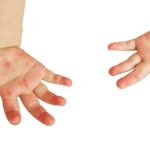
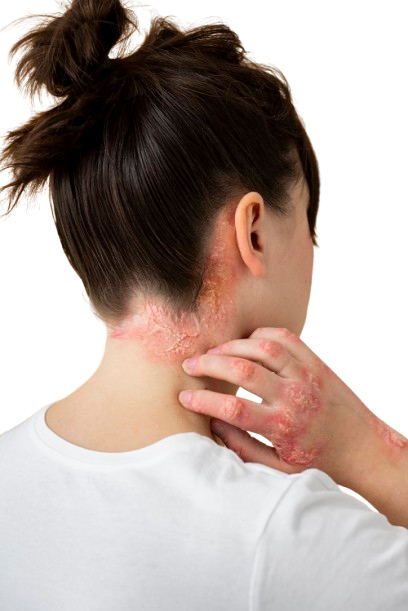
Impetigo on Black Skin: Symptoms, Causes, Treatment, and Prevention
Impetigo is a highly contagious bacterial skin infection primarily seen in infants and young children, though it can also occur in adults. While the appearance of impetigo is generally similar across various skin tones, on dark skin, it may exhibit unique characteristics, making early detection more challenging.
Instead of the bright red inflammation often observed on lighter skin, affected areas on darker skin may present as dark brown, purple, grey, or slightly darker than the surrounding skin, leading to potential delays in diagnosis and treatment.
Fortunately, impetigo is typically treatable with antibiotics, and most individuals recover without lasting skin issues. This guide will discuss how impetigo manifests on dark skin, its symptoms, causes, treatment options, prevention methods, and when to seek medical assistance.
What Is Impetigo?
Impetigo is a superficial bacterial infection caused by the following: – Staphylococcus aureus – Streptococcus pyogenes (Group A Streptococcus)
The infection arises when bacteria breach the skin through: – Minor cuts – Insect bites – Scratches – Eczema – Chickenpox sores – Dry or cracked skin
It spreads swiftly through direct skin contact or via contaminated items such as towels, clothing, and bedding.
impetigo on black skin
How Does Impetigo Appear on Black Skin?
Impetigo can manifest differently on dark skin compared to lighter skin, complicating early identification. Rather than vivid redness, the afflicted areas on dark skin may look dark brown, reddish-brown, purple, grey, or darker than the surrounding skin. Despite these variations, the infection typically develops and responds to the same treatments as seen in lighter skin.
At the onset, you might observe small bumps, blisters, or patches that are itchy or slightly tender. These blisters, often filled with clear or yellowish fluid, can rupture easily. Once broken, they leave behind characteristic honey-colored or golden-yellow crusts, which are particularly noticeable against darker skin.
As the infection advances, sores may grow or spread to adjacent areas due to scratching or close contact. The skin surrounding the sores may become swollen, warm, or painful, and in more severe cases, nearby lymph nodes may also swell.
When the infection resolves, many individuals with dark skin experience post-inflammatory hyperpigmentation, causing the affected area to appear darker than the surrounding skin. Though these dark spots usually fade within weeks or months, they may persist longer for some individuals. Less frequently, healed skin might initially seem lighter than the surrounding area before returning to its normal hue.
Common signs of impetigo on dark skin include: – Dark brown, reddish-brown, purple, or gray patches – Small fluid-filled blisters that rupture easily – Honey-colored or golden-yellow crusts on sores – Itching or mild tenderness – Sores that spread rapidly if scratched – Temporary dark marks post-healing
While the characteristic crusts often indicate impetigo, other skin conditions, such as eczema, fungal infections, herpes simplex, or insect bites, can appear similar. If you are uncertain about a rash or if the sores escalate quickly, turn painful, or are accompanied by fever, it is crucial to consult a healthcare professional for an accurate diagnosis and appropriate treatment.
Common Areas Affected
Impetigo most frequently occurs around the following: – Nose – Mouth – Chin – Hands – Arms – Legs – Feet
In children, it often develops on the face, while adults may encounter impetigo following shaving, sports injuries, or skin trauma.
Types of Impetigo
Impetigo is divided into three primary types based on its appearance and depth of skin involvement. Although each type has distinct features, all are caused by bacteria and require prompt treatment to prevent spreading.
1. Non-Bullous Impetigo (Crusted Impetigo) This variant is the most prevalent, comprising roughly 70-80% of cases. It is typically caused by Staphylococcus aureus and Streptococcus pyogenes or a combination of both. This type often appears around the nose and mouth but can also affect the arms, legs, and other exposed body parts.
Symptoms: – Small, dark-colored sores that break open rapidly – Honey-colored or golden-yellow crusts on sores – Mild itching or irritation – Slight swelling near the affected area – Easily spreads sores because of scratching
On dark skin, the sores may show as dark brown, reddish-brown, purple, or grey rather than bright red. The honey-colored crusts remain a primary indicator regardless of skin tone.
2. Bullous Impetigo This form is less common and arises exclusively from specific strains of Staphylococcus aureus that generate toxins, causing the skin’s outer layer to separate, resulting in large, fluid-filled blisters (bullae). Bullous impetigo occurs more frequently in infants and young children, but adults can also be impacted.
impetigo symptoms on dark skin
Symptoms: – Large, painless blisters filled with clear or yellow fluid – Easily ruptured blisters, leaving moist, red,, or darkened skin – Thin, light-brown crusts post-rupture – Mild itching – Occasionally accompanied by fever or swollen lymph nodes
The blisters typically appear on the trunk, arms, legs, diaper area, or neck.
3. Ecthyma (Deep impetigo) Ecthyma represents a more severe variation of impetigo that penetrates deeper into the skin. The same bacteria that cause non-bullous impetigo usually cause it, but it affects layers beyond the skin’s surface. Without prompt treatment, ecthyma could result in permanent scarring.
Symptoms: – Painful sores or ulcers – Thick yellow, brown, or black crusts – Swelling and redness or dark discoloration around sores – Deeper wounds that heal more slowly – Potential for scarring post-recovery
Ecthyma most commonly impacts the legs, feet, and lower body, especially in individuals with diabetes, compromised immune systems, or poor circulation.
Comparison of the Three Types of Impetigo
Type
Main Features
Common Locations
Risk of Scarring
Non-Bullous Impetigo
Small sores with honey-colored crusts
Face, nose, mouth, arms, legs
Rare
Bullous Impetigo
Large fluid-filled blisters
Trunk, arms, legs, diaper area
Rare
Ecthyma
Deep ulcers with thick crusts
Legs, feet, lower body
Higher risk
Causes of Impetigo
Risk factors include: • Hot and humid conditions • Inadequate hygiene • Close interaction with infected persons • Skin issues like eczema • Insect stings • Cuts and abrasions • Diabetes • Compromised immune system • Involvement in contact sports
Is Impetigo More Common in Black Individuals? No. Impetigo can affect anyone, regardless of skin tone. However, identifying the infection may be more difficult on darker skin due to less visible redness. Early detection enhances treatment success.
How Is Impetigo Diagnosed? Medical professionals typically diagnose impetigo via a physical exam. Occasionally, they may: • Take a swab of the sore for bacterial analysis • Request lab tests if the infection recurs • Differentiate from other skin disorders
Treatment for Impetigo
Treatment varies based on the infection’s extent. Topical Antibiotics You can treat small areas with prescription antibiotic ointments, including: • Mupirocin • Retapamulin Users usually apply these for 5–7 days.
Oral Antibiotics More extensive infections may necessitate oral antibiotics like the following: • Cephalexin • Dicloxacillin • Amoxicillin-clavulanate Your doctor will select the most suitable antibiotic for your needs.
impetigo treatment
Home Care Recommendations
While antibiotics manage the infection, the following practices can help prevent its spread: • Wash hands often. • Gently cleanse sores with warm water. • Carefully remove crusts after soaking. • Apply prescribed medication as directed. • Keep wounds covered with clean dressings. • Refrain from scratching. • Wash towels and bedding daily until healed. • Avoid sharing belongings.
Duration of Impetigo With appropriate treatment: • Improvement usually starts within 2–3 days. • Most infections resolve in 7–10 days. • Children are typically much less contagious after 24 hours of appropriate antibiotic treatment. Without treatment, the infection could persist for several weeks and spread to others.
Possible Complications While rare, complications may include: • Cellulitis • Kidney inflammation following specific streptococcal infections • Scarring (more frequent with ecthyma) • Temporary changes in skin color • Recurring infections
Preventing Impetigo
While highly contagious, there are effective measures to minimise your risk of contracting or spreading impetigo. Prioritise personal hygiene and proper wound care, and limit close contact with infected people.
1. Wash Your Hands Regularly Regular handwashing with soap and water is essential to eliminate bacteria that can lead to impetigo. Wash your hands: • Before meals or food prep • After using the restroom • After touching cuts, sores, or bandages • After attending to someone with impetigo If soap and water aren’t available, utilise an alcohol-based sanitiser.
2. Keep Cuts and Scrapes Clean Bacteria can enter through broken skin. Promptly clean minor cuts, scratches, insect bites, and abrasions with mild soap and water, then cover with a clean bandage until healing.
3. Avoid Sharing Personal Items Do not share skin-contact items such as the following: • Towels • Washcloths • Clothing • Linens • Razors • Sports gear Wash these items frequently, especially if someone in your household has impetigo.
4. Keep Fingernails Trimmed and Clean Scratching can transmit bacteria from one part of the body to another and raise infection risk. Maintaining short, clean fingernails minimizes skin damage and bacterial spread.
5. Practise Good Personal Hygiene Regular bathing with soap and water helps keep skin bacteria-free. Encourage children to bathe frequently, particularly after outdoor play or sports.
6. Address Skin Conditions Promptly Conditions like eczema, athlete’s foot, and insect bites can create entry points for bacteria. Managing these conditions quickly reduces the likelihood of impetigo.
7. Cover Oozing Sores If you or your child is affected by impetigo, cover the wounds with clean, dry dressings when possible. This prevents bacteria from spreading to others or other areas of the body.
8. Wash Clothing and Bedding Regularly Separate and wash towels, clothing, sheets, and pillowcases used by an infected individual in hot water, and dry them thoroughly before reuse.
9. Stay Home Until Non-Contagious Children with impetigo should remain home from school or daycare, and adults should refrain from close-contact activities until they’ve been on appropriate antibiotic treatment for at least 24 hours or as advised by their healthcare professional.
10. Avoid Close Skin-to-Skin Contact Until healing is complete, refrain from activities involving direct skin contact, such as wrestling or contact sports, to limit bacterial spread.
bacterial skin infection
Key Prevention Tips • Wash hands regularly using soap and water. • Clean and cover cuts, scrapes, and insect bites. • Avoid sharing linens, clothing, or personal items. • Keep fingernails short to deter scratching. • Manage eczema and other skin issues promptly. • Cover infected sores with clean dressings. • Launder clothing, towels, and bedding in hot water. • Stay home for at least 24 hours post-antibiotic initiation. • Avoid close contact with infected individuals.
By following these straightforward preventive measures, you significantly lower the chances of impetigo affecting you and foster a safer environment for your family, peers, and community. Early identification and timely treatment are crucial for preventing complications and limiting the spread.
When to Consult a Doctor
While mild impetigo cases generally respond well to treatment, seeking medical advice is essential if you suspect the infection, particularly if it’s escalating or worsening. Quick diagnosis and intervention can prevent complications, shorten illness duration, and minimize the risk of infection spread.
You should contact a healthcare provider if you experience the following: • Severe fever or illness. • Rapidly expanding redness, swelling, or pain around the sores. • Breathing difficulties or swallowing issues (though rarely, this can be serious). • Symptoms of cellulitis, with extensive redness, warmth, swelling, and tenderness extending beyond the original sores. • Signs of dehydration, particularly in young children, include not eating or drinking adequately.
Importance of Early Treatment
Early treatment with the right antibiotics can • Prevent infection spread. • Accelerate healing. • Alleviate discomfort and itching. • Reduce complication risks, like cellulitis or kidney inflammation. • Stop transmission to family members, classmates, or coworkers.
If you notice crusted sores, blisters, or unusual skin changes resembling impetigo—particularly on Black skin where redness might be less prominent—don’t hesitate to seek medical guidance. Prompt diagnosis and appropriate treatment typically yield complete recovery within 7 to 10 days.
Frequently Asked Questions (FAQs)
1. What does impetigo look like on Black skin? On Black skin, impetigo may show as dark brown, reddish-brown, purple, or grey patches, as opposed to bright red sores. Blisters may burst and create distinct honey-colored or golden-yellow crusts. After healing, some individuals might see temporary dark marks (post-inflammatory hyperpigmentation).
2. Is impetigo contagious? Yes, impetigo is quite contagious, spreading through direct skin contact or by sharing contaminated items like towels, clothing, bedding, or razors. It can also be transmitted when an infected person scratches the sores and then touches other body areas.
3. What causes impetigo? Bacteria, especially Staphylococcus aureus and Streptococcus, primarily cause the infection pyogenes (Group A Streptococcus). These bacteria can penetrate the skin through small cuts, insect bites, scratches, eczema, or any breaks in the skin barrier.
4. Who is most at risk of developing impetigo? While anyone can contract impetigo, those at higher risk include: • Infants and young children • Individuals with eczema or other skin issues • People living in warm, humid environments • Athletes in close-contact sports • Those with weakened immune systems or diabetes
5. Can adults get impetigo? Yes, adults can also develop impetigo, though it is more prevalent in children. It often occurs after skin injuries, shaving cuts, insect bites, or close encounters with someone infected.
6. How is impetigo treated? For mild cases, treatment typically involves prescription antibiotic creams or ointments. More severe or widespread infections may necessitate oral antibiotics. It’s crucial to complete the entire treatment course, even if sores start to heal.
7. How long does impetigo take to heal? With proper treatment, most cases improve within 2 to 3 days and fully heal in about 7 to 10 days. Without treatment, the infection can persist for weeks and may spread to others.
8. Can impetigo go away on its own? Some mild cases might eventually clear without treatment, but antibiotics are advisable, as they promote faster healing, lower the risk of complications, and reduce contagiousness.
9. Does impetigo leave scars? Most cases of non-bullous and bullous impetigo resolve without scarring. However, ecthyma, a more severe form, can damage deeper skin layers, potentially leading to permanent scars. Temporary dark spots may also appear on black skin post-healing.
10. Can I go to school or work if I have impetigo? Individuals with impetigo should avoid close contact until they have been on appropriate antibiotic treatment for at least 24 hours or as directed by their healthcare provider to reduce the risk of spreading the infection.
11. Can impetigo come back? Yes, some individuals experience recurrent impetigo, particularly if they have unresolved eczema, frequent skin injuries, or exposure to bacteria carriers. Maintaining good hygiene and treating underlying skin conditions can help minimize recurrence likelihood.
12. When should I see a doctor? Consult a healthcare professional if: • The sores rapidly spread or become very painful. • You develop a fever or swollen lymph nodes. • The infection fails to improve after a few days of treatment. • Sores are deep, large, or produce excessive pus. • You have diabetes or an impaired immune system. • You are uncertain if the rash is impetigo or another skin condition.
Impetigo is a widespread bacterial skin infection that can affect individuals of all skin tones. On Black skin, early symptoms may be less apparent, as redness can manifest as brown, purple, or gray hues. Identifying these variations, seeking prompt treatment, and maintaining good hygiene practices can help prevent the spread of the infection and promote quicker recovery. If you suspect impetigo, it’s important to consult a healthcare professional for an accurate diagnosis and appropriate treatment.
Medical Disclaimer This article serves educational purposes only and is not intended as a substitute for professional medical advice, diagnosis, or treatment. Always consult a qualified healthcare provider if you suspect impetigo or any other skin infection.