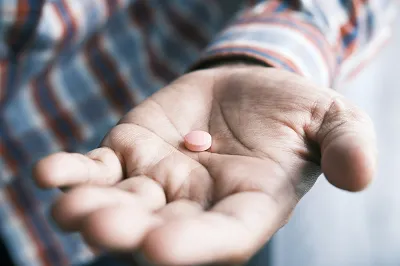
Male Fertility Drugs: Types, Benefits, Side Effects, and Success Rates
Infertility impacts millions of couples globally, with male factors accounting for around 40-50% of infertility cases. While it’s commonly believed that fertility issues predominantly affect women, male fertility is equally crucial for conception.
If you and your partner have faced challenges in conceiving, you may have encountered information about male fertility medications. These drugs can enhance fertility in some men, but they aren’t a one-size-fits-all solution. Their effectiveness hinges on the specific cause of infertility, making a thorough medical assessment vital before beginning any treatment.
In this detailed guide, you will discover what male fertility medications are, how they function, which individuals might benefit from them, their potential side effects, and what success rates can realistically be expected.
What Are Male Fertility Drugs?
Male fertility drugs are prescription medicines designed to address specific causes of male infertility. They act by correcting hormonal imbalances, boosting sperm production, or treating medical issues that disrupt normal reproductive functions.
Unlike over-the-counter fertility supplements, prescribed fertility medications should only be administered under the guidance of a qualified healthcare professional. A doctor typically conducts blood tests, a semen analysis, and possibly imaging studies before prescribing any medication.
It’s important to recognize that fertility drugs don’t work for every man. They tend to be most effective when infertility stems from hormonal issues rather than structural defects or certain genetic disorders.
Understanding Male Infertility
Before exploring treatment possibilities, it’s important to grasp the prevalent causes of male infertility. Some common causes include:
– Low sperm count
– Reduced sperm motility
– Abnormal sperm shape
– Hormonal disorders
– Varicocele (swollen veins in the scrotum)
– Genetic disorders
– Infections of the reproductive system
– Certain medications
– Lifestyle factors like smoking, excessive alcohol use, and drug use
– Obesity
– Exposure to environmental toxins
Since each factor necessitates distinct treatment strategies, accurately diagnosing the reason for infertility is the first step towards effective management.
Common Types of Male Fertility Drugs
There are various prescription medications available to address male infertility. The appropriate choice depends on the underlying cause, as determined through medical evaluation.
1. Clomiphene Citrate (Clomid)
Clomid, known as clomiphene citrate, is a widely prescribed medication for specific types of male infertility. Although it’s officially approved for women, doctors sometimes prescribe it off-label for men. Clomid stimulates the pituitary gland to increase levels of luteinizing hormone (LH) and follicle-stimulating hormone (FSH), encouraging the testicles to produce more testosterone and sperm.
It may be recommended for men with:
– Low testosterone from hormonal imbalances
– Low sperm counts
– Certain unexplained infertility cases
Possible side effects include:
– Headaches
– Mood swings
– Blurred vision (rare)
– Acne
– Breast tenderness
– Weight gain
Many men notice improvements in sperm production within three to six months, although results will vary.
2. Human Chorionic Gonadotropin (hCG)
hCG is an injectable hormone that mimics LH, stimulating the testicles to produce testosterone, essential for healthy sperm production. It is often prescribed for men with hypogonadotropic hypogonadism, where the brain fails to produce enough hormones to stimulate the testes.
Benefits of hCG therapy may include:
– Increased testosterone production
– Enhanced sperm production
– Improved sexual function in men with hormone deficiencies
Possible side effects include:
– Pain at the injection site
– Acne
– Fluid retention
– Breast enlargement
– Mood changes
Treatment typically lasts several months, with routine blood tests and semen analyses to monitor progress.
3. Follicle-Stimulating Hormone (FSH)
FSH is vital for sperm production. Some men produce inadequate FSH, resulting in poor sperm maturation. Synthetic FSH injections can stimulate testicular cells responsible for sperm production.
FSH treatment is generally suggested for men with hormone deficiencies rather than those with normal hormone levels. Side effects may include:
– Mild injection site discomfort
– Headache
– Fatigue
– Rare allergic reactions

Doctors commonly administer FSH alongside hCG for optimal results.
4. Human Menopausal Gonadotropin (hMG)
hMG contains both FSH and LH. It may be prescribed if hCG therapy alone doesn’t sufficiently stimulate sperm production. By providing both necessary hormones, hMG can enhance fertility in men with specific hormone deficiencies.
Common side effects include:
– Injection site discomfort
– Mild swelling
– Headaches
– Fatigue
5. Aromatase Inhibitors
Medications like anastrozole and letrozole may be offered to men whose bodies excessively convert testosterone into oestrogen. By lowering oestrogen production, these drugs can help elevate natural testosterone levels and boost sperm production in selectively chosen patients.
Potential side effects include:
– Joint pain
– Fatigue
– Dizziness
– Long-term use may decrease bone density
Not all men experiencing infertility will benefit from aromatase inhibitors, which is why thorough medical assessment before treatment is crucial.
6. Dopamine Agonists
Elevated prolactin levels, often due to pituitary disorders, can lead to infertility in some men. Medications like cabergoline or bromocriptine can lower prolactin, restoring normal testosterone production and enhancing sperm development.
Possible side effects may include:
– Nausea
– Dizziness
– Fatigue
– Low blood pressure upon standing
7. Antibiotics
If infertility is due to a bacterial infection in the reproductive tract, antibiotics may resolve the infection and improve reproductive health. However, treating the infection doesn’t guarantee restored fertility, especially if there has already been damage.
It’s important to complete the entire prescribed course of antibiotics.
How Do Male Fertility Drugs Work?
Male fertility drugs function differently based on the prescribed medication. They may:
– Naturally boost testosterone production
– Stimulate sperm generation
– Correct hormonal imbalances
– Restore normal communication between the brain and testicles
– Address infections impacting reproductive health
Notably, sperm development takes about 64 to 74 days, so significant improvements in semen quality may not be visible until three months or later after initiating treatment. Patience and consistent follow-ups with a fertility specialist are vital during this time.
Who Can Benefit from Male Fertility Drugs?
Male fertility medications are not suitable for all men facing infertility. They work best in cases where infertility is linked to hormonal imbalances or specific treatable medical conditions.
You might benefit from fertility drugs if you have:
– Low testosterone due to pituitary or hypothalamus issues
– Low sperm count associated with hormonal deficiencies
– Hypogonadotropic hypogonadism
– Elevated prolactin levels
– Certain unexplained male infertility cases where your specialist believes medication may help improve sperm production
Treatment is individualised, and your doctor will typically recommend a semen analysis, hormone tests, and a physical examination to determine whether fertility drugs are appropriate for you.

Who Should Avoid Male Fertility Medications?
Male fertility medications are not a universal solution for every cause of infertility. In certain circumstances, these treatments may not enhance fertility. Consider avoiding these drugs if you have:
– Specific genetic disorders that significantly compromise sperm production
– A complete obstruction in the reproductive tract that necessitates surgical intervention
– An untreated varicocele, where surgery is the appropriate fix
– Severe testicular damage from infection, trauma, or chemotherapy
– Normal hormone levels without evidence that medication would aid
It’s crucial for men seeking to conceive to refrain from initiating testosterone replacement therapy (TRT) unless directed by a fertility expert. While TRT might alleviate low testosterone symptoms, it can often hinder or completely halt sperm production, complicating conception efforts.
How Effective Are Male Fertility Medications?
The efficacy of male fertility drugs heavily relies on the underlying reasons for infertility. Men dealing with hormone-related infertility often see marked improvements in sperm production following suitable treatment. Conversely, if infertility stems from genetic anomalies or permanent testicular damage, the effectiveness of medications diminishes.
Several factors affect treatment outcomes, including:
– The specific cause of infertility
– Age
– Overall health status
– Lifestyle choices like smoking and alcohol use
– Body weight
– Consistency in taking the medication
– Whether both partners undergo appropriate fertility assessment and therapy
Given that sperm production typically spans 64–74 days, men usually require three to six months of treatment to observe improvements in a semen analysis. In certain instances, treatments may extend for a year or longer.
Regular follow-ups enable healthcare providers to track hormone levels, sperm quality, and potential side effects, allowing for necessary adjustments to the treatment plan.
Common Side Effects of Male Fertility Medications
As with all medications, fertility drugs can lead to side effects, which vary based on the specific drug and individual response.
Frequently reported side effects include:
– Headaches
– Mood changes or irritability
– Acne
– Weight gain
– Breast tenderness or enlargement
– Fluid retention
– Pain at the injection site
– Fatigue
– Nausea
– Dizziness
Most side effects are mild and tend to subside after adjustments to the medication. However, seek immediate medical help if you experience severe symptoms like vision changes, chest pain, difficulty breathing, or signs of an allergic reaction.
Always consult your healthcare provider before modifying or discontinuing your medication.
Lifestyle Adjustments to Enhance Male Fertility
Fertility medications often yield the best results in conjunction with healthy lifestyle choices. Simple lifestyle changes can enhance sperm quality and reproductive health. Consider incorporating the following:
– Consume a balanced diet abundant in fruits, vegetables, whole grains, lean proteins, and healthy fats.
– Maintain a healthy weight.
– Engage in regular exercise, avoiding excessively intense workouts.
– Quit smoking and refrain from recreational drug use.
– Limit alcohol intake.
– Aim for 7–9 hours of quality sleep nightly.
– Manage stress through relaxation techniques, mindfulness, or counselling.
– Minimize heat exposure to the testicles from activities like frequent hot baths, saunas, or prolonged laptop use on your lap.
– Opt for loose-fitting underwear if worried about heat exposure.
Although these lifestyles changes may not substitute for medical treatment, they can greatly enhance fertility and support overall well-being.
Natural Supplements for Male Fertility
While prescribed medications are vital for addressing specific medical causes of male infertility, certain natural supplements may help boost sperm health and reproductive function. Research suggests that certain vitamins, minerals, and antioxidants could enhance sperm quality by mitigating oxidative stress, which can harm sperm cells.
People should not consider supplements as a replacement for medical assessment or treatment, since their effectiveness varies among individuals, and some may experience little to no benefit.

Some commonly researched supplements for male fertility include:
1. Zinc
Zinc is crucial for testosterone production, sperm development, and immune function. Insufficient zinc levels may lead to low sperm count and quality.
Potential benefits:
– Supports healthy testosterone levels
– May enhance sperm count and motility
– Facilitates normal reproductive function
*Food sources:* Oysters, beef, poultry, beans, nuts, seeds, and whole grains.
2. Selenium
Selenium is a trace mineral that possesses strong antioxidant properties, safeguarding sperm from oxidative damage and aiding in their movement.
Potential benefits:
– Encourages sperm motility
– Shields sperm cells from free radical damage
– May enhance semen quality
Food sources: Brazil nuts, tuna, sardines, eggs, chicken, and whole grains.
3. Coenzyme Q10 (CoQ10)
CoQ10 is an antioxidant produced by the body that generates energy within cells, including sperm cells, which is essential for effective motility.
Potential benefits:
– Can improve sperm motility
– Aids sperm energy production
– Guards sperm against oxidative stress
Food sources: oily fish, organ meats, and whole grains, although supplements provide higher concentrations.
4. Vitamin C
A well-known antioxidant, vitamin C protects sperm cells from free radical damage.
Potential benefits:
– May enhance sperm count
– Supports motility
– Helps mitigate sperm DNA damage
Food sources: Oranges, strawberries, kiwi, guava, bell peppers, tomatoes, and broccoli.
5. Vitamin E
Vitamin E works alongside vitamin C to protect cell membranes from oxidative damage.
Potential benefits:
– May boost sperm motility
– Shields sperm membranes
– Supports overall reproductive health
Food sources: almonds, sunflower seeds, spinach, avocado, and vegetable oils.
6. Omega-3 fatty acids
Omega-3 fatty acids are beneficial fats that contribute to the structural integrity of cell membranes, including those of sperm.
Potential benefits:
– May improve sperm morphology (shape)
– Enhances sperm motility
– Promotes overall reproductive health
Food sources: Salmon, sardines, mackerel, walnuts, chia seeds, flaxseeds, and fish oil supplements.
7. Folic acid (vitamin B9)
Folic acid is essential for DNA synthesis and cell division, crucial for sperm production.
Potential benefits:
– Promotes healthy sperm development
– May enhance sperm concentration when combined with zinc
– Contributes to normal cell growth
Food sources: Leafy greens, beans, lentils, citrus fruits, and fortified cereals.
8. L-Carnitine
L-carnitine is an amino acid derivative that aids in transporting fatty acids into cells for energy conversion, vital for sperm mobility.
Potential benefits:
– May increase sperm motility
– Supports sperm maturation
– Enhances overall semen quality
Food sources: Red meat, fish, poultry, and dairy.
9. Vitamin D
Although primarily known for bone health, vitamin D may play a role in male reproductive health.
Potential benefits:
– Encourages testosterone production
– Might improve sperm motility
– Helps maintain hormonal health
Food sources: Sunlight exposure, fatty fish, egg yolks, fortified milk, and cereals.
10. Ashwagandha
This traditional herbal remedy has garnered attention for its potential impact on male fertility. Some studies indicate it may:
– Increase sperm count
– Improve sperm motility
– Foster testosterone production
– Reduce stress, potentially indirectly benefiting fertility
However, further high-quality research is necessary to draw definitive conclusions.
Can Supplement Resolve Male Infertility?
No. While certain supplements may enhance sperm health in some men, they cannot treat all forms of male infertility. Issues such as blocked reproductive ducts, serious genetic conditions, or extensive testicular damage usually call for medical or surgical intervention. Supplements are most effective when paired with a healthy lifestyle and appropriate medical support.
Guidelines for Safe Use of Fertility Supplements
To optimize outcomes:
– Consult with your healthcare provider prior to starting any supplements.
– Select products from reputable brands that undergo third-party testing for quality.
– Do not exceed the recommended dosage, as high levels of certain vitamins and minerals can be detrimental.
– Focus on a nutritious diet rather than relying only on supplements.
– Maintain any prescribed fertility medications unless advised otherwise by your physician.
– Be patient since improvements in sperm quality may take three to six months due to the natural sperm lifecycle.
Conclusion
Natural supplements like zinc, selenium, CoQ10, vitamin C, vitamin E, omega-3 fatty acids, folic acid, L-carnitine, vitamin D, and ashwagandha can aid male reproductive health and enhance sperm quality in certain individuals. However, they should supplement—not replace—medical evaluation or treatment. If facing fertility challenges, reach out to a healthcare provider or fertility expert to uncover the root cause and formulate a customized treatment strategy.

When to Consult a Fertility Specialist?
While it’s normal for conception to take time, some circumstances necessitate a medical assessment. Consider seeing a fertility specialist if:
– You and your partner have been trying to conceive for 12 months (or 6 months if the woman is 35 or older).
– You have a diagnosed low sperm count or abnormal semen analysis.
– You have experienced undescended testicles, testicular injury, or prior surgeries on reproductive organs.
– You face erectile dysfunction or issues with ejaculation.
– You show symptoms of low testosterone, such as decreased libido, fatigue, or muscle loss.
– You have undergone radiation or chemotherapy.
– You have a family history of infertility or specific genetic disorders.
Prompt diagnosis can help pinpoint infertility causes and improve the likelihood of successful treatment.
Common Questions (FAQs)
1. What is the top male fertility medication?
There isn’t one definitive “top” male fertility medication. The most suitable medication is based on the specific cause of infertility. For instance, clomiphene, hCG, and FSH may be effective for hormone-related infertility, while other issues might need surgical intervention or assisted reproductive techniques.
2. Do male fertility medications boost sperm count?
Yes. Some fertility medications can increase sperm count in men with treatable hormonal deficiencies. However, they may not work for all causes of infertility.
3. How long before noticing effects from male fertility medications?
Typically, men may need three to six months of treatment before observing changes in sperm count or quality, as sperm production takes about 64–74 days.
READ ALSO: Ovulation Period: 5 Easy Ways to Calculate Ovulation Days After Menstruation
4. Are male fertility medications safe?
A qualified healthcare provider deems male fertility medications safe when they dispense and supervise them. Regular follow-ups help track effectiveness and identify any side effects early.
5. Can testosterone therapy enhance fertility?
Not usually. In fact, testosterone replacement therapy often reduces or halts sperm production in many men. Discuss other options with a fertility expert before considering testosterone therapy if trying to conceive.
6. Are fertility supplements as effective as prescribed medications?
No. While some supplements may promote overall sperm health, they shouldn’t replace prescription medications for treatable medical conditions. The evidence supporting supplements is less reliable compared to established medical treatments.
READ ALSO: Common Fertility Mistakes Couples Make: 12 Hidden Habits That May Delay Pregnancy
7. Can lifestyle modifications boost male fertility?
Yes. Achieving a healthy weight, consuming a balanced diet, exercising regularly, avoiding smoking, limiting alcohol intake, ensuring adequate sleep, and managing stress can all enhance reproductive health. These lifestyle changes may also improve the effectiveness of medical treatments.
Important points
– Male infertility contributes to nearly half of infertility cases among couples.
– Male fertility drugs yield the best results when infertility stems from hormonal imbalances or other treatable conditions.
– Common medications include Clomiphene, hCG, FSH, hMG, aromatase inhibitors, dopamine agonists, and antibiotics when deemed necessary.
– Treatment often takes months before noticeable improvements occur due to the gradual nature of sperm production.
– Healthy lifestyle choices can enhance sperm health and complement medical interventions.
– Testosterone replacement therapy is generally inadvisable for men trying to conceive, as it can suppress sperm production.
– Always seek professional evaluation before initiating fertility treatments.
Final Thoughts
Male fertility drugs can effectively address certain types of male infertility, especially those linked to hormonal issues. Nevertheless, these medications are not universally effective. The success of treatment is contingent upon accurately diagnosing the underlying cause through a comprehensive medical evaluation.
READ ALSO: Female Infertility: 10 Daring Causes And Solutions
If you and your partner are facing challenges conceiving, hold on to hope. Progress in fertility medicine has enabled many couples to achieve their desired pregnancies through a combination of appropriate medication, lifestyle adjustments, and specialized support. Instead of self-treating or relying on unverified remedies, consult a fertility specialist who can devise a treatment plan tailored to your specific requirements. Early detection and timely action can significantly enhance your chances of starting the family you dream of.