Introduction: Asthma Attack Symptoms
Asthma is a chronic respiratory disease impacting over 300 million individuals across the globe. Many people effectively manage their symptoms with medications and lifestyle changes, yet asthma attacks can still pose a serious and potentially fatal threat. Being able to identify the early signs of an impending asthma attack—and knowing how to react—can significantly affect health outcomes.
In this blog post, we will delve into the major symptoms of an asthma attack, differentiate between mild and severe manifestations, and provide quick-response strategies that may save a life—perhaps even your own.
What Is an Asthma Attack?
An asthma attack happens when the muscles around the airways contract (bronchospasm), the airway linings become inflamed, and excess mucus production occurs—severely restricting airflow and making breathing difficult.
Common Triggers Include:
• Allergens: pollen, pet dander, mold, dust mites
• Irritants: smoke, pollution, strong scents
• Respiratory infections: colds or flu
• Physical exertion: particularly in cold or dry air
• Weather changes and stress
During an asthma attack, breathing becomes increasingly strained. Quick and appropriate action is critical—especially if symptoms worsen rapidly or do not respond to medication.
Early Warning: Asthma Attack Symptoms
Recognizing the early signs of an asthma attack can help you avert a serious situation. Many individuals overlook these symptoms, mistaking them for minor or temporary issues.
1. Shortness of Breath
Feeling like you can’t draw enough air, especially during regular activities, is a classic warning sign. It may start off mild but can escalate quickly.
2. Chest Tightness or Pain
This sensation resembles a heavy weight pressing against your chest or a band constricting it. It’s often confused with anxiety or heart problems.
3. Persistent Coughing
A dry, persistent cough—especially during the night or early morning—serves as an early warning sign. It may worsen with physical exertion or exposure to triggers.
4. Wheezing
Wheezing produces a high-pitched whistling sound when exhaling. While not all asthma sufferers wheeze, it is a classic symptom of narrowed airways.
5. Decline in Peak Flow Meter Readings
If you utilize a peak flow meter for lung function monitoring, a dip in your usual readings may indicate restricted airflow—one of the first signs of an attack.
Recognizing these signs early allows for intervention before the situation worsens.
Severe Symptoms That Require Immediate Medical Attention
Not every asthma attack is the same. Some symptoms indicate a severe, life-threatening situation and demand immediate action.
1. Difficulty Speaking Full Sentences
If you’re unable to speak more than a few words without needing to pause for breath, your airways may be dangerously narrowed.
2. Cyanosis (Blue Lips or Fingernails)
A bluish discoloration of lips or nails signifies low oxygen levels in the bloodstream—a warning that your body is not getting the air it needs.
3. Rapid Breathing and Heartbeat
Severe shortness of breath, along with fast breathing or a racing heart rate, can indicate respiratory distress.
4. Retractions
Visible pulling in of the chest, ribs, or neck during inhalation—especially noticeable in children—indicates the body is struggling to breathe.
5. Unresponsiveness to Inhalers
If symptoms persist or worsen despite using your rescue inhaler (usually albuterol), call emergency services without delay.
How to Respond Quickly During an Asthma Attack
Knowing how to react during an asthma attack can minimize complications and potentially prevent hospitalization.Step 1: Stop All Activity and Remain Calm
Panicking exacerbates breathing difficulties. Sit down, try to relax, and take slow, deep breaths.
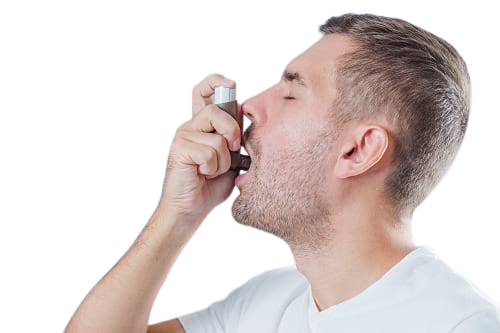
Step 2: Utilize Your Rescue Inhaler
Administer your quick-relief medication (usually a short-acting beta agonist, like albuterol) as instructed:
• 1–2 puffs every 20 minutes for a maximum of 3 doses
• Use a spacer if available for improved delivery
Step 3: Follow Your Asthma Action Plan
If you possess a written asthma action plan from your physician, adhere to the outlined steps according to your symptoms and peak flow readings.
Step 4: Sit Upright
Avoid lying down. Maintaining an upright position helps expand your lungs and facilitates easier breathing.
Step 5: Seek Emergency Assistance
If symptoms persist or worsen after medication, call emergency services immediately. Time is vital, and delays can have serious consequences.
What to Do After the Attack
Recovering from an asthma attack involves more than just alleviating symptoms. Post-attack care is essential to prevent recurrence.
Monitor Your Symptoms
Observe your breathing, energy levels, and peak flow readings in the hours and days following the attack.
Identify the Trigger
Try to ascertain the cause of the episode. Was it smoke exposure, dust, cold air, or exercise?
Adjust Medications if Needed
Discuss your medications with your healthcare provider. Adjustments to your maintenance (controller) therapy may be necessary.
Update Your Asthma Action Plan
If your attack was more severe than normal, it’s time to reassess your action plan with your physician.
Rest and Hydrate
Allow your lungs some recovery time. Rest and consume plenty of fluids to aid in clearing mucus and reducing inflammation.
Prevention Tips to Avoid Future Asthma Attacks
Prevention is crucial in asthma management. Here are effective strategies to minimize your risk:
1. Know and Steer Clear of Your Triggers
Identify and reduce exposure to your asthma triggers, whether pollen, pets, dust mites, or cold weather.
2. Take Medications Consistently
Don’t skip your controller medications—even during symptom-free periods. These lessen inflammation and help prevent attacks.
3. Always Keep Your Rescue Inhaler Handy
Always have your rescue inhaler with you, especially during exercise or when in environments with potential triggers.
4. Monitor Your Breathing Regularly
Utilize a peak flow meter consistently to catch declining lung function before symptoms arise.
5. Stay Vaccinated
Flu and pneumonia can exacerbate asthma. Stay current with all recommended vaccinations.
6. Prepare an Emergency Asthma Kit
Include your inhaler, spacers, medications, a copy of your action plan, and essential contact numbers.
7. Practice Breathing Techniques
Breathing exercises, such as pursed-lip breathing and diaphragmatic breathing, can enhance lung efficiency and reduce anxiety during attacks.
Top 10 Asthma Triggers and Tips for Avoidance
Asthma can be unpredictable, but understanding your triggers is crucial for effective management and prevention of attacks. While individual experiences vary, certain common factors often exacerbate symptoms. This guide will delve into the top 10 asthma triggers and offer practical, research-supported strategies to help you breathe more easily every day.
1. Allergens (Pollen, Dust Mites, Mold, Pet Dander)
Why It’s a Trigger:
These tiny particles can inflame the airways, particularly for those with allergic asthma.
Avoidance Tips:
– Utilize HEPA filters in air purifiers and vacuums.
– Wash bed linens weekly in hot water.
– Keep pets out of sleeping areas.
– Invest in dust-mite-proof covers for mattresses and pillows.
– Manage indoor humidity levels to prevent mold growth (ideally: 30–50%).
READ ALSO: Diabetes: 10 Early Symptoms You Should Never Ignore
2. Tobacco Smoke
Why It’s a Trigger:
Cigarette smoke is a potent irritant; even secondhand smoke can trigger serious asthma attacks.
Avoidance Tips:
– Refrain from smoking, and request others to avoid smoking near you.
– Stay away from public spaces where smoking is permitted.
– Promote smoke-free environments in homes and vehicles.
– Use air purifiers to minimize residual smoke.
3. Air Pollution
Why It’s a Trigger:
Pollutants like ozone, nitrogen dioxide, and particulate matter can exacerbate asthma symptoms, particularly on smoggy days.
Avoidance Tips:
– Monitor the Air Quality Index (AQI) every day.
– Reduce outdoor activities when air quality is poor.
– Wear a mask outdoors during pollution spikes.
– Keep windows closed and utilize indoor air filters.
4. Cold Air and Weather Changes
Why It’s a Trigger:
Cold, dry air can constrict airways and elevate mucus production, resulting in wheezing or shortness of breath.
Avoidance Tips:
– Cover your nose and mouth with a scarf or mask outside.
– Use a humidifier indoors (with regular maintenance).
– Gradually warm up before exercising in cold temperatures.
– Stay indoors during particularly cold or windy days.
5. Physical Activity (Especially in Cold or Dry Conditions)
Why It’s a Trigger:
Exercise can induce rapid breathing, cooling, and drying of the airways—especially in those prone to exercise-induced asthma.
Avoidance Tips:
– Engage in proper warm-up and cool-down routines.
– Use a prescribed bronchodilator (rescue inhaler) 10–15 minutes prior to exercise.
– Breathe through your nose to warm inhaled air.
– Avoid outdoor exercises during severe weather conditions.
6. Respiratory Infections (Colds, Flu, COVID-19)
Why It’s a Trigger:
Viral infections can inflame the airways, making them more reactive and susceptible to spasms.
Avoidance Tips:
– Wash your hands frequently and steer clear of sick individuals.
– Keep current with flu, pneumonia, and COVID-19 vaccinations.
– Follow prescribed antiviral medications.
– Increase the use of controller medications (under doctor supervision) during illness.
7. Strong Odors and Fumes (Perfumes, Cleaning Products, Paint)
Why It’s a Trigger:
Intense chemical odors can irritate sensitive lungs, triggering coughing or shortness of breath.
Avoidance Tips:
– Opt for fragrance-free or hypoallergenic cleaning supplies.
– Steer clear of aerosol products and aggressive disinfectants.
– Open windows when painting or cleaning.
– Use natural or eco-friendly household alternatives.
8. Stress and Strong Emotions
Why It’s a Trigger:
Anxiety and intense emotions can alter breathing patterns, leading to hyperventilation and asthma symptoms.
Avoidance Tips:
– Practice relaxation techniques like deep breathing or mindfulness.
– Engage in regular physical activity to help manage stress.
– Speak to a therapist or counselor for support.
– Find coping strategies that work for you during stressful situations.
Top Asthma Inhalers: An In-Depth Comparison Guide
Inhalers are vital for effectively managing asthma, providing quick relief during flare-ups and long-term control of symptoms. However, inhalers are not interchangeable; they vary in medication type, delivery mechanism, and speed of action. Selecting the perfect inhaler can significantly enhance asthma management and overall well-being.
In this guide, we will explore various inhaler types, their advantages and disadvantages, and their suitability for different individuals.
🔹 Overview of Asthma Inhalers
Asthma inhalers fall primarily into two categories:
| Type | Function | Example Medications |
|——————————-|———————————————|————————————–|
| Reliever (Rescue) | Offers rapid relief from acute symptoms | Albuterol, Levalbuterol |
| Controller (Maintenance) | Daily use to prevent symptoms | Fluticasone, Budesonide, Salmeterol |
Inhalers within these categories feature various delivery methods:
– Metered-Dose Inhalers (MDIs): Dispense a predetermined dose of medication.
– Dry Powder Inhalers (DPIs): Deliver medication in a dry powder form.
– Soft Mist Inhalers (SMIs): Produce a fine mist for easier inhalation.
1. Albuterol Inhalers (Ventolin, ProAir, Proventil)
Type: Short-acting beta-agonist (SABA)
Use: Immediate relief from wheezing, coughs, and breathlessness during attacks
Pros:
– Acts within 5 minutes
– Cost-effective and widely accessible
– Can be used to prevent exercise-induced symptoms
Cons:
– Not suitable for long-term management
– Over-reliance may indicate poor asthma control
Best For:
All individuals with asthma—this is the primary choice for quick symptom relief.
READ ALSO: Stroke Recovery- Best Prescription Drugs for Fast And Safe Treatment
2. Levalbuterol (Xopenex)
Type: SABA
Use: Similar rescue inhaler to Albuterol but with potentially fewer side effects
Pros:
– Fast-acting
– May result in less jitteriness or rapid heart rate compared to Albuterol
Cons:
– Higher cost than Albuterol
– Requires a prescription
Best For:
Patients who experience adverse reactions to Albuterol or need a milder alternative.
✅ 3. Fluticasone (Flovent HFA, Arnuity Ellipta)
Type: Inhaled corticosteroid (ICS)
Use: Daily controller inhaler that mitigates inflammation and prevents attacks
Pros:
– Effective long-term management of inflammation
– Available as both MDI and DPI
– Fewer systemic side effects than oral steroids
Cons:
– Needs to be used daily
– Possible hoarseness or oral thrush (rinse mouth after use)
Best For:
Individuals with persistent asthma requiring a daily preventive approach.
4. Budesonide (Pulmicort Flexhaler)
Type: ICS
Use: Daily prevention of asthma symptoms
Pros:
– Helps reduce the frequency and intensity of symptoms
– Commonly prescribed for children too
– Can be combined with other therapies
Cons:
– Results may take 1–2 weeks to manifest
– Requires consistent adherence
Best For:
Both children and adults needing a reliable controller medication.
5. Salmeterol + Fluticasone (Advair Diskus)
Type: Combination ICS + LABA (long-acting beta agonist)
Use: Long-term control for moderate to severe asthma
Pros:
– Combines two medications in one inhaler
– Mitigates inflammation while keeping airways open
– Convenient for patients needing both treatmentsCons:
– Not designed for acute symptom relief
– Regular use is necessary
– Can lead to side effects like tremors or headaches
Best For:
Individuals with asthma poorly controlled by inhaled steroids alone.
6. Budesonide + Formoterol (Symbicort)
Type: ICS + LABA
Use: Controller inhaler that also provides quick relief (in SMART therapy)
Pros:
– Suitable for both daily use and as needed
– Fast action with long-lasting effects
– Streamlines asthma managementCons:
– Potentially increases side effects if misused
– Must be used under medical supervisionBest For:
Patients opting for SMART (Single Maintenance and Reliever Therapy), seeking a dual-function inhaler.
7. Beclomethasone (Qvar RediHaler)
Type: ICS
Use: Daily controller inhaler
Pros:
– Breath-actuated—no need for inhalation coordination
– Compact and user-friendly
– Effective for mild to moderate asthma
Cons:– Not intended for immediate relief
– Requires regular use for effectiveness
Best For:
Patients who find coordination challenging or prefer a simpler inhaler option.
8. Tiotropium (Spiriva Respimat)
Type: Long-acting muscarinic antagonist (LAMA)
Use: Add-on controller inhaler for severe asthma
Pros:
– Effective for cases where ICS + LABA are insufficient
– Once-daily dosing
– Reduces bronchospasm and enhances lung function
Cons:
– Not a first-line treatment
– Higher cost
– Possible side effects include dry mouth or dizziness
Best For:
Adults with severe asthma that does not respond to existing therapies.
Selecting Your Ideal Inhaler: Important Factors
When choosing an inhaler, consider:
– The severity of asthma (intermittent vs. persistent)
– Ability to use the inhaler correctly
– Portability and simplicity of use
– Cost and insurance coverage
– Guidance from your healthcare provider
Tip: Always carry a rescue inhaler, even for mild asthma.
🩺 Inhaler Comparison Summary
| Inhaler | Type | Action Speed | Purpose | Prescription Needed |
|———————————-|———————|———————|—————————–|———————|
| Ventolin / ProAir | SABA | 3–5 mins | Fast relief | |
| Xopenex | SABA | 3–5 mins | Relief with fewer side effects | |
| Flovent / Arnuity | ICS | Slow (days) | Daily control | |
| Pulmicort | ICS | Slow (days) | Daily control (good for kids) | |
| Advair | ICS + LABA | Moderate (30 mins) | Severe control | |
| Symbicort | ICS + LABA | Fast (5 mins) | Dual use (control + rescue) | |
| Qvar | ICS | Slow | Easy-to-use daily controller | |
| Spiriva | LAMA | Slow | Add-on for severe asthma | |
Inhaler Usage Guidelines
– Always shake your MDI inhaler before use
– Utilize a spacer if recommended to enhance medication delivery
– Rinse your mouth after using corticosteroid inhalers to avoid thrush
– Keep track of remaining doses to prevent running out
– Regularly have your inhaler technique reviewed by a healthcare provider
Conclusion: Discover Your Ideal Inhaler
Finding the appropriate inhaler can significantly enhance asthma management. While rescue inhalers are crucial, daily controller options are often essential for long-term stability. Collaborate with your physician to customize your inhaler regimen based on your particular symptoms, triggers, and lifestyle.
Avoidance Strategies:
– Engage in stress-relief activities (deep breathing, meditation, yoga)
– Ensure adequate rest and sleep
– Seek help from a mental health professional if necessary
– Keep asthma medications close during stressful times
9. Certain Medications (NSAIDs, Beta-blockers)
Why They Trigger Symptoms:
Medications such as aspirin, ibuprofen, or non-selective beta-blockers may worsen asthma symptoms in some individuals.
Avoidance Strategies:
– Always check medication labels or consult your physician before taking new prescriptions
– Opt for acetaminophen (paracetamol) as an alternative when suitable
– Inform all healthcare providers of your asthma status
– Consider wearing a medical alert bracelet if your asthma is medication-triggered
10. Food Allergies and Additives
Why They Trigger Symptoms:
Food allergens (like peanuts, shellfish) or additives (e.g., sulfites in wine, dried fruit) can provoke asthma symptoms in sensitive individuals.
Avoidance Strategies:
– Thoroughly read food labels
– Steer clear of foods that contain known allergens or preservatives
– Carry an epinephrine auto-injector for food-induced anaphylaxis
– Consult with an allergist for personalized dietary recommendations
Conclusion: Strengthen Your Breathing
Recognizing and avoiding asthma triggers is essential to any asthma management strategy. While eliminating all triggers may not be possible, awareness and preparation can significantly reduce flare-ups and enhance your overall quality of life.
Natural Remedies to Alleviate Mild Asthma Symptoms
Asthma is a chronic condition that requires medical supervision, but many people with mild or well-managed asthma find that natural remedies can complement their treatment and reduce the frequency and severity of symptoms. These remedies do not replace inhalers or prescribed medication, but they can provide additional relief when used wisely.
Below are some science-backed natural strategies to soothe mild asthma symptoms, improve breathing, and support overall lung health.
1. Steam Inhalation with Essential Oils
How it helps:
Steam opens up the nasal passages, loosens mucus, and may ease breathing. Adding essential oils like eucalyptus or peppermint can further clear airways and reduce inflammation.
How to use:
- Add 2–3 drops of eucalyptus oil to a bowl of hot water.
- Drape a towel over your head and inhale deeply for 5–10 minutes.
- Use once or twice daily during congestion or mild flare-ups.
Avoid during acute asthma attacks. Not recommended for children under 5.
2. Honey and Warm Water
How it helps:
Honey is a natural anti-inflammatory and soothes the throat and bronchial tubes. When taken with warm water, it can calm mild coughs and irritation.
How to use:
- Mix 1 teaspoon of raw honey in a cup of warm water or herbal tea.
- Drink up to 2–3 times daily.
Bonus: Adding ginger can increase anti-inflammatory benefits.
3. Breathing Exercises (Buteyko & Diaphragmatic Breathing)
How it helps:
Proper breathing techniques can help improve oxygen exchange, reduce breathlessness, and promote calm.
How to practice:
- Diaphragmatic breathing: Breathe deeply into your belly (not chest), slowly exhale through pursed lips.
- Buteyko method: Focuses on shallow nasal breathing and breath-holding exercises to reset breathing patterns.
Practice 5–10 minutes twice daily or during early symptoms.
4. Herbal Teas
How it helps:
Certain herbs have anti-inflammatory and bronchodilating properties that may ease asthma symptoms naturally.
Best options:
- Licorice Root – Soothes inflammation in the airways
- Ginger Tea – Acts as a natural bronchodilator
- Mullein Leaf Tea – Traditionally used to clear lungs and mucus
How to use:
- Brew with fresh or dried herbs, drink warm 1–2 times daily
- Avoid licorice root if you have high blood pressure or are pregnant
5. Garlic for Inflammation
How it helps:
Garlic contains allicin, a compound with natural anti-inflammatory and immune-boosting properties.
How to use:
- Crush 2 cloves of garlic, let it sit for 10 minutes, then eat raw or mix with warm water
- Alternatively, use garlic in meals or as a supplement after consulting a doctor
🥬 6. Diet Rich in Antioxidants and Omega-3s
How it helps:
A nutrient-dense diet reduces inflammation and improves immune response, which is essential for people with asthma.
Foods to focus on:
- Leafy greens (spinach, kale)
- Colorful fruits (berries, oranges, apples)
- Fatty fish (salmon, sardines) rich in omega-3s
- Nuts and seeds (flaxseeds, walnuts)
Avoid processed foods, excessive sugar, and artificial additives.
7. Yoga and Gentle Exercise
How it helps:
Yoga improves lung capacity, reduces stress, and enhances physical fitness without triggering symptoms (if practiced correctly).
Tips:
- Focus on poses that open the chest and lungs (e.g., Cobra, Bridge, Fish pose)
- Practice in clean air environments—preferably indoors with air filters
- Avoid overexertion and always have a reliever inhaler nearby
8. Himalayan Salt Therapy (Halotherapy)
How it helps:
Inhaling dry salt air in salt rooms or using a salt inhaler may reduce airway inflammation and mucus build-up.
How to use:
- Visit certified salt therapy rooms (halotherapy centers)
- Use a ceramic salt pipe inhaler at home for 10–15 minutes daily
Evidence is still emerging; results may vary person-to-person.
9. Allergen-Free Living Environment
How it helps:
Reducing indoor allergens supports lung health and minimizes mild, persistent symptoms.
Tips:
- Use dust-mite-proof covers for pillows and mattresses
- Vacuum regularly with HEPA filter vacuum
- Wash curtains, rugs, and bedding weekly
- Control humidity levels to prevent mold growth
10. Vitamin D and Sun Exposure
How it helps:
Low levels of vitamin D have been linked to worse asthma symptoms. Adequate levels may help reduce inflammation and improve lung function.
How to get it:
- Spend 10–20 minutes in the sun (before 10am or after 4pm)
- Eat vitamin D-rich foods like eggs, fortified milk, and fatty fish
- Consider supplements if advised by your doctor
When to See a Doctor
Natural remedies can complement, but never replace, prescribed asthma treatments. See a doctor if you experience:
- Frequent wheezing or coughing
- Difficulty breathing at nightNeeding your rescue inhaler more than 2x per week
- Symptoms not improving with natural support
Final Thoughts
Mild asthma doesn’t have to limit your life. By combining medical treatment with natural strategies like breathing exercises, diet changes, and herbal remedies, you can better manage your symptoms and reduce reliance on medication.
Always consult with your healthcare provider before starting any new remedy, especially if you’re pregnant, taking medication, or have other medical conditions.
Conclusion
Asthma is a manageable condition, but an asthma attack can escalate rapidly if not identified and addressed promptly. By understanding the warning signs, knowing how to react, and implementing preventive tactics, you equip yourself (or those around you) to take control of asthma, instead of letting it control you.
Don’t disregard the signs. Be prepared, stay educated, and share this information with anyone who may benefit from this vital knowledge.
Frequently Ask Questins (FAQs)
What differentiates asthma symptoms from an asthma attack?
Asthma symptoms, such as mild coughing or wheezing, may present frequently. In contrast, an asthma attack entails a sudden and severe intensification of symptoms, necessitating immediate action.
Is it possible to die from an asthma attack?
Yes, a severe asthma attack can be life-threatening if not addressed quickly. Timely administration of rescue medication and access to emergency care are essential.
How quickly do asthma attacks escalate?
Asthma attacks can develop over several hours or arise quickly within minutes. Always take symptoms seriously and respond swiftly.
What initially causes asthma?
Asthma is the result of both genetic and environmental elements. If asthma or allergies are prevalent in your family, your risk increases. Environmental triggers such as air pollution, allergens, and respiratory infections can also play a role in its onset or exacerbate symptoms.
Can children outgrow asthma?
Some children experience a decrease in symptoms as they age, especially if their asthma is mild or linked to specific allergens. However, asthma remains a chronic condition, and even if symptoms decrease, ongoing monitoring of lung health is crucial.
Is it safe for individuals with asthma to exercise?
Yes, with the appropriate precautions. Exercise can enhance lung function over time. Asthma sufferers should engage in proper warm-ups, use a prescribed inhaler ahead of activity when necessary, and steer clear of cold or dry conditions during outdoor workouts.
What distinguishes a rescue inhaler from a controller inhaler?
A rescue inhaler (such as albuterol) offers immediate relief during an asthma attack by relaxing airway muscles, while a controller inhaler (like fluticasone or budesonide) is used daily to minimize inflammation and prevent attacks. These inhalers serve distinct purposes and are often used concurrently.
Can changes in the weather provoke asthma?
Yes. Abrupt temperature changes, high humidity, cold air, or pollen-laden seasons can trigger asthma symptoms. Many individuals report flare-ups during spring or winter due to allergens or harsh, dry air.
Is asthma classified as a disability?
Asthma can qualify as a disability according to certain regulations, such as the Americans with Disabilities Act (ADA), if it significantly impedes crucial life activities like breathing or working. However, determination of eligibility often depends on the severity and effects of the condition.
Are there specific foods that can exacerbate asthma symptoms?
While food itself is not a direct cause, certain foods may trigger asthma symptoms in susceptible individuals. Common offenders include foods containing sulfites (like dried fruits), processed items with preservatives, and allergens such as dairy, eggs, or nuts.
Can stress or anxiety provoke asthma?
Yes. While stress doesn’t cause asthma, it can trigger or intensify symptoms. Emotional stress can lead to hyperventilation or muscle tension, complicating asthma management. Implementing relaxation techniques and prioritizing mental health is vital for those with asthma.
How regularly should I consult a doctor for asthma check-ups?
You should aim to see your doctor at least once or twice yearly for asthma evaluations, even when symptoms are managed. If you experience frequent symptoms or have just had an attack, more regular visits may be necessary to revise your treatment regimen.
Watch, comment, and subscribe to our YouTube Channel https://www.youtube.com/@homecurestv1821/featured
Originally posted 2025-06-15 10:45:37.