Glaucoma Symptoms: Early Detection Strategies to Protect Your Vision
Introduction
Glaucoma stands as a significant cause of irreversible blindness globally. Often referred to as the “silent thief of sight,” it advances so slowly that many individuals remain unaware of its presence until substantial vision loss occurs. By the time glaucoma is identified, especially without regular eye examinations, irreversible damage may already be in effect.
The positive aspect? Recognizing the disease early can safeguard your vision and considerably slow its progression. This detailed guide will explore the signs of glaucoma, its risk factors, and the most effective early detection methods to help preserve your eyesight.
Glaucoma And Symptoms: Understanding Glaucoma
Glaucoma encompasses a range of eye diseases that harm the optic nerve, which is responsible for transmitting visual information to the brain. This damage is frequently associated with elevated intraocular pressure (IOP), although that’s not universally the case.
Different types of glaucoma include:
1. Primary Open-Angle Glaucoma (POAG)
The most prevalent variant develops gradually and often without apparent symptoms during its early stages.
2. Angle-Closure Glaucoma (ACG)
Also known as closed-angle glaucoma, this variant is more acute and occurs when the drainage angle in the eye suddenly becomes obstructed, necessitating immediate medical intervention.
3. Normal-Tension Glaucoma
Optic nerve damage happens despite normal eye pressure; its mechanisms remain less understood yet pose risks.
4. Congenital Glaucoma
A rare form that impacts infants and young children, typically arising from genetic or developmental abnormalities in the eye’s drainage system.
Glaucoma And Symptoms: -Importance of Early Detection
The primary risk with glaucoma is its insidious progression. Most types advance slowly without pain or evident symptoms. As the condition deteriorates, damage to the optic nerve becomes irreversible, resulting in permanent vision impairment or blindness.
Early detection is critical because:
– Vision lost due to glaucoma cannot be regained.
– Timely treatment can slow or prevent progression.
– Routine eye examinations can identify glaucoma prior to symptoms manifesting.
Common Glaucoma Symptoms
Glaucoma symptoms can vary based on the type of glaucoma. Recognizing warning signs is essential for timely intervention.
A. Symptoms of Open-Angle Glaucoma
This type typically shows no noticeable symptoms initially. However, as it progresses, you may experience:
– Gradual loss of peripheral vision in both eyes
– Tunnel vision in later stages
These subtle and painless symptoms are often overlooked until damage is severe.
B. Symptoms of Angle-Closure Glaucoma (Acute Attack)
This variant appears abruptly and requires urgent medical care. Notable symptoms include:
– Intense eye pain
– Headaches
– Nausea and vomiting
– Blurred vision
– Halos around lights
– Eye redness
An acute angle-closure attack is a medical emergency. Delayed treatment can lead to permanent vision loss within hours.
C. Symptoms of Normal-Tension Glaucoma
Typically similar to open-angle glaucoma but may progress more swiftly:
– Peripheral vision loss
– Difficulty adjusting to low light conditions
– Observable optic nerve damage during examination despite normal pressure
D. General Symptoms to Monitor
– Eye discomfort or strain
– Blurred or cloudy vision
– Frequent changes in glasses or contact prescription
– Halos around light sources
Risk Factors to Consider
Certain conditions increase the likelihood of developing glaucoma. Being aware of these factors can help determine if you fall into a high-risk category that may require more frequent screenings.
Key Risk Factors Include:
– Age – Risk rises significantly post-40
– Family history – A parent or sibling with glaucoma increases your risk
– High eye pressure (IOP) – Elevated intraocular pressure is a significant concern, though it’s not universally present
– Ethnic background – Higher incidences in African, Hispanic, and Asian populations
– Chronic health issues – Particularly diabetes, hypertension, and heart disease
– Extended use of corticosteroid medications
– Thin corneas – Associated with higher IOP and increased optic nerve sensitivity
– Previous eye injuries or surgeries – These can lead to secondary glaucoma
If you identify with any of these risk factors, regular eye examinations become crucial.
Early Detection Strategies to Protect Your Vision
While glaucoma cannot be reversed, early diagnosis offers the best opportunity to maintain your vision. Here are practical tips to identify glaucoma early:
1. Schedule Regular Comprehensive Eye Exams
This is the most crucial step. Eye exams can reveal early signs of glaucoma before vision loss occurs.
– Ages 40–60: Every 2–4 years
– Ages 60+: Every 1–2 years
– High-risk individuals: Annually, or as directed by your ophthalmologist
2. Know Your Family Eye Health History
If glaucoma is prevalent in your family, inform your eye doctor. You may need more regular screenings and pressure assessments.
3. Keep an Eye on Vision Changes
Even minor changes—like difficulty seeing in dim settings or needing enhanced lighting for reading—should prompt an eye examination.
4. Take Eye Pain or Redness Seriously
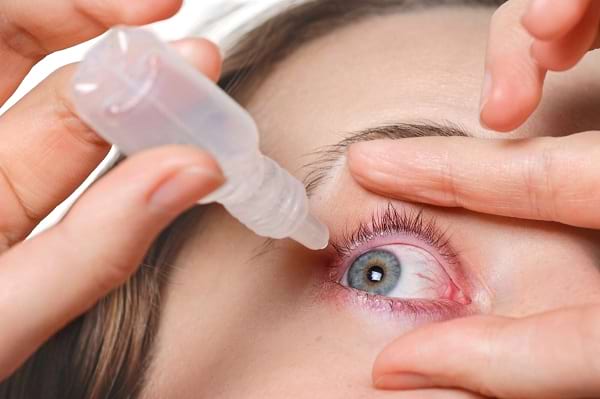
While open-angle glaucoma is painless, angle-closure glaucoma can be very painful. Seek immediate medical care if you experience sudden discomfort, blurred vision, or halos.
5. Inquire About Your Eye Pressure
During eye examinations, ask your doctor if your intraocular pressure is within the normal range and whether your optic nerve appears healthy.
6. Utilize Home Screening Tools Responsibly
Certain apps and devices may assist in testing vision or assessing visual fields at home. While they can’t substitute professional exams, they can help detect changes between visits.
Glaucoma And Symptoms: -When to Consult an Eye Specialist
Timely treatment can avert vision loss, but you must act promptly. Consult an eye specialist if you experience:
– Eye pain accompanied by nausea or vomiting
– Sudden blurred vision
– Halos surrounding lights
– Severe headache with eye discomfort
– Rapid peripheral vision loss
Even if asymptomatic, if you’re over 40 or have risk factors, arrange regular checkups. Don’t wait for warning signs—glaucoma damage is often irreversible.

Diagnosing Glaucoma
Diagnosis involves a series of painless, non-invasive tests. A comprehensive glaucoma examination might include:
1. Tonometry
Measures intraocular pressure; elevated readings can suggest glaucoma, but aren’t definitive.
2. Ophthalmoscopy
Your doctor dilates your pupils to examine the optic nerve for signs of damage.
3. Perimetry (Visual Field Test)
Checks for unnoticed gaps in your peripheral vision.
4. Gonioscopy
A lens is placed on your eye to evaluate the drainage angle.
5. Optical Coherence Tomography (OCT)
Delivers detailed images of the optic nerve and retinal nerve fiber layer.
Consistent testing allows for monitoring changes and evaluating treatment efficacy.
Treatment Options When Detected Early
Though glaucoma cannot be completely cured, it can be effectively managed, particularly if identified early.
1. Prescription Eye Drops
These are often the initial treatment to reduce eye pressure. Types include:
• Prostaglandin analogs
• Beta-blockers
• Alpha agonists
• Carbonic anhydrase inhibitors
2. Oral Medications
These may be combined with eye drops to further decrease pressure.
3. Laser Therapy
Procedures like trabeculoplasty or iridotomy enhance drainage or alleviate pressure in angle-closure glaucoma.
4. Surgery
In more advanced stages, surgical techniques like trabeculectomy or drainage device placement might be necessary.
5. Lifestyle Support
• Follow a nutrient-rich diet abundant in antioxidants
• Engage in regular, moderate physical activity
• Refrain from smoking
• Minimize caffeine and alcohol consumption
• Sleep with your head elevated slightly to help lower eye pressure
How to Prevent Glaucoma
Prevention and Long-Term Eye Care
Although you can’t entirely prevent glaucoma—particularly if it runs in your family—you can take measures to lower your risk and maintain your vision.
Tips for Preserving Eye Health:
• Wear protective eyewear during sports or risky activities
• Manage chronic conditions like diabetes and hypertension
• Avoid extended use of steroids without guidance
• Limit screen time and implement the 20-20-20 rule to reduce eye strain
• Stay hydrated and consume a balanced diet rich in greens and omega-3 fatty acids
Glaucoma Treatment: -Preparing for Your Appointment with a Doctor
• Schedule a thorough dilated eye exam (not just a vision test)
• Compile your family eye health history
• List current medications (especially any steroids or blood pressure drugs)
• Note any vision changes, discomfort, or unusual symptoms
• Bring your prescription glasses or contacts
• Create a list of questions for your eye doctor
During Your Eye Exam – Essential Tests For Glaucoma Treatment
• Eye pressure test (Tonometry)
• Dilated eye exam to assess optic nerve condition
• Visual field test to identify peripheral vision loss
• OCT (Optical Coherence Tomography) scan for optic nerve and retinal layers
• Gonioscopy to inspect drainage angles (particularly for high-risk individuals)
• Overall eye health assessment for other conditions (like cataracts, macular degeneration)
Questions to Discuss with Your Eye Doctor
• Is my eye pressure within a healthy range?
• Are there any indications of optic nerve damage?
• Am I susceptible to glaucoma based on my eye structure or family history?
• How frequently should I return for follow-up appointments?
• Are there preventive measures I should consider now?
Glaucoma Treatment: Post-Exam Follow-Up
• Schedule your next routine exam
• Start or update your eye health journal (document symptoms, medication usage, etc.)
• Adhere to any treatment or monitoring plan provided
• Relay exam outcomes to your general physician if necessary
Pro Tip: Keep this checklist handy and refer to it annually—especially if you’re over 40 or have risk factors like a family history of eye issues, diabetes, or high blood pressure.
Conclusion: Glaucoma And Symptoms
Glaucoma poses a stealthy yet significant risk to your vision. By recognizing symptoms and maintaining vigilance, you can catch it early and safeguard your sight for years to come. Regular eye exams, awareness of risk factors, and proactive measures are vital. Don’t wait for symptoms to appear; your eyes are your windows to the world—care for them before it’s too late.
Bonus: Top 5 Eye Health Practices to Reduce Your Glaucoma Risk
Even without a glaucoma diagnosis, fostering good habits now can secure your vision for the future. Here are five effective practices to adopt today:
1. Consume Vision-Enhancing Foods
Incorporate leafy greens (like kale and spinach), carrots, berries, and omega-3-rich fish, such as salmon, into your meals.
2. Stay Active with Regular Exercise
Moderate exercise helps to lower intraocular pressure and boosts blood flow to the optic nerve.
3. Quit Smoking
Smoking heightens the risk of glaucoma and other eye conditions like macular degeneration and cataracts.
4. Limit Screen Time & Shield Your Eyes
Follow the 20-20-20 rule: every 20 minutes, look at something 20 feet away for 20 seconds. Use blue light filters and minimize glare.
5. Wear UV-Protective Sunglasses
Extended sun exposure raises the risk of eye damage. Invest in quality sunglasses that block UV rays.
READ ALSO: At What Age Does Menopause Occur?
FAQs: Glaucoma Symptoms & Early Detection
1. Can glaucoma be cured?
No. Though it’s incurable, early intervention can avert further damage.
2. At what age should I begin glaucoma screening?
Typically, around age 40, sooner if you have risk factors like family history.
3. Do glaucoma symptoms fluctuate?
Open-angle glaucoma symptoms are gradual and consistent. Angle-closure symptoms can be sudden and severe.
4. Is vision loss due to glaucoma reversible?
Regrettably, no. Vision lost from optic nerve damage cannot be regained.
5. Can I self-check for glaucoma at home?
Certain tools monitor vision changes, but professional exams are crucial for a proper diagnosis.
6. Does glaucoma affect only older adults?
Though common in older adults, it can also affect younger people and even infants (congenital glaucoma).
7. How often should I undergo eye examinations?
Every 1–2 years post-40, or yearly if you have risk factors.
8. Are there warning signs for glaucoma?
Yes—especially with angle-closure glaucoma. Open-angle glaucoma may remain symptom-free until advanced stages.
9. Can high blood pressure lead to glaucoma?
It’s a potential risk factor; managing hypertension could decrease your risk.
10. Is eye pressure the sole cause of glaucoma?
No. Some individuals develop glaucoma with normal eye pressure (normal-tension glaucoma).
11. Are eye drops safe for prolonged use?
Yes, with medical supervision. Side effects can occur, but are manageable.
12. What if I discontinue glaucoma medication?
Pressure may increase again, heightening the risk of nerve damage. Always adhere to your doctor’s
Watch, comment, and subscribe to our YouTube Channel https://www.youtube.com/@homecurestv1821/featured
Originally posted 2025-07-02 18:38:59.