Canker Sores in Mouth: Causes, Symptoms, and Fast Relief Options
Introduction Canker sores are small, painful ulcers that can cause discomfort while eating, drinking, or speaking. Unlike cold sores, they do not spread from person to person, yet they often recur and can lead to significant suffering for many individuals. These sores typically form on the inner lips, cheeks, tongue, or gums, and while they generally resolve independently, the associated pain often prompts a search for quick relief.
In this article, we’ll delve into the primary triggers of canker sores, the common symptoms to be aware of, and various fast-acting relief options—from home remedies to over-the-counter solutions. Whether canker sores are an occasional nuisance or a frequent battle, knowing the causes and treatment techniques can empower you to heal more efficiently and stave off future occurrences.
canker sores in the mouth
Canker Sores In Mouth: – What Are Canker Sores?
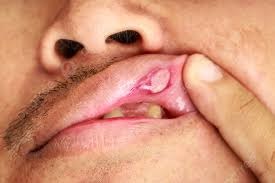
Canker sores, also known as aphthous ulcers, are small, shallow wounds that form inside the mouth. They typically manifest on the inner lips, cheeks, gums, tongue, or palate. Unlike cold sores, which are caused by the herpes virus and appear externally, canker sores are not contagious.
These ulcers often begin as small red bumps, evolving into open sores with a white or yellow center and a prominent red margin. They can produce a burning or stinging sensation, especially when eating, drinking, or speaking. Three primary types of canker sores exist:
1. Minor canker sores – Commonly found, small in size, and usually heal within 1–2 weeks without any scarring. 2. Major canker sores – Larger, more painful, and deeper; can take several weeks to heal and may leave scars. 3. Herpetiform canker sores – Less frequent, appearing as clusters of tiny sores that may coalesce into a larger ulcer. Though generally benign, canker sores can be annoying and painful, particularly for those who experience them frequently.
Causes of Canker Sores
While the exact reasons for the emergence of canker sores are often unclear, various factors can precipitate them or heighten the risk of their occurrence. Grasping these causes can aid in managing and mitigating recurrent outbreaks.
1. Stress and Fatigue Emotional stress and inadequate rest can weaken your immune defenses, making you more susceptible to painful oral ulcers.
2. Minor Oral Injuries Accidental bites on the inner cheek, irritation from braces or dentures, or vigorous brushing can damage the oral lining, leading to the formation of canker sores.
3. Nutritional Deficiencies Lacking essential nutrients—like iron, folic acid, vitamin B12, and zinc—can contribute to the onset of ulcers.
4. Hormonal Changes Some women report canker sores during certain phases of their menstrual cycle, indicating a possible link to hormonal shifts.
5. Food Triggers Foods that are spicy, acidic, or citrus (like oranges, tomatoes, or pineapples) may irritate the mouth and provoke sores in certain individuals.
6. Allergic Reactions Allergies to specific foods or sensitivities to components in toothpaste, like sodium lauryl sulfate (SLS), can elicit the formation of ulcers.
7. Underlying Health Conditions Conditions like celiac disease, Crohn’s disease, HIV/AIDS, or autoimmune disorders can raise the likelihood of frequent or severe canker sores.
8. Genetic Predisposition Certain individuals may have a familial tendency to develop canker sores.
Causes of canker sores
Symptoms of Canker Sores
Canker sores are typically recognizable due to their distinct appearance and the discomfort they produce. While size and severity may vary, most sores exhibit shared characteristics. Appearance – Small, round, or oval lesions within the mouth. – White, yellow, or grayish central area surrounded by a bright red border. – Can manifest on the inner lips, cheeks, gums, tongue, or palate.
Sensation – A burning or tingling sensation often precedes the visible sore by a day or two. – Pain or irritation, particularly while eating, drinking, or talking. – Discomfort can range from mild to severe based on the size and type of sore.
Additional Features – Minor canker sores: Small (under 1 cm), typically heal within 1–2 weeks. – Major canker sores: Larger and deeper, might take 2–6 weeks to heal, and can cause scarring. – Herpetiform sores: Groups of tiny ulcers that may merge creating a larger sore.
Healing Time Most canker sores resolve on their own within a week or two, though major sores may linger longer.
Treatment of Canker Sores: -Quick Relief Options
Although most canker sores self-resolve in 1–2 weeks, the discomfort can be quite exasperating. Fortunately, numerous rapid relief methods—from over-the-counter solutions to soothing home remedies—can alleviate pain and expedite healing.
1. Over-the-Counter Treatments – Topical numbing agents: Gels or creams like those containing benzocaine or lidocaine can provide temporary pain relief. – Antimicrobial mouthwashes: Help reduce irritation, prevent infection, and facilitate healing. – Protective pastes: Form a barrier over the sore to shield it from irritation during meals.
2. Home Remedies for Quick Relief – Saltwater rinse: Dissolve 1 teaspoon of salt in warm water and rinse to decrease bacteria and encourage healing. – Baking soda rinse: Helps neutralize acids in the mouth, reducing irritation. – Honey: Acts as a natural antibacterial agent; apply directly onto the sore. – Aloe vera gel: Soothes irritation and supports faster recovery. – Coconut oil: Possesses anti-inflammatory and antimicrobial properties, which help alleviate pain and deter infection. – Chamomile tea rinse: Contains anti-inflammatory elements that may hasten healing.
3. Lifestyle and Self-Care Suggestions – Refrain from consuming spicy, acidic, or rough-textured foods that exacerbate pain. – Stay hydrated to maintain moisture in the mouth and promote faster healing. – Use a soft-bristled toothbrush and opt for mild, SLS-free toothpaste. – Incorporate stress management techniques, as stress is a known trigger.
When to Consult a Doctor for The Treatment of Canker Sores
Generally, canker sores are harmless and generally resolve within weeks. Nonetheless, they may occasionally indicate an underlying health concern or necessitate medical intervention. You should contact a healthcare provider if you encounter any of the following:
– Extremely large sores that severely hinder eating or drinking. – Frequent or recurring outbreaks (multiple times a year). – Sores persisting beyond 2–3 weeks without signs of improvement. – Significant pain that home remedies or over-the-counter solutions do not alleviate. – Accompanying symptoms like fever, swollen lymph nodes, or fatigue with mouth sores. – Challenges with swallowing, speaking, or eating due to pain. – Sores that appear unusual, differ from typical canker sores, or spread rapidly.
In such cases, your healthcare provider may suggest prescription medications like stronger mouth rinses, oral treatments, or evaluations to rule out underlying issues such as vitamin deficiencies, autoimmune diseases, or gastrointestinal conditions.
Prevention Strategies for Canker Sores
While full prevention of canker sores may not be feasible, adopting healthy practices can minimize their occurrence and severity. Here are several effective preventive measures: 1. Maintain a Nutrient-Dense Diet – Incorporate foods rich in iron, folic acid, vitamin B12, and zinc to avert deficiencies linked to mouth ulcers. – Include ample fruits, vegetables, and whole grains to bolster your immune system.
2. Avoid Trigger Foods – Limit spicy, salty, acidic, or citrus foods that might irritate the oral lining. – Be mindful of specific foods that personally lead to sores, such as nuts, chocolate, or certain cheeses.
3. Practice Good Oral Hygiene – Regularly brush and floss with a soft-bristle toothbrush. – Use SLS-free toothpaste, as sodium lauryl sulfate may occasionally trigger sores. – Opt for alcohol-free mouthwash to minimize irritation.
4. Manage Stress Levels – Since stress is a known trigger, consider relaxation practices like meditation, yoga, or deep breathing exercises. – Ensure that you get adequate sleep to support both your body and immune system.
5. Protect Against Oral Injuries – Exercise caution while eating to avoid accidentally biting your cheek or tongue. – If you use braces or dentures, apply dental wax to protect your mouth from irritation.
6. Stay Hydrated – Drink sufficient water to keep your mouth moist and promote healing.
Symptoms of canker sores
Natural Remedies for The Treatment of Canker Sores
Natural remedies for sores include turmeric paste for its anti-inflammatory properties, unsweetened probiotic yogurt to restore oral bacteria balance, sage mouth rinse for its calming effects, licorice root extract for soothing inflammation, and vitamin supplements like B-complex, zinc, or iron to reduce recurrence. While generally safe, consult a doctor if sores are frequent or particularly painful.
Conclusion
Canker sores are a common yet painful occurrence that is generally harmless. They can be triggered by factors like stress, nutritional deficiencies, hormonal fluctuations, or simple mouth injuries. While they typically heal on their own, the pain can interfere with daily activities.
Fortunately, there are numerous fast-relief options—from home solutions such as saltwater rinses and aloe vera to over-the-counter treatments like gels and mouthwashes that can alleviate pain and accelerate healing. Engaging in proper oral hygiene, consuming a nutrient-rich diet, handling stress effectively, and avoiding trigger foods are among the best ways to prevent future outbreaks.
If you notice unusually large, persistent, or recurring sores—especially accompanied by fever, swollen lymph nodes, or intense pain—it’s critical to consult a doctor for further assessment. By taking the right precautions and steps, you can lessen the frequency of canker sores and manage them more effectively.
FAQs About Canker Sores in Mouth
1. Can canker sores be contagious? No. Unlike cold sores, canker sores are non-viral and cannot be transmitted between persons.
2. How long can canker sores generally persist? Minor canker sores usually heal within 1–2 weeks, while more severe cases (major canker sores) may need up to 6 weeks.
3. What’s the quickest method to heal a canker sore? Utilizing numbing gels, antimicrobial rinses, and calming home remedies like honey, saltwater, or aloe vera can expedite healing and alleviate discomfort.
4. Can stress trigger canker sores? Yes. Increased stress can impair your immune response, heightening the chances of developing canker sores.
5. Do canker sores indicate a weak immune system? Not necessarily. Occasional sores are typical, yet frequent or particularly severe occurrences may signal an underlying issue, such as nutritional deficiencies or autoimmune disorders.
6. Can children develop canker sores? Yes, children and teenagers frequently experience them, particularly after cheek bites, consuming acidic foods, or sustaining minor mouth injuries.
7. Which foods should be avoided during canker sores? Spicy, acidic, salty, or rough foods (such as citrus fruits, chips, and nuts) may irritate the sore and heighten discomfort.
8. Can toothpaste lead to canker sores? Yes, certain toothpastes containing sodium lauryl sulfate (SLS) may provoke sores in sensitive users. Opting for an SLS-free toothpaste may prove beneficial. 9. Which vitamins aid in preventing canker sores? Vitamins and minerals like vitamin B12, iron, folic acid, and zinc play significant roles in prevention.
10. When should canker sores receive medical attention? Yes. If sores are exceptionally large, last over three weeks, or recur frequently, it’s advisable to consult a doctor for stronger prescriptions.
11. How do I differentiate between canker sores and cold sores? Canker sores appear inside the mouth and are non-contagious. Cold sores emerge outside the mouth (often on the lips), are caused by the herpes virus, and are contagious.
12. Does dehydration contribute to canker sores? Indirectly, yes. A dry mouth can irritate tissues, increasing the risk of sores; hence, remaining hydrated aids in prevention and recovery.
canker sores in mouth. causes of canker sores. symptons of canker sores. treatment of canker sores.
Originally posted 2025-09-15 12:18:43.
Top 9 Causes and Symptoms of Canker Sores in Mouth + Quick Relief Tips