Early Stomach Cancer Symptoms: 10 Warning Signs You Should Never Ignore
Introduction
Stomach cancer, also referred to as gastric cancer, generally develops gradually. In early stages, symptoms can be so mild that many individuals confuse them with everyday digestive problems like indigestion, ulcers, or acid reflux. Unfortunately, this often leads to late diagnoses. However, your body does provide subtle signs long before stomach cancer becomes advanced. Identifying these symptoms early can significantly improve the chances of timely treatment and better survival outcomes.
In this article, we will explore 10 early symptoms of stomach cancer that you should never dismiss. While these signals may seem mundane initially, their persistence or occurrence together can indicate a more serious underlying issue. Understanding these warning signs is vital for protecting your health and knowing when to seek medical help.
Let’s explore the early indicators you should be aware of.

What Is Stomach Cancer? (Quick Overview)
Stomach cancer, or gastric cancer, occurs when abnormal cells start to multiply uncontrollably within the stomach lining. Over time, these cells can create tumors, penetrate deeper into the stomach wall, and potentially spread to other parts of the body if not diagnosed promptly.
While stomach cancer can impact anyone, various risk factors can increase vulnerability:
• Infection with Helicobacter pylori (H. pylori) bacteria
This prevalent stomach infection can gradually damage the stomach lining.
• Diet rich in salty, smoked, or processed foods
These types of food may irritate the stomach and promote cancer development.
• Smoking and excessive alcohol consumption
Both can compromise the stomach lining and elevate cancer risk.
• Family history or genetic predisposition
Having close relatives with stomach cancer increases your likelihood.
• Age (especially over 50)
The majority of cases are found in older adults.
• Certain medical conditions
This includes chronic gastritis, stomach polyps, or pernicious anemia.
Stomach cancer tends to grow slowly initially, which is why early symptoms can be mild or misleading. Awareness and early detection are critical to ensure timely treatment and improved outcomes.
Why Early Diagnosis Matters
Identifying stomach cancer in its early stages can be the difference between a manageable condition and a life-threatening one. Initially, the cancer typically remains confined to the stomach lining, making interventions more effective and less invasive. In many cases, early-stage stomach cancer can be surgically removed or treated with targeted therapies before it spreads.
However, a major challenge lies in the fact that early stomach cancer symptoms are often vague, resembling common ailments like indigestion or ulcers. Because of this, many people postpone seeking medical care, allowing the disease to advance unnoticed.
Recognizing early warning signs is essential because:
• Survival rates are notably higher when the cancer is detected early.
• There are more treatment options available, including less invasive surgeries and targeted therapies.
• Recovery tends to be quicker, with an overall better quality of life post-treatment.
• The chance of cancer metastasizing to other organs greatly decreases.
If you experience ongoing digestive symptoms persisting for longer than two weeks—especially those that don’t improve with over-the-counter remedies—it’s vital to consult a healthcare provider. Early intervention could save your life.
10 Early Stomach Cancer Symptoms You Should Never Ignore
1. Persistent Indigestion or Heartburn
Mild indigestion is common, but when it becomes frequent, ongoing, or unresponsive to over-the-counter remedies, it could indicate a more serious issue. Early stomach cancer can irritate the stomach lining, leading to regular burning sensations, discomfort, or upper abdominal heaviness.
2. Unexplained Weight Loss
Unintentional weight loss—especially over a brief time—may suggest early stomach cancer. The disease can disrupt your metabolism, decrease your appetite, and hinder nutrient absorption.
3. Feeling Full Quickly (Early Satiety)
An early indicator is feeling satiated after consuming only a small portion of food. This can occur when growth of a tumor affects stomach capacity or slows digestion. If you’re suddenly eating less but feeling full too quickly, take note.
4. Persistent Nausea or Vomiting
Lingering nausea, especially post-meals, may indicate stomach irritation from early cancer development. Vomiting might start off infrequently but increase in frequency as the tumor progresses.
5. Stomach Pain or Discomfort
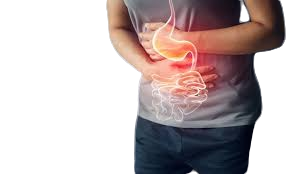
Early-stage stomach cancer frequently causes mild but recurring pain in the upper abdomen. This discomfort may fluctuate and sometimes mimic ulcer pain, bloating, or cramping, worsening after meals or when the stomach is empty.
6. Bloating After Meals
Feeling excessively bloated or swollen post-meal can suggest that food is not moving through the stomach properly. Chronic meal-related bloating is a warning sign that many tend to overlook, attributing it instead to gas or regular indigestion.
7. Loss of Appetite
A noticeable reduction or sudden aversion to food can arise early in stomach cancer due to digestive discomfort, nausea, or metabolic shifts. If you’re skipping meals or feeling repelled by foods you usually enjoy, take heed.
8. Fatigue or Weakness
Fatigue might occur due to internal bleeding, poor nutrient absorption, or the body’s increased energy expenditure while combating cancer. Early stomach cancer may cause unnoticed slow blood loss, leading to anemia—one of the primary causes of cancer-related exhaustion.
9. Difficulty Swallowing (Mild Dysphagia)
As tumors develop near the upper stomach, swallowing may become uncomfortable. You might experience the sensation of food becoming stuck, moving sluggishly, or causing discomfort while swallowing—even with soft foods.
10. Blood in Stool or Vomit (Sometimes Subtle)
Blood from the stomach may manifest as:
• Black or tarry stools
• Dark, coffee-ground-like vomit
These signs indicate internal bleeding. Even if the bleeding seems minimal or infrequent, it should always be taken seriously.
When These Symptoms Become an Emergency
Early stomach cancer symptoms can be subtle, but certain signs require urgent medical care. These include vomiting blood, sudden severe stomach pain, rapid unexplained weight loss, difficulty swallowing, and black or tarry stools—each indicating possible serious complications or internal bleeding. If you experience any of these, seek immediate medical attention, as early intervention can prevent complications and improve outcomes.
What to Do If You Suspect Stomach Cancer
Should you notice any persistent or troubling symptoms, prompt action is essential. Early assessments can greatly increase treatment efficacy and survival chances. Here’s what to do:
1. Consult a Doctor Promptly
Schedule an appointment with a gastroenterologist or primary care physician. Be transparent about your symptoms, how frequently they occur, and any familial history of stomach cancer.
2. Prepare for Diagnostic Tests
Your healthcare provider may suggest one or more of the following tests to determine the cause of your symptoms:
• Endoscopy: A flexible camera-equipped tube examines the stomach lining for anomalies and enables biopsy collection.
• Biopsy: Tissue samples collected during endoscopy are analyzed for cancerous cells.
• H. pylori Test: Assesses for the presence of the bacteria associated with stomach cancer risk.
• Imaging Tests (CT Scan, MRI): Determine the tumor’s size, position, and potential spread.
• Blood Tests: Can reveal anemia or other irregularities resulting from internal bleeding.
3. Avoid Self-Medication for Ongoing Symptoms
While occasional indigestion can be managed with over-the-counter treatments, ongoing symptoms should never be dismissed. Self-treating may mask critical warning signs and delay correct diagnosis.
4. Maintain a Symptom Journal
Record your symptoms, including:
• Timing of occurrence (before/after meals)
• Intensity and duration
• Any identifiable triggers or patterns
This documentation assists your doctor in making a swift and accurate diagnosis.
5. Follow Medical Recommendations
If tests indicate pre-cancerous changes or early-stage cancer, your doctor will outline treatment options. Early intervention generally allows for less invasive procedures and improved outcomes.

How to Lower Your Risk of Stomach Cancer
While certain risk factors like family history and age are beyond your influence, there are numerous proactive measures you can undertake to enhance your stomach health and diminish your risk:
1. Embrace a Nutritious, Balanced Diet
• Boost your consumption of fresh fruits and vegetables, known for their high antioxidant content.
• Minimize intake of processed, smoked, and salty foods that may irritate the stomach lining.
• Integrate fiber-rich options into your meals for better digestion and gut health.
2. Address H. pylori Infections Urgently
If your test confirms Helicobacter pylori infection, ensure you complete the entire course of antibiotics as prescribed. Neglecting treatment can elevate the risk of stomach cancer.
3. Steer Clear of Tobacco and Excessive Alcohol
• Smoking compromises the stomach lining and raises cancer risk.
• Keep alcohol consumption within moderation to avoid stomach irritation and inflammation.
4. Keep a Maintainable Weight
Being overweight is associated with heightened risks of stomach and digestive cancers. Regular physical activity and a balanced diet can help you stay within a healthy weight range.
5. Schedule Routine Medical Exams
• For those at elevated risk (such as those with a family history, chronic gastritis, or H. pylori), regular screenings like endoscopy can detect early abnormalities.
• Early diagnosis significantly enhances treatment effectiveness.
READ ALSO: 10 Major Causes of Throat Cancer And How to Quickly Prevent Them.
6. Manage Long-Term Conditions
• Conditions like gastritis, ulcers, or pernicious anemia need regular monitoring and treatment based on your doctor’s recommendations.
Making these lifestyle modifications and monitoring for symptoms can markedly decrease your likelihood of developing stomach cancer.
Conclusion
Stomach cancer can develop gradually, often presenting symptoms that are subtle and easily ignored. Being aware of early warning signs such as continual indigestion, unusual weight loss, nausea, bloating, or blood in stools is vital for timely diagnosis and effective treatment. If you notice any concerning or ongoing symptoms, do not hesitate to seek medical advice. By following a nutritious diet, shunning tobacco and excessive alcohol, addressing infections like H. pylori, and keeping up with regular medical evaluations, you can greatly minimize your risk.
Always pay attention to your body’s signals and take early action, as it may be life-saving.
Frequently Asked Questions (FAQ)
1. Can stomach cancer be cured if detected early?
Yes. Early-stage stomach cancer is typically very treatable. Surgical intervention, often combined with chemotherapy or targeted therapies, can eliminate tumors before they spread, improving survival chances significantly.
2. Is indigestion always indicative of stomach cancer?
No. Indigestion is common and often benign. However, if indigestion persists or worsens, especially with other warning signs, it’s wise to consult a healthcare provider.
3. How quickly does stomach cancer progress?
Stomach cancer generally develops slowly over months or even years. Because early signs are usually mild, regular checkups and attention to lingering digestive concerns are crucial.
4. Which age group faces the highest risk for stomach cancer?
Most cases are seen in individuals over 50, but younger adults can also be impacted, particularly if they have a family history or other risk factors.
5. Which foods help safeguard the stomach?
Foods abundant in antioxidants, fiber, and essential nutrients—such as fruits, vegetables, whole grains, and dark leafy greens—may decrease the risk of stomach cancer. It’s also vital to limit salt, processed, and smoked foods.
6. Do stress and lifestyle factors contribute to stomach cancer?
While stress alone does not directly cause stomach cancer, unhealthy lifestyle choices—like smoking, excessive drinking, poor nutrition, and lack of exercise—can increase risk over time.
7. What methods do doctors use to diagnose stomach cancer?
Common diagnostic tools include:
• Endoscopy with biopsy
• Test for H. pylori
• Imaging techniques like CT or MRI
• Blood tests to identify anemia or other irregularities
8. Do stomach cancer symptoms differ for men and women?
While many symptoms are alike, women might experience changes in appetite, bloating, or fatigue earlier than men, as hormonal factors and body composition can influence symptom presentation.
9. Is it possible to completely prevent stomach cancer?
No approach can ensure total prevention, but embracing healthy lifestyle habits, seeking prompt treatment for infections, and attending regular medical assessments can substantially lower risk.
10. When should I consult a doctor for stomach symptoms?
Seek medical advice if you encounter:
• Persistent indigestion lasting beyond 2 weeks
• Unexplained weight loss
• Chronic nausea or vomiting
• Blood in stools or vomit
• Trouble swallowing or severe abdominal discomfort
Early evaluation is crucial in identifying potential concerns before they escalate.
Watch, comment, and subscribe to our YouTube Channel https://www.youtube.com/@homecurestv1821
Originally posted 2025-12-06 11:40:10.