Natural Remedies for Ulcers (Peptic Ulcer Disease)
Introduction
Peptic ulcer disease is a prevalent digestive disorder that impacts millions globally. It arises when open sores form in the stomach’s inner lining or the upper section of the small intestine. These ulcers often lead to persistent discomfort, typically manifesting as a burning or gnawing sensation in the abdomen, particularly when the stomach is empty.
In many instances, peptic ulcers are associated with infections caused by Helicobacter pylori (H. pylori) bacteria or the long-term use of nonsteroidal anti-inflammatory drugs (NSAIDs) like ibuprofen and aspirin. Although traditional medical treatments—such as antibiotics and medications that reduce acid—are effective, an increasing number of individuals are opting for natural remedies to aid healing, alleviate symptoms, and enhance overall digestive health.
Natural remedies provide a comprehensive approach by tackling not only the symptoms but also the root causes, including inflammation, bacterial imbalance, and lifestyle choices. From calming herbal options to gut-friendly nutrients, these remedies can offer significant benefits when utilized properly and in conjunction with professional medical guidance.
In this article, we will examine the most effective natural remedies for peptic ulcer disease, explore their mechanisms, and discuss practical lifestyle modifications you can implement to facilitate quicker healing and prevent recurrences.
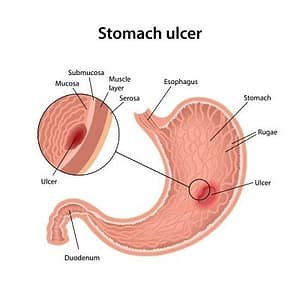
stomach ulcer overview
Understanding Peptic Ulcers
Peptic ulcers are sores that appear in the digestive tract’s lining due to damage inflicted by stomach acid. They occur when the stomach or intestinal lining’s protective mucus barrier compromises, allowing acidic damage to affect the underlying tissues.
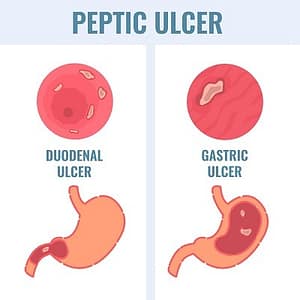
Types of Peptic Ulcers
Peptic ulcers are categorized into three primary types based on their location:
– Gastric ulcers–formed in the stomach lining – Duodenal ulcers–found in the upper portion of the small intestine (duodenum) – Esophageal ulcers–located in the lower esophagus (often associated with acid reflux)
While symptoms may vary slightly, all types result from acid-related damage in the digestive system.
Major Causes of Peptic Ulcers
Contrary to popular belief, peptic ulcers are not exclusively caused by stress or spicy foods. The primary causes are as follows:
– Helicobacter pylori (H. pylori) infection – a bacterium that compromises the stomach’s protective lining – Regular use of NSAIDs – medications like ibuprofen, aspirin, and naproxen can irritate the stomach – Excessive stomach acid production – often linked to lifestyle or other medical issues – Smoking and alcohol consumption– both can harm the mucosal lining and hinder healing – Chronic stress – can exacerbate symptoms and impede recovery
Common Symptoms
Symptoms may differ based on the ulcer’s severity and location but typically include:
– A burning or gnawing sensation in the stomach (especially during fasting or at night) – Bloating and early satiety – Heartburn or acid reflux – Nausea or sporadic vomiting – Loss of appetite or unintentional weight loss
Possible Complications
Untreated peptic ulcers can lead to severe health concerns, including:
– Internal bleeding – which may manifest as vomiting blood or passing black stools – Perforation – a hole in the stomach or intestinal wall – Obstruction – swelling or scarring that inhibits food passage
Understanding the nature, causes, and symptoms of peptic ulcers is crucial for selecting an appropriate treatment plan—whether it’s medical, natural, or a combination of both.
The Role of Diet and Lifestyle in Ulcer Management
Diet and lifestyle significantly influence the development and healing of peptic ulcers. While medications may alleviate stomach acid and eliminate bacterial infection, daily habits largely dictate how swiftly an ulcer heals—and whether it recurs.
A carefully structured diet blended with healthy lifestyle choices can reduce irritation, bolster the stomach lining, and enhance long-term digestive health.
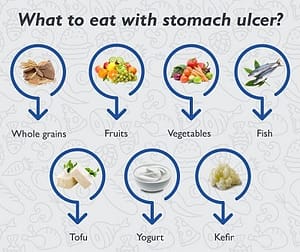
best foods for ulcer healing
Foods That Help Heal Ulcers
Certain foods are gentle on the stomach lining and may encourage faster healing:
– High-fiber foods: Oats, whole grains, legumes, fruits, and vegetables help regulate digestion and lessen acid irritation – Probiotic-rich foods: Yogurt, kefir, and fermented items support beneficial gut bacteria and may help manage H. pylori – Low-acid fruits: Bananas, apples, and pears are soothing to the stomach – Leafy greens and vegetables: Packed with vitamins that assist in tissue repair – Healthy fats: Olive oil and avocado promote overall gut health
Certain foods irritate ulcers and patients should limit or eliminate them. or eliminated:
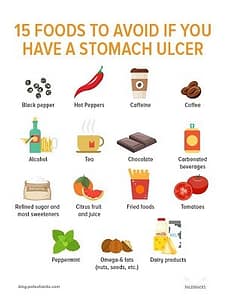
foods to avoid
– Spicy foods – may inflame the stomach lining – Fried and fatty foods – slow down digestion and enhance acid production – Caffeinated beverages – coffee, energy drinks, and certain teas can intensify symptoms – Alcohol – harms the stomach lining and slows healing – Carbonated drinks – may provoke bloating and discomfort
Eating Habits That Make a Difference
How you eat is just as important as what you eat:
– Consume smaller, frequent meals to prevent excess acid buildup – Avoid late-night eating – Chew food thoroughly to aid digestion – Stay hydrated, yet refrain from excessive water intake during meals
Lifestyle Factors That Affect Ulcers
– Stress Management: Ongoing stress can aggravate symptoms and hinder healing. Practices like meditation, deep breathing, and yoga can be helpful – Avoid Smoking: Smoking undermines the stomach lining and boosts acid production – Limit NSAID Use: Overuse of pain relievers like ibuprofen can worsen ulcers – Get Sufficient Sleep: Adequate rest supports the body’s natural healing abilities
Why It Matters?
Even the most potent natural remedies may prove ineffective if detrimental dietary and lifestyle habits persist. Consistent healthy choices foster an environment in which your body can heal more effectively and avert future ulcer occurrences.
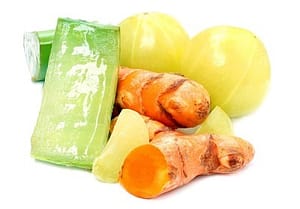
Natural Remedies for Ulcer
Top Natural Remedies for Peptic Ulcers
Natural remedies can significantly support managing peptic ulcers. These options often work by diminishing inflammation, combating H. pylori bacteria, and reinforcing the stomach’s protective barriers. While not a full substitute for medical intervention in severe cases, they can greatly enhance healing when employed correctly.
1. Aloe Vera
Aloe vera is famed for its soothing and anti-inflammatory effects, which may help alleviate irritation in the stomach lining and assist healing.
– Calms inflammation – Aids tissue repair – Best consumed as diluted aloe vera juice
2. Honey
Raw honey possesses potent antibacterial properties and may help impede H. pylori growth.
– Encourages wound healing – Coats and soothes the stomach lining – Consume 1–2 teaspoons daily (preferably raw honey)
3. Cabbage Juice
Cabbage contains a compound sometimes known as “vitamin U,” which may aid in ulcer healing.
– Assists in repairing the stomach lining – May enhance ulcer recovery – Drink fresh cabbage juice 1-2 times daily
4. Probiotics (Yogurt & Fermented Foods)
Probiotics play a role in restoring the balance of beneficial gut bacteria.
– Might reduce H. pylori infection – Boost digestion and immunity – Found in yogurt, kefir, and fermented items
5. Licorice Root (DGL)
Deglycyrrhizinated licorice (DGL) is a safer variant that assists the stomach lining.
– Increases mucus production (offers a protective barrier) – Helps avert further damage – Typically taken as chewable tablets before meals
6. Turmeric
Turmeric is rich in curcumin, a powerful anti-inflammatory compound.
– Lowers inflammation in the stomach – Facilitates healing of ulcers – Can be enjoyed as tea or added to meals
7. Green Tea
Rich in antioxidants, green tea may help combat bacteria and reduce inflammation.
– May inhibit H. pylori growth – Promotes overall digestive health – Drink in moderation (avoid overly strong tea if sensitive)
8. Garlic
Garlic boasts natural antimicrobial qualities.
– Can help fight H. pylori – Supports immune functions – Best ingested raw or lightly cooked
9. Slippery Elm
This herb creates a protective layer over the stomach lining.
– Reduces irritation – Promotes ulcer healing – Typically consumed as a powder mixed with water.
10. Chamomile Tea Chamomile is celebrated for its soothing and anti-inflammatory properties. – Aids in alleviating stomach inflammation – Encourages relaxation and enhances sleep quality – Consume warm before sleep
Important Note Natural remedies yield the best results when combined with a balanced diet and lifestyle adjustments. If symptoms continue or deteriorate, consult a healthcare professional, as untreated ulcers can cause severe complications.
Lifestyle Changes for Ulcer Recovery
While natural remedies and a proper diet are vital, lifestyle choices significantly affect the speed of peptic ulcer healing and potential recurrence. Implementing specific changes in your daily routine can greatly minimize irritation, support the stomach lining, and enhance overall digestive health.
1. Manage Stress Effectively Chronic stress may not directly cause ulcers, but it can aggravate symptoms and slow recovery by raising stomach acid levels. – Apply relaxation methods like meditation and deep breathing – Engage in a light exercise such as walking or yoga – Strive for a healthy work-life balance
2. Avoid Smoking Smoking is a primary contributor to ulcers and hinders the healing process. – Diminishes the stomach’s protective lining – Heightens acid production – Reduces treatment efficacy Quitting smoking can significantly enhance recovery and prevent relapse.
3. Limit or Avoid Alcohol Alcohol can irritate and deteriorate the stomach lining, exacerbating ulcers. – Completely avoid alcohol during ulcer treatment – If consumed, do so in minimal amounts and never on an empty stomach
4. Use Pain Relievers Cautiously (NSAIDs) Regular use of drugs like ibuprofen and aspirin can harm the stomach lining. – Only use as needed and preferably upon medical recommendation – Explore alternatives if you have a history of ulcers
5. Consume Smaller, More Frequent Meals Large meals can elevate stomach acid production and amplify discomfort. – Aim for 4–6 small meals each day – Refrain from long meal gaps – Never skip meals, particularly breakfast
6. Stay Hydrated Proper hydration is crucial for digestion and overall bodily functions. – Drink sufficient water throughout the day – Limit excessive caffeinated or fizzy drinks
7. Get Sufficient Sleep Quality sleep is vital for recovery and overall wellness. – Strive for 7–9 hours of sleep per night – Avoid late-night eating to minimize acid reflux – Keep a consistent sleep schedule
8. Maintain a Healthy Weight Excess weight can raise abdominal pressure and aggravate symptoms like acid reflux. – Embrace a balanced diet and regular physical activity – Focus on gradual, sustainable weight loss if necessary
Why Lifestyle Changes Matter?
Even the best natural remedies can be ineffective if detrimental habits remain. By enhancing your daily lifestyle, you foster an internal environment conducive to natural healing, symptom reduction, and future ulcer prevention.
When to Seek Medical Help
Though natural remedies and lifestyle adjustments can effectively manage mild-to-moderate peptic ulcers, medical attention is crucial in certain situations. Ignoring serious symptoms can result in life-threatening complications.
Warning Signs You Should Never Ignore
Seek immediate medical assistance if you experience: – Intense or sudden abdominal pain that persists – Vomiting blood or material resembling coffee grounds – Black or tarry stools (indicating internal bleeding) – Unexplained weight loss – Ongoing nausea or vomiting – Trouble swallowing
These symptoms may signify complications such as bleeding ulcers, perforation, or obstruction.
Possible Complications of Untreated Ulcers
If ignored, peptic ulcers can escalate and lead to: – Internal bleeding, resulting in anemia and weakness – Perforation, a critical hole in the stomach or intestinal wall – Gastric obstruction, blocking food passage in the digestive tract
Such conditions need immediate medical intervention and cannot be managed solely by home remedies.
When to Consult a Doctor (Non-Emergency)
Even mild symptoms warrant a healthcare professional’s advice if: – Symptoms persist beyond a few days – Over-the-counter medications fail to bring relief – You frequently use painkillers like NSAIDs – You suspect an H. pylori infection
A doctor may suggest tests like endoscopy, blood tests, or stool analysis to confirm the diagnosis and dictate treatment.
home remedies for ulcer
Combining Natural and Medical Treatments
Natural remedies serve best as supplementary therapy—not as a replacement for medical treatment in serious scenarios. – Antibiotics may be necessary to eradicate H. pylori – Acid-reducing medications help safeguard the stomach lining – Natural remedies can enhance healing and curb recurrence
Key Takeaway Listening to your body is crucial. Early intervention can stave off complications and promote faster recovery. If symptoms become severe or unusual, do not hesitate—seek medical assistance promptly.
how to treat peptic ulcer naturally at home
Tips for Ulcer Prevention
Preventing peptic ulcers is significantly more effective—and easier—than treating them after they arise. By establishing consistent, healthy practices, you can protect your stomach lining, mitigate risk factors, and maintain lasting digestive health.
1. Maintain a Healthy, Balanced Diet Your food choices greatly influence ulcer prevention. – Consume plenty of fruits, vegetables, and whole grains – Incorporate probiotic-rich foods like yogurt to promote gut health – Limit spicy, fried, and highly processed foods – Reduce caffeine and acidic foods if you have sensitivities
2. Practice Good Hygiene Given that H. pylori infection is a principal cause of ulcers, maintaining hygiene is vital. – Wash hands routinely, particularly before meals – Drink safe, clean water – Ensure food is well-prepared and cooked
3. Use Medications Sparingly Excessive use of certain drugs can harm the stomach lining. – Avoid repeated or unnecessary use of NSAIDs (like ibuprofen and aspirin) – Follow dosage guidelines rigorously – Consult a doctor if long-term use is necessary
4. Limit Alcohol Intake Alcohol can irritate the stomach lining and spur acid production. – Decrease intake or abstain from alcohol altogether – Never drink on an empty stomach
5. Quit Smoking Smoking heightens ulcer risk and impedes healing. – Destroys the stomach’s protective barrier – Boosts acid production – Increases the likelihood of relapse
6. Manage Stress Effectively While stress itself may not cause ulcers, it can worsen symptoms and provoke flare-ups. – Employ relaxation strategies like meditation and deep breathing – Stay active – Take regular breaks and ensure adequate rest
7. Eat Regularly Inconsistent eating patterns can escalate acid production. – Skip no meals, – Consume smaller, consistent meals throughout the day – Don’t eat too late at night
8. Stay Hydrated Water is vital for digestion and overall health. – Drink a sufficient daily water intake – Minimize sugary and carbonated beverages
Final Insight Preventing peptic ulcers hinges on consistency. Small, daily habits—like eating well, managing stress, and avoiding harmful substances—can greatly safeguard your digestive system.
Frequently Asked Questions (FAQs)
1. Can peptic ulcers heal naturally without medication? Yes, mild peptic ulcers can improve with natural remedies, a suitable diet, and lifestyle adjustments. However, if caused by H. pylori infection or if severe, medical treatment (including antibiotics and acid-reducing medications) is often necessary for full recovery.
2. Which foods are best for ulcer patients? Ulcer-friendly foods include: – Bananas, apples, and pears – Oatmeal and whole grains – Yogurt and other probiotic sources – Leafy greens – Honey and healthy fats like olive oil
These foods help soothe the stomach lining and support healing.
3. What foods should be avoided with ulcers? Limit or steer clear of: – Spicy and fried foods – Alcohol and caffeinated beverages – Carbonated drinks – Highly acidic foods (like citrus, if they cause symptoms)
These can irritate the stomach and exacerbate discomfort.
4. How long for an ulcer to heal? With appropriate treatment, most ulcers start to heal within a few weeks. Full recovery may take: – 2–4 weeks for mild ulcers – 6–8 weeks or longer for more serious cases
Consistency in treatment and lifestyle changes is essential.
5. Does stress directly cause ulcers? While stress itself doesn’t directly lead to ulcers, it can: – Boost stomach acid production – Aggravate current symptoms – Delay healing It’s crucial to manage stress for effective recovery.
6. Are natural remedies universally safe? Most natural remedies are generally safe when used correctly; however, some might interact with medications or be unsuitable for specific groups (such as pregnant individuals or those with chronic illnesses). Always consult a healthcare provider before starting any herbal treatments.
7. Can ulcers reappear after treatment? Indeed, ulcers can come back, particularly if: – The H. pylori infection isn’t fully eradicated – NSAID use continues – Unhealthy lifestyle choices are maintained Implementing preventive measures is vital to reducing the risk of recurrence.
8. When should I consult a physician for an ulcer? You should seek medical help if: – Symptoms persist or intensify – You experience severe pain, vomiting blood, or black stools – Over-the-counter medications fail to provide relief Timely diagnosis is key to avoiding complications.
stomach lining inflammation
Conclusion
Peptic ulcer disease is common yet manageable with the appropriate blend of knowledge, care, and persistence. Conventional medical treatments are crucial, particularly for bacterial infections, but natural remedies can significantly aid healing, alleviate discomfort, and promote digestive health.
From soothing options like aloe vera and honey to gut-friendly probiotics and anti-inflammatory herbs, nature provides various solutions that complement medical interventions.
However, these remedies are most effective when integrated with healthy lifestyle practices, including a balanced diet, stress management, adequate hydration, and avoiding harmful habits such as smoking and excessive alcohol use.
The path to long-term relief involves addressing both symptoms and underlying causes. By making informed choices and heeding your body’s signals, you can heal existing ulcers and reduce the chances of them returning.
If symptoms worsen or persist, always seek professional guidance. Your digestive health is crucial for overall well-being, and taking proactive measures now can lead to significant, lasting improvements.
12 Natural Remedies for Ulcer That Doctors Don’t Always Tell You