
What Causes Ear Infections in Adults? 10 Hidden Triggers You Shouldn’t Ignore
Introduction
Ear infections are often associated with children, but adults are not immune. In fact, many adults experience recurring or sudden ear pain without fully understanding the root cause. Whether it’s a dull ache, sharp pain, or a feeling of pressure inside the ear, these symptoms can disrupt your daily life and even affect your hearing.
An ear infection, medically referred to as Otitis, can develop due to various underlying factors—from bacterial and viral infections to lifestyle habits and environmental exposure.
Understanding what causes ear infections in adults is the first step toward effective treatment and prevention. In this guide, we’ll explore the most common triggers, symptoms, treatment options, and practical ways to protect your ear health.

What Is an Ear Infection?
An ear infection occurs when bacteria, viruses, or fungi invade any part of the ear, causing inflammation and fluid buildup.
Types of Ear Infections
- Outer Ear Infection (Swimmer’s Ear)
Affects the ear canal, often caused by trapped moisture. - Middle Ear Infection (Otitis Media)
Occurs behind the eardrum, usually linked to respiratory infections. - Inner Ear Infection (Labyrinthitis)
Affects balance and hearing, often caused by viral infections.
How the Ear Works (Simple Explanation)
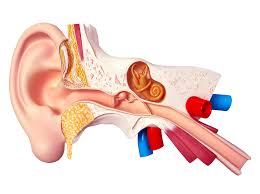
The ear consists of three main parts:
- Outer ear:Collects sound
- Middle ear:Transmits vibrations
- Inner ear:Converts sound into signals for the brain
A small tube called the Eustachian tube connects the middle ear to the throat. Its job is to regulate pressure and drain fluid. When this tube becomes blocked, fluid accumulates, creating a breeding ground for infection.
10 Common Causes of Ear Infections in Adults
1. Bacterial Infections
Bacteria are one of the leading causes of ear infections. They often enter the ear after a cold or respiratory illness.
- Common bacteria multiply in trapped fluid
- Leads to inflammation, pain, and sometimes pus
2. Viral Infections
Viruses such as the common cold or flu can trigger ear infections.
- Cause swelling in the nasal passages
- Block the Eustachian tube
- Lead to fluid buildup
3. Allergies
Allergies don’t just affect your nose—they can impact your ears too.
- Cause sinus congestion
- Block drainage pathways
- Increase risk of infection
4. Sinus Infections
Your ears and sinuses are closely connected.
- Sinus pressure can affect ear pressure
- Mucus buildup can spread infection
- Chronic sinusitis increases risk
5. Excess Moisture in the Ear
Moisture creates the perfect environment for bacteria and fungi.
- Common in swimmers
- Also caused by humid climates
- Poor ear drying habits worsen the risk
6. Earwax Buildup
Earwax is protective—but too much can be harmful.
- Traps bacteria and debris
- Blocks airflow
- Can lead to infection if not managed properly
7. Smoking and Secondhand Smoke
Smoking weakens your body’s natural defenses.
- Irritates respiratory passages
- Affects Eustachian tube function
- Increases susceptibility to infections
8. Weakened Immune System
A compromised immune system makes it harder to fight infections.
- Chronic illnesses like diabetes
- Poor diet and lack of sleep
- High stress levels
9. Air Pressure Changes
Sudden pressure changes can affect your ears.
- Flying or scuba diving
- Causes Eustachian tube dysfunction
- Leads to fluid retention
10. Injuries or Foreign Objects
Physical damage can introduce infection.
- Using cotton swabs incorrectly
- Inserting sharp objects
- Scratching the ear canal
Risk Factors That Increase Your Chances
Certain factors make adults more prone to ear infections:
- Frequent colds or flu
- Poor hygiene habits
- Living in polluted environments
- Chronic allergies
- Excessive use of earbuds or headphones
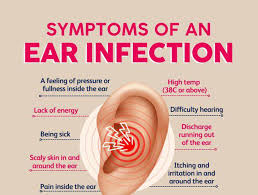
Symptoms of Ear Infections in Adults
Recognizing symptoms early can prevent complications.
Common Symptoms Include:
- Sharp or dull ear pain
- Feeling of fullness in the ear
- Reduced or muffled hearing
- Fluid drainage
- Fever
- Headache
- Dizziness or balance issues
How Ear Infections Are Diagnosed
A doctor will typically:
- Examine your ear using an otoscope
- Check for redness, swelling, or fluid
- Recommend hearing tests if needed
In some cases, further tests may be required to rule out chronic conditions.
Treatment Options
Medical Treatments
- Antibiotics– for bacterial infections
- Pain relievers– such as paracetamol or ibuprofen
- Decongestants– to reduce pressure
- Antihistamines– for allergy-related cases
Home Remedies
- Apply a warm compress to reduce pain
- Use steam inhalation to relieve congestion
- Stay hydrated and rest
Natural Remedies to Support Healing
Many natural remedies can complement medical treatment:
1. Garlic Oil
- Known for antibacterial properties
- May help reduce infection
2. Ginger
- Anti-inflammatory benefits
- Helps relieve pain
3. Turmeric
- Supports immune function
- Reduces inflammation
Always consult a healthcare professional before using natural remedies, especially inside the ear.
Prevention Tips
Preventing ear infections is easier than treating them.
Practical Tips:
- Keep your ears dry after bathing or swimming
- Avoid inserting objects into your ears
- Manage allergies effectively
- Quit smoking
- Boost immunity with a healthy diet
- Clean earbuds regularly

When to See a Doctor
While many mild ear infections in adults can resolve on their own, there are situations where medical attention is necessary to prevent complications such as hearing loss or the spread of infection.
READ ALSO: How to Cure Diarrhea In Adults And Children: 7 Proven Ways
You should consult a healthcare professional if you experience any of the following:
1. Severe or Persistent Ear Pain
If your ear pain is intense, worsening, or lasts more than 3–5 days, it may indicate a more serious infection that requires medical treatment.
2. Hearing Loss or Muffled Hearing
Temporary hearing changes can occur with ear infections, but if the problem persists, it could signal fluid buildup or damage to the middle ear.
3. High Fever
A fever above 38°C (100.4°F) may suggest that the infection is spreading or becoming more severe.
4. Fluid or Pus Discharge
If you notice yellow, green, or bloody fluid coming from your ear, it could mean a ruptured eardrum or advanced infection that needs urgent care.
5. Dizziness or Balance Problems
The inner ear plays a critical role in balance. Symptoms like vertigo or unsteadiness may indicate a deeper infection such as Labyrinthitis.
6. Symptoms That Keep Coming Back
Recurring ear infections may point to underlying issues such as allergies, sinus infections, or a weakened immune system that require further evaluation.
7. Swelling Around the Ear or Face
Swelling, redness, or tenderness around the ear could indicate that the infection is spreading to nearby tissues.
8. Headache or Neck Stiffness
These symptoms, especially when combined with fever, could signal a more serious complication and should never be ignored.
Important Note
Delaying treatment for an ear infection can lead to complications such as chronic infections, eardrum damage, or permanent hearing loss. Early diagnosis and proper care can prevent these outcomes and speed up recovery.
Quick Tip for Readers
If you’re unsure whether your symptoms are serious, it’s always safer to seek medical advice early rather than wait for the condition to worsen.
Possible Complications if Left Untreated
Ignoring an ear infection may seem harmless at first—especially if symptoms are mild—but untreated infections can lead to serious health problems. In some cases, complications can become long-term or even permanent.
READ ALSO: 12 Proven Fast Home Remedies For Diarrhea And Stomach Upset
Understanding these risks highlights why early treatment is so important.
1. Temporary or Permanent Hearing Loss
One of the most common complications is hearing impairment.
- Fluid buildup in the middle ear can block sound transmission
- Prolonged infection may damage the eardrum or inner ear structures
- Repeated infections increase the risk of permanent hearing loss
2. Spread of Infection
An untreated ear infection can extend beyond the ear to nearby tissues.
- Infection may spread to the skull or brain
- In rare cases, it can lead to life-threatening conditions like Meningitis
- This is more likely in severe or chronic cases
3. Chronic Ear Infections
If not properly treated, acute infections can become chronic.
- Persistent inflammation in the ear
- Recurrent pain and fluid discharge
- Ongoing discomfort that affects daily life
4. Eardrum Rupture (Perforation)
Pressure from fluid buildup can cause the eardrum to tear.
- Sudden relief of pain followed by fluid drainage
- Increased risk of repeated infections
- May require medical or surgical repair
5. Balance and Coordination Problems
The inner ear plays a vital role in maintaining balance.
- Infections affecting this area can cause vertigo
- Difficulty standing or walking steadily
- Increased risk of falls, especially in older adults
6. Abscess Formation
Severe infections can lead to pus-filled swellings (abscesses).
- Painful lumps near or behind the ear
- Requires urgent medical treatment
- May need drainage or surgical intervention
7. Facial Nerve Damage (Rare but Serious)
In rare cases, the infection can affect nearby nerves.
- Weakness or paralysis on one side of the face
- Difficulty with facial expressions
- Requires immediate medical attention
Important Takeaway
Ear infections should never be ignored. What starts as mild discomfort can escalate into serious complications if left untreated. Prompt diagnosis and proper care can prevent long-term damage and protect your hearing.
READ ALSO: 7 Ear Infection Home Treatments: Safe Remedies And Medical Care
If your symptoms persist or worsen, don’t rely solely on home remedies—seek professional medical advice to avoid complications.
Frequently Asked Questions (FAQs)
1. Can ear infections go away on their own?
Yes, mild ear infections—especially those caused by viruses—can resolve without treatment within a few days. However, if symptoms persist or worsen, it’s important to seek medical attention to rule out a more serious condition.
2. Are ear infections contagious?
Ear infections themselves are not contagious, but the infections that cause them—such as colds or the flu—can spread from person to person.
3. How long do ear infections last in adults?
Most ear infections in adults last between 3 to 7 days. Bacterial infections may take longer and often require antibiotics for full recovery.
4. What is the main cause of ear infections in adults?
The most common causes include bacterial or viral infections, allergies, sinus problems, and fluid buildup due to blocked Eustachian tubes.
5. Can stress cause ear infections?
Stress does not directly cause ear infections, but it can weaken your immune system, making you more vulnerable to infections.
6. Is it safe to use ear drops at home?
Over-the-counter ear drops can help relieve pain, but they should only be used if you’re sure your eardrum is not damaged. It’s best to consult a healthcare professional before use.
7. Can ear infections affect balance?
Yes, infections involving the inner ear—such as Labyrinthitis—can cause dizziness, vertigo, and balance problems.
8. Can I fly with an ear infection?
Flying is not recommended if you have an ear infection, as changes in air pressure can worsen pain and potentially damage the eardrum.
9. Why do ear infections keep coming back?
Recurring infections may be caused by untreated allergies, chronic sinus infections, poor ear hygiene, or a weakened immune system.
10. What are the best natural remedies for ear infections?
Some helpful natural remedies include warm compresses, steam inhalation, garlic oil (used cautiously), and anti-inflammatory foods like ginger and turmeric. These can support healing but should not replace medical treatment.
11. When should I see a doctor for an ear infection?
You should seek medical care if you experience severe pain, hearing loss, high fever, dizziness, or symptoms lasting more than a few days.
12. Can ear infections cause permanent damage?
Yes, if left untreated, ear infections can lead to complications such as hearing loss, eardrum damage, or even the spread of infection to nearby areas.

Conclusion
Ear infections in adults are more prevalent than many realize, stemming from various causes such as bacterial or viral pathogens, allergies, sinus-related issues, lifestyle choices, and environmental influences. While some instances may be mild and self-limiting, others can rapidly evolve into significant complications if not addressed.
In this guide, we’ve examined the primary triggers, symptoms to monitor, and the most effective treatment alternatives—both conventional and natural. The key message is clear: prompt identification and intervention are crucial. Neglecting symptoms like ongoing pain, diminished hearing, or fluid drainage can result in lasting issues, such as chronic infections or irreversible hearing loss.
Prevention is equally important. Simple practices like keeping your ears dry, refraining from using sharp objects in the ear, managing allergies, and boosting your immune system can greatly lower your risk. Upholding overall wellness through a balanced diet, good hygiene, and healthy lifestyle choices is one of the best ways to safeguard your ears.
Should you experience persistent or severe symptoms, it’s essential to seek professional medical guidance. Conditions like Otitis Media can deteriorate without appropriate treatment, but with the right care, the majority of ear infections can be treated swiftly and effectively.