10 Early Signs of Pregnancy Every Woman Should Know
Introduction
Are you potentially expecting? For many women, the initial signs of pregnancy can be easily missed or confused with typical premenstrual symptoms. However, these subtle bodily changes might be your first indication that something extraordinary is occurring. Whether you are actively trying to get pregnant, hoping for a pleasant surprise, or simply aiming to better understand your body, it’s crucial to recognize the early signals. From missed periods and exhaustion to unusual cravings or heightened senses, your body begins communicating that something is afoot shortly after conception.
In this article, we’ll guide you through ten early pregnancy signs every woman should be aware of — detailing when they manifest, how they feel, and how to distinguish between pregnancy and PMS. By the end, you’ll be better prepared to identify these signs, take necessary actions, and feel more assured in your journey of pregnancy. Let’s get started!
Understanding Early Signs of Pregnancy
The early stages of pregnancy are a time of significant transformation — often before you even realize you’re pregnant. After conception, your body begins producing increased amounts of hormones like human chorionic gonadotropin (hCG), estrogen, and progesterone. These hormonal changes are behind the symptoms many women notice just days post-fertilization. For some, the signs are immediate. Others may notice subtle changes or none at all. Typically, most early pregnancy symptoms appear within one to two weeks after conception, often confused with PMS or general tiredness.
A crucial distinction between early pregnancy signs and PMS lies in their timing and intensity. While both can cause bloating, mood fluctuations, or breast tenderness, pregnancy signs usually persist longer, are more pronounced, or emerge with unique symptoms like implantation bleeding, frequent urination, or a metallic taste. Learning how your body responds to pregnancy at these stages can help you fine-tune your awareness of those early signals — aiding in deciding when to take a pregnancy test or consult a healthcare professional.
10 Early Signs of Pregnancy Every Woman Should Know
Your body communicates pregnancy in its way — often before you even take a test. Here are ten early signs to be mindful of: 1. Missed Period This is typically the first significant sign women notice. A late period, especially in a regular cycle, could indicate pregnancy. A missed period occurs when the embryo implants in the uterine lining, halting the usual menstrual cycle. Tip: If your periods are irregular, monitor other symptoms in addition to timing your test.
2. Tender or Swollen Breasts Hormonal fluctuations in early pregnancy can cause your breasts to feel tender, tingly, fuller, or heavier. This discomfort is often more intense and longer-lasting than typical PMS-related breast tenderness. You may notice: Darkened areolas or more prominent veins.
3. Fatigue and Tiredness Unexplained fatigue can be one of the earliest pregnancy signs. Your body is working hard to nurture the developing baby, and rising progesterone levels may contribute to feelings of sleepiness or exhaustion. What helps: Rest, small nutritious meals, and staying hydrated.
4. Nausea and Morning Sickness Nausea may begin as soon as the second week of pregnancy and isn’t limited to mornings. Some women feel queasy throughout the day, while others notice it primarily with specific foods or smells. Keep in mind: Not all women experience vomiting; it might just manifest as a persistent queasy sensation.
5. Frequent Urination You may find yourself needing to urinate more often due to increased blood flow to the kidneys and a growing uterus pressing on the bladder, even before your abdomen expands. It’s common: This symptom often begins around weeks 6 to 8 of pregnancy.
6. Mood Swings Feeling more emotional than usual? Pregnancy hormones can trigger mood changes similar to PMS, but usually more intense. You might experience unusual weepiness, irritability, or anxiety. Support tip: Gentle exercise and talking to loved ones can help you manage these feelings.
7. Light Spotting or Implantation Bleeding A small amount of pink or brown spotting may occur when the fertilized egg implants into the uterine wall, typically 6–12 days post-ovulation,, and lighter than a regular period. Important: Should the bleeding become heavy or be accompanied by pain, seek medical help.
8. Cramping or Mild Discomfort Mild uterine cramping, often mistaken for pre-menstrual cramps, is another frequent early sign of pregnancy, resulting from implantation and the uterus preparing for pregnancy. Note: Severe or sharp pain is not normal — seek medical assistance if cramps are intense.
9. Increased Sense of Smell and Food Aversions Are you suddenly sensitive to strong odors or turned off by favorite foods? Many women experience heightened smell sensitivity and unusual food aversions early in pregnancy, often due to hormonal changes. Example: Perfumes, fried foods, or coffee may suddenly become intolerable.
10. Bloating and Constipation Progesterone relaxes muscles throughout your body, including in the digestive tract, slowing down digestion. This can result in gas, bloating, and even constipation — akin to PMS but often more persistent in pregnancy. Relief tip: Incorporate fiber-rich foods, maintain an active lifestyle, and drink plenty of water. While these signs alone do not confirm pregnancy, experiencing several simultaneously — especially a missed period — is a compelling reason to take a pregnancy test or consult your healthcare provider.
Less Common Early Pregnancy Symptoms
While the signs listed above are more prevalent, some women may encounter additional — and sometimes surprising — symptoms in early pregnancy. Though not universal, these can be perfectly normal: 1. Metallic Taste in the Mouth (Dysgeusia) Some women describe a peculiar, metallic taste soon after conception. It may persist throughout the day or fluctuate with certain foods or drinks. Why it happens: Changes in hormone levels can affect your sense of taste.
2. Mild Rise in Body Temperature An elevated basal body temperature (BBT) can be an early sign of pregnancy. If your BBT remains higher than normal for over two weeks post-ovulation, it may indicate conception. Reminder: This is more accurate if you’re already tracking your temperature consistently.
3. Feelings of Dizziness or Lightheadedness In early pregnancy, fluctuations in blood sugar and blood pressure may result in occasional dizziness or fainting spells — particularly when standing too quickly or skipping meals. Tip for relief: Stay hydrated, avoid extended periods without food, and rise slowly from seated or prone positions.
4. Increased Salivation (Ptyalism) An unusual but harmless symptom is heightened saliva production, often associated with hormonal changes and nausea,, and can lead to mild discomfort. Helpful hint: Chewing gum or sipping water can alleviate this feeling.
5. Nasal Congestion or Drippy Nose Pregnancy hormones can cause swelling in the nasal passages and increase mucus production, resulting in congestion or a runny nose. Suggestion: Consider using a humidifier or saline spray for natural relief.
These less common symptoms can be surprising, especially if they catch you off guard. When experienced alongside more typical indicators, they help create a more comprehensive picture of early pregnancy.
When to Use a Pregnancy Test
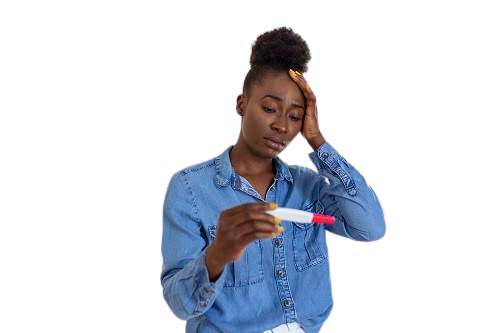
If you’re noticing early pregnancy signs — particularly a missed period — you might wonder about the best time to take a pregnancy test for accuracy.
Optimal Timing for Testing The best time to take a pregnancy test is after a missed period. By then, hCG (human chorionic gonadotropin) levels are usually high enough for most home tests to detect.
Still, some early detection tests claim to identify hCG 6 to 8 days post-ovulation — though testing early can result in false negatives.
For Maximum Accuracy: – Wait until the first day of your missed period (or later) – Use the first morning urine, which has the highest concentration of hCG – Limit water intake before testing, as too much can dilute your urine and skew results
What If You Receive a Negative Test but Have Symptoms? – Wait 2–3 days and retest, especially if your period hasn’t started – Monitor other symptoms such as fatigue, nausea, or breast tenderness – If uncertainty persists, consult a healthcare professional for a blood test, which can detect lower hCG levels more accurately than urine tests
Testing at the right moment helps diminish uncertainty and provides clarity on next steps — whether it’s starting prenatal care or continuing to track your cycle.
early signs of pregnancy
When to Consult a Doctor
If you think you may be pregnant or have received a positive home pregnancy test, it’s essential to reach out to your doctor or a qualified healthcare provider. Prompt medical attention is vital for your well-being and that of your baby.
Schedule an Appointment If: – You’ve received a positive test result (even a faint line is significant) – You’re experiencing various early pregnancy symptoms, but haven’t yet confirmed – You have a missed period and persistent symptoms, yet home tests are negative – You’re experiencing painful cramping, heavy bleeding, or other troubling symptoms
What to Expect at Your First Prenatal Visit: – Verification of pregnancy via urine or blood test – Physical examination and review of your medical history – Estimated due date (EDD) based on your last menstrual period – Guidance on prenatal vitamins and nutrition – Possible ultrasound to confirm gestational age and check for any complications
Importance of Early Prenatal Care: – Supports your baby’s healthy development – Allows for early detection of any complications (e.g., ectopic pregnancy) – Provides tailored advice for managing symptoms, diet, and lifestyle – Offers reassurance and answers to your questions or concerns
Early care is crucial not just for confirming pregnancy, but as a foundation for a healthy transition into motherhood. If you’re unsure, it’s best to seek help sooner rather than later.
Q1. Is it possible to be pregnant and show no symptoms? Yes. Some women experience signs like fatigue or nausea, while others may feel completely normal in the early days of pregnancy. Each woman’s experience is unique.
Q2. Do early pregnancy symptoms occur before a missed period? Yes. Some women notice symptoms such as breast tenderness and cramping 1–2 weeks post-ovulation, even before a missed period, though these can mimic PMS.
Q3. When is the earliest I can take a pregnancy test post-unprotected sex? You can take an early detection pregnancy test around 6–8 days after ovulation, but it’s more accurate after a missed period. Testing too soon can lead to false negatives.
Q4. Are early pregnancy symptoms identical for every woman? No. Symptoms can differ significantly from one woman to another and even across pregnancies. Some may experience intense symptoms, while others notice few changes.
Q5. Do PMS and early pregnancy symptoms overlap? Yes, several early pregnancy symptoms, including bloating and breast tenderness, overlap with PMS. Key differences lie in symptom timing, duration, and intensity.
Q6. What should I do if I exhibit pregnancy symptoms but receive a negative test result? This situation may occur if testing is done too early or using a less sensitive test. Wait a few days to retest or consult your physician for a blood test, which offers more accuracy.
Q7. Is spotting normal during early pregnancy? Yes. Light spotting,, known as implantation bleeding,, can occur 6–12 days after ovulation. However, substantial bleeding or severe cramping requires medical evaluation.
Q8. Can I depend solely on symptoms for a definitive pregnancy confirmation? No. Symptoms can indicate pregnancy, but a pregnancy test and medical assessment are essential for confirmation.
Q9. What should I do if I suspect I might be pregnant? If your period is late or symptoms arise, take a home pregnancy test. If positive — or if you’re uncertain — arrange a visit with your healthcare provider for validation and early prenatal support.
Q10. Do early pregnancy symptoms guarantee a healthy pregnancy? Not necessarily. Symptoms vary widely and aren’t always indicative of pregnancy health. Several women with few symptoms enjoy perfectly healthy pregnancies. Regular checkups are the best way to monitor health.
Conclusion
Identifying early pregnancy signs allows you to take proactive steps towards your health and well-being — whether you are trying to conceive, taken by surprise, or simply curious about the signals from your body.
From missed periods to nausea, mood swings, and food aversions, your body starts communicating immediately after conception. Although these signs alone don’t confirm pregnancy, they are key clues — especially when occurring together.
If you think you might be pregnant, take a home test, note your symptoms, and consult your doctor for validation and guidance. Understanding your condition early enables better care, which is the best beginning for you and your baby.
Remember, every woman’s experience is unique. Trust your instincts, pay attention to what your body is telling you, and don’t hesitate to seek professional advice if something feels amiss.