
10 Essential Facts About Vagina Health Every Woman Should Know
Introduction to Vagina Health
Understanding vaginal health is crucial for every woman’s overall well-being. Nonetheless, many women have uncertainties about what is normal, what isn’t, and how to care for their intimate health effectively. Misinformation, embarrassment, and a lack of education often deter women from seeking essential answers.
The vagina is a remarkable component of the female reproductive system with natural mechanisms that help maintain cleanliness, combat infections, and support reproductive health. However, factors such as hormonal changes, inadequate hygiene practices, certain medications, and infections can impact vaginal health.
In this guide, we will delve into ten vital facts every woman should recognize about vaginal health, common warning signals of issues, and useful advice for maintaining a healthy vagina throughout life.

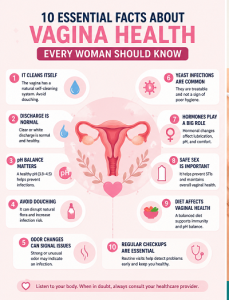
1. The Vagina Self-Cleans Naturally
One fundamental fact about vaginal health is that the vagina has self-cleaning capabilities. It produces natural secretions that help expel dead cells and bacteria. These secretions, referred to as vaginal discharge, are part of the body’s inherent cleansing system.
Many women mistakenly think they require special products to clean inside the vagina. In truth, the vagina is designed to uphold its own balance.
What You Should Do:
• Clean only the external genital area (vulva) with warm water.
• Use mild, unscented soap if necessary.
• Refrain from douching and internal cleansing products.
2. Vaginal Discharge Is Generally Normal
Vaginal discharge is a healthy and standard aspect of female reproductive health. The size, color, and texture of discharge can change based on:
• Menstrual cycle phase
• Ovulation
• Pregnancy
• Hormonal fluctuations
• Sexual activity
Normal Discharge:
• Clear or milky white
• Slight or no odor
• No itching or irritation accompanies it
When to Be Concerned:
• A strong fishy scent
• Green, yellow, or gray discharge
• Thick, cottage cheese-like texture
• Accompanied by itching or burning
These signs may indicate an infection and should be evaluated by a healthcare professional.
3. Maintaining a Healthy Vaginal pH Is Key
The vagina sustains a mildly acidic environment, with a pH typically ranging from 3.8 to 4.5. This acidity helps curb harmful bacteria and yeast overgrowth.
Certain factors may disrupt vaginal pH:
• Douching
• Antibiotic use
• Unprotected sexual activity
• Hormonal changes
• Some feminine hygiene products
When the pH balance is off, infections like bacterial vaginosis and yeast infections are more likely to occur.
4. Douching Can Be Detrimental
Many women think douching keeps the vagina clean and fresh. In reality, douching can:
• Eliminate beneficial bacteria
• Disturb vaginal pH
• Increase infection risk
• Cause irritation
• Heighten the risk of pelvic inflammatory disease
Medical experts typically recommend against douching, as it disrupts the vagina’s natural defences.
5. Changes in Vaginal Odor May Indicate Issues
Every vagina has its own natural scent. Mild variations are normal and can happen during menstruation, exercise, or hormonal shifts. However, a sudden or strong odor might signal an underlying problem.
Common Causes of Abnormal Odor:
• Bacterial vaginosis
• Yeast infections
• Poor hygiene
• Forgotten tampons
• Sexually transmitted infections (STIs)
If an unusual odor persists, consider seeking medical advice.
6. Yeast Infections Are Common but Treatable
Many women endure yeast infections at least once in their lifetime. A yeast infection occurs from excessive growth of Candida yeast in the vagina.
Common Symptoms:
• Severe itching
• Redness and swelling
• Burning feeling
• Thick white discharge
Risk Factors:
• Antibiotic use
• Pregnancy
• Diabetes
• Weakened immune system
• High sugar intake
Fortunately, most yeast infections respond well to antifungal treatments.
7. Hormones Are Crucial to Vaginal Wellness
Hormonal fluctuations have a significant impact on vaginal tissues throughout life. Oestrogen helps maintain:
• Vaginal lubrication
• Tissue elasticity
• Healthy bacterial balance
When oestrogen levels drop, vaginal dryness and discomfort can result.

Common Life Stages Affecting Vaginal Health:
• Puberty
• Menstruation
• Pregnancy
• Breastfeeding
• Perimenopause
• Menopause
Understanding these changes enables women to identify normal transitions and seek assistance when necessary.
8. Practicing Safe Sex Supports Vaginal Health
Sexual activity can affect vaginal health in various ways. Utilising protection helps lower the risk of:
• Sexually transmitted infections
• Vaginal irritation
• Certain bacterial imbalances
Healthy Sexual Practices:
• Use condoms consistently.
• Urinate post-intercourse.
• Maintain good hygiene.
• Get routine STI screenings.
• Communicate openly with partners.
These measures promote both vaginal and overall reproductive health.
9. Your Diet Can Influence Vaginal Health
Nutrition plays a surprisingly essential role in sustaining vaginal wellness. A balanced diet supports the immune system and helps maintain a healthy vaginal microbiome.
Foods That Support Vaginal Health:
• Yogurt with live cultures
• Kefir
• Fruits and vegetables
• Whole grains
• Hydrating foods
Habits to Limit:
• Excessive sugar consumption
• Highly processed foods
• Excessive alcohol intake
Staying well-hydrated also aids in supporting essential bodily functions, including vaginal health.
10. Routine Checkups Are Vital
Regular gynaecological checkups remain important, even when feeling well. Regular exams help identify:
• Infections
• Cervical abnormalities
• Reproductive health complications
• Certain cancers
Women should consult their healthcare providers about how often they should undergo:
• Pelvic exams
• Pap tests
• HPV screenings
• STI testing
Preventive care can reveal issues early when treatment is generally most effective.
Warning Signs You Should Never Ignore
While many changes in vaginal health are natural, some symptoms might signify an infection, hormonal imbalance, or a serious health condition. Recognizing these warning signals can prompt early treatment and prevent complications.
1. Unusual Vaginal Discharge
Changes in color, consistency, or quantity of vaginal discharge may indicate a problem. Be alert for:
• Yellow, green, or gray discharge
• Thick, cottage cheese-like discharge
• Excessive discharge diverging from your typical pattern
These alterations may be linked to yeast infections, bacterial vaginosis, or sexually transmitted infections (STIs).
2. Strong or Unpleasant Vaginal Odor
A mild vaginal scent is average, but a strong fishy or off-putting odor is not. A persistent odor may indicate the following:
• Bacterial vaginosis
• Trichomoniasis
• Retained foreign objects, such as a forgotten tampon
3. Ongoing Itching or Irritation
While occasional mild irritation is common, persistent itching warrants attention. Potential causes include the following:
• Yeast infections
• Allergic reactions
• Skin conditions
• Sexually transmitted infections
4. Burning During Urination
A burning feeling during urination could suggest the following:
• A urinary tract infection (UTI)
• Vaginal infection
• Irritation from hygiene products
• Certain sexually transmitted infections
Seek medical guidance if symptoms remain or worsen.

5. Pain During Sexual Intercourse
Intercourse shouldn’t consistently be painful. Pain during sex may stem from:
• Vaginal dryness
• Infection
• Endometriosis
• Pelvic inflammatory disease
• Other gynecological issues
6. Irregular Bleeding Between Periods
Unexpected bleeding outside your menstrual cycle should always be assessed. Potential causes include the following:
• Hormonal imbalances
• Uterine fibroids
• Cervical abnormalities
• Pregnancy-related issues
7. Chronic Pelvic or Lower Abdominal Pain
Persistent pelvic pain can sometimes indicate:
• Ovarian cysts
• Endometriosis
• Pelvic inflammatory disease
• Reproductive system disorders
Do not disregard pain that is severe, recurring, or accompanied by fever.
8. Sores, Lumps, or Exceptional Growths
Any new bump, sore, wart, or lesion in the vaginal area should be evaluated by a healthcare professional. These could relate to:
• Cysts
• Genital warts
• Skin conditions
• Various infections
9. Vaginal Dryness Impacting Daily Life
While occasional dryness is normal, particularly during menopause, ongoing dryness that leads to discomfort, irritation, or painful sexual activity should prompt a conversation with your healthcare professional.
10. Fever with Vaginal Symptoms
If vaginal issues are accompanied by fever, chills, nausea, or intense pain, seek medical help immediately. This combination could signal a serious infection that necessitates urgent care.
When to Seek Immediate Medical Attention
Reach out to a healthcare provider without delay if you experience:
• Severe pelvic discomfort
• Unexplained heavy bleeding
• High fever along with vaginal symptoms
• Painful sores or lesions
• Symptoms that persist despite treatment
• Sudden concerning changes in vaginal health
Key Takeaway
Your body often signals trouble ahead. Don’t overlook signs like unusual discharge, strong odors, persistent itching, pain, abnormal bleeding, or pelvic discomfort. Early medical consultation can facilitate quicker diagnosis, improved treatment options, and enhanced long-term reproductive wellness.
Strategies for Maintaining Vaginal Health
Ensuring good vaginal health is essential for overall well-being. The vagina has natural defences to maintain cleanliness and balance, but adopting healthy daily habits can enhance these processes and lower the chances of irritations and infections.
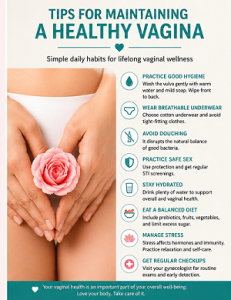
1. Maintain Proper Hygiene
Practising good hygiene is crucial in preventing sweat, bacteria, and irritants from accumulating around the genital area. Recommended practices include:
• Daily washing of the vulva with warm water.
• Using a mild, unscented soap if necessary.
• Gently drying the area after bathing.
• Always wiping from front to back after using the restroom.
2. Refrain from Douching
The vagina self-cleans through natural secretions. Douching can:
• Disturb the natural population of healthy bacteria.
• Change the vaginal pH balance.
• Heighten susceptibility to infections such as bacterial vaginosis and yeast infections.
3. Opt for Breathable Underwear
Cotton underwear promotes airflow and keeps the genital region dry. To minimize moisture:
• Select cotton or moisture-wicking materials.
• Avoid wearing tight underwear for extended durations.
• Change underwear daily.
4. Promptly Change from Wet Clothes
Damp conditions encourage bacterial and yeast growth. After:
• Swimming
• Exercising
• Heavy sweating
Change into clean, dry attire as soon as possible.
5. Engage in Safe Sexual Practices
Safe sex is vital for preventing sexually transmitted infections (STIs) and maintaining vaginal health. Key habits include:
• Consistently using condoms.
• Undergoing regular STI screenings.
• Keeping open lines of communication with sexual partners.
• Urinating post-intercourse to lower the risk of urinary tract infections.
6. Stay Well-Hydrated
Adequate hydration supports all bodily functions, including vaginal moisture and tissue health. Aim to:
• Drink enough water throughout the day.
• Increase fluid intake during hot weather or physical activity.
7. Consume a Balanced Diet
A nutrient-rich diet bolsters the immune system and can foster a healthy vaginal microbiome. Include plenty of:
• Fruits and vegetables
• Whole grains
• Lean proteins
• Healthy fats
• Probiotic-rich foods like yogurt and kefir
8. Limit Sugar Intake
Excessive sugar can contribute to yeast overgrowth in some women. To foster vaginal wellness:
• Minimize sugary snacks and beverages.
• Opt for whole foods as much as possible.
• Keep blood sugar levels steady with balanced meals.
9. Avoid Scented Feminine Products
Many scented items can irritate sensitive vaginal tissues and disrupt the natural balance of bacteria. Steer clear of:
• Scented sprays
• Perfumed wipes
• Scented pads or tampons
• Fragrant bubble baths
10. Effectively Manage Stress
Ongoing stress can interfere with hormone levels and weaken the immune system, increasing the odds of infections. Healthy stress-management techniques include:
• Regular physical activity
• Meditation practices
• Breathing exercises
• Adequate sleep
• Quality time with loved ones
11. Schedule Routine Gynecological Appointments
Regular exams can catch issues early before they escalate. Discuss with your healthcare provider:
• Pelvic examinations
• Pap tests
• HPV screenings
• STI testing
• Menstrual concerns
12. Monitor for Changes
Understanding your body helps you recognize potential issues early. Watch for:
• Shifts in discharge
• Unusual odors
• Itching or irritation
• Discomfort during urination
• Any abnormal bleeding
If such symptoms persist, seek prompt medical advice.
Healthy Vagina Checklist
✓ Gently wash the vulva with warm water
✓ Wear breathable cotton underwear
✓ Stay hydrated
✓ Eat a balanced diet
✓ Practice safe sex
✓ Change out of wet clothing quickly
✓ Avoid douching
✓ Steer clear of scented feminine products
✓ Manage stress
✓ Attend regular health screenings
Conclusion
A healthy vagina thrives on simple daily habits, proper hygiene, balanced nutrition, safe sexual practices, and systematic medical care. By taking proactive measures and listening to your body’s cues, you can lower your risk of infections, maintain comfort, and support your long-term reproductive health.
Remember, every woman’s body is distinct. If you encounter unusual symptoms or have concerns, consult a qualified healthcare provider for tailored advice and treatment.
Frequently Asked Questions (FAQs) About Vaginal Health
1. What is the appearance of a healthy vagina?
The appearance of a healthy vagina and vulva can vary widely between women. There is no singular “normal” look. Healthy tissues are usually pink, although variations in shade can depend on skin tone and age.
2. Is vaginal discharge typical?
Yes, vaginal discharge is a regular part of the body’s self-cleaning process. Healthy discharge is typically clear, white, or slightly milky and
may fluctuate throughout the menstrual cycle.
3. What leads to vaginal odor?
A mild scent is typically normal. However, a strong fishy or off-putting odor may indicate an infection, such as bacterial vaginosis or a sexually transmitted infection, warranting evaluation by a healthcare provider.
4. Should I use douches for cleaning?
No, medical professionals advise against douching. The vagina cleans itself naturally, and douching can disrupt healthy bacterial balance, increasing infection risks.
5. Which foods support vaginal health?
Foods rich in probiotics and nutrients benefit vaginal health, including:
• Yogurt with live cultures
• Kefir
• Fruits and vegetables
• Whole grains
• Ample water
6. What symptoms indicate a yeast infection?
Common signs may include:
• Severe itching
• Burning sensations
• Redness and swelling
• Thick white discharge similar to cottage cheese
• Discomfort when urinating or during intercourse
7. Does stress impact vaginal health?
Yes, chronic stress can weaken the immune system and potentially increase infection risks or hormonal imbalances affecting vaginal health.
READ ALSO: At What Age Does Menopause Begin?
8. What causes vaginal dryness?
Vaginal dryness may result from the following:
• Menopause
• Breastfeeding
• Certain medications
• Hormonal fluctuations
• Stress and anxiety
If dryness causes discomfort, consult your healthcare provider for appropriate solutions.
9. How can I maintain a healthy vaginal pH?
You can assist in preserving a healthy vaginal pH by:
• Avoiding douching
• Practicing safe sex
• Wearing breathable cotton underwear
• Limiting scented feminine hygiene products
• Upholding overall health
10. Is it normal to experience occasional itching?
Mild, fleeting itching may arise from irritation or hormonal changes. Persistent itching, especially when linked with discharge, odor, or redness, should be evaluated by a healthcare provider.
READ ALSO: Unlock Your Fertile Power: When Does Ovulation Occur? 7 Must Know Facts
11. How frequently should I see a gynaecologist?
Most women benefit from routine gynaecological checkups. The frequency varies based on age, health history, and individual risk factors. Your healthcare provider can advise on the ideal schedule.
12. Can antibiotics lead to vaginal infections?
Yes. Antibiotics can eliminate beneficial vaginal bacteria, which may allow yeast to proliferate and potentially result in a yeast infection.
13. Are scented feminine hygiene products safe to use?
Many scented items may irritate delicate vaginal tissues and disrupt the natural bacterial balance. Unscented options are typically recommended.
14. Does sexual activity impact vaginal health?
Yes. Engaging in sexual activity can alter vaginal pH levels and increase the risk of infections. Practicing safe sex and maintaining good hygiene are important for protecting vaginal health.
15. When should I consult a doctor about vaginal symptoms?
Seek medical care if you notice:
– Persistent itching
– Unusual discharge
– Strong vaginal odor
– Pain during sex
– Burning sensation while urinating
– Unexplained vaginal bleeding
– Pelvic pain
– Sores, bumps, or rashes in the genital area
Conclusion
Grasping the concepts of vaginal health equips women to make educated choices regarding their bodies and overall well-being. The vagina is inherently capable of self-protection and maintenance, but proper care, healthy lifestyle choices, and routine medical examinations remain crucial.
By recognising what is normal, upholding good hygiene practices, engaging in safe sex, and seeking medical assistance when symptoms present, women can safeguard their reproductive health and enhance their quality of life.
Prioritising your vaginal health is not only about infection prevention—it’s a vital investment in your long-term physical and emotional wellness.