Best Fertility Foods for Women: 15 Nutrient-Rich Foods That May Support Reproductive Health
Best Fertility Foods for Women
If you’re aiming to conceive, you might be curious about how dietary changes could impact your fertility. While no individual food can assure pregnancy, a nutritious, well-rounded diet supplies essential nutrients for hormone production, egg quality, and overall reproductive well-being.
Studies indicate that certain nutrient-dense foods can enhance ovulation, lower inflammation, and boost overall fertility. When coupled with a healthy lifestyle and appropriate medical support, these foods can play a significant role in your fertility journey.
In this guide, you will explore the most effective fertility foods for women, their nutritional benefits, and simple ways to incorporate them into your meals.
Can Diet Truly Enhance Fertility?
Your dietary habits influence nearly every bodily system, especially the reproductive one. Nutrients such as folate, iron, omega-3 fatty acids, zinc, selenium, vitamin D, and antioxidants are vital for:
– Promoting healthy ovulation
– Enhancing egg quality
– Regulating reproductive hormones
– Mitigating inflammation
– Achieving a healthy body weight
– Getting the body ready for pregnancy
While healthy eating alone won’t resolve infertility issues arising from blocked fallopian tubes, severe endometriosis, or certain health conditions, it may foster improved fertility for many women.
Struggling to conceive? Download our step-by-step workbook ”How to Get Pregnant Fast Naturally” for N4,999.
When you download this book today, you also get:
🎁 Bonus 1: Ovulation Tracking Checklist
🎁 Bonus 2: Fertility Food Guide (Men & Women)
🎁 Bonus 3: 30-Day Fertility Action Planner
🎁 Bonus 4: “What Your Cycle Means” Quick Guide
1. Leafy Greens
Dark leafy veggies rank as some of the most nutritious fertility-boosting foods.
Examples include:
– Spinach
– Kale
– Ugu (fluted pumpkin leaves)
– Green amaranth
– Swiss chard
These greens are abundant in:
– Folate
– Iron
– Vitamin C
– Magnesium
– Calcium
Folate is particularly crucial, as it supports healthy foetal development even before conception.
2. Eggs
Eggs are a great source of high-quality protein and many key nutrients for reproductive health.
They include:
– Choline
– Vitamin B12
– Vitamin D
– Healthy fats
– Protein
Most nutrients are found in the yolk, making whole eggs the most nutritionally beneficial option.
3. Fatty Fish
Fatty fish are known as top sources of omega-3 fatty acids.
Examples include:
– Salmon
– Sardines
– Mackerel
– Trout
Omega-3 fatty acids might help with the following:
– Reduce inflammation
– Boost blood flow to reproductive organs
– Aid hormone production
– Improve egg quality
Aim for two servings of low-mercury fish weekly.
4. Avocados
Avocados are packed with healthy monounsaturated fats that aid hormone production.
They provide:
– Vitamin E
– Potassium
– Folate
– Fiber
Healthy fats are vital since reproductive hormones derive from cholesterol and dietary fats.
5. Berries
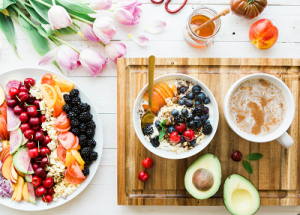
Blueberries, strawberries, raspberries, and blackberries are filled with antioxidants.
Antioxidants shield eggs from oxidative stress caused by free radicals.
These fruits also offer:
– Vitamin C
– Fiber
– Polyphenols
6. Beans and Lentils
Legumes are stellar plant-based protein sources.
Examples include:
– Beans
– Lentils
– Chickpeas
– Black-eyed peas
They are high in:
– Iron
– Folate
– Fiber
– Protein
Research suggests that substituting some animal protein with plant protein may benefit ovulatory fertility.
7. Whole Grains
Opt for whole grains over refined carbs.
Good choices are:
– Brown rice
– Oats
– Millet
– Whole wheat
– Quinoa
Whole grains help stabilise blood sugar levels, which may assist in hormone balance, especially in women with polycystic ovary syndrome (PCOS).
8. Citrus Fruits
Oranges, lemons, grapefruits, and tangerines are rich in vitamin C.
Vitamin C supports:
– Iron absorption
– Immune response
– Healthy reproductive tissues
9. Greek Yogurt
Full-fat or low-fat Greek yoghurt offers the following:
– Calcium
– Protein
– Probiotics
– Vitamin B12
Some studies indicate that dairy may influence reproductive health, although findings are mixed.
10. Walnuts
Walnuts are abundant in:
– Omega-3 fatty acids
– Vitamin E
– Magnesium
– Antioxidants
These nutrients promote healthy cells throughout the body, including reproductive tissues.
11. Pumpkin Seeds
Pumpkin seeds are packed with several fertility-boosting nutrients, including the following:
– Zinc
– Iron
– Magnesium
– Healthy fats
Zinc is critical for hormone production and cellular growth.
12. Sweet Potatoes
Sweet potatoes are a source of the following:
– Beta-carotene
– Vitamin A
– Vitamin C
– Fiber
Beta-carotene acts as an antioxidant and supports reproductive wellness.
13. Tomatoes
Tomatoes hold lycopene, a powerful antioxidant linked to enhanced reproductive health in some research. Cooked tomatoes typically yield more absorbable lycopene than raw varieties.
14. Pomegranates
Pomegranates are rich in antioxidants that might help alleviate inflammation and safeguard reproductive cells against oxidative stress. Enjoy the seeds fresh or sip on 100% pomegranate juice in moderation.
15. Nuts and Seeds
Various nuts and seeds can enhance fertility.
Incorporate:
– Almonds
– Sunflower seeds
– Chia seeds
– Flaxseeds
They provide:
– Healthy fats
– Vitamin E
– Selenium
– Zinc
– Fiber
Nutrients That Support Female Fertility
The following nutrients are especially important:
| Nutrient | Why It Matters | Food Sources |
|---|---|---|
| Folate | Supports healthy ovulation and fetal development | Leafy greens, beans |
| Iron | Helps prevent iron deficiency | Beans, spinach, lean meat |
| Omega-3 | Supports hormone production | Salmon, sardines, walnuts |
| Zinc | Supports reproductive hormones | Pumpkin seeds, seafood |
| Vitamin D | May support fertility | Eggs, fatty fish, fortified dairy |
| Antioxidants | Protect egg cells | Berries, tomatoes, citrus fruits |

Foods to Minimize When Seeking Conception
Adopting a nutrient-dense diet can bolster fertility, but certain foods and drinks can adversely affect reproductive health if consumed excessively. While complete avoidance isn’t necessary, cutting back on these items can help foster a healthier environment for conception.
1. Sugary Treats and Beverages
Regular consumption of high-sugar items may lead to weight gain, insulin resistance, and hormone disruption, impacting ovulation.
Examples include:
– Soft drinks
– Sweetened juices
– Candy
– Cakes and pastries
– Cookies
– Ice cream
Opt for water, unsweetened drinks, and fresh fruit to curb your sweet cravings.
2. Highly processed foods
Processed foods often contain unhealthy fats, sodium, refined sugars, and preservatives while being low in essential nutrients.
Examples include:
– Instant noodles
– Packaged snacks
– Fast food
– Processed meats
– Frozen meals
Choose whole, minimally processed foods whenever feasible.
3. Trans Fats
Trans fats have been associated with heightened inflammation and insulin resistance, both of which can negatively affect fertility.
Foods likely containing trans fats include:
– Commercial baked goods
– Certain fried items
– Packaged pastries
– Some margarines and shortening
Select healthier fats from avocados, nuts, seeds, olive oil, and fatty fish.
4. Excessive Caffeine
Moderate caffeine intake is typically regarded as safe for women trying to conceive. However, high consumption may correlate with reduced pregnancy chances in some studies.
Common sources include:
– Coffee
– Energy drinks
– Black tea
– Cola drinks
– Chocolate
Many health professionals recommend limiting caffeine to under 200 mg daily, roughly equivalent to one 12-ounce (355 mL) cup of brewed coffee.
5. Alcohol
Heavy alcohol consumption may disrupt hormone production, ovulation, and overall fertility. If you’re actively trying to conceive, it’s generally wise to avoid or limit alcohol intake.
6. High-Mercury Fish
While fish is an excellent source of protein and omega-3s, some larger fish have elevated mercury levels, which can be harmful before and during pregnancy.
Fish to limit or avoid include:
– Shark
– Swordfish
– Kig mackerel
– Tilefish
– Bigeye tuna
Instead, select lower-mercury varieties like salmon, sardines, trout, herring, and anchovies.
7. Refined Carbohydrates
Refined carbohydrates may cause swift blood sugar spikes, affecting insulin levels and hormone harmony, particularly in women with polycystic ovary syndrome (PCOS).
Examples include:
– White bread
– White rice
– Sugary cereals
– White pasta
– Pastries
Swap them out for whole grains such as oats, brown rice, quinoa, and whole wheat bread.
8. High Sodium Intake
A salt-heavy diet can lead to elevated blood pressure and other health issues that may impact overall health before pregnancy.
Foods that are high in sodium include:
• Processed soups
• Cured meats
• Fast food
• Salty snacks
• Canned items with added salt
Opt for fresh ingredients and flavor your dishes with herbs and spices to reduce salt usage.
9. Unpasteurized Products
If you’re aiming to conceive, it’s best to steer clear of unpasteurized milk, cheeses, and juices, as they can harbor harmful bacteria, increasing the risk of foodborne illness. Always verify that dairy items are pasteurized by checking the labels.
10. High Consumption of Liver and Vitamin A Supplements
While liver is nutritious, it’s very rich in preformed vitamin A (retinol). Too much before or during early pregnancy could heighten the risk of birth defects. Likewise, avoid taking high-dose vitamin A supplements unless your doctor prescribes them.

Key Takeaway
When trying to conceive, prioritize a balanced diet filled with fruits, vegetables, whole grains, lean proteins, healthy fats, and top fertility foods for women. At the same time, restrict sugary snacks, processed foods, trans fats, and excessive caffeine, alcohol, and high-mercury fish. These mindful dietary choices can foster hormone balance and enhance reproductive health, preparing your body for a healthy pregnancy.
Struggling to conceive? Download our step-by-step workbook ”How to Get Pregnant Fast Naturally” for N4999.
When you download this book today, you also get:
🎁 Bonus 1: Ovulation Tracking Checklist
🎁 Bonus 2: Fertility Food Guide (Men & Women)
🎁 Bonus 3: 30-Day Fertility Action Planner
🎁 Bonus 4: “What Your Cycle Means” Quick Guide
Lifestyle Tips to Enhance Fertility
While consuming the right fertility foods is crucial, adopting healthy lifestyle practices can further boost reproductive health and elevate your chances of conceiving. Here are some evidence-based strategies to support fertility naturally.
1. Achieve a healthy weight
Being underweight or overweight can disrupt hormone levels and interfere with ovulation. Strive for a healthy body mass index (BMI) via a balanced diet and regular exercise. Even slight weight loss can enhance fertility in women who are overweight.
2. Engage in Regular Exercise
Moderate exercise promotes general wellness, enhances blood flow, alleviates stress, and helps maintain a healthy weight. Aim for at least 150 minutes of moderate exercise weekly, such as brisk walking, cycling, swimming, or yoga. Refrain from overdoing high-intensity workouts, as these can disrupt ovulation in some women.
3. Prioritize Sufficient Sleep
Quality sleep supports hormone balance and reproductive health. Aim for 7–9 hours of sleep nightly by following a consistent sleep routine and cultivating a calming bedtime environment.
4. Effectively Manage Stress
Chronic stress can impact reproductive hormones and menstrual cycles. Although stress often does not cause infertility, addressing it can enhance overall well-being. Effective stress-reducing practices include:
• Deep breathing techniques
• Meditation
• Yoga
• Mindfulness or prayer
• Journaling
• Spending quality time with loved ones
5. Eliminate Smoking
Smoking is associated with reduced fertility, lower egg quality, earlier menopause, and heightened pregnancy complications. If you smoke, quitting is one of the best actions for your reproductive health.
6. Limit Alcohol Intake
Excessive alcohol consumption may adversely affect fertility. It’s generally advisable to limit or avoid alcohol when trying to conceive.
7. Track Ovulation
Understanding when you ovulate can help pinpoint your most fertile days. You can monitor ovulation by:
• Using ovulation predictor kits (OPKs)
• Tracking your menstrual cycle
• Measuring basal body temperature
• Noticing changes in cervical mucus
• Utilizing a fertility tracking app
8. Consider taking a Prenatal Vitamin
If pregnancy is on the horizon, consult your healthcare provider about taking a prenatal vitamin. A supplement with 400–800 micrograms of folic acid is typically recommended before conception to support early foetal growth and mitigate the risk of neural tube defects.
9. Stay Hydrated
Maintaining hydration is essential for overall health and optimal bodily function. While water alone won’t boost fertility, proper hydration promotes healthy circulation, digestion, and reproductive processes.
10. Manage Chronic Health Issues
Conditions like polycystic ovary syndrome (PCOS), diabetes, thyroid imbalances, endometriosis, and high blood pressure can influence fertility if unmanaged. Collaborate with your healthcare provider to address these conditions before and throughout your pregnancy journey.
11. Minimize Exposure to Harmful Chemicals
Whenever feasible, reduce exposure to environmental toxins that may impact reproductive health. This includes avoiding:
• Tobacco smoke
• Certain pesticides
• Industrial chemicals
• Excessive use of BPA-laden plastics
• Some household cleaning agents
Choose safer options when available and adhere to product safety guidelines.
12. Know when to seek medical attention
Healthy dietary and lifestyle changes can aid fertility, but they may not resolve all infertility causes. Contact a healthcare professional if:
• You’re under 35 and haven’t conceived after 12 months.
• You’re 35 or older and have been trying for 6 months with no success.
• You experience irregular cycles, severe pelvic pain, recurrent miscarriages, or have a known reproductive health issue.
Final Thoughts
Boosting fertility often involves a blend of nutritious eating, healthy lifestyle practices, and appropriate medical support. By selecting the best fertility foods for women, maintaining physical activity, achieving a healthy weight, managing stress, and seeking prompt medical advice, you can enhance your reproductive health and the chance of a healthy pregnancy. Keep in mind that every woman’s fertility journey is individual, so remain patient and consult healthcare professionals for tailored guidance.

Frequently Asked Questions (FAQs)
1. What foods are most beneficial for female fertility?
The best fertility foods include leafy greens, berries, avocados, eggs, fatty fish, beans, lentils, whole grains, nuts, seeds, citrus fruits, Greek yogurt, and sweet potatoes. These foods are rich in essential nutrients like folate, iron, omega-3s, zinc, vitamin D, and antioxidants vital for reproductive health.
2. Can certain foods boost female fertility?
Although no single food guarantees pregnancy, a balanced diet full of nutrient-rich foods can promote healthy ovulation, enhance egg quality, balance hormones, and reduce inflammation, thereby supporting fertility. Adopting healthy eating should go hand in hand with regular exercise, proper sleep, and maintaining a healthy weight.
3. Which fruits are best for female fertility?
Berries, avocados, oranges, pomegranates, and citrus fruits stand out as excellent choices for female fertility. They are loaded with antioxidants, vitamin C, folate, and healthy fats, which may help safeguard egg cells and bolster reproductive health.
4. What foods should be avoided when trying to conceive?
It’s advisable to limit foods and beverages that may adversely affect health, including:
• Sugary drinks
• Highly processed items
• Foods rich in trans fats
• Excess alcohol
• High caffeine intake (generally over 200 mg daily unless directed otherwise by your healthcare provider)
5. Can fertility foods enhance egg quality?
A diet rich in healthy fats, antioxidants, vitamins, and minerals may help protect egg cells from oxidative damage and support better egg quality. Nevertheless, age, genetics, and certain health conditions significantly impact egg health as well.
6. Is there a specific diet for women with PCOS?
Absolutely. Women with polycystic ovary syndrome (PCOS) can benefit from a diet centred on whole grains, lean proteins, healthy fats, high-fiber vegetables, and low-glycaemic foods. This eating pattern may enhance insulin sensitivity and support regular ovulation. For personalized advice, consult a healthcare provider or registered dietitian.
7. How long does it typically take for dietary changes to impact fertility?
It often takes several weeks to months for dietary changes to reflect on reproductive health. Since egg development spans about three months, adopting healthy eating habits well in advance of attempting to conceive is advantageous.
READ ALSO: Common Fertility Mistakes Couples Make: 12 Hidden Habits That May Delay Pregnancy
8. Should I take fertility supplements in addition to a healthy diet?
A balanced diet serves as the foundation of your nutrition. If you’re trying to conceive, your healthcare provider may suggest a prenatal vitamin with folic acid and other nutrients based on your unique needs. Avoid high-dose supplements without medical guidance.
9. Does being underweight or overweight affect fertility?
Yes, oth being underweight and overweight can disturb hormone balance and ovulation, making conception more challenging. Attaining and maintaining a healthy weight through a balanced diet and consistent physical activity may boost fertility.
READ ALSO: Unlock Your Fertility Power: When Does Ovulation Occur?
10. When should I consult a doctor concerning fertility issues?
You should reach out to a healthcare provider if:
• You’re under 35 and have been trying to conceive for 12 months without success.
• You’re 35 or older and have been trying for 6 months with no success.
• You have irregular or absent periods, recurrent miscarriages, or known reproductive health issues like PCOS or endometriosis.
READ ALSO: 10 Clear Ovulation Symptoms Every Woman Must Know
Conclusion
Selecting the best fertility foods for women is a key step in preparing for pregnancy. Although no specific food guarantees conception, a balanced diet full of leafy greens, fruits, healthy fats, lean proteins, whole grains, legumes, and antioxidant-rich foods can aid hormone balance, ovulation, and overall reproductive wellness.
Combine good nutrition with regular exercise, adequate sleep, stress management, and routine healthcare to maximise your chances of a healthy pregnancy.