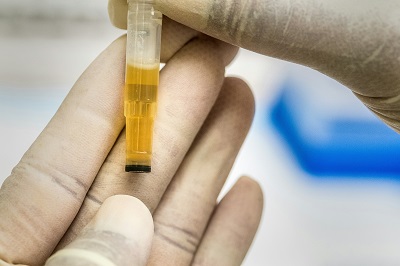
7 cloudy urine causes and Their Significance: Warning Signs Not to Overlook
Have you ever glanced into the toilet and observed that your urine appeared darker, brighter, or even an unusual shade than normal? Many individuals often overlook the color of their urine, but it can be a significant indicator of their health.
The hue of urine is affected by hydration levels, diet, medications, vitamins, and sometimes hidden medical issues. Understanding the meanings behind various urine colors can help you discern when everything’s fine and when it’s necessary to consult a healthcare professional.
This guide will delve into seven common urine colours, their causes, and the warning signs you should never dismiss.

The Importance of Urine Color
Urine is a waste product created by your kidneys, composed of water, salts, and substances filtered from your bloodstream. The pigment known as urochrome imparts urine its typical yellow tone.
Variations in urine color are often harmless and fleeting. However, certain shifts in color may signify dehydration, infections, liver ailments, kidney issues, or other health concerns.
Keeping an eye on your urine color can serve as a simple method for monitoring your overall health.
1. Clear Urine: Could You Be Over-Hydrated?
Clear urine generally indicates that you are very well hydrated. However, it may sometimes suggest that you’re consuming more water than your body requires.
Possible Causes:
• Overconsumption of water
• High fluid intake during workouts
• Use of diuretic medications
Should You Be Worried?
Occasional clear urine is typically not a concern. However, consistently clear urine might dilute vital electrolytes in your body.
What to Do:
Hydrate according to your thirst and activity level, rather than forcing excessive water intake throughout the day.
2. Pale Yellow Urine: The Optimal Color
Pale yellow or straw-colored urine is commonly seen as an indication of good health and adequate hydration.
What It Signifies:
• Balanced fluid levels
• Effective kidney function
• Normal hydration status
Good News:
This is the urine color most health professionals deem ideal. Consistently pale yellow urine likely means you’re consuming enough fluids.
3. Dark Yellow or Amber Urine: A Dehydration Indicator
Dark yellow urine typically suggests that your body requires more fluids.
Common Causes:
• Dehydration
• Excessive sweating
• Hot weather
• Fever
• Vomiting or diarrhea
Symptoms Accompanying Dark Urine:
• Dry mouth
• Fatigue
• Dizziness
• Headaches
What to Do:
Gradually increase your water intake throughout the day. If symptoms continue despite hydration, seek medical advice.
4. Orange Urine: More Than Just Dehydration
Orange urine can arise from various reasons and may sometimes necessitate medical attention.
Possible Causes:
• Severe dehydration
• Certain medications
• High doses of vitamin supplements
• Liver or bile duct issues
Warning Signs:
Seek medical help if orange urine is accompanied by:
• Yellowing skin or eyes
• Abdominal discomfort
• Nausea
• Unusual fatigue
These symptoms may point to liver complications.
5. Pink or Red Urine: Blood, Food, or a Serious Issue?
Noticing red or pink urine can be worrying, but it doesn’t always signal a serious issue.
Harmless Causes:
• Beets
• Blackberries
• Rhubarb
• Food coloring
Medical Causes:
• Urinary tract infections (UTIs)
• Kidney stones
• Enlarged prostate
• Kidney disease
• Blood in urine
When to Seek Medical Help:
If you observe pink or red urine without an apparent food source, reach out to a healthcare provider immediately. Blood in urine should always be taken seriously.
6. Brown Urine: A Potential Warning Signal
Brown urine can occur due to dehydration, but it might also indicate more severe health issues.
Potential Causes:
• Severe dehydration
• Liver disease
• Muscle injuries
• Certain medications
• Excessive exercise
Symptoms to Watch For:
• Abdominal swelling
• Persistent tiredness
• Yellow skin
• Dark stools
These signs might indicate liver issues that require medical assessment.
7. Blue or Green Urine: Rare but Possible
Blue or green urine isn’t common, but it can happen under specific conditions.
Causes:
• Certain medications
• Artificial food dyes
• Vitamin supplements
• Rare genetic disorders
• UTIs from specific bacteria
Should You Be Anxious?
Most cases are harmless and temporary. Still, if the color persists or is associated with symptoms like pain or fever, consult a healthcare provider.
What About Cloudy Urine?
While urine color often dominates conversations, the clarity of urine is equally essential. Cloudy urine can stem from numerous factors, ranging from mild dehydration to underlying medical conditions that require attention.
If your urine appears milky, hazy, or murky instead of clear, it’s important to consider other symptoms and determine if the change is temporary or sustained.
What Is Cloudy Urine?
Cloudy urine lacks the typical clear look and can appear:
• Hazy
• Milky
• Murky
• Foamy
• Thick or cloudy
Cloudiness may arise from excessive minerals, bacteria, white blood cells, mucus, or other substances in urine.
Common Causes of Cloudy Urine:**
1. Dehydration
One of the primary reasons for cloudy urine is dehydration. When the body lacks adequate hydration, urine can become more concentrated, appearing darker and cloudy.
Other Signs of Dehydration:
• Dry mouth
• Increased thirst
• Dark yellow urine
• Dizziness
• Fatigue
What to Do:
Increase your water intake and observe if the urine clears within a day or two.

2. Urinary Tract Infection (UTI)
A UTI can result in bacteria and white blood cells gathering in urine, creating a cloudy appearance.
Symptoms of a UTI:
• Burning sensation during urination
• Frequent urge to urinate
• Pelvic discomfort
• Strong-smelling urine
• Fever
When to Seek Help:
Prompt medical attention is typically required for UTIs.
3. Kidney Stones
Kidney stones can irritate the urinary tract and may contribute to cloudy urine.
Additional Symptoms:
• Intense pain in the back or side
• Painful urination
• Blood in urine
• Nausea or vomiting
If you suspect kidney stones, consult a healthcare provider for prompt evaluation.
4. Excess Minerals in the Urine
Sometimes, urine may appear cloudy due to elevated levels of minerals like phosphate crystals. This can often resolve without intervention.
Common Triggers:
• Dietary changes
• Mild dehydration
• Certain medications
5. Sexually Transmitted Infections (STIs)
Some STIs can lead to cloudy urine, especially when inflammation affects the urinary tract.
Possible Symptoms:
• Painful urination
• Unusual discharge
• Pelvic discomfort
• Frequent urination
If an STI is anticipated, medical testing is essential.
6. Protein in the Urine (Proteinuria)
Healthy kidneys typically prevent significant amounts of protein from reaching urine. When protein escapes into urine, it can cause a cloudy or foamy look.
Possible Causes:
• Kidney disease
• Diabetes
• High blood pressure
• Certain infections
Persistent foamy or cloudy urine should be evaluated by a healthcare professional.
7. Vaginal Discharge Mixing with Urine
In women, normal vaginal discharge can sometimes mingle with urine, leading to a cloudy appearance. This is usually harmless unless it’s accompanied by:
• Itching
• Unusual odor
• Pelvic discomfort
• Abnormal discharge
Cloudy Urine During Pregnancy
Pregnant women may occasionally note cloudy urine due to:
• Hormonal fluctuations
• Increased vaginal discharge
• Mild dehydration
• Urinary tract infections
Since UTIs are more prevalent during pregnancy and may lead to complications if untreated, it’s crucial for pregnant women to inform their healthcare provider about any persistent cloudy urine.
When Should You Be Concerned About Cloudy Urine?
Cloudy urine may warrant medical evaluation if it appears with the following:
– Fever
– Chills
– Blood in urine
– Intense pain
– Continual burning sensation when urinating
– Foul-smelling urine
– Lower abdominal discomfort
– Pain in the back or sides
These signs could signal infections, kidney stones, or other urinary tract issues.
Ways to Prevent Cloudy Urine
Stay Hydrated
Ensure you drink sufficient water to flush out waste and keep urine clear.
Maintain Good Hygiene
Practicing proper hygiene can lower the risk of urinary tract infections.
Urinate Regularly
Avoid retaining urine for long stretches.
Follow a Balanced Diet
A nutritious diet aids kidney and urinary tract health.
Manage Chronic Ailments
Keeping diabetes and hypertension in check helps safeguard kidney function.
Common Questions
Is cloudy urine always indicative of an infection?
Not necessarily. Cloudy urine can arise from dehydration, excess nutrients, pregnancy, vaginal discharge, or diet. Infection is a frequent cause, especially when other symptoms are present.
Can dehydration lead to cloudy urine?
Absolutely. Dehydration can concentrate urine, making it appear cloudy or darker than usual.
Is cloudy urine risky?
Not typically. Temporary cloudiness is often harmless, but persistent cloudiness, especially with pain, fever, or blood, should prompt a healthcare consultation.
Can kidney disease lead to cloudy urine?
Yes. Certain kidney issues can cause protein to leak into urine, creating a cloudy or foamy appearance.
How can I revert to clear urine?
Drinking ample water, ensuring good hygiene, and addressing underlying infections or health conditions can help restore normal urine clarity.
Final Thoughts
While cloudy urine is often benign and simply related to dehydration or dietary factors, it may also signal urinary tract infections, kidney stones, kidney disease, or other health issues.
If cloudy urine persists or is accompanied by pain, fever, or blood, consult a healthcare professional promptly. Monitoring changes in your urine can help you catch potential health problems early on.
Foods and Medications That May Alter Urine Colour
People often become alarmed upon noticing an unusual change in their urine color. However, not every change indicates illness. Various foods, drinks, vitamins, and medications can temporarily affect urine’s appearance.
Recognizing these common influences enables you to discern whether a color change is benign or if it necessitates medical attention.

How Foods and Medications Impact Urine Colour
After food consumption, your body metabolises these items into various compounds. Some of these are filtered out by the kidneys and excreted via urine, leading to temporary changes in its colour.
Most alterations are harmless and revert once the specific food or medication is no longer in your system.
Foods That Can Change Urine Colour
1. Beets
One of the most commonly noted foods for altering urine colour.
Possible Effect:
– Pink urine
– Red urine
This harmless change is known as beeturia and occurs in certain individuals after beet consumption.
2. Blackberries
Natural pigments in blackberries may darken urine.
Possible Effect:
– Pink urine
– Reddish urine
Colour typically normalizes within a day or two.
3. Rhubarb
Certain compounds in rhubarb can change urine colour in some people.
Possible Effect:
– Pink urine
– Red urine
– Brown urine
4. Carrots
Rich in beta-carotene, which may alter urine colour if consumed in large quantities.
Possible Effect:
– Orange urine
This change is usually benign and transient.
5. Food Colourings
Artificial dyes in snacks, desserts, soft drinks, and processed foods can sometimes modify urine colour.
Possible Effect:
– Blue urine
– Green urine
– Bright yellow urine
The alteration generally resolves once the dye is cleared from your body.
6. Asparagus
More famous for producing a strong urine odor, it can also slightly change urine appearance in some individuals.
Possible Effect:
– Slightly greenish urine
– Strong-smelling urine
Vitamins and Supplements That Can Affect Urine Colour
Vitamin B Complex Supplements
B vitamins, especially riboflavin (Vitamin B2), are frequent culprits in urine colour changes.
Possible Effect:
– Bright yellow urine
– Neon yellow urine
Such changes are harmless and indicate that excess vitamins are being expelled.
Vitamin C Supplements
High doses of vitamin C might influence urine’s look.
Possible Effect:
– Bright yellow urine
– Darker yellow urine
Iron Supplements
Occasionally, iron tablets can modify urine colour.
Possible Effect:
– Dark urine
– Brownish urine
Medications That Can Change Urine Colour
1. Antibiotics
Certain antibiotics may alter urine colour during treatment.
Possible Effect:
– Orange urine
– Red urine
– Brown urine
Always adhere to your healthcare provider’s advice and report unusual symptoms.
2. Laxatives
Some laxatives, particularly senna-based ones, may change urine colour.
Possible Effect:
– Yellow-brown urine
– Reddish urine
3. Urinary Tract Pain Medications
These medications can markedly alter urine colour.
Possible Effect:
– Bright orange urine
– Red-orange urine
This change is expected and typically harmless.
4. Chemotherapy Drugs
Certain cancer therapies may change urine appearance as the body processes the drug.
Possible Effect:
– Red urine
– Orange urine
– Brown urine
Patients undergoing chemotherapy should express any concerns to their healthcare team.
5. Select Antidepressants and Prescription Medications
Various prescription drugs can affect urine colour.
**Possible Effect:**
– Blue urine
– Green urine
– Dark urine
Always check medication information for potential side effects.
When is a Change in Urine Colour Harmless?
A urine colour alteration is usually harmless if:
– It occurs shortly after consuming a specific food.
– It appears following a vitamin or medication.
– It resolves within 1-2 days.
– There are no accompanying symptoms.
When Should You Consult a Doctor?
Seek medical care if urine colour changes coincide with:
– Blood in the urine
– Painful urination
– Fever
– Consistent dark urine
– Yellowing of skin or eyes
– Abdominal pain
– Unexplained weight loss
These symptoms may suggest a medical issue beyond a benign food or medication-related cause.
Quick Reference Guide
| Food or Medication | Possible Urine Colour |
|---|---|
| Beets | Pink or Red |
| Blackberries | Pink or Red |
| Rhubarb | Red or Brown |
| Carrots | Orange |
| Food Dyes | Blue, Green, or Bright Yellow |
| Vitamin B Supplements | Bright Yellow |
| Vitamin C Supplements | Bright Yellow |
| Iron Supplements | Dark Brown |
| Antibiotics | Orange, Red, or Brown |
| Urinary Pain Medications | Bright Orange |
| Chemotherapy Drugs | Red, Orange, or Brown |
Final Thoughts
Alterations in urine colour are not always worrisome. Many foods, vitamins, and medications can cause temporary changes in urine appearance without impacting your health. However, ongoing or unexplained changes—especially when paired with pain, fever, or blood—should not be overlooked.
Keeping an eye on your urine colour can help you stay aware of your hydration, diet, and overall health.
Urine Colour Chart at a Glance
| Urine Colour | Possible Meaning |
|---|---|
| Clear | Overhydration or excellent hydration |
| Pale Yellow | Healthy hydration |
| Dark Yellow | Mild dehydration |
| Orange | Dehydration, medication, liver issues |
| Pink/Red | Food, blood, infection, kidney problems |
| Brown | Severe dehydration, liver disease |
| Blue/Green | Medications, dyes, rare conditions |
When to See a Doctor?
Reach out to a medical professional if you notice:
– Blood in your urine
– Continued dark urine
– Orange urine with yellowing of skin or eyes
– Pain while urinating
– Fever accompanied by changes in urine
– Persistent cloudy urine that doesn’t improve
– Sudden and mysterious color changes
Detecting issues early can prevent complications and promote proper treatment.

Tips for Keeping Urine Color Healthy
Keeping a watch on your urine color is a hassle-free way to track your hydration and overall wellness. While urine shades can fluctuate naturally, cultivating healthy habits can help maintain it within the desirable pale-yellow spectrum.
1. Stay Hydrated
Hydration is crucial for influencing urine color. Strive to drink water consistently during the day, especially in humid conditions, when exercising, or when unwell.
Tip: Pale yellow urine typically indicates good hydration.
2. Follow a Nutritious Diet
A healthy eating plan promotes effective kidney and liver function, both vital in urine formation.
Include:
– Fresh fruits and vegetables
– Whole grains
– Lean protein sources
– Healthy fats
A well-rounded diet can also help mitigate the risk of issues affecting urine color.
3. Limit Caffeine and Alcohol Intake
Excessive caffeine and alcohol can lead to dehydration. To maintain hydration:
– Drink water with caffeinated drinks
– Limit alcohol consumption
– Rehydrate after having dehydrating beverages
4. Manage Vitamin and Supplement Use
Certain vitamins, particularly B-complex ones, can create bright yellow urine. While usually harmless, avoid high doses unless advised by a healthcare professional.
5.Stay Physically Active But Rehydr
Regular exercise benefits overall health but can lead to fluid loss through sweating.
After exercising:
– Drink water to recover fluids
– Consider electrolytes for extended workouts
– Watch for dark yellow urine, indicating possible dehydration
6. Watch for Medication Side Effects
Some medications may alter urine color temporarily. If you observe unusual shades following a new medication, review the leaflet or consult with your healthcare provider.
7. Address Ongoing Changes Promptly
While transient changes in urine color may not signal concern, ongoing changes could suggest health issues. Seek medical attention if you experience:
– Red or pink urine without dietary reasons
– Brown or cola-colored urine
– Painful cloudy urine with accompanying fever
– Orange urine along with yellow skin or eyes
8. Promote Kidney Health
Healthy kidneys are essential for normal urine production. Support kidney function by:
– Managing blood pressure
– Controlling blood sugar
– Eating well
– Avoiding tobacco
– Exercising regularly
9. Practice Good Hygiene Habits
Proper hygiene can minimize urinary tract infection (UTI) risks, which may impact urine appearance. Effective habits include:
– Staying well-hydrated
– Urinating when needed
– Maintaining personal cleanliness
– Seeking timely care for urinary issues
10. Schedule Health Check-Ups Regularly
Regular health screenings can help recognize kidney disease, diabetes, liver issues, and other conditions before they escalate. These check-ups are particularly vital for individuals with:
– Diabetes
– High blood pressure
– Family history of kidney disease
– Frequent UTIs
Final Note
The healthiest urine color is generally pale yellow or straw-like. Monitoring your urine can reveal important information about hydration and health. Consult medical professionals if you notice unusual or ongoing changes.
Common Questions About Urine Color and Its Implications
1. What’s the normal urine color?
Normal urine ranges from pale yellow to amber. This varies with hydration, diet, and specific medications or supplements.
2. Why is my urine so bright yellow?
Bright yellow urine is usually due to B vitamin supplements, like riboflavin (Vitamin B2). It’s typically harmless and a temporary condition.
3. Is clear urine a sign of good health?
Clear urine usually means good hydration; however, consistently clear urine may suggest excessive water intake. Balance is key.
4. What does dark yellow urine indicate?
Dark yellow urine is a common sign of dehydration. Increasing water intake can often lighten the urine.
5. What causes urine to be orange?
Orange urine may arise from dehydration, certain medications, vitamin supplements, or, occasionally, liver issues.
6. Is red urine always blood?
Not necessarily. Foods such as beets and blackberries can cause red or pink urine, but blood in urine should always be assessed by a healthcare provider.
7. What leads to brown urine?
Brown urine could result from severe dehydration, liver disease, muscle injury, specific medications, or high intake of certain foods.
8. Why might my urine be green or blue?
Though rare, green or blue urine can result from food dyes, medications, vitamin supplements, or particular bacterial infections.
9. What could cloudy urine mean?
Cloudy urine may indicate dehydration, a UTI, kidney stones, or excess minerals.
10. Can foods change urine color?
Yes, foods like beets or foods with artificial coloring can temporarily shift urine color.
11. Can medications affect urine color?
Absolutely. Some antibiotics, laxatives, and vitamins can alter urine color. Always check medication details and consult with a healthcare professional if worried.
12. Can urine color indicate kidney disease?
Occasionally. Dark, red, brown, or foamy urine may suggest kidney issues. Persistent color changes should prompt a medical evaluation.
13. How much water is needed for healthy urine color?
Most adults should consume enough fluids to keep urine pale yellow. Individual needs depend on several factors such as activity level and climate.
14. When to visit a doctor for urine color changes?
Seek medical help if you observe:
– Blood in urine
– Ongoing dark or brown urine
– Pain during urination
– Fever with urine changes
– Cloudy urine that doesn’t improve
– Orange urine with skin or eye yellowing
15. Can pregnancy affect urine color?
Yes. Pregnancy may lead to dehydration, changes in diet, prenatal vitamins, or urinary infections, all influencing urine color.
16. Is foamy urine normal?
Occasional foamy urine can occur with a strong urine stream. Persistent foamy urine could indicate excess protein and should be checked by a healthcare professional.
READ ALSO: 10 Powerful Insights on Sickle Cell Anemia And Treatment
17. Does dehydration cause strong-smelling urine?
Yes. Concentrated urine from dehydration often exhibits a stronger odor alongside darker hues.
18. Does age impact urine color?
While age itself doesn’t greatly affect urine color, older adults may be at higher risk for dehydration or health conditions altering urine appearance.
19. Can stress change urine color?
Stress may not directly change urine color but can contribute to dehydration and lifestyle changes affecting urine appearance.
20. What urine color requires urgent care?
Immediate medical assistance is necessary if urine is red due to unexplained bleeding, dark brown with severe symptoms, or changes in urine color paired with fever, severe pain, confusion, or jaundice.
READ ALSO: 10 Powerful Insights into Personality Disorders: Types and Treatments.
Final Insights
The color of your urine can greatly indicate your hydration levels and overall health status. While many color variations are benign and fleeting, some may point to underlying health concerns that require attention. By staying vigilant regarding urine color changes and recognizing potential warning signs early, you can proactively safeguard your health. Always consult a qualified healthcare professional if you experience persistent changes in urine color for proper evaluation and care.