Causes of Heart Palpitations: 12 Hidden Triggers You Shouldn’t Overlook
Introduction A sudden flutter. A heavy pound. A quick, racing heartbeat that seems to come from nowhere. Heart palpitations can be alarming—even if they last just a few seconds. Many experience these episodes at the most unexpected times: while unwinding, after eating, during workouts, or even when trying to sleep. Because they often vanish as quickly as they appear, most individuals dismiss them as mere “stress” or “not a big deal.” However, heart palpitations aren’t random occurrences. They signal that something within your lifestyle, environment, or health has shifted. While some triggers are benign, others may indicate underlying concerns that need prompt attention.
In this guide, we will reveal 12 hidden triggers of heart palpitations that many tend to ignore. From everyday choices like caffeine and sleep to more serious medical conditions such as anemia and thyroid issues, these triggers can quietly affect your heart rhythm without your knowledge. Recognizing these triggers is essential in safeguarding your heart health. If you’ve ever questioned why your heart unexpectedly skips, flutters, or races, this article will help pinpoint possible causes—and help you determine when it’s necessary to consult a healthcare professional. Let’s examine the causes that we must not overlook.
What Are Heart Palpitations? (Brief Overview)
Heart palpitations are sensations that make you acutely aware of your heartbeat. Instead of the familiar steady rhythm, your heart may feel like it is: – Fluttering – Thumping – Racing – Skipping beats – Beating too hard or too fast
These sensations can persist for seconds or minutes, and they can occur during physical activity, at rest, or even while asleep. For many, palpitations can arrive unexpectedly and disappear before one can discern their triggers. It’s crucial to understand that heart palpitations differ from arrhythmias. Palpitations describe the sensation, but arrhythmias indicate unusual electrical activity in the heart, detectable with an ECG. While many palpitations are benign and brought on by lifestyle factors, some may suggest a medical condition that requires assessment.
Palpitations might be sensed in the chest, throat, or neck, and while they can be disconcerting, they are not always life-threatening. Nevertheless, frequent or ongoing palpitations should not be dismissed, particularly if accompanied by chest pain, dizziness, shortness of breath, or fainting—these may indicate a more serious heart problem. This brief overview establishes the framework for understanding the hidden triggers that could be influencing your heart rhythm without your awareness.
sudden heart palpitation
Why Hidden Triggers Matter?
Heart palpitations are often regarded as trivial or “normal,” especially when they dissipate quickly. However, these occurrences seldom arise without a reason. Many factors that instigate palpitations are subtle—small daily habits, environmental influences, or bodily changes that could easily go unnoticed. Recognizing these hidden triggers is important because they can quietly affect your heart’s electrical signals and overall cardiovascular health.
Understanding these triggers is vital for several reasons: 1. Identify Overlooked Patterns: Simple factors like dehydration, inadequate sleep, or a new supplement can disrupt your heart rhythm. Without awareness, such episodes may persist, becoming more frequent or intense.
2. Indications of Deeper Health Issues: Conditions like anemia, hormonal imbalances, or thyroid issues often start with mild, unexplained palpitations. Noticing the early signs allows you to seek timely medical advice before the issue escalates.
3. Reduce Symptoms through Avoidance: Adjusting dietary habits, decreasing stimulant intake, managing stress, or addressing nutritional deficiencies can yield significant improvements. Identifying the underlying cause enables you to take charge of your heart health.
4. Minimize Anxiety Related to Frequent Palpitations: Uncertainty about the reason for a racing heart can be terrifying. Understanding the triggers fosters clarity, reduces fear, and prepares you for appropriate responses when symptoms occur. Hidden triggers are crucial because they provide insights into how your daily choices and overall well-being affect your heart. Once you grasp what instigates your palpitations, you can take actionable steps to prevent them and safeguard your long-term cardiovascular health.
12 Hidden Triggers of Heart Palpitations You Should Never Ignore People often miss that subtle lifestyle habits or underlying conditions frequently link to heart palpitations. Below are 12 hidden triggers that can significantly impact your heart rhythm.
1. Caffeine Overload Caffeine, a natural stimulant found in coffee, energy drinks, tea, and various pre-workout products, can elevate adrenaline levels when consumed excessively, escalating heart rate or inducing irregular beats. Even moderate intake can trigger palpitations in sensitive individuals.
2. Dehydration A deficiency in fluids reduces blood volume, compelling the heart to exert more effort to circulate blood. Dehydration also disrupts electrolyte balance—particularly sodium, potassium, and magnesium—which affects cardiac electrical activity and can lead to palpitations.
3. Stress and Anxiety Stress triggers the release of hormones like adrenaline and cortisol. These “fight-or-flight” chemicals prime the body for action, often leading to sudden heart racing, skipped beats, or pounding sensations. Continuous stress or recurrent panic attacks can result in frequent palpitations.
4. Poor Sleep or Sleep Deprivation Insufficient quality sleep strains the nervous system. An unbalanced autonomic nervous system can lead to occurrences of rapid heartbeat or an irregular rhythm—especially at night or upon waking.
5. Low Potassium and Magnesium Levels Potassium and magnesium are vital for regulating the heart’s electrical impulses. When these minerals are lacking—due to poor diet, dehydration, or specific medications—the heart may beat irregularly, causing fluttering or racing feelings.
6. Over-the-Counter Cold and Flu Medications Many cold medicines contain stimulants like pseudoephedrine or phenylephrine. These components constrict blood vessels and elevate heart rate, potentially triggering palpitations. Their adverse effects are often overlooked since these medications are typically perceived as benign.
7. Hormonal Changes Fluctuations in hormones during pregnancy, menstruation, perimenopause, or thyroid imbalances can affect heart rhythm. Estrogen and thyroid hormones directly influence heart function, rendering palpitations common during hormonal shifts.
8. Alcohol Consumption Alcohol leads to dehydration and alters nervous system function. It also disrupts the heart’s electrical signals, particularly when consumed in large quantities. Some individuals may experience palpitations even after a single drink due to its influence on electrolytes and blood pressure.
9. Smoking or Vaping Nicotine is a potent stimulant that increases heart rate and blood pressure. Whether through cigarettes or vaping devices, nicotine exposure can lead to sudden heart racing or pounding—often nearly instantaneously after use.
10. Intense Exercise While an elevated heart rate during physical activity is expected, pushing your body excessively can trigger palpitations—especially in those who are dehydrated, stressed, or already low in electrolytes. Pre-workout supplements can heighten this effect.
11. Anemia Anemia decreases the amount of oxygen carried in the blood. To adapt, the heart compensates by beating faster and harder, which can lead to frequent palpitations. Iron deficiency anemia is particularly common, especially among women.
12. Hidden Medical Conditions Certain health issues can silently provoke palpitations, including: – Hyperthyroidism – Arrhythmias – Heart valve diseases – Low blood sugar – Infections – Post-COVID inflammatory effects As these conditions can escalate quickly, a medical professional should always assess recurrent or unexplained palpitations.
When Heart Palpitations Become Concerning
Although heart palpitations are often benign and linked to various lifestyle elements, some instances may indicate a more serious cardiac problem. It’s crucial to recognize when palpitations warrant serious attention, particularly if they occur often or are coupled with other symptoms. Overlooking warning signs may postpone necessary medical intervention.
Here are the circumstances under which heart palpitations should be regarded as risky:
1. Palpitations with Chest Pain Any fluttering sensation in the heart that occurs alongside pain, pressure, or tightness in the chest may suggest a heart attack, coronary artery disease, or myocarditis. This situation calls for immediate medical intervention.
2. Shortness of Breath Sudden breathlessness or difficulty breathing during episodes of palpitations might be a sign of arrhythmias, heart failure, or other serious heart conditions that require urgent assessment.
3. Dizziness or Fainting Experiencing dizziness, lightheadedness, or fainting indicates the heart might not be effectively pumping blood. Palpitations accompanied by fainting spells can be signs of dangerous arrhythmias and should be evaluated promptly.
4. Prolonged Palpitations While brief palpitations are generally harmless, those that persist for several minutes or frequently recur within a short timeframe may suggest underlying electrical issues in the heart.
5. Rapid or Irregular Heartbeat If you experience a heart rate that feels overly intense or erratic, particularly exceeding 120–150 beats per minute while at rest, seek medical evaluation without delay.
6. Swelling in the Extremities Fluid retention along with palpitations could imply heart failure or other cardiovascular concerns.
7. Family History of Heart Issues If relatives have a history of heart disease or sudden cardiac death, never disregard palpitations, even if they appear mild.
8. Palpitations Post-COVID or During an Illness Post-viral inflammation, including after COVID-19, can impact the heart’s electrical system. Someone should assess ongoing palpitations during or following an illness for conditions like myocarditis.
heart palpitation triggers
When to Call for Emergency Help
Contact your local emergency services immediately if you encounter: • Severe chest pain • Fainting or loss of consciousness • Sudden and severe shortness of breath • A dangerously rapid heart rate
These symptoms necessitate urgent medical attention to avert serious complications.
**Strategies for Reducing or Preventing Heart Palpitations**
Many heart palpitations can be lessened—or even avoided—through specific lifestyle modifications and understanding personal triggers. While not every instance can be managed at home, many individuals find significant relief by adopting healthier habits and removing known risk factors.
Consider these evidence-based approaches to diminish or prevent heart palpitations:
1. Stay Hydrated Dehydration can lead to electrolyte imbalances that disrupt heart function. • Keep water intake consistent throughout the day. • Increase hydration during hot weather, physical activities, or illnesses. • Opt for electrolyte-rich beverages after intense sweat loss.
2. Limit Caffeine and Energy Drinks Caffeine and stimulants can provoke heightened heart activity. • Reduce intake of coffee, energy drinks, strong teas, and pre-workout products. • Choose decaffeinated or lower-caffeine options if sensitized.
3. Moderate Alcohol Intake Alcohol can unsettle the heart rhythm and cause electrolyte depletion. • Drink moderately, or avoid entirely if it triggers palpitations. • Rehydrate post-alcohol consumption effectively.
4. Control Stress and Anxiety Ongoing stress boosts adrenaline production, a prominent stimulant for palpitations. Helpful techniques include: • Deep breathing exercises • Mindfulness or meditation • Yoga or gentle stretching • Engaging with a therapist • Allowing moments of relaxation throughout the day
5. Enhance Sleep Quality Insufficient rest puts stress on the nervous system, increasing heart irregularities. • Aim for 7-9 hours of nightly sleep. • Establish a consistent sleep schedule. • Limit screens and stimulants before bedtime.
6. Balance Essential Minerals: Potassium and Magnesium** These minerals are vital for proper heart electrical activity. • Include potassium-rich foods like bananas, spinach, and sweet potatoes. • Consume magnesium-rich foods such as almonds and leafy greens. • Consult your doctor before taking supplemental forms.
7. Avoid Smoking and Vaping Nicotine is a potent stimulant that increases heart rate. • Quitting smoking or vaping can greatly reduce palpitations. • Seek assistance or nicotine replacements if necessary.
8. Review Your Medications Some medications may provoke palpitations. • Including decongestants, asthma medications, and thyroid treatments. Talk to your doctor if you suspect a medication is contributing to your symptoms.
9. Monitor Your Diet Certain foods can provoke palpitations in sensitive individuals, including: • Spicy meals • Sugary foods • MSG • Large or heavy meals Maintain a symptom diary to pinpoint triggers.
10. Exercise Wisely Regular activity benefits heart health, but excessive strain may trigger palpitations. • Ensure proper warm-ups before exercising. • Avoid pushing beyond your fitness capabilities. • Stay well-hydrated and replenish lost electrolytes.
11. Address Underlying Health Issues Treating the root causes of palpitations can help eliminate them. Common issues to resolve might include: • Anemia • Thyroid disorders • Problems with heart valves • Diabetes • Anxiety disorders Seek medical guidance if palpitations are recurrent or severe.
12. Keep Track of Symptoms Monitoring assists both you and your medical provider in identifying triggers. Use: • A personal journal • Smartwatches • Health-monitoring apps • Home heart-rate monitors Recording frequency and duration can enhance diagnostic clarity.
Diagnosis: What to Expect at the Clinic or Hospital
If heart palpitations are frequent, persist longer than a few minutes, or are associated with concerning signs, a medical evaluation is crucial. The diagnostic process can help determine whether the palpitations are benign or related to an underlying condition needing attention. Knowing the process can alleviate apprehension and prepare you for what comes next.
Here’s how healthcare professionals typically investigate the causes of heart palpitations:
1. Detailed Medical History and Symptom Evaluation Your doctor will start by asking questions such as: • When do you experience palpitations? • How long do they last? • What seems to alleviate or exacerbate them? • Are they experienced during rest, activity, or sleep? • Are there additional symptoms like chest discomfort or dizziness? This step provides key insights to shape further evaluations.
2. Physical Examination A physical exam may encompass: • Listening to your heart for irregular sounds • Measuring blood pressure • Checking your thyroid • Looking for signs of dehydration or anemia This assists in ruling out other evident physical reasons.
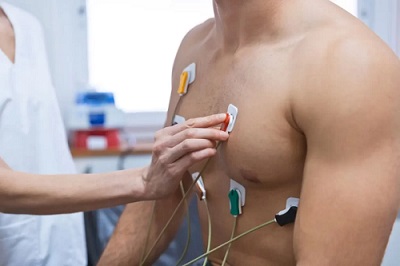
3. Electrocardiogram (ECG or EKG) An ECG assesses the heart’s electrical activity and can identify: • Arrhythmias • Abnormal heart rates • Issues with electrical conduction Even if results are normal, an ECG serves as a vital baseline.
4. Holter Monitor If palpitations are sporadic, a Holter monitor may be recommended. This portable device,, worn for 24 to 48 hours, captures irregularities potentially missed by standard ECGs.
5. Event Monitor or Mobile Heart Monitor For irregular symptoms, an event monitor can be employed for several weeks. You activate it during palpitations to document rhythm changes surrounding the event.
6. Blood Tests Blood exams help reveal metabolic or health-related causes, such as: • Thyroid function • Electrolyte levels (potassium, magnesium) • Complete blood count (to evaluate for anemia) • Blood sugar levels These tests help identify internal imbalances that may impact heart rhythm.
7. Echocardiogram An echocardiogram utilizes ultrasound to provide detailed imagery of the heart to discover: • Structural defects • Valve problems • Weakness in the heart muscle • Congenital anomalies This is critical when palpitations could suggest underlying heart conditions.
8. Stress Test A treadmill or stationary bike assessment evaluates how the heart functions during exercise. It may reveal rhythm irregularities solely occurring under physical stress.
9. Additional Imaging or Advanced Tests (If Necessary) On rare occasions, your doctor might request: • Cardiac MRI • Chest X-ray • Electrophysiology study These assessments are reserved for intricate or chronic cases.
10. Diagnosis and Treatment Strategy After reviewing test results, your physician will assess: • Whether the palpitations are benign • If lifestyle modifications suffice • Whether medication is necessary • If there are underlying health issues that need attention The objective is to tackle both the symptoms and the underlying causes.
causes-of-heart-palpitations
Frequently Asked Questions (FAQs)
1. Are heart palpitations typical? Yes, occasional heart palpitations are common and generally not harmful. They may be triggered by stress, dehydration, caffeine consumption, or inadequate sleep. However, frequent or recurring instances should be checked by a doctor.
2. Can palpitations occur while I’m resting? Certainly. Many individuals notice palpitations when lying down or relaxing, as they become more conscious of their heartbeat. Resting palpitations could also suggest stress, hormonal fluctuations, or existing medical issues.
3. Do heart palpitations indicate heart disease? Not necessarily. Most palpitations arise without structural heart issues. However, they can signal a problem if accompanied by chest pain, dizziness, or breathlessness.
4. Can eating spicy foods lead to palpitations? Yes, spicy foods can provoke palpitations in some people due to heightened body temperature, nerve stimulation, or digestive reactions.
5. Does dehydration cause heart palpitations? Yes, dehydration decreases blood volume and upsets electrolyte balance (such as potassium and magnesium), which can trigger palpitations.
6. Can anxiety truly result in heart palpitations? Absolutely. Anxiety prompts adrenaline release, which quickens the heart rate and may lead to abrupt racing or pounding feelings.
7. What should I do right away when I feel palpitations? You might try: • Deep breathing exercises • Splashing cold water on your face • Drinking water • Sitting or lying down If symptoms persist or worsen, seek medical advice.
8. How long do heart palpitations usually last? Most episodes last only a few seconds to minutes. Palpitations lasting longer, occurring frequently, or intensifying should be promptly investigated.
9. Can insufficient sleep lead to heart palpitations? Yes. Inadequate sleep raises stress hormones and disrupts the nervous system, increasing the likelihood of palpitations.
10. When should I consult a doctor regarding heart palpitations? Get a medical evaluation if you experience: • Palpitations with chest discomfort or dizziness • Episodes extending beyond a few minutes • A family history of heart disease • Rapid or irregular heartbeats that persist • Shortness of breath or fainting
Conclusion
Heart palpitations can signify more than just passing sensations—they act as warnings from your body that something may be impacting your heart’s rhythm. While many episodes are harmless and related to lifestyle factors such as stress, caffeine, or dehydration, recurrent or severe palpitations might point to underlying health concerns that need addressing.
By recognizing the twelve hidden triggers discussed here—from everyday habits like excessive caffeine and alcohol consumption to health issues like anemia or thyroid disorders—you can take proactive measures to safeguard your heart. Basic lifestyle changes, paying attention to symptoms, and ensuring timely medical assessments can greatly decrease episodes and provide comfort.
Remember: your heart is the most crucial organ in your body. Don’t disregard its signals. Pay attention, make informed decisions, and see a doctor if palpitations continue, get worse, or are accompanied by alarming symptoms. By following these steps, you can maintain heart health and lead a more stable, confident, and worry-free life.
About the Author
Ayodele Taiwo is a Nigerian health blogger and researcher who shares evidence-based tips on blood pressure, fertility, weight loss, and healthy living. He created AyHealthWise to provide reliable and easy-to-understand health information for everyday people. 👉 Read more about Ayodele
Originally posted 2025-12-13 20:04:33.
Causes of Heart Palpitations: 12 Hidden Triggers You Shouldn’t Overlook