Tuberculosis Reason: 10 Causes and How to Stay Safe
Introduction
Tuberculosis (TB) continues to be a global health challenge as one of the most prevalent and lethal infectious diseases. Despite significant progress in medical treatment and public health initiatives, millions of new tuberculosis cases emerge annually, especially in low- and middle-income nations. Understanding the primary causes of TB infection and the actions individuals can take to mitigate their risks is essential in combating this ongoing dilemma.
Bacteria that are transmitted through the air cause TB, often in places like homes, workplaces, schools, and public transport. Many individuals encounter TB bacteria unknowingly, and the infection can sometimes remain dormant for years before becoming active. Factors such as compromised immunity, inadequate living conditions, delays in diagnosis, and unhealthy lifestyle choices significantly raise the chances of contracting the disease. If left untreated, tuberculosis can escalate into severe complications or even result in death.
This article will delve into the 10 most prevalent causes of tuberculosis infection, elucidating how each factor plays a role in the transmission and development of TB. More importantly, you will discover practical, evidence-based strategies to lower your risk, bolster your immune system, and prevent the spread of TB. Whether you aim to safeguard yourself, your loved ones, or your community, this guide will clarify your understanding of tuberculosis and empower you to take proactive measures for prevention and early intervention.

What Is Tuberculosis? (Brief Overview)
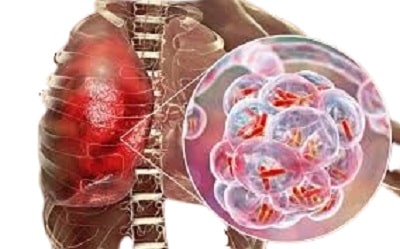
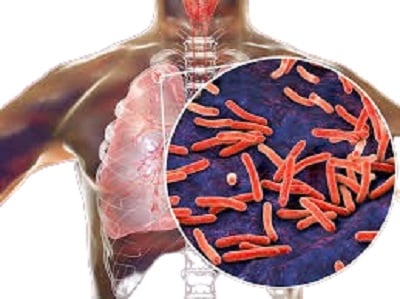
Tuberculosis (TB) is a contagious disease caused by a bacterium called Mycobacterium tuberculosis. It primarily targets the lungs (pulmonary tuberculosis), but it can also affect other parts of the body, like the brain, kidneys, spine, and lymph nodes, resulting in extrapulmonary tuberculosis.
TB spreads through the air when an infected person with active pulmonary tuberculosis coughs, sneezes, talks, or sings, releasing tiny droplets containing the bacteria. Inhalation of these droplets can lead to infection, particularly after extended or close interactions. Notably, TB is not transmitted through handshakes, food sharing, or casual surface contact.
There are two primary types of tuberculosis:
• Latent TB Infection (LTBI): The bacteria remain inactive in the body, showing no symptoms. Individuals with latent TB are not contagious, though the infection can become active if the immune system deteriorates.
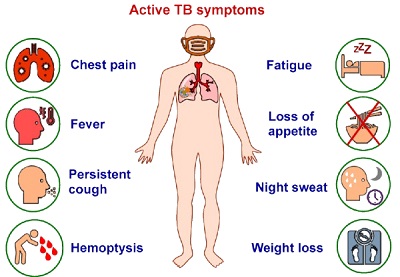
• Active TB Disease: The bacteria proliferate, causing symptoms such as a persistent cough, chest pain, fever, night sweats, weight loss, and fatigue. Active TB is infectious and necessitates immediate medical treatment.
While tuberculosis is both preventable and curable, it poses a considerable public health challenge due to late diagnoses, inadequate treatment, and restricted healthcare access in numerous regions. Timely detection, appropriate medication, and prevention strategies are crucial in preventing the spread of TB and minimizing its long-term health consequences.
Tuberculosis Reason: How Is It Transmitted
Tuberculosis transmission occurs through airborne particles, distinguishing it from numerous other infectious diseases that are spread via direct contact or contaminated surfaces. TB is caused by Mycobacterium tuberculosis, which becomes airborne when an individual with active pulmonary or laryngeal tuberculosis coughs, sneezes, talks, laughs, or sings. These actions disperse tiny airborne droplets, known as droplet nuclei, which can linger in the air for hours, particularly in poorly ventilated areas.
Infection happens when someone inhales these airborne droplets. Transmission rates elevate following close, continual, or repeated exposure to an infected person, explaining why TB spreads more readily among household members, healthcare professionals, coworkers, or individuals in congested environments like hostels, prisons, and shelters.
Various factors heighten TB transmission risk:
• Inadequate ventilation allows infectious particles to accumulate in the air.
• Overcrowding increases the potential exposure duration.
• Untreated TB or delayed diagnosis permits unchecked bacterial spread.
It’s crucial to realize that not all individuals exposed to TB become ill. Often, an effective immune response contains the bacteria, leading to latent TB infection, which is not contagious. TB is also not spread through sharing food or utensils, touching surfaces, kissing, or sexual activity.
Understanding how tuberculosis spreads is fundamental for prevention efforts. Enhancing ventilation, reducing crowding, implementing protective strategies in healthcare settings, and ensuring timely diagnosis and proper treatment are critical in curtailing TB transmission within communities.
10 Common Causes of Tuberculosis Infection
1. Close Contact with an Infected Individual
Prolonged exposure to a person with active pulmonary TB is the primary cause of infection. Living in the same household, sharing enclosed spaces, or caregiving without adequate protection raises the risk of inhaling TB bacteria.
2. Compromised Immune System
Weak immunity hampers the body’s ability to combat TB bacteria. Conditions like HIV/AIDS, diabetes, cancer, chronic kidney disease, and the use of immunosuppressive therapies substantially increase TB susceptibility.
3. Inadequate Living Conditions and Overcrowding
TB transmission is more likely in congested spaces with poor air circulation. Slums, overcrowded homes, prisons, shelters, and refugee camps are at high risk due to limited airflow and close human interaction.
4. Malnutrition and Dietary Deficiency
Poor nutrition weakens immune defenses, making organisms more vulnerable to infection. Lacking adequate protein, vitamins, and minerals diminishes the body’s capability to control TB bacteria upon exposure.
5. Smoking and Tobacco Use
Smoking harms lung function and impairs immune responses, creating conditions where TB bacteria can flourish. Both direct smoking and exposure to secondhand smoke elevate the risk of TB infection and disease escalation.
6. HIV Infection
HIV is a significant risk factor for tuberculosis. The virus severely compromises immune function, allowing latent TB to become active, making TB a leading cause of death among those living with HIV.
7. Delayed Diagnosis and Limited Access to Healthcare
When TB goes undiagnosed for long periods, infected individuals unknowingly transmit the bacteria. Access barriers, lack of awareness, and stigma contribute to treatment delays and continued transmission.
8. Living in or Visiting High TB-Burden Regions
Individuals residing in or frequently traveling to locations with high TB rates face a greater exposure risk. Ongoing community transmission heightens the chances of infection.
9. Poor Infection Control in Healthcare and Community Environments
Insufficient infection control measures in clinics, hospitals, and community settings can facilitate TB spread. Deficiencies in protective equipment, inadequate ventilation, and overcrowded waiting areas amplify exposure risks.
10. Inadequate Completion of Tuberculosis Treatment
Discontinuing TB treatment prematurely can lead to ongoing infection, relapse, and drug-resistant TB forms, allowing infected individuals to further transmit the disease in the community.
How to Lower Your Risk of Tuberculosis Infection
To reduce the risk of tuberculosis infection, a blend of personal health practices, prompt detection, and community-based preventive measures is essential. Although TB is contagious, it is also preventable through consistent application of appropriate strategies.
Bolster Your Immune System
A robust immune system is key to preventing TB infection and stopping latent TB from activating. Consuming a balanced diet rich in protein, fruits, vegetables, and essential vitamins aids in fighting infections. Additionally, sufficient sleep, regular physical activity, and effective stress management further promote immune health.
Minimize Prolonged Contact with Infected Individuals
Restricting close and extended interactions with individuals who have active TB significantly curtails infection risk. In communal or closed spaces, improving airflow by opening windows and doors helps disperse airborne bacteria. In high-risk settings, using face masks and respiratory protection is highly advisable.
Undergo Regular TB Screenings
Timely detection is crucial for curbing TB transmission. Higher-risk individuals—such as healthcare workers, those living with HIV, individuals with weakened immune systems, or those in close contact with TB patients—should partake in regular TB screenings. Early identification allows for prompt treatment and mitigates complications.
Embrace Healthy Lifestyle Practices
Refraining from smoking and moderating alcohol intake fosters lung health and enhances immune function. Practicing good personal hygiene and seeking timely medical attention for symptoms like a lingering cough or unforeseen weight loss can halt the progression of the disease.
Adhere Fully to Tuberculosis Treatment Protocols
For those diagnosed with TB or latent TB infection, completing the entire regimen of prescribed medications is crucial. Strict compliance with treatment helps prevent relapse, diminishes the risk of drug-resistant TB, and shields others from infection.
Tuberculosis Prevention Approaches
Preventing tuberculosis necessitates a combination of individual efforts and community-wide actions. Although TB is contagious, it can be largely mitigated with appropriate precautions and awareness.
1. Vaccination
The BCG (Bacillus Calmette–Guérin) vaccine is commonly administered in numerous countries to safeguard against severe forms of TB, particularly in children. While it doesn’t completely prevent adult pulmonary TB, it significantly lowers the risk of severe cases in younger populations.
2. Enhance Ventilation and Minimize Overcrowding
TB bacteria flourish in crowded, poorly ventilated environments. Ensuring sufficient airflow in homes, schools, workplaces, and public venues greatly lowers the concentration of infectious airborne droplets.
3. Boost Immune Function
A robust immune system helps prevent latent TB from becoming active. Consuming a balanced diet, engaging in regular physical activity, obtaining sufficient rest, and managing stress are vital strategies to keep the immune system strong.
4. Maintain Good Hygiene and Respiratory Practices
Cover your mouth when coughing or sneezing and encourage others to do the same. Refrain from sharing utensils, cups, or personal items with individuals who have active TB. These practices help minimize bacterial transmission.
5. Timely Detection and Routine Screening
Individuals at high risk—such as healthcare personnel, those with HIV, or anyone in close contact with TB patients—should have regular TB screenings. Early detection enables prompt treatment and curbs the spread.
6. Finish Prescribed Treatment
For those diagnosed with TB, it’s vital to complete the entire course of antibiotics as prescribed. Partial treatment raises the risk of drug-resistant TB and allows the infection to linger or spread.
7. Community Education and Health Initiatives
Community-oriented efforts, including awareness campaigns, screening programs, and support for medication adherence, are essential in lowering TB rates. Public knowledge about symptoms, transmission, and prevention is crucial for safeguarding entire communities.
When to Consult a Healthcare Provider
Seeking medical assistance without delay is pivotal for early diagnosis and effective TB treatment. Early intervention not only averts complications but also mitigates the risk of infection spread. You should consult a doctor if you experience any of the following symptoms:
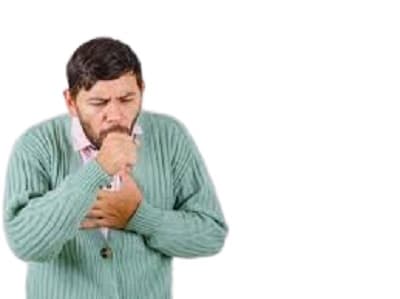
– Persistent cough lasting over two to three weeks
– Chest pain or discomfort while breathing or coughing
– Coughing up blood or sputum
– Unexplained weight loss
– Fever or chills
– Night sweats
– Fatigue or continuous weakness
Additionally, those who have been in close contact with someone diagnosed with active TB, those with weakened immune systems, or individuals residing in high TB-burden regions should seek medical evaluation even if symptoms are minor or absent.
Early consultation with a healthcare professional allows for:
– Accurate TB testing and diagnosis
– Prompt initiation of treatment to prevent active disease
– Guidance on limiting TB transmission to family, coworkers, and the community
Remember, tuberculosis can be effectively treated when identified early. Timely medical attention is crucial for safeguarding both your health and that of those around you.
Frequently Asked Questions (FAQs)
1. What primarily causes tuberculosis?
The main cause is extended exposure to airborne bacteria released from an individual with active pulmonary TB, particularly in crowded or poorly ventilated areas.
2. How does tuberculosis transmit between individuals?
TB spreads through the air when an infected person coughs, sneezes, talks, or sings. Others can inhale these bacteria and become infected.
3. Is tuberculosis preventable?
Yes. Preventive measures include vaccination (BCG), enhancing ventilation, avoiding prolonged contact with infected individuals, maintaining a strong immune system, and completing treatment if diagnosed.
4. Who is most susceptible to tuberculosis?
Individuals with compromised immune systems (HIV/AIDS, diabetes, cancer), smokers, malnourished individuals, healthcare workers, and those living in high TB-burden areas face a greater risk.
5. What are the initial signs of tuberculosis?
Common early signs include a persistent cough lasting over two weeks, chest pain, coughing up blood, fever, night sweats, fatigue, and sudden weight loss.
6. Can latent tuberculosis reactivate?
Yes. Latent TB infection occurs when bacteria are dormant in the body. It can become active if the immune system falters, leading to symptoms and contagiousness.
7. How is tuberculosis treated?
TB is treated through a strict regimen of antibiotics, typically lasting 6–9 months. Completing this full course is essential to cure the disease and prevent drug resistance.
8. Is tuberculosis contagious at every stage?
No, only individuals with active pulmonary or laryngeal TB can transmit the bacteria. Latent TB infection is not contagious.
9. Can tuberculosis recur after treatment?
Yes, TB can reappear if treatment is not fully completed or if reinfection happens. Strict medication adherence significantly lowers this risk.
10. Does malnutrition elevate the risk of tuberculosis?
Yes. Poor nutrition can weaken the immune system, hindering the body’s ability to combat TB bacteria and increasing vulnerability to infection.
Conclusion
Tuberculosis continues to pose a significant global health threat, yet understanding common causes of TB infection is the first step in prevention. Factors like close contact with infected individuals, compromised immunity, inadequate living conditions, malnutrition, smoking, delayed diagnosis, and incomplete treatment contribute to the spread and onset of the disease.
READ ALSO: 10 Powerful Insights On Sickle Cell Anaemia And Treatment
The encouraging news is that tuberculosis is largely preventable. By fortifying your immune system, avoiding extended contact with infected individuals, adopting healthy lifestyle habits, completing prescribed treatment, and seeking medical care promptly, you can significantly reduce your risk. Community awareness, proper ventilation, vaccination, and adherence to public health directives further aid in controlling TB transmission.
Being informed and proactive not only shields your health but also protects your family and community. Early detection, consistent treatment, and preventive strategies remain the most effective tools in the battle against tuberculosis. Act now—your vigilance could make a lifesaving difference.
Originally posted 2026-01-22 16:03:44.