
7 Effective Vagina Infection Treatments That Work Fast (Complete Guide)
Introduction
Vaginal infections are more prevalent than many women think, often accompanied by discomfort, confusion, and embarrassment. In reality, almost every woman will face a vaginal infection at some point in her lifetime. The silver lining? Most infections are treatable, manageable, and preventable with the right information.
If you’re experiencing issues like itching, abnormal discharge, or irritation, rest assured you’re not alone—more importantly, you’ve found the right resource. This all-encompassing guide will provide you with essential information about treating vaginal infections, discussing causes, symptoms, medical treatments, and effective natural remedies you can try at home.
What Is a Vaginal Infection?
A vaginal infection arises from an imbalance in the vagina’s natural environment. Typically, the vagina maintains a healthy mix of bacteria and yeast, along with a slightly acidic pH to deter harmful microorganisms.
However, disruptions—caused by hormones, hygiene practices, medications, or lifestyle choices—can lead to infection.
The key point to grasp is this:
Not every vaginal infection is alike, and appropriate treatment hinges on pinpointing the underlying cause.
Common Types of Vaginal Infections
Recognizing the type of infection you have is vital for selecting the correct treatment.
1. Yeast Infection (Candidiasis)
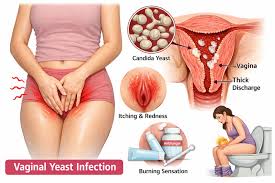
This is among the most widespread vaginal infections, triggered by an overgrowth of the fungus Candida.
Symptoms may include:
• Severe itching
• Thick, white “cottage cheese” discharge
• Redness and swelling
• Burning sensation
2. Bacterial Vaginosis (BV)
BV arises from an imbalance among the vagina’s normal bacteria.
Symptoms can include:
• Thin gray or white discharge
• Strong fishy odor (especially post-sex)
• Mild irritation
3. Trichomoniasis
This sexually transmitted infection is inflicted by a parasite.
Symptoms may involve:
• Yellow-green discharge
• Vaginal discomfort
• Pain during urination or intercourse
• Foul odor
4. Mixed or Recurrent Infections
Some women experience ongoing infections or a mix of various types, complicating treatment.
Symptoms of Vaginal Infection
While symptoms can vary, common indicators include:
• Vaginal itching or irritation
• Unusual discharge (changes in color, odor, or texture)
• Burning sensation while urinating
• Discomfort during sexual activity
• Swelling or redness of the vulva
• Unpleasant odor
If you observe any of these signs, it’s crucial to take prompt action.
Causes and Risk Factors
Many factors can disrupt the vaginal ecosystem and lead to infections:
1. Poor or Excessive Hygiene
• Unsatisfactory cleaning can lead to bacterial growth
• Overwashing or douching can harm beneficial bacteria
2. Antibiotic Use
Antibiotics can eliminate beneficial and harmful bacteria, leading to yeast overgrowth.
3. Hormonal Changes
• Pregnancy
• Menstruation
• Birth control pills
These fluctuations can alter vaginal pH and elevate the risk of infection.
4. Unprotected Sexual Activity
Sexual activity can introduce new bacteria or parasites into the vaginal area.
5. Tight or Synthetic Clothing
Non-breathable materials can trap moisture, creating an ideal setting for bacteria and yeast.
6. High Sugar Diet
Excess sugar can foster yeast growth, especially for women prone to infections.

Best Medical Treatments for Vaginal Infections
Medical interventions are usually the quickest and most effective means of resolving infections.
1. Antifungal Medications (For Yeast Infections)
• Available as creams, tablets, or suppositories
• Common choices include fluconazole and clotrimazole
• Generally effective within days
2. Antibiotics (For Bacterial Vaginosis)
• Prescribed medications such as metronidazole
• Can be oral or topical
• It’s crucial to finish the entire prescribed course
3. Antiprotozoal Drugs (For Trichomoniasis)
• Treated with prescription medications
• Sexual partners must also receive treatment
4. Over-the-Counter Treatments
• Easily accessible at pharmacies
• Suitable for mild yeast infections
• Not advisable if unsure about the diagnosis
Natural Remedies for Vaginal Infection Treatment
Natural remedies can be effective for mild vaginal infections, especially when applied early and appropriately. They help restore the natural pH balance of the vagina and support healthy bacteria.
Important: Severe or persistent infections necessitate medical treatment.
1. Yogurt (Probiotics) – Restore Good Bacteria
Plain, unsweetened yogurt contains live cultures (Lactobacillus) that aid in rebalancing vaginal flora.
How to Use:
• Consume 1–2 cups daily
• Apply externally to the affected area for soothing relief
Why It Works:
• Replenishes beneficial bacteria
• Helps combat yeast overgrowth
2. Garlic – Natural Antifungal Power
Garlic has robust antifungal and antibacterial properties, making it effective against yeast infections.
How to Use:
• Consume raw or cooked garlic daily
• Take garlic supplements
Note:
Avoid inserting garlic vaginally (it may cause irritation).
3. Coconut Oil – Soothing & Antimicrobial
Coconut oil possesses lauric acid, which combats harmful microbes.
How to Use:
• Apply a small amount externally
• Use once or twice daily
Benefits:
• Alleviates itching and irritation
• Hydrates sensitive skin
4. Apple Cider Vinegar – Balances pH
Apple cider vinegar assists in restoring the vagina’s natural acidic environment.
How to Use:
• Add 1–2 cups to a warm bath and soak for 15–20 minutes
Avoid
• Direct application without dilution
5. Tea Tree Oil – Strong Antimicrobial (Use Carefully)
Tea tree oil is a potent natural antiseptic.
How to Use:
• Mix a few drops with a carrier oil (e.g., coconut oil)
• Apply externally only
Warning:
• Never use undiluted
• Can irritate sensitive skin
6. Aloe Vera – Cooling and Healing
Aloe vera helps soothe inflammation and irritation.
How to Use:
• Apply fresh aloe gel externally
Benefits:
• Alleviates itching
• Aids in healing
7. Boric Acid (For Recurrent Infections)
Commonly used for persistent yeast infections.
How to Use:
• Vaginal suppositories (only as directed)
Important:
• Not for pregnant women
• Use under healthcare guidance
8. Probiotic Supplements
These can help sustain a healthy balance of vaginal bacteria.
How to Use:
• Take daily capsules that contain Lactobacillus
9. Hydration & Diet (Often Overlooked)
What you consume has a direct impact on vaginal health.
Eat More:
• Yogurt
• Vegetables
• Fruits
• Whole grains
Avoid:
• Sugar
• Processed foods
• Excessive alcohol
10. Proper Hygiene Practices
Sometimes, the simplest habits yield the best results.
Do:
• Wear cotton underwear
• Keep the area dry
• Change underwear daily
Avoid:
• Douching
• Scented soaps
• Tight clothing
When Natural Remedies Are Not Enough
Seek medical advice if:
• Symptoms persist beyond 3–5 days
• The infection recurs
• Severe pain or swelling occurs
• You are pregnant
Pro Tip (Valuable Insight)
The real key to preventing vaginal infections isn’t solely based on treatment but rather on achieving balance:
• Balanced diet
• Balanced hygiene
• Balanced lifestyle
When these aspects are in check, infections are less likely to arise.
Home Care Tips for Promoting Faster Healing of Vaginal Infections
When addressing a vaginal infection, daily care can either expedite recovery or hinder it. These sound, hygiene-based practices can help restore balance, alleviate irritation, and foster healing.
1.Maintain Cleanliness (But Avoid Overwashing)
Hygiene is vital—but excessive washing can upset the vagina’s natural flora.
Best Practice:
• Clean the external area (vulva) once or twice a day
• Use lukewarm water or a mild, unscented soap
• Wipe from front to back after using the toilet
Avoid:
• Harsh soaps
• Antibacterial washes
• Over-scrubbing
2. Maintain a Dry Environment
Excess moisture fosters bacterial and yeast growth.
Recommended Actions:
– Gently dry off after showers
– Change out of damp clothing promptly
– Opt for breathable fabrics
3. Opt for Cotton Underwear
The type of fabric plays a vital role in vaginal well-being.
Best Choices:
– Loose-fitting cotton underwear
– Sleeping without underwear (optional, yet beneficial)
Avoid:
– Tight-fitting underwear
– Synthetic fabrics (nylon, polyester)
4. Steer Clear of Scented Products
Fragrances can irritate sensitive vaginal areas and exacerbate infections.
Avoid:
– Scented soaps
– Feminine sprays
– Scented pads or tampons
Preferred Options:
– Simple, fragrance-free items
5. Cease Douching Immediately
Douching disrupts the natural bacterial balance within the vagina.
Important Note:
The vagina self-cleans—douching may heighten the risk of infections.
6. Practice Safe Sex While Healing
Engaging in sex can intensify irritation and prolong recovery.
Recommendations:
– Refrain from sexual activity until symptoms subside
– Use protection when necessary
7. Stay Well-Hydrated
Drinking water aids in detoxification and supports immune function.
Goal:
– Consume at least 6–8 glasses of water per day
8. Enhance Your Diet for Better Healing
Nutrition significantly impacts recovery.
Increase Intake:
– Yogurt (rich in probiotics)
– Vegetables
– Fruits
– Whole grains
Limit:
– Sugar (promotes yeast growth)
– Processed foods
9. Utilize Warm Sitz Baths for Comfort
A sitz bath can alleviate irritation and discomfort.
How to Proceed:
– Soak in warm water for 10–15 minutes
– Optionally, add a touch of salt
10. Avoid Tight Clothing
Tight outfits can trap heat and moisture.
Opt for:
– Loose dresses
– Comfy trousers
11. Prioritize Rest
Healing necessitates a robust immune system.
Aim for:
– 7–8 hours of restful sleep
12. Don’t Dismiss Symptoms
Waiting it out could aggravate the condition.
Take Action If:
– Symptoms linger for several days
– Infections recur frequently
Essential Insight:
Rapid healing hinges on three key elements:
✔ Gentle yet thorough hygiene
✔ A dry and breathable setting
✔ Strong internal support (diet and hydration)
When to Consult a Doctor for a Vaginal Infection
While many mild infections can be managed at home, certain cases necessitate professional evaluation. Delaying proper treatment can lead to complications and prolonged discomfort.
1. First-time Vaginal Infection
If you’ve never experienced a vaginal infection, obtaining an accurate diagnosis is crucial.
Importance:
– Symptoms of various infections can overlap
– What appears to be a yeast infection might be something entirely different
A healthcare professional can determine the exact cause and suggest appropriate treatment.
2. Severe or Unusual Symptoms
Seek medical attention urgently if you encounter:
– Significant itching or burning
– Extreme swelling or redness
– Foul odor
– Thick, green, or yellow discharge
– Discomfort during urination or intercourse
These symptoms may indicate a serious infection or a sexually transmitted infection (STI).
3. Symptoms Persist Beyond 3–5 Days
Should your symptoms not improve after several days of home treatment or over-the-counter remedies:
It’s advisable to consult a doctor.
Reason:
– The infection might be resistant
– You could be addressing the wrong issue
4. Frequent Infections
If you encounter vaginal infections regularly (more than 3–4 times annually):
This Might Suggest:
– Hormonal issues
– Poorly regulated blood sugar
– Compromised immune system
A healthcare provider can explore potential causes.
5. Pregnancy Considerations
During pregnancy, even mild infections shouldn’t be overlooked.
Why It Matters:
– Some infections can have implications for the fetus
– Treatment options need careful consideration
6. Presence of Bleeding or Pelvic Pain
These symptoms are not typical for common vaginal infections.
Warning Signs:
– Non-menstrual vaginal bleeding
– Lower abdominal or pelvic discomfort
Prompt medical evaluation is necessary.
7. Suspected STI
If there’s a chance your symptoms relate to a sexually transmitted infection:
Common Indicators:
– Painful urination
– Abnormal discharge
– Sores or irritation in the genital area
Both you and your partner may require treatment.
8. Ineffective Over-the-Counter Treatments
If antifungal creams or other remedies aren’t yielding results:
Don’t keep guessing—seek testing instead.
9. Coexisting Health Conditions
Conditions such as:
– Diabetes
– Compromised immunity
…can complicate and increase the frequency of infections.
10. Uncertainty About Your Condition
When unsure, it’s always prudent to consult a professional.
Self-diagnosis can result in:
– Incorrect treatment
– Worsening conditions
– Recurrent infections
Key Point:
You should consult a healthcare professional if:
✔ It’s your first infection
✔ Symptoms are particularly severe or unusual
✔ There’s no improvement after a few days
✔ Infections appear repeatedly
✔ You’re pregnant

Ways to Naturally and Effectively Prevent Vaginal Infections
Long-term prevention is the most dependable strategy. Vaginal infections frequently arise from disruptions in the natural microbial balance and pH—your aim should be to consistently uphold that balance.
1. Practice Proper Hygiene
Maintaining hygiene is crucial, but overdoing it can be counterproductive.
Recommended Practices:
– Clean the external area (vulva) daily with water
– Use mild, fragrance-free soap only when necessary
– Wipe from front to back after using the restroom
Avoid:
– Harsh or medicated soaps
– Excessive washing
2. Completely Avoid Douching
Douching upsets the natural vaginal microbiome.
Dangers:
– It eliminates beneficial bacteria
– Alters vaginal pH
– Heightens the risk of infections
The vagina is self-sufficient—no internal cleansing is needed.
3. Choose Breathable Clothing
Your clothing choices have a direct impact on moisture levels and bacterial proliferation.
Preferred Fabrics:
– Cotton underwear
– Loose-fitting garments
Avoid:
– Tight jeans or leggings for extended periods
– Synthetic materials (nylon, polyester)
4. Keep the Area Dry
Moist conditions promote yeast and bacteria development.
Suggestions:
– Change underwear daily
– Remove wet attire promptly (post-exercise or swimming)
– Ensure thorough drying after bathing
5. Engage in Safe Sexual Practices
Sexual activity can introduce foreign bacteria into the vaginal area.
Prevention Measures:
– Utilize protection (condoms)
– Urinate following intercourse
– Uphold personal hygiene before and after sexual activity
6. Focus on Nutrition (Crucial Yet Often Ignored)
Your diet significantly influences vaginal health.
Increase Consumption of:
– Probiotic-rich foods (like yogurt)
– Fruits and vegetables
– Whole grains
Limit:
– Sugar (feeds yeast)
– Processed foods
7. Regular Probiotic Intake
Probiotics support the maintenance of healthy vaginal flora.
Options Include:
– Yogurt containing live cultures
– Probiotic supplements
8. Avoid Scented Feminine Hygiene Products
Scented items can irritate sensitive areas.
Avoid:
– Scented pads or tampons
– Feminine sprays
– Perfumed wipes
9. Manage Stress Effectively
Chronic stress can weaken the immune response.
Helpful Actions:
– Prioritize adequate sleep
– Engage in regular exercise
– Use relaxation techniques
10. Monitor Blood Sugar Levels
High blood sugar levels can elevate yeast infection risks.
Particularly Important If:
– You have diabetes
– Your diet is high in sugar
11. Use Antibiotics Judiciously
Antibiotics can disturb the balance of healthy bacteria.
Tips:
– Only utilize when prescribed
– Combine with probiotics as necessary
12. Schedule Routine Health Checkups
Regular checkups facilitate early detection and prevention of issues.
Effective Prevention Strategy:
To stay free from infections, prioritize:
✔ Proper hygiene (without excess)
✔ Moisture control (keeping the area dry)
✔ A balanced approach (diet andprobiotics)
Pro Tip (High-Value Insight)
The majority of recurring vaginal infections aren’t due to inadequate treatment, but rather ineffective prevention practices. Revamping your daily routine can significantly lower your risk.
Frequently Asked Questions (FAQs) Regarding Vaginal Infection Treatment
1. What’s the quickest way to address a vaginal infection?
The quickest treatment varies based on the infection type:
• Yeast infection: Antifungal medications (generally effective within 1–3 days)
• Bacterial infection: Antibiotics prescribed by a healthcare provider
• Mild cases: Natural solutions like yogurt and proper hygiene might help
Accurate diagnosis is crucial for swift relief.
2. Can vaginal infections resolve on their own?
Some mild infections might disappear naturally, especially if your body reestablishes its balance. However:
• Most infections necessitate treatment
• Ignoring symptoms can aggravate the issue
3. How can I differentiate between a yeast infection and a bacterial infection?
Here’s a clear distinction:
• Yeast infection: Thick white discharge, severe itching, no strong odor
• Bacterial infection: Thin gray discharge, potent fishy scent
If in doubt, seek advice from a healthcare expert.
4. Is it safe to use natural remedies for vaginal infections?
Yes—for mild infections. However:
• Always apply remedies appropriately
• Avoid internal use of substances unless prescribed
• Serious infections necessitate medical intervention
5. Can I engage in sexual activity while treating a vaginal infection?
It’s generally advised against. Why:
• May worsen irritation
• Could delay recovery
• Heightens infection transmission risk
Wait until all symptoms are completely resolved.
6. How long does it typically take to heal from a vaginal infection?
• Mild infections: 3–5 days
• Moderate infections: 7–14 days
• Recurrent infections: May take a longer duration
7. Which foods should I avoid during a vaginal infection?
Steer clear of foods that encourage yeast proliferation:
• Sugary foods and drinks
• Processed items
• Refined carbs
8. Can men contract vaginal infections from their partner?
Men cannot develop vaginal infections, but they can:
• Carry yeast or bacteria
• Experience symptoms like itching or irritation
In certain cases, both partners may require treatment.
9. Why do vaginal infections keep recurring?
Frequent causes include:
• Poor hygiene practices
• High sugar intake
• Hormonal imbalance
• Incomplete treatment
• Overuse of antibiotics
Focus on prevention just as much as treatment.
10. Is vaginal discharge always indicative of an infection?
No. Normal discharge:
• Is typically clear or white
• Lacks a strong odor
• Alters during the menstrual cycle
Only noticeable abnormalities may suggest an infection.
11. Can stress lead to vaginal infections?
Yes. Stress can weaken the immune system, enhancing susceptibility to infections.
12. When should I consult a doctor for a vaginal infection?
Visit a doctor if:
• Symptoms are severe
• It’s your first occurrence
• No improvement after 3–5 days
• Infections keep recurring
• You are pregnant
READ ALSO: At What Age Is Menopause Begins?
13. Are over-the-counter treatments effective?
Yes—for typical yeast infections. However:
• They may be ineffective for bacterial infections
• Misdiagnosis can hinder appropriate treatment
14. Can I completely avoid vaginal infections?**
You can greatly minimize your risk by:
• Practicing proper hygiene
• Consuming a balanced diet
• Wearing breathable fabrics
• Avoiding douching
READ ALSO: Unlock Your Fertile Power: When Does Ovulation Occur
15. Is feeling embarrassed about vaginal infections normal?
Many women experience this, but it’s vital to recognize:
Vaginal infections are quite common and easily treatable
There’s no cause for shame—just a need for proper care and attention.
Conclusion
Vaginal infections are prevalent, but they don’t have to dominate your comfort, confidence, or daily life. With the right information, you can recognize symptoms early, select effective treatments, and importantly, prevent future infections.
READ ALSO: Ovulation Period: 5 Easy Ways
The key takeaway is straightforward: balance is essential.
By upholding proper hygiene, eating a nourishing diet, and cultivating healthy daily practices, your body is naturally equipped to fend off infections.
Whether you opt for medical treatments for rapid relief or natural remedies for gentle healing, consistency truly yields results. Ignoring symptoms or guessing can result in ongoing challenges, but taking proactive measures early makes a significant impact.
Remember:
• Address symptoms promptly
• Support your body internally
• Practice daily preventive habits
You deserve to feel healthy, self-assured, and in command of your body—free from discomfort or embarrassment.