Skin Tag Removal Cream: 9 Essential Facts About Benefits, Risks, and Alternatives
Skin tags are small, soft, harmless growths that commonly appear on the neck, underarms, eyelids, groin, and other areas where skin rubs against skin. Although they are not dangerous, many people want to remove them because they can be irritating or affect their appearance.
One of the most searched solutions is skin tag removal cream. But does it actually work? Is it safe to use at home?
In this guide, you’ll learn how skin tag removal creams work, their potential benefits and risks, and when professional treatment may be the safer option.
What Is a Skin Tag?
A skin tag (also called an acrochordon) is a small flap of skin attached to the body by a thin stalk. Skin tags are usually:
- Soft and flesh-coloured or slightly darker
- Small, ranging from 1 mm to several centimetres
- Painless
- Non-cancerous

Skin tags often develop in areas where friction occurs, such as
- Neck
- Armpits
- Eyelids
- Groin
- Under the breasts
According to the American Academy of Dermatology, skin tags are harmless growths that can appear anywhere on your skin but often develop on the neck, eyelids, or underarms. They may be the same colour as your skin or darker.
What is skin tag removal cream?
Skin tag removal cream is an over-the-counter product marketed to shrink or remove skin tags without surgery. These creams may contain plant extracts, acids, or other active ingredients designed to dry out the skin tag until it eventually falls off.
READ ALSO: 7 Essential Facts About Impetigo On Black Skin: Causes, Treatments And Prevention
However, science has not proven the effectiveness of all products, and incorrect use may cause skin irritation or damage in some cases.
Does Skin Tag Removal Cream Really Work?
The answer is it depends.
Some users report success with certain products, while others notice little or no improvement.
Currently, there is limited high-quality scientific evidence showing that most over-the-counter skin tag removal creams consistently remove skin tags safely and effectively.
In some cases, creams may:
- Dry out the skin tag
- Cause it to shrink
- Irritate surrounding healthy skin
- Fail to remove the tag completely
Because of these uncertainties, many dermatologists recommend professional removal instead of relying on creams.
Benefits of Skin Tag Removal Cream
When used according to the manufacturer’s instructions, some products may offer benefits such as
- Non-invasive treatment
- Easy home application
- Lower cost than minor surgical procedures
- No appointment required
- Convenient for small skin tags
Potential Risks and Side Effects
Using skin tag removal creams is not risk-free.
Possible side effects include:
- Skin irritation
- Burning sensation
- Redness
- Swelling
- Pain
- Infection
- Scarring
- Skin discoloration
READ ALSO: Impetigo Pictures: 3 Stages You Should Know: Early, Mild and Severe.
Applying these creams to sensitive areas, especially around the eyes or genitals, can increase the risk of injury.
Who Should Avoid Skin Tag Removal Cream?
Skin tag removal creams are not suitable for everyone. In certain situations, using these products may increase the risk of skin damage, infection, scarring, or delayed diagnosis of a more serious condition.
You should avoid using a skin tag removal cream if:
1. You’re Not Sure It’s a Skin Tag
Not every skin growth is a skin tag. Moles, warts, cysts, and some forms of skin cancer can look similar. Using a removal cream on an unidentified growth may cause harm and delay proper diagnosis and treatment. If you’re uncertain, have the growth examined by a healthcare provider first.
2. The skin tag is on the eyelids, face, or genital area
The skin in these areas is delicate and more prone to irritation and injury. Applying a skin tag removal cream near the eyes or on the genitals may damage healthy tissue and lead to complications. Professional removal is usually the safest option.
3. The skin tag is large, bleeding, or painful
A skin tag that is unusually large, painful, frequently bleeds, or changes in a healthcare provider should evaluate color or shape. These features may indicate another skin condition that requires medical assessment.
4. You have diabetes or poor blood circulation
People with diabetes or circulation problems may heal more slowly and have a higher risk of infection after skin injuries. Speak with your healthcare provider before attempting to remove a skin tag at home.
5. You have a weakened immune system
If a medical condition or certain treatments weaken your immune system, even minor skin injuries may take longer to heal and may become infected more easily. Doctors recommend that you seek their advice before using any skin tag removal product.
6. The surrounding skin is irritated or infected
Do not apply skin tag removal cream to skin that is already red, swollen, broken, or infected. Treating an already irritated area may worsen the condition and delay healing.
7. You’re pregnant or breastfeeding.
If you are pregnant or breastfeeding, consult your healthcare provider before using any over-the-counter skin tag removal product. Some ingredients may not have been adequately studied for safety during pregnancy or while breastfeeding.
READ ALSO: How to Remove Pimples In 1 Day: Miracles Fixed For All Skin Types.
Mayo Clinic explained that most skin tags don’t cause symptoms, unless they are repeatedly irritated by rubbing against jewellery, clothing or other items. The tags are harmless, but they won’t go away without treatment.
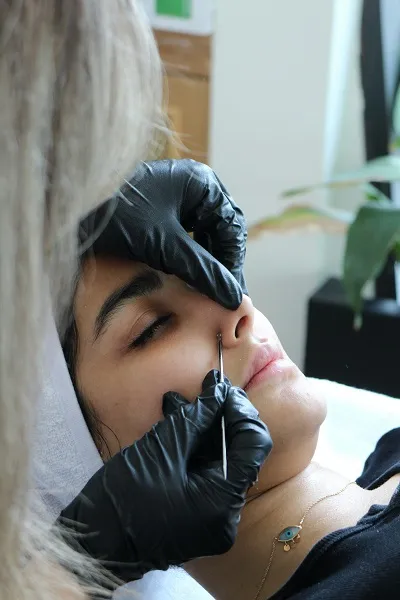
8. You have a history of allergic skin reactions.
People with sensitive skin or allergies to cosmetic or topical ingredients may be more likely to develop irritation, itching, or allergic reactions. Always read the ingredient list carefully and follow the manufacturer’s directions.
When in doubt, seek medical advice.
If you’re unsure whether a skin growth is a skin tag or whether a skin tag removal cream is appropriate for you, consult a qualified healthcare provider. They can confirm the diagnosis and recommend the safest and most effective treatment based on your individual circumstances.
Professional Skin Tag Removal Options
If a skin tag is large, painful, frequently irritated, or located in a sensitive area, a healthcare provider may recommend professional removal. Medical removal is generally safer than attempting to remove a skin tag yourself, especially when the diagnosis is uncertain or the skin tag is near the eyes or genitals.
Depending on the size, location, and number of skin tags, your healthcare provider may use one of the following methods:
1. Cryotherapy (Freezing)
Cryotherapy involves applying liquid nitrogen to the skin tag, causing the tissue to freeze and eventually fall off within several days to a few weeks.
Benefits:
- Quick procedure
- Usually requires no stitches
- Minimal bleeding
- Suitable for many small skin tags
Potential side effects:
- Mild pain or stinging
- Temporary blistering
- Skin discoloration, particularly in people with darker skin tones
2. Surgical Excision
During surgical excision, the healthcare provider uses sterile scissors or a scalpel to cut off the skin tag. A local anesthetic may be used for larger skin tags to minimize discomfort.
Benefits:
- Removes the skin tag immediately
- Highly effective
- Low chance of the same skin tag returning
Potential side effects:
- Mild bleeding
- Temporary soreness
- Small scar, depending on the size and location
3. Electrocautery (burning)
Electrocautery uses a small electrical device to burn off the skin tag while sealing blood vessels to reduce bleeding.
Benefits:
- Effective for many skin tags
- Minimal bleeding
- Quick treatment
- May reduce the risk of infection by sealing the tissue
Potential side effects:
- Mild discomfort
- Temporary redness or swelling
- Slight scarring in some cases
4. Ligation
Ligation involves tying a sterile surgical thread or band around the base of the skin tag to cut off its blood supply. Without blood flow, the skin tag gradually shrivels and falls off over several days.
Benefits:
- Simple procedure
- Little or no bleeding
- Suitable for certain small skin tags
Possible side effects:
- Temporary discomfort
- Mild irritation
- May not be appropriate for all skin tags
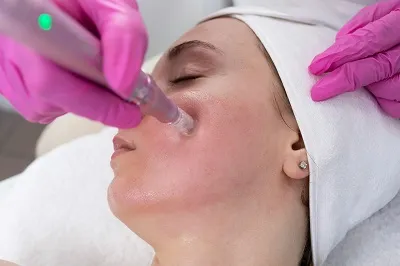
Which skin tag removal method is best?
There is no single skin tag removal method that is best for everyone. The most appropriate treatment depends on factors such as the size and location of the skin tag, whether it is causing symptoms, your overall health, and your personal preferences.
READ ALSO: 7 Powerful Facts About Eczema Atopic Dermatitis: Causes, Symptoms And Treatment.
In general:
- Cryotherapy is often suitable for small skin tags and is a quick, minimally invasive procedure performed in a healthcare setting.
- Surgical excision may be recommended for larger skin tags or those that need to be removed immediately. It is highly effective and usually removes the skin tag in a single visit.
- Electrocautery is a good option for many skin tags because it removes the growth while helping to control bleeding by sealing blood vessels.
- Ligation may be appropriate for certain small skin tags by cutting off their blood supply until they naturally fall off.
- Over-the-counter skin tag removal creams may appeal to people looking for a home treatment, but their effectiveness varies, and there is limited to high-quality scientific evidence supporting many of these products. They may also cause skin irritation or damage if used incorrectly.
The best way to determine the right treatment is to have the skin growth evaluated by a qualified healthcare provider. This is especially important if you’re unsure whether the growth is a skin tag or if it is painful, bleeding, changing in appearance, or located on the eyelid, face, or genital area.
Medline Plus lists many different problems and conditions which can affect your skin. Some of them can cause uncomfortable symptoms, such as itching, burning, redness, and rashes. They might also affect your appearance.
Key Takeaway
For most people seeking a safe and reliable solution, professional removal by a healthcare provider is generally the preferred option, particularly for large, bothersome, or unusually appearing skin tags. Self-treatment with creams or other home remedies should only be considered after confirming that the growth is truly a skin tag and after carefully following the product’s instructions.
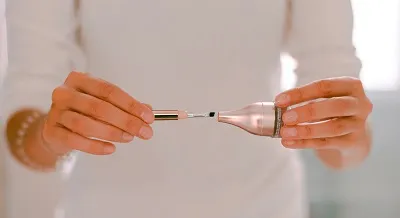
What to Expect After Skin Tag Removal
Recovery is usually straightforward. After the procedure, you may experience mild tenderness, redness, or slight swelling for a few days.
To promote healing:
- Keep the area clean and dry.
- Follow your healthcare provider’s aftercare instructions.
- Avoid picking at the healing skin.
- Watch for signs of infection, such as increasing redness, warmth, swelling, pus, or worsening pain, and seek medical attention if these occur.
Most people return to their normal daily activities immediately or within a day after professional skin tag removal.
Many home remedies circulate online, including:
- Tea tree oil
- Apple cider vinegar
- Garlic
- Banana peel
- Toothpaste
DermNet: Emphasise that Skin tags develop in both men and women as they grow older. They are skin coloured or darker and range in size from 1mm to 5cm. They are most often found in the skin folds (neck, armpits, groin). They tend to be more numerous in obese persons and in those with type 2 diabetes mellitus.
However, there is little reliable scientific evidence that these methods safely or effectively remove skin tags. Some may even irritate or burn the skin.
Tips to Prevent Skin Tags
There is no guaranteed way to prevent skin tags, and they cannot always be avoided. However, adopting healthy lifestyle habits and reducing skin friction may lower your risk of developing new skin tags.
1. Maintain a Healthy Weight
Being overweight or obese increases the likelihood of skin rubbing against skin, which may contribute to the formation of skin tags. Eating a balanced diet and staying physically active can help you maintain a healthy weight.
2. Reduce Skin Friction
Skin tags commonly develop in areas where skin frequently rubs together, such as the neck, underarms, groin, and under the breasts. Wearing loose-fitting clothing and minimising unnecessary friction may help reduce your risk.
READ ALSO: 10 Alarming Skin Diseases: Facts For All Ages
3. Keep Skin Clean and Dry
Moisture and sweat can increase friction in skin folds. Gently cleanse these areas daily and dry them thoroughly, especially after exercise or in hot weather.
4. Manage Blood Sugar Levels
Some studies have found that skin tags are more common in people with insulin resistance or type 2 diabetes. If you have diabetes or prediabetes, following your healthcare provider’s advice to manage your blood sugar may benefit your overall skin health.
5. Avoid Irritating the Skin
Repeated rubbing from tight collars, jewellery, or rough fabrics may contribute to skin irritation. Choose comfortable clothing and accessories that do not constantly rub against your skin.
6. Check Your Skin Regularly
Examine your skin from time to time, especially areas where skin tags commonly develop. If you notice a new growth that changes in size, color, or shape, or if you’re unsure whether it’s a skin tag, have it evaluated by a healthcare provider.
7. Don’t Attempt to Remove Unidentified Skin Growths
Correctly identify the growth before you use a skin tag removal cream or other home treatment. Removing a mole, wart, or another type of a skin lesion by mistake can lead to complications or delay the diagnosis of a more serious condition.
8. Follow a Healthy Lifestyle
A nutritious diet, regular physical activity, adequate sleep, and avoiding tobacco use support overall skin health and may reduce the risk of conditions associated with skin tag development.
Key Takeaway
While doctors cannot always prevent skin tags, patients can lower their risk by maintaining a healthy weight, reducing skin friction, practising good skin hygiene, and managing underlying health conditions. If you develop a skin growth that looks unusual or causes concern, seek medical advice rather than attempting self-treatment.
When Should You See a Healthcare Provider?
Although skin tags are usually harmless and do not require treatment, there are situations where it’s important to seek medical advice rather than attempting to remove them yourself.
See a healthcare provider if:
- You’re not sure it’s a skin tag. Some skin cancers, moles, warts, and other skin conditions can resemble skin tags. A healthcare provider can make an accurate diagnosis.
- The skin tag changes in appearance. Seek medical attention if it grows rapidly, changes colour, develops an irregular shape, or looks significantly different from your other skin tags.
- It becomes painful or tender. Pain may indicate that the skin tag has become twisted, irritated, or infected, or that another skin condition is present.
- It bleeds repeatedly. While occasional bleeding from accidental injury may not be serious, frequent or unexplained bleeding warrants evaluation.
- There are signs of infection. Redness, swelling, warmth, pus, or increasing pain may indicate an infection that requires medical treatment.
- It’s located in a sensitive area. A qualified healthcare professional should remove skin tags on the eyelids, face, genitals, or other delicate areas to reduce the risk of injury or scarring.
- It interferes with daily activities. If a skin tag catches on clothing, jewellery, or shaving equipment, or causes ongoing discomfort, professional removal may be the safest option.
- You have an underlying medical condition. People with diabetes, poor circulation, or weakened immune systems should consult a healthcare provider before attempting to remove a skin tag at home, as healing may be slower and the risk of complications may be higher.
What to Expect During Your Appointment
During your visit, a healthcare provider will examine the skin growth to confirm that it is a skin tag. In most cases, this can be done through a simple physical examination. If there is any concern that the growth could be another condition, additional evaluation or a small biopsy may be recommended.
READ ALSO: Measles Rash: 7 Absolutely Vital Symptoms And What It Looks Like With Real Photos
If removal is appropriate, your healthcare provider may suggest one of several safe and effective treatments, including cryotherapy (freezing), electrocautery (using heat), or surgical excision (cutting off the skin tag). These procedures are usually quick, performed in an outpatient setting, and require little recovery time.

Frequently Asked Questions (FAQs)
1. Does skin tag removal cream really work?
Skin tag removal creams may work for some people, but results vary depending on the product and the individual. Limited scientific evidence supports many over-the-counter skin tag removal creams.
2. Is skin tag removal cream safe?
Most skin tag removal creams are generally safe when used exactly as directed. However, they can cause side effects such as redness, irritation, burning, pain, or skin discolouration. Avoid using them on the eyelids, face, genitals, or other sensitive areas unless advised by a healthcare professional.
3. How long does skin tag removal cream take to work?
The time varies by product and the size of the skin tag. Some manufacturers claim results within a few days, while others may take several weeks. Always follow the instructions provided with the product.
4. Can I remove a skin tag at home?
Some people use over-the-counter products to remove skin tags at home. However, it’s important to make sure the growth is actually a skin tag before attempting removal. If you’re unsure, consult a healthcare provider for an accurate diagnosis.
5. What is the best way to remove a skin tag?
The safest and most effective methods are professional treatments performed by a healthcare provider. These may include cryotherapy (freezing), surgical excision (cutting), or electrocautery (burning). The best option depends on the size and location of the skin tag.
Skin tag removal creams may be less effective on larger skin tags. Larger or thick skin tags often require professional removal for the best results.
No, skin tags are usually harmless, non-cancerous skin growths. However, if a skin growth changes in colour, size, shape, bleeds, or becomes painful, it should be evaluated by a healthcare professional to rule out other conditions.
The same skin tag usually does not grow back once it has been completely removed. However, new skin tags can develop in other areas of the body over time, especially if you have risk factors such as obesity, diabetes, or frequent skin friction.
The exact cause isn’t fully understood, but skin tags are associated with skin friction, ageing, obesity, pregnancy, insulin resistance, and certain genetic factors. They commonly appear in areas where skin rubs against skin.
10. When should I see a healthcare provider about a skin tag?
Seek medical advice if a skin tag bleeds, becomes painful, changes in appearance, grows rapidly, becomes infected, or is located on the eyelid or genital area. You should also consult a healthcare provider if you’re unsure whether the growth is actually a skin tag.
Conclusion
Skin tag removal creams may work for some people, but their effectiveness varies, and scientific evidence supporting many over-the-counter products remains limited. Before using any skin tag removal cream, make sure the growth is actually a skin tag and carefully follow the product instructions.
If the skin tag is painful, changes in appearance, or is located in a sensitive area, consult a healthcare provider instead of attempting self-treatment. Professional removal is often the safest and most reliable option.
Disclaimer: This article is for educational purposes only and should not be considered medical advice. Always consult a qualified healthcare professional for diagnosis and treatment recommendations specific to your situation.
References
- American Academy of Dermatology. Skin tags: Overview.
- Mayo Clinic. Skin tags: Questions and Answers
- MedlinePlus. Skin Conditions.
- DermNet. Acrochordons (Skin Tags).
- National Health Service (NHS). Common skin conditions.