Signs of Menopause at 40, 45, and 50: What’s Normal and What’s Not
Introduction
Menopause marks a natural transition in every woman’s life, signifying the end of menstrual cycles and fertility. Although the average onset age is approximately 50, many women notice precursor changes as early as their early 40s. These changes don’t manifest instantly; they often emerge slowly with subtle signs that may feel perplexing or concerning.
At 40, some women start to experience early menopause indicators, while by 45, perimenopause typically becomes more evident. By age 50, most women have entered full menopause, marked by the complete cessation of periods. It’s crucial to comprehend what is expected at each age and identify any signs that could indicate a health issue, enabling you to navigate this life phase with assurance and tranquility.
In this guide, we will explore the signs of menopause at ages 40, 45, and 50, detailing the symptoms you may experience, what’s considered typical, and when to consult a medical professional. Whether you are starting to notice changes or are already in the midst of them, this article will help you understand and prioritize your health.
Understanding Menopause
Menopause is a natural biological occurrence that signifies the end of a woman’s menstrual cycles and her reproductive years. It is officially classified when a woman has not had a menstrual period for 12 consecutive months and generally takes place between the ages of 45 and 55.
This transition unfolds gradually and is characterized by hormonal changes, particularly the decline of estrogen and progesterone levels. These hormones are essential for regulating the menstrual cycle, maintaining fertility, promoting bone health, and stabilizing mood. As their levels decrease, signs indicating the approach of menopause begin to appear.

The Three Stages of Menopause
1. Perimenopause – The early transition phase leading to menopause, often beginning in the early to mid-40s. Women may experience irregular periods, hot flashes, mood swings, and disrupted sleep.
2. Menopause – The stage when menstruation has entirely ceased for 12 months. Common symptoms include persistent hot flashes, vaginal dryness, and changes in sexual desire.
3. Postmenopause – The years following menopause. While some symptoms may ease, the risk for conditions like osteoporosis and heart disease may rise due to lower estrogen levels.
Recognizing these stages assists women in preparing for the forthcoming emotional and physical shifts and discerning what is standard versus what may necessitate medical consultation.
Signs of Menopause at Age 40 (Early Menopause)
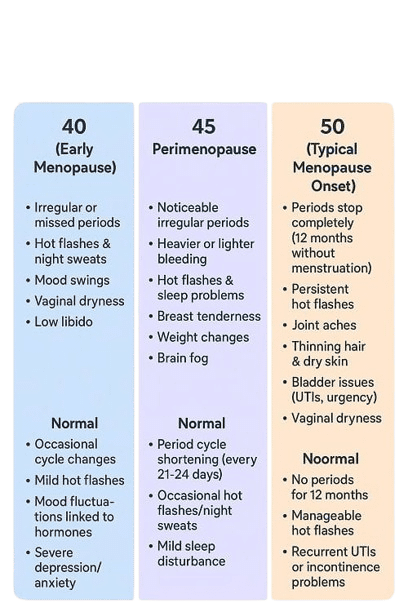
While the average menopause age is around 50, some women may first experience menopausal shifts much earlier—occasionally as soon as their late 30s or early 40s. When this occurs between 40 and 45, it’s called early menopause. If it occurs before 40, it’s labeled as premature menopause or primary ovarian insufficiency (POI).
At 40, many women are still in their prime reproductive years, making the emergence of menopause symptoms feel disconcerting or perplexing. Recognizing these signs early can assist you in making informed decisions regarding your health.
Common Early Menopause Symptoms at Age 40
– Irregular or Missed Periods – One of the initial indicators, where cycles may fluctuate in length and intensity.
– Hot Flashes and Night Sweats – Sudden sensations of heat and sweating that disrupt daily life or sleep.
– Mood Changes – Increased irritability, anxiety, or sadness can stem from hormonal fluctuations.
– Sleep Disturbances – Difficulties in falling or staying asleep, often tied to night sweats.
– Reduced Fertility – Diminished egg production, making natural conception harder.
– Vaginal Dryness – Thinning tissues can lead to discomfort or painful intercourse.
– Decreased Libido – Some women notice a drop in sexual desire due to hormonal shifts.
What’s Normal vs. What’s Not at Age 40
– Normal: Occasional irregular cycles, mild hot flashes, and subtle hormonal changes can occur during this transitional phase.
– Not Normal:
– Symptoms that suggest menopause before age 40 (premature ovarian insufficiency).
– Heavy bleeding or clotting.
– Severe depression or anxiety.
– Sudden weight loss, overwhelming fatigue, or thyroid-related symptoms.
Consult a doctor if symptoms are extreme or sudden to rule out underlying conditions like thyroid disorders or reproductive health concerns.

Signs of Menopause at Age 45 (Typical Perimenopause)
By the mid-40s, many women enter perimenopause—the natural progression leading to menopause. This stage can last from several years to over a decade and is when most women begin to notice significant hormonal changes. Estrogen and progesterone levels fluctuate more widely, producing a variety of symptoms.
At 45, perimenopause is anticipated and regarded as typical. However, the intensity and nature of symptoms can differ widely among women.
Common Menopause Signs at 45
– Menstrual Cycle Changes – Periods may fluctuate in timing and flow, with some women experiencing cycles closer together or prolonged gaps between periods.
– Hot Flashes & Night Sweats – More frequent and noticeable than in the early 40s, often interfering with daily activities and sleep.
– Vaginal Dryness & Discomfort – Lower estrogen levels can cause issues like dryness and pain during intercourse.
– Weight Gain & Slower Metabolism – Hormonal transitions and shifts in muscle mass may contribute to gradual weight gain, particularly around the abdomen.
– Mood Swings & Irritability – Emotional fluctuations that may include anxiety or mild depression.
– Sleep Problems – Insomnia and frequent awakenings are prevalent, often associated with night sweats.
– Memory Lapses & “Brain Fog” – Some women may experience difficulties with concentration and memory.
What’s Normal vs. What’s Not at Age 45
– Normal: Irregular periods, moderate hot flashes, and gradual weight changes are typical of perimenopause.
– Not Normal:
– Extremely heavy bleeding lasting longer than seven days.
– Significant mood alterations, panic attacks, or ongoing depression.
– Chest pain, heart palpitations, or severe fatigue.
– Symptoms that disrupt daily activities.
Although many of these modifications are customary, persistent or severe symptoms warrant a discussion with a healthcare professional to exclude other issues like fibroids or thyroid imbalances.
Signs of Menopause at Age 50 (Typical Menopause Age)
Around the age of 50, most women transition into complete menopause, marking the total cessation of menstruation. A woman is officially deemed menopausal after not having a period for 12 consecutive months. This age is the most common worldwide for menopause, although timing varies by individual.
By 50, numerous women have been experiencing perimenopausal signs for several years, yet the transition into menopause typically brings more established and lasting changes.
Common Menopause Symptoms Around Age 50
• Complete Cessation of Periods – Absence of menstrual bleeding for a full year indicates menopause.
• Increased Hot Flashes & Night Sweats – These can be persistent and intense, lasting for several years post-menopause.
• Vaginal Changes – Thinner and less elastic vaginal tissues can lead to dryness, irritation, discomfort, and painful intercourse.
• Bone Health Risks – Reduced estrogen levels elevate the chances of osteoporosis and bone fractures.
• Skin & Hair Transformations – Skin may become drier, and some women might notice thinner or altered hair texture.
• Urinary Concerns – Higher frequency, urgency, or susceptibility to urinary tract infections (UTIs) due to weakened pelvic tissues.
• Emotional & Cognitive Changes – Mood swings, anxiety, depression, or forgetfulness (“brain fog”).
• Weight Gain & Slowed Metabolism – A noticeable slowdown in metabolism can result in stubborn abdominal fat.
What’s Considered Normal vs. Abnormal at Age 50
• Normal: Ongoing absence of periods for a year, moderate hot flashes, and variations in skin, hair, or mood.
• Not Normal:
o Experiencing vaginal bleeding or spotting after menopause (could indicate polyps, fibroids, or cancer).
o Severe joint or muscle pain that hampers movement.
o Chest pain, dizziness, or difficulty breathing.
o Persistent depression or anxiety that disrupts daily life.
For women at this stage, it’s crucial to have routine health check-ups, including bone density tests, cardiovascular screenings, and gynecological exams. Early identification of postmenopausal health issues can significantly impact long-term health.
Understanding Normal vs. Abnormal
Every woman’s journey through menopause is distinct, but there are recognizable symptom patterns generally regarded as normal at various ages. A clear distinction between expected changes and concerning signs allows for more effective management of this life phase.
Normal Symptoms Across Ages (40s to 50s)
• Irregular bleeding – cycles that may be lighter, heavier, or missed during perimenopause.
• Hot flashes & night sweats – ranging from mild to moderate severity.
• Emotional fluctuations – occasional irritability, anxiety, or sadness related to hormonal changes.
• Sleep disruptions – challenges in falling asleep or maintaining sleep.
• Vaginal dryness – a common occurrence as estrogen levels lessen.
• Progressive weight gain & decreasing metabolism – especially in the abdominal area.
• Mild cognitive lapses or “brain fog”.
While these symptoms can be uncomfortable, they are common indicators of the body adapting to lower estrogen and progesterone levels.
Abnormal Symptoms (Red Flags to Watch)
If you experience any of these signs, it’s essential to seek medical advice:
• Bleeding following menopause (any spotting or period-like symptoms after a year without periods).
• Very heavy or prolonged bleeding (soaking pads hourly, presence of blood clots, or bleeding lasting longer than a week).
• Extreme mood swings, depression, or panic attacks.
• Severe fatigue, chest pain, or irregular heartbeat.
• Rapid or unexplained changes in weight.
• Chronic pain in the pelvis, bones, or joints.
• Signs of osteoporosis (frequent bone fractures, decrease in height).
These warning signs may indicate conditions such as fibroids, thyroid disorders, cardiovascular issues, or even cancer. Regular gynecological and general health check-ups are vital to ensure menopause symptoms are safely managed.
Natural and Medical Management of Menopause Symptoms
Menopause can introduce numerous changes impacting physical, emotional, and mental health. Some symptoms may be minor and manageable, while others could disrupt daily living. Fortunately, there are various approaches—both natural and medical—to alleviate this transition and enhance overall well-being.
Lifestyle Approaches for Relief
• Nutritious Diet – Incorporate foods high in calcium, vitamin D, and protein to support bone health; include whole grains, leafy greens, and healthy fats.
• Regular Physical Activity – Engaging in strength training, yoga, and aerobic exercises helps preserve bone density, manage weight, and uplift mood.
• Stress Management – Techniques like meditation, deep breathing, and mindfulness can reduce hot flashes and anxiety levels.
• Healthy Sleep Practices – Establish a consistent sleep routine, limit caffeine, and maintain a cool bedroom environment to alleviate night sweats.
• Avoid Alcohol & Smoking – Both can exacerbate hot flashes, raise health risks, and contribute to bone loss.
Natural Remedies
• Herbal Supplements (with a doctor’s approval):
o Black cohosh – may help minimize hot flashes.
o Red clover – contains plant estrogens that might alleviate symptoms.
o Evening primrose oil – often utilized for managing hot flashes and mood issues.
• Phytoestrogen-Rich Foods – Foods such as soy, flaxseeds, and legumes, which can naturally mimic estrogen in the body.
• Acupuncture & Yoga – Therapeutic approaches that may assist some women with hot flashes, mood stabilization, and sleep improvement.
Always check with your healthcare provider before beginning new supplements to avoid potential interactions with existing medications.
Medical Treatments
• Hormone Replacement Therapy (HRT) – Can help restore balance in estrogen and progesterone, alleviating hot flashes, night sweats, and promoting bone health. Most effective for women with moderate to severe symptoms.
• Low-Dose Vaginal Estrogen – Forms of creams, tablets, or rings that specifically target dryness and urinary discomfort without systemic effects.
• Non-Hormonal Medications – Certain antidepressants or blood pressure medications may also reduce hot flashes and emotional symptoms.
• Bone Health Therapies – Calcium and vitamin D supplements or medical prescriptions that safeguard against osteoporosis.
Managing menopause effectively often requires a tailored approach—what proves beneficial for one person may not for another. A combination of healthy lifestyle practices and professional medical support is essential for optimal long-term health.
Emotional Coping with Menopause at Various Ages
Menopause influences not only physical health but also emotional well-being, self-image, and mental health. Whether onset occurs in your 40s, 45, or at age 50, the emotional hurdles can vary according to age and life circumstances. Recognizing these feelings and developing coping mechanisms can help ease the transition.
At Age 40: Facing Early Menopause
• Emotional Challenges – Early menopause can induce feelings of shock, sadness, or grief over lost fertility, along with anxiety about aging prematurely.
• Coping Strategies:
o Discuss with your doctor regarding options for fertility preservation if needed.
o Join support groups or counseling for those navigating early menopause.
o Focus on lifestyle changes to reclaim control over your body and emotions.
At Age 45: Managing Perimenopause
• Emotional Challenges – Commonly experiencing mood fluctuations, irritability, or sudden anxiety due to hormonal shifts; family stress from parenting or caring for parents might also arise.
• Coping Strategies:
o Implement stress management practices such as yoga or journaling.
o Make self-care a priority through healthy eating, regular exercise, and adequate sleep.
o Communicate with family about your experiences to minimize misunderstandings.
At Age 50: Transitioning into Menopause
• Emotional Challenges – While many might feel relieved about no longer having periods, others could struggle with identity shifts, self-esteem issues, or growing awareness of aging.
• Coping Strategies:
o Foster a positive outlook—celebrate freedom from periods, birth control, and PMS.
o Embrace this time as a new chapter filled with growth and wisdom.
o Build supportive networks—friends, community groups, or therapy—to share experiences and alleviate feelings of isolation.
General Emotional Coping Strategies
• Stay Connected – Engaging with other women to share experiences can normalize the transition.
• Seek Professional Help – Therapy or counseling can assist in managing anxiety, depression, or self-esteem issues.
• Practice Self-Compassion – Remind yourself that menopause is a normal life stage, not indicative of weakness.
• Celebrate Your Strength – Utilize this period to redefine health goals, relationships, and self-confidence.
Conclusion
Menopause is a natural and unavoidable part of life, but each woman experiences it differently. Whether it begins in your early 40s, around 45, or at the common age of 50, menopause symptoms can range from subtle hormonal changes to conspicuous physical and emotional shifts. Knowing what is normal for each age and recognizing concerning signs will help you navigate this transition with confidence rather than fear.
Successfully addressing menopause involves balance: embracing healthy lifestyle choices, exploring natural remedies, and seeking medical advice when necessary. Equally important is nurturing your emotional health and establishing supportive relationships to help you perceive this phase not as an ending but the beginning of an empowering new chapter.
Menopause doesn’t have to limit you; it can present an opportunity to refocus on your health, happiness, and future well-being. With informed choices and support, you can embrace this transition as a significant advancement in your journey as a woman.
Menopause FAQs
1. What are the initial signs of menopause around age 40?
At 40, early indicators may include irregular menstrual cycles, hot flashes, night sweats, emotional fluctuations, and difficulties sleeping. Additionally, some women report vaginal dryness and decreased fertility.
2. Is it typical to start menopause at 40?
Menopause occurring between the ages of 40 and 45 is classified as early menopause. While this can be normal, it is essential to consult with a healthcare professional to exclude conditions such as thyroid issues or primary ovarian insufficiency.
3. What distinguishes early menopause from premature menopause?
– Early menopause: Happens between ages 40–45.
– Premature menopause: Occurs before age 40, often associated with medical conditions or genetic factors.
4. What are typical signs of perimenopause at 45?
At 45, many women notice irregular cycles, either heavier or lighter menstrual flow, hot flashes, vaginal dryness, mood swings, and weight changes.
5. Can a woman conceive at 45 if experiencing menopause symptoms?
Yes. During perimenopause, ovulation may still take place sporadically, making pregnancy feasible until you’ve gone a full 12 months without a period.
READ ALSO: At What Age Does Menopause Begin?
6. What are the most prevalent signs of menopause at age 50?
Common signs include not having periods for one year, hot flashes, night sweats, vaginal dryness, decreased bone density, and increased weight.
7. How long do menopause symptoms typically persist?
On average, symptoms endure for 4–8 years, though some women may continue to face hot flashes or sleep disturbances for over a decade.
8. What menopause symptoms should prompt concern?
Heavy bleeding, bleeding post-menopause, severe depression, chest pain, or unexpected weight fluctuations are abnormal and should be assessed by a healthcare provider.
9. Can menopause impact memory or lead to brain fog?
Yes. Numerous women report issues with memory, focus, or experience “brain fog” during perimenopause and menopause, attributed to hormonal shifts.
10. What natural methods can help manage hot flashes?
Adopting lifestyle changes like keeping cool, steering clear of spicy foods, cutting down on caffeine, and managing stress can be beneficial. Some women may also find herbal remedies such as black cohosh or soy helpful (consult a doctor first).
11. What health risks may arise following menopause?
Post-menopause, the likelihood of experiencing osteoporosis, heart disease, and urinary tract infections becomes higher due to decreased estrogen levels.
12. When is it necessary to consult a doctor regarding menopause symptoms?
Seek medical attention if experiencing excessively heavy or prolonged bleeding, spotting after menopause, severe depressive episodes, chest pain, or symptoms that disrupt your daily activities.
Signs of Menopause at 40, Signs of Menopause at 45, Signs of Menopause at 50: Signs of Menopause, stages of menopause
Signs of Menopause at 40, Signs of Menopause at 45, Signs of Menopause at 50: Signs of Menopause, stages of menopause
Signs of Menopause at 40, Signs of Menopause at 45, Signs of Menopause at 50: Signs of Menopause, stages of menopause
Signs of Menopause at 40, Signs of Menopause at 45, Signs of Menopause at 50: Signs of Menopause, stages of menopause
Originally posted 2025-09-20 20:33:12.