The liver is a crucial organ in the body, performing essential tasks such as filtering toxins, supporting digestion, storing nutrients, and regulating metabolism. When the liver is damaged or ill, its ability to carry out these vital roles diminishes, leading to various health issues. Unfortunately, liver disease can develop quietly, often showing only mild or ambiguous symptoms initially. By the time clear symptoms present themselves, considerable damage may have already occurred.
Recognizing the common signs and causes of liver disease is essential for safeguarding your liver health. In this guide, we will outline the warning signs that should never be overlooked, delve into the root causes of liver disease, and present methods to prevent serious complications from arising.
What Is Liver Disease?
Liver disease refers to any condition that impairs the liver’s function. Given the liver’s significant role in detoxifying harmful substances, producing bile for digestion, and regulating metabolism, even minor issues can greatly affect overall health.
There are numerous types of liver diseases, varying from mild to severe. Some of the most prevalent include:
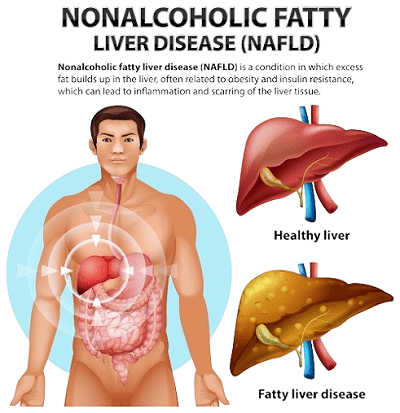
– Fatty Liver Disease – the accumulation of fat within liver cells, often associated with obesity, diabetes, or excessive alcohol intake.
– Hepatitis (A, B, C, D, E) – viral infections that result in liver inflammation and damage.
– Cirrhosis – extensive scarring of the liver due to prolonged injury or disease.
– Liver Cancer – instances of uncontrollable growth of abnormal cells in the liver.
– Genetic or Autoimmune Liver Disorders – conditions such as Wilson’s disease or autoimmune hepatitis.
In essence, liver disease encompasses any disorder that disrupts the liver’s functionality. Early detection is vital, as many liver conditions can be managed or reversed if identified promptly.
Why the Liver Is Critical
Often regarded as the body’s natural filter, the liver is the largest internal organ, executing over 500 crucial functions daily. Without an adequately functioning liver, survival is impossible. Some key functions include: – Detoxification: It removes harmful substances, drugs, and toxins from the bloodstream, maintaining the body’s cleanliness and safety.
– Digestion Aid: It generates bile, a fluid that assists in breaking down fats and nutrient absorption from food.
– Energy Reserve: The liver stores glycogen (a sugar form) and releases it to meet energy demands.
– Metabolism Management: It metabolizes proteins, fats, and carbohydrates vital for bodily functions.
– Storage of Nutrients: The liver holds essential vitamins such as A, D, E, K, and B12, along with minerals like iron and copper.
– Blood Clotting Support: It manufactures proteins necessary for blood coagulation and healing wounds.
Due to its connections to crucial processes, any liver damage can initiate a cascade of health complications, from digestive issues to severe repercussions.
liver dissease symptoms
Interestingly Important Role of the Liver
Think of your liver as your body’s operations hub and maintenance crew, diligently ensuring everything functions well in the background by managing over 500 essential tasks each day.
Here’s a closer look at why your liver is indispensable:
-Natural Cleaner: The liver filters toxins, alcohol, and harmful substances from the blood.
– Digestive Support: It creates bile akin to soap to break down fats and facilitate nutrient absorption.
– Energy Regulator: The liver retains sugar and releases it when your body requires energy.
– Nutrient Vault: It stores crucial vitamins and minerals, including vitamins A, D, E, K, and B12. – Protector of Blood: It ensures proper blood clotting for healing cuts and injuries. In summary, the liver operates like an engine, battery, and filtration system combined; any dysfunction quickly impacts the rest of the body.
Common Symptoms of Liver Disease
One challenging aspect of liver disease is its often silent progression, with early symptoms being mild or overlooked. However, as liver damage increases, significant warning signs may emerge. Here are the most prevalent symptoms associated with liver disease: 1. Early Symptoms – Persistent fatigue or weakness – Decreased appetite – Nausea or mild gastrointestinal distress
2. Digestive Symptoms – Bloating or discomfort in the abdomen (especially the upper right side) – Indigestion or feeling full too soon after meals
3. Visible Symptoms – Jaundice – a yellow tint to the skin and eyes – Dark-colored urine – Pale or clay-colored stool – Persistent itchy skin
4. Advanced Symptoms – Swelling in legs, ankles, or abdomen (fluid retention) – Easy bruising or bleeding – Confusion, memory problems, or difficulty concentrating (due to toxin build-up in the brain) – Unexplained weight loss or muscle atrophy Important Note: While many of these symptoms might relate to other health issues, experiencing multiple symptoms at once—particularly jaundice or unexplained swelling—warrants immediate medical consultation.
Factors Contributing to Liver Disease
Liver disease typically does not appear suddenly; it develops gradually due to various factors inflicting damage on the liver. Some causes are lifestyle-related, while others stem from infections, genetic predispositions, or autoimmune disorders. Common contributors to liver disease include: 1. Excessive Alcohol Consumption – Prolonged alcohol abuse can damage liver cells, resulting in alcoholic liver disease. – This can progress to fatty liver, hepatitis, or cirrhosis.
2. Obesity and Poor Dietary Habits – Being overweight, consuming a high volume of junk food, or having diabetes can lead to non-alcoholic fatty liver disease (NAFLD). – Fat accumulates in the liver, causing inflammation and scarring.
3. Viral Infections – Viruses like Hepatitis A, B, and C impact the liver and induce inflammation. – If left untreated, they can result in chronic liver injury or liver cancer.
4. Autoimmune Disorders – Occasionally, the immune system erroneously attacks the liver, resulting in autoimmune hepatitis. – This condition causes chronic inflammation and scarring.
5. Genetic Conditions – Some individuals inherit disorders such as Wilson’s disease (copper accumulation) or hemochromatosis (excess iron), which harm the liver.
6. Medications and Toxins – Prolonged use of specific medications, supplements, or exposure to harmful substances can endanger liver health.
In summary, lifestyle, dietary choices, infections, and genetics can all contribute to liver disease. Understanding these causes equips you to implement protective measures before significant damage occurs.
Risk Factors to Be Aware Of
Not everyone is at risk for liver disease, but certain factors may elevate your likelihood. Recognizing these factors helps you take proactive steps for liver health. Key risk factors include:
1. Heavy Alcohol Consumption – Excessive or frequent drinking remains a leading cause of liver damage.
2. Obesity and Diabetes – Being overweight, having high cholesterol, or managing diabetes heightens the risk of developing fatty liver disease.
3. Exposure to Viral Hepatitis – Engaging in unprotected sex, sharing needles, or undergoing unsafe blood transfusions can transmit hepatitis B and C.
4.Family History of Liver Disease – If close relatives have genetic disorders like hemochromatosis or Wilson’s disease, your risk may be increased.
5. Long-Term Medication Usage – Certain medications, especially when taken for prolonged periods or at high doses, can burden the liver.
6. Poor Lifestyle Choices – Consuming tobacco, maintaining an unhealthy diet, and lacking physical activity can all contribute to liver issues over time.
Helpful Tip: Even if you feel healthy, having one or more of these risk factors suggests that regular liver health assessments could be beneficial. Early detection can identify potential problems before they escalate.
liver disease
Diagnosing Liver Disease
Liver disease can often remain asymptomatic in its early phases, prompting healthcare professionals to use tests and scans to uncover any underlying issues. If you’re experiencing symptoms or possess risk factors, your physician may suggest the following:
1. Medical History & Physical Examination – The physician will inquire about your lifestyle (alcohol consumption, diet, medications) and your family medical history. – They may evaluate your skin, eyes (looking for jaundice), and check your abdomen for any swelling or tenderness.
2. Blood Tests (Liver Function Tests – LFTs) – These tests assess liver enzymes and proteins present in the blood. – Abnormal readings may indicate liver inflammation, infections, or damage.
3. Imaging Studies – Ultrasounds, CT scans, or MRIs can reveal fat accumulation, scarring, or tumors within the liver.
4. Liver Biopsy – Sometimes, a small sample of liver tissue is extracted with a needle for examination. – This procedure aids in determining the type and severity of liver condition.
5. Specialized Testing – Additional testing for hepatitis viruses, genetic disorders, or autoimmune diseases may also be pursued.
Key Point: If you notice persistent symptoms like jaundice, swelling, or extreme fatigue, don’t hesitate—early diagnosis offers the best chance for effective intervention.
Tips for Preventing Liver Issues and Maintaining a Healthy Liver
The positive aspect is that various liver ailments can be avoided through healthy habits. Caring for your liver doesn’t have to be complex—minor adjustments can significantly enhance its well-being.
Here are some actionable suggestions for maintaining liver health:
1. Limit Alcohol Consumption – Consume alcohol in moderation, or refrain entirely if you have existing liver problems.
2. Adopt a Nutritious Diet – Prioritize fruits, vegetables, whole grains, lean proteins, and healthy fats. – Minimize fried foods, sugary beverages, and processed snacks that may burden the liver.
3. Maintain a Healthy Body Weight – Engage in regular exercise and control portions to prevent fatty liver disease.
4. Get Vaccinated Against Hepatitis – Vaccinations for Hepatitis A and B provide protection against severe infections.
5. Exercise Caution with Medications – Use medications strictly as directed. Overuse of pain relievers, antibiotics, or herbal supplements can be detrimental to liver health.
6. Avoid Harmful Chemicals – Minimize your exposure to toxic substances at home or work, such as certain cleaning products and pesticides.
7. Regular Health Checkups – Especially if you have risk factors, routine liver function assessments can identify issues early.
Key Point: Your liver works tirelessly for your health daily. Safeguard it by eating healthily, staying active, and steering clear of harmful habits. Prevention is always preferable to treatment.
When to Consult a Healthcare Provider
Given that liver disease may begin discreetly, it’s crucial to recognize when symptoms warrant medical attention. Early intervention can avert severe complications.
You should consult a healthcare professional if you experience: – Yellowing of the skin or eyes (jaundice) – Persistent fatigue that doesn’t improve with rest – Unexplained swelling in the legs, ankles, or abdomen – Dark urine or pale stools lasting more than a few days – Frequent nausea, vomiting, or loss of appetite – Unexplained bruising or bleeding – Confusion, memory lapses, or difficulty concentrating (possible indicators of advanced liver disease)
Emergency Alert: If you suddenly experience severe abdominal pain, vomiting blood, or extreme confusion, seek urgent medical attention—these could signal life-threatening liver failure.
Natural Approaches to Enhance Liver Health
In addition to medical treatment and regular health screenings, embracing certain natural practices can significantly bolster liver health.
Consider these liver-friendly natural habits: – Stay Hydrated – Aids the liver in effectively eliminating toxins. – Consume Liver-Supportive Foods – Foods like garlic, leafy greens, turmeric, ginger, green tea, and citrus fruits enhance liver function. – Engage in Regular Exercise – Physical activity prevents fat accumulation in the liver and promotes overall metabolic health. – Limit Consumption of Processed Foods – Steer clear of high sugar, fried items, and packaged snacks that place additional strain on the liver. – Consider Milk Thistle (Herbal Support) – Research indicates milk thistle may help safeguard liver cells and enhance functionality. – Prioritize Sufficient Sleep – Rest allows the liver to recover and rejuvenate.
Note: Natural remedies should not replace medical treatment for liver conditions but can be supplementary lifestyle habits. Always consult a physician before introducing supplements.
Conclusion
Your liver is an immensely hardworking organ, diligently maintaining health by filtering toxins, aiding in digestion, storing nutrients, and regulating energy. However, when it sustains damage, the repercussions can be severe and even life-threatening.
By recognizing the common symptoms and triggers of liver disease, you can take proactive steps to safeguard your liver health. Be alert to warning signals such as jaundice, swelling, and continual fatigue, and do not disregard risk factors like alcohol consumption, obesity, or a familial history of liver issues.
The encouraging news is that numerous liver conditions can be prevented—or effectively managed—via healthy lifestyle choices, early diagnosis, and adequate medical attention. Safeguarding your liver today ensures better health outcomes for tomorrow.
FAQs About Common Symptoms and Causes of Liver Disease
1. What are the earliest indicators of liver disease? Initial signs may include fatigue, decreased appetite, nausea, and mild abdominal discomfort, which are frequently overlooked.
2. How does liver pain present itself? Liver pain is generally felt in the upper right abdomen, often described as a dull ache, pressure, or sharp stabbing sensation.
3. Is liver disease curable? Certain liver conditions, such as fatty liver or hepatitis A, can improve with appropriate treatment and lifestyle modifications. In contrast, conditions like cirrhosis can be managed but not fully reversed.
4. What contributes to fatty liver disease? Key factors include obesity, diabetes, elevated cholesterol levels, and excessive alcohol consumption. Poor dietary habits and insufficient exercise also contribute.
5. How can I assess if my liver is in good shape? Regular health evaluations, along with blood tests (liver function tests) and imaging studies, are the most effective means of monitoring liver status.
6. Can liver disease manifest as skin issues? Yes, symptoms like itchy skin, jaundice, and spider-like blood vessels can be indicative of liver distress.
7. Is liver disease hereditary? Certain types are, such as Wilson’s disease (copper accumulation) and hemochromatosis (iron overload). A family history can elevate risk.
8. Do all liver diseases show symptoms? No, many liver conditions are asymptomatic in their early stages, highlighting the need for regular evaluations for high-risk individuals.
9. Can dietary choices enhance liver health? Absolutely. Incorporating more fruits, vegetables, lean proteins, and whole grains while avoiding alcohol, fried foods, and sugary products can benefit liver function.
10. Which foods are detrimental to liver health? Alcohol, fried and fatty items, processed meats, sugary beverages, and excessive salt can impose stress on the liver.
11. Can liver disease result in weight loss? Yes, in advanced cases, liver disease may lead to unintentional weight loss and muscle wasting.
12. When should I contact a physician regarding liver symptoms? If you notice jaundice, unexplained swelling, dark urine, pale stool, or persistent fatigue, seek medical advice promptly. Severe symptoms like vomiting blood or confusion necessitate emergency care.
About the Author
Ayodele Taiwo is a Nigerian health blogger and researcher who shares evidence-based tips on blood pressure, fertility, weight loss, and healthy living. He created AyHealthWise to provide reliable and easy-to-understand health information for everyday people. 👉 Read more about Ayodele