How to Stay Healthy: 10 Proven Ways to Live a Strong, Balanced, and Disease-Free Life
Introduction
In our rapidly evolving society, maintaining good health is more crucial than ever. With escalating instances of chronic illnesses, stress, and unhealthy habits, many are seeking straightforward and effective strategies to enhance their well-being. But what does it truly mean to be healthy?
Health transcends merely staying free from sickness; it entails a harmonious balance among physical, mental, and emotional wellness. Fortunately, you don’t require expensive treatments or intricate routines to find that balance. Simple, consistent lifestyle adjustments can lead to remarkable improvements.
This thorough guide will unveil effective, practical, and natural methods to maintain your health without breaking the bank.
how to stay healthy
How to Stay Healthy: What Does It Mean to Be Healthy?
Health pertains to achieving comprehensive wellness across various aspects of your life, which include: 1. Physical Health This is about nurturing your body through adequate nutrition, exercise, sleep, and hygiene practices. 2. Mental Health Your mental state plays a vital role in your thoughts, emotions, and behaviors. It’s essential to manage stress and cultivate a positive outlook. 3. Emotional Well-being The ability to navigate your emotions, confront challenges, and sustain fulfilling relationships. 4. Social Health Fostering meaningful connections and nurturing supportive relationships. When all these components are in harmony, you can experience genuine health.
10 Proven Methods to Stay Healthy Naturally
1. Enjoy a Balanced and Nutritious Diet Your dietary choices significantly influence your overall health. Focus on: • Fresh produce • Whole grains (like rice, oats, millet) • Lean proteins (such as fish, eggs, legumes) • Healthy fats (nuts, seeds, and avocados)
Avoid: • Processed items • Excessive sugar • High salt intake • Fried and junk foods Tip: In Nigeria, consider accessible healthy options like beans, vegetables, garri (in moderation), and nutrient-rich local soups.
2. Ensure Daily Hydration Water is vital for all bodily functions. Benefits of consuming adequate water: • Enhances digestion • Eliminates toxins • Increases energy • Promotes healthy skin Recommendation: Aim for 6–8 glasses of water each day, more if you’re active.
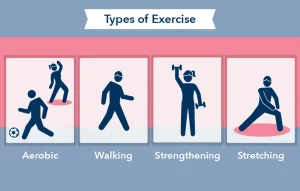
3. Engage in Regular Exercise Physical activity fortifies your body and wards off diseases. Types of exercise include: • Cardio (walking, jogging, skipping) • Strength training (bodyweight exercises) • Flexibility workouts (stretching, yoga) Minimum recommendation: • At least 30 minutes each day or 150 minutes weekly You don’t need a gym—simple workouts at home suffice.
4. Prioritize Quality Sleep Sleep is crucial for maintaining good health and is often neglected. Insufficient sleep may result in: • Weakened immunity • Weight issues • Lack of focus • Heightened stress
Tips for improved sleep: • Aim for 7–9 hours each night • Stay away from screens before bedtime • Keep a regular sleep routine
5. Effectively Manage Stress Long-term stress can have detrimental effects on your health. Common stressors can include: • Job demands • Finances • Personal relationships Effective stress-relief strategies: • Deep breathing exercises • Meditation • Prayer • Listening to calming music • Nature walks
6. Maintain Good Hygiene Proper hygiene is essential for infection and disease prevention. Key practices: • Wash hands frequently • Brush teeth twice a day • Bathe regularly • Keep your living spaces clean
7. Steer Clear of Harmful Habits Certain behaviors can severely harm your health over time. Avoid: • Smoking • Excessive alcohol intake • Substance abuse These can escalate the risk of critical conditions like heart disease, liver issues, and cancer.
8. Achieve and Maintain a Healthy Weight Both being overweight and underweight can bring health complications. To sustain a healthy weight: • Consume balanced meals • Engage in regular exercise • Avoid overeating
9. Schedule Regular Medical Checkups Preventive healthcare is pivotal for your well-being. Regular checkups aid in: • Early disease detection • Health monitoring • Complication prevention
10. Cultivate Strong Social Connections As social beings, relationships greatly influence our health. Advantages of solid relationships: • Reduced stress • Enhanced mental well-being • Longer lifespan Make time to connect with family, friends, and your community.
Tips to stay healthy
A Simple Daily Routine to Stay Healthy
Morning Routine • Drink water upon waking • Engage in light stretching or exercise • Enjoy a nutritious breakfast
Afternoon Routine • Have a balanced lunch • Keep hydrated • Take brief walks
Evening Routine • Consume a light dinner • Relax and unwind • Aim for early sleep
Best Foods to Stay Healthy
Integrate these foods into your daily meals: 1. Leafy Greens Spinach, ugu, and bitter leaf are loaded with vitamins. 2. Fruits Oranges, bananas, apples, and pawpaw can strengthen immunity. 3. Whole Grains Brown rice, oats, and millet supply energy. 4. Protein Sources Beans, fish, eggs, and chicken promote muscle growth. 5. Nuts and Seeds Groundnuts and seeds deliver healthy fats.
Common Mistakes That May Harm Your Health (And How to Avoid Them)
Maintaining your health isn’t only about making the right choices—it also involves avoiding detrimental habits. Many people unknowingly jeopardize their health with seemingly trivial daily routines that could result in significant long-term issues. Here are prevalent health errors and how to correct them.
1. Regularly Skipping Meals Omitting meals, particularly breakfast, can disrupt your metabolism and result in low energy. Why it’s detrimental: • Causes fatigue and impaired concentration • Often leads to overeating later • Can decelerate metabolism
Alternatives: • Aim for 2–3 balanced meals daily • Include protein, fiber, and healthy fats
2. Inadequate Water Intake Many disregard the importance of staying hydrated. Consequences of dehydration: • Headaches • Digestive issues • Low energy • Poor skin condition
Solution: • Strive for 6–8 glasses of water daily • Increase intake during workouts or hot climates
3. Consuming Excessive Junk and Processed Foods Fast food and sugary snacks are convenient but harmful when frequently consumed. Potential risks: • Weight gain • Higher chances of diabetes • Heart disease Healthier alternatives: • Swap junk food for fruits, nuts, and home-cooked dishes
4. Leading a Sedentary Lifestyle Prolonged sitting without movement can adversely impact your health. Risks include: • Obesity • Poor circulation • Back discomfort
Solution: • Stand, stretch, or walk every 30–60 minutes • Integrate at least 30 minutes of daily physical activity
5. Inadequate Sleep Sleep deprivation is a silent health hazard. Outcomes: • Weakened immunity • Mood fluctuations • Decreased productivity Healthy practice: • Aim for 7–9 hours of sleep each night • Keep a consistent sleep schedule
6. Neglecting Mental Health Mental health is equally as vital as physical health. Signs to watch for: • Ongoing stress • Anxiety or feelings of depression • Burnout
Approaches: • Take intentional breaks • Share feelings with a trusted individual • Employ relaxation techniques
7. Excessive Alcohol Consumption or Smoking These behaviors elevate the risk for serious health conditions. Health threats include: • Liver disorders • Lung diseases • Cancer
Best course of action: • Quit smoking • Limit or abstain from alcohol
8. Self-Medicating Without Guidance Taking medication without professional advice can be harmful. Risks involve: • Incorrect diagnoses • Drug resistance • Unwanted side effects Advice: • Always seek guidance from a qualified healthcare provider
9. Disregarding Initial Symptoms of Illness Too many individuals delay seeking help until conditions worsen. Common signs often overlooked: • Persistent pain • Notable lumps • Sudden weight changes
Better strategy: • Be attentive to your body’s signals • Seek prompt medical attention
10. Neglecting Hygiene Practices Poor hygiene increases your susceptibility to illness. Examples include: • Infrequent hand washing • Inadequate oral hygiene • Dirty surroundings
Prevention strategy: • Follow daily hygiene protocols • Keep your living environment clean
Final Thoughts By steering clear of these common pitfalls, you can greatly enhance your health and overall quality of life. Remember, small everyday habits—whether positive or negative—shape your long-term health trajectory.
How to Maintain Good Health on a Budget: Practical Tips for Thriving While Spending Less
Many individuals assume that maintaining good health involves pricey foods, gym fees, and expensive supplements. In reality, you can achieve impressive health without straining your finances. With effective strategies, commitment, and wise decisions, you can cultivate a healthy lifestyle even with limited resources.
how to stay healthy without spending money
Why Achieving Good Health Doesn’t Have to Be Costly
Health hinges more on consistent habits than on high expenditure. Simple daily practices such as consuming whole foods, remaining active, and ensuring adequate rest create a more substantial impact than pricey products.
1. Opt for Affordable, Nutritious Local Produce Healthy eating doesn’t entail gourmet or costly items. Plenty of local produce is nutrient-dense and easy on the wallet.
Examples of budget-friendly healthy options: • Beans (high in protein and fiber) • Rice (preferably whole grain and consumed in moderation) • Yam and sweet potatoes • Vegetables (like ugu, spinach, okra) • Fruits (such as bananas, oranges, and pawpaw) • Eggs (affordable and nutrient-rich) Pro Tip: Purchase in bulk and prepare meals at home to maximize savings.
2. Prepare Your Own Meals Frequent dining out can quickly drain your budget and expose you to unhealthy additives. Advantages of home cooking: •Better portion management • Healthier ingredients • Cost savings *Simple Idea: Batch-cook to minimize daily meal prep stress.
3. Opt for Water Over Sugary Beverages Soft drinks and pre-packaged juices are not only unhealthy but can also add up in cost over time. Reasons to choose water: • Free (unlike soda) • Keeps you well-hydrated • Aids digestion and detox Tip: Carry a reusable water bottle to reduce the temptation of purchasing drinks.
4. Stay Active Without a Gym Membership A gym isn’t a necessity for staying fit. Cost-free ways to maintain activity: • Walking or jogging • Skipping rope • Home exercises (like push-ups, squats, and planks) • Dancing Goal: Aim for a minimum of 30 minutes of activity each day.
5. Emphasize Preventive Health Care Preventing health issues is typically cheaper than treating them. Inexpensive prevention strategies: • Maintain good personal hygiene • Eat well-balanced meals • Ensure adequate sleep • Schedule routine checkups when feasible
6. Get Sufficient Sleep (It’s Free!) Sleep ranks among the most effective and cost-free health resources. Benefits of quality sleep: • Boosts your immune system • Enhances mental health • Increases productivity *Aim: Target 7–9 hours each night.
7. Manage Stress on a Budget You don’t need pricy therapy sessions to reduce stress. Free stress-relief techniques: • Deep breathing exercises • Mindfulness or prayer • Listening to music • Spending time with friends and family
8. Eliminate Expensive Unhealthy Habits Certain unhealthy behaviors compromise both your health and finances. Habits to steer clear of: • Smoking • Excessive alcohol • Junk food dependency Cutting these out not only saves money but also significantly boosts your health.
9. Utilize Simple Natural Remedies You don’t necessarily need costly medications for minor ailments. Examples: • Ginger tea for digestive issues • Warm salt water for sore throats • Garlic for immune support (Note: Always seek professional advice for serious conditions.)
10. Plan Meals and Budget Smartly Planning can help avert needless expenses. Strategies: • Develop a weekly meal outline • Shop with a pre-set list • Avoid impulse purchases
Balanced diet tips
An Example Daily Healthy Budget Routine
Morning: • Hydrate with water • Engage in light exercise • Have a simple breakfast (like eggs and fruit)
Afternoon: • Enjoy a homemade meal (rice with veggies and protein) • Stay hydrated
Evening: • Eat a light dinner • Engage in relaxation • Head to bed early
Common Missteps to Avoid When Staying Healthy on a Budget
• Assuming healthy food is always pricey • Skipping meals to save money • Relying on cheap junk options • Overlooking the importance of exercise
Final Insights Being healthy on a budget is entirely achievable. It’s about making smart, regular choices day by day. You don’t require pricey diets or gym memberships—just: • Consume simple, wholesome foods • Maintain regular activity • Sleep adequately • Steer clear of detrimental habits Your health matters greatly—nurture it wisely, regardless of your budget.
how to stay healthy naturally at home
Frequently Asked Questions (FAQs) About Maintaining Health
1. What’s the easiest way to stay healthy? Focus on core aspects: eat nutritious foods, drink plenty of water, exercise regularly, enjoy quality sleep, and manage stress effectively. Consistency matters more than perfection.
2. How can I maintain health at home naturally? Stay healthy at home by cooking meals, exercising regularly (including simple workouts), hydrating well, promoting good hygiene, and securing ample rest.
3. How much daily exercise is needed for good health? Experts suggest at least 30 minutes of moderate activity daily or 150 minutes weekly. Walking, jogging, and home workouts are great options.
4. What foods contribute to strength and wellness? Healthy food choices include: • Fruits and vegetables • Whole grains • Lean proteins (such as fish, eggs, and beans) • Healthy fats (like nuts and seeds) These are vital for your body’s nutritional needs.
5. How can I naturally improve my immune system? To enhance immunity: • Eat nutrient-dense foods • Aim for 7–9 hours of nightly sleep • Exercise regularly • Manage stress • Stay hydrated
6. Is it possible to be healthy without a gym? Absolutely! Activities such as walking, running, skipping rope, and bodyweight exercises can maintain your fitness levels effectively.
7. How crucial is sleep for health? Sleep is essential. Insufficient rest can weaken immunity, affect mood, and decrease productivity. Aim for 7–9 hours of restorative sleep nightly.
8. What are signs of an unhealthy lifestyle? Common indicators include: • Constant fatigue • Frequent illnesses • Poor sleep patterns • Weight fluctuations • Stress and emotional instability
9. How can I stay healthy while budget-conscious? Maintain good health on a budget by: • Choosing local, affordable foods • Cooking your meals • Exercising without gym costs • Preferring water over sugary drinks
10. How often should I have medical checkups? It’s advisable to get a general health check at least once a year, or more often if you have pre-existing health conditions.
11. Is hydration really that vital? Yes, water is crucial for digestion, circulation, temperature regulation, and overall wellness. Dehydration can lead to significant health issues.
12. What daily habits quickly advance overall health? Effective habits that impact health significantly include: • Drinking water in the morning • Eating balanced meals • Staying active • Prioritizing consistent sleep • Avoiding harmful substances
Conclusion
Maintaining health is not about complex routines, expensive items, or drastic life changes. It centers on straightforward, regular habits executed daily. By emphasizing foundational elements—consuming nutritious foods, staying active, hydrating properly, securing quality sleep, and managing stress—you can establish a solid health foundation for the long haul.
It’s equally crucial to sidestep common pitfalls like skipping meals, relying on junk food, neglecting exercise, and dismissing early wellness warning signs. Remember that your day-to-day choices—no matter how minute—play a critical role in shaping your holistic health.
The best news? You don’t need substantial funds to lead a healthy lifestyle. With effective planning and commitment, you can stay fit even on a budget. Start where you are, make gradual improvements, and remain consistent. Your health is your most valuable asset—invest in it, safeguard it, and always appreciate its worth.
Originally posted 2026-04-16 13:38:50.
How to Stay Healthy: 10 Proven Tips for a Better Life