What Does Measles Rash Look Like? Real Photos and Symptoms Explained
Introduction
Measles is one of the most contagious viral illnesses globally, and one of its most identifiable signs is the bright red rash that can cover the body. But what does a measles rash truly look like, and how can you differentiate it from other prevalent skin rashes like chickenpox, rubella, or allergic reactions?
Recognizing the characteristics and progression of the measles rash is vital for early diagnosis, prompt medical intervention, and curbing the disease’s transmission, particularly among children and unvaccinated populations who are at higher risk.
In this guide, we will thoroughly describe the appearance of the measles rash, outline its stages with authentic photo references, and highlight the accompanying common symptoms. Whether you are a parent, a caregiver, or simply interested in understanding how measles manifests, this article will provide valuable insights on what to observe and when to consult healthcare professionals.
What Is Measles?
Measles is a highly contagious viral disease caused by the measles virus (Morbillivirus). It is among the most easily transmitted infections worldwide—so contagious that if one individual contracts measles, as many as 90% of close contacts who aren’t immune will likely become infected.
The virus is airborne; it spreads when an infected person coughs, sneezes, or talks, releasing minuscule droplets that can remain suspended in the air. You can also contract measles by touching surfaces contaminated with the virus and then touching your eyes, nose, or mouth.
While measles was historically a major cause of childhood morbidity and mortality, the broad use of the MMR (measles, mumps, rubella) vaccine has significantly reduced the incidence globally. Nevertheless, outbreaks continue to arise in communities with low vaccination coverage.

Key Facts About Measles:
– Caused by a virus (not bacteria).
– Highly contagious and spreads rapidly.
– Primarily affects children, though unvaccinated adults are also vulnerable.
– Identified by its typical red rash, alongside symptoms like fever, cough, runny nose, and red eyes.
– Can lead to severe complications such as pneumonia, ear infections, or even encephalitis.
Early Symptoms of Measles Before the Rash Appears
Before the appearance of the characteristic red rash, measles generally begins with flu-like symptoms that can easily be confused with a common cold. These initial symptoms typically manifest 7–14 days following exposure to the virus and can persist for several days.
Common early symptoms include:
– High fever (often exceeding 38.5°C / 101.3°F).
– Dry, persistent cough.
– Runny nose (coryza) similar to a cold.
– Red, watery eyes (conjunctivitis), with possible itching and sensitivity to light.
Collectively, these signs are often called the “3 Cs” of measles: Cough, Coryza, and Conjunctivitis.
A notable early indicator is the emergence of Koplik’s spots—tiny white or bluish spots with a red base located inside the mouth, usually on the inner cheeks. These appear 1–2 days prior to the rash and are considered a classic sign of measles.
Timeline of early measles symptoms:
1. Days 1–2: Fever, cough, runny nose, sore throat.
2. Days 2–4: Red, watery eyes and increasing fever.
3. Days 3–4: Koplik’s spots manifest in the mouth.
4. Days 4–5: The red measles rash emerges, typically starting on the face.
Identifying these initial signs is crucial, as individuals are highly contagious even before the rash appears, making early isolation and medical care essential to prevent spread.
What Does the Measles Rash Look Like?
The measles rash is the most recognizable characteristic of the illness and a key factor in diagnosis. Unlike many other childhood rashes, the measles rash has a distinct pattern of appearance and distribution.
Characteristics of the rash:
– Starts as flat red spots (macules) that may occasionally be slightly raised.
– Spots are typically small, densely packed, and merge as the rash develops.
– The rash may feel somewhat bumpy upon touch.
– In severe cases, it may cover large body areas in a “sheet-like” manner.
Rash Appearance and Spread:
1. Initially appears on the face and behind the ears.
2. Within 24–36 hours, the rash moves to the neck, torso, and arms.
3. By day 3, the rash generally extends to the entire body, including the legs and feet.
Color and progression:
– Starts bright red, which then gradually deepens.
– As the rash fades (typically after 5–7 days), the skin may peel slightly where the spots were.
READ ALSO: Type 1 vs Type 2 Diabetes Treatment Options: Which Works Best for You.
Differentiation from other rashes:
– Chickenpox: Rash consists of red spots evolving into fluid-filled blisters, not flat spots.
– Rubella (German measles): Rash appears lighter pink and resolves faster, usually within 3 days.
– Allergic rash: Typically itchy and lacks the distinct spread pattern.
The measles rash is generally accompanied by high fever and other symptoms (cough, runny nose, red eyes), further indicating measles rather than other conditions.
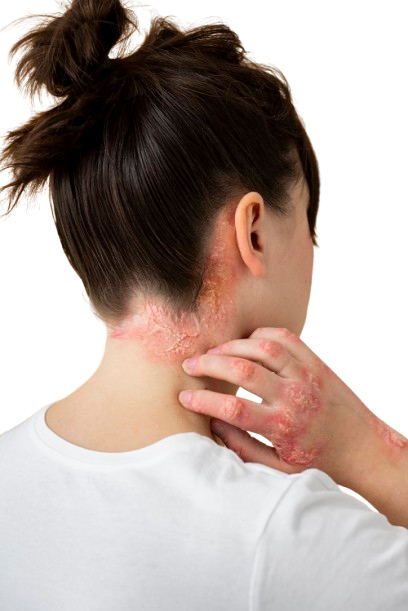
Stages of Measles Rash (With Photos)
The measles rash develops through clear stages, facilitating recognition and differentiation from other skin disorders. While images can be a great reference (you can use licensed medical photos or embed links from reliable health resources), here’s a succinct description of the rash’s progression:
Stage 1: Initial Rash on Face and Neck
– Rash typically arises 3–5 days post the first symptoms (fever, cough, runny nose, red eyes).
– Small flat red spots appear near the hairline, behind the ears, and on the upper neck.
– Rash rapidly descends downward within hours.
Stage 2: Rash Spreads to Trunk and Arms
– Within 24–48 hours, the rash spreads from the face to the chest, back, and upper arms.
– Spots may begin to merge, creating larger blotches.
– Fever may spike during this phase (sometimes reaching 40°C / 104°F).
Stage 3: Rash Extends to Legs and Feet
– By the third day, the rash has usually spread to include the legs, thighs, and feet.
– The rash reaches its most extensive and intense form during this stage.
– Patients often feel extremely unwell at this time.
Stage 4: Rash Fades and Recovery Initiates
– After approximately 5–7 days, the rash starts to fade in the reverse order of its appearance—beginning at the face and moving downward.
– The skin may exhibit a brownish appearance and can peel slightly as healing occurs.
– Fever and other symptoms generally improve as the rash resolves.
READ ALSO: How to Lose Weight Fast With 10 Powerful Tips.
Important Note: The rash itself is usually not itchy in most cases, in contrast to allergic rashes. The key identifiers are the spread pattern (face → trunk → legs) and accompanying symptoms (high fever, cough, runny nose, red eyes).
How Long Does the Measles Rash Last?
The measles rash does not appear immediately; it generally shows up 3–5 days after initial symptoms (fever, cough, runny nose, red eyes). Once it appears, it follows a consistent timeline:
1. Rash Onset
– Begins on the face and behind the ears, then spreads downward.
– Generally appears around days 4–5 of illness.
2. Peak Rash Stage
– By day 3 of the rash, it usually encompasses the entire body.
– The rash is most vibrant and widespread during this period.
– Fever often elevates in conjunction with the rash.
RAD ALSO: 7 Proven Ways to Treat Jaundice In Newborns Every Parent Should Know
3. Rash Fading
– After around 5–7 days, the rash begins to fade in the order it originally appeared—starting from the face and then progressing down the body.
– The fading may result in brownish discoloration or slight skin peeling as it heals.
Total Duration:
– The measles rash typically lasts roughly 6–7 days from its first appearance to complete fading.
– Other symptoms like fever and fatigue may linger for 1–2 weeks overall.
Key Takeaway: If a rash emerges suddenly, spreads rapidly from the face downward, and persists for about a week amid fever and cold-like symptoms, it is a strong indication of measles.
Measles Symptoms That Accompany the Rash
While the red rash is the hallmark symptom of measles, it rarely appears in isolation. The rash typically emerges alongside several systemic symptoms that reflect the body’s immune response to the virus. Identifying these additional signs can help differentiate measles from other conditions that cause rashes.
1. High Fever
– The fever may begin mildly but can escalate significantly, reaching 39–40°C (102–104°F) in some cases.
– It generally peaks when the rash is most extensive.
2. Severe Fatigue
– Patients often report feeling extremely weak and fatigued.
– Energy levels may stay low even as the rash starts to diminish.
3. Cough
– A dry, persistent cough is prevalent and may intensify as the illness advances.
4. Runny Nose and Sore Throat
– The nose tends to run continuously, reminiscent of cold symptoms.
– The throat often feels sore and irritated.
5. Red, Watery Eyes (Conjunctivitis)
– Eyes may appear red, itchy, and sensitive to light (photophobia).
– Some individuals may also feel eye discomfort.
READ ALSO: 7 Shocking Facts About Squint Eyes In Children
6. Swollen Lymph Nodes
– In certain cases, lymph nodes in the neck may become swollen.
7. Loss of Appetite
– Patients, particularly children, might refuse to eat due to discomfort and fever.
8. General Body Aches
– Headaches, joint aches, and muscle pain may accompany the infection.
Important Note: In severe instances, measles can lead to complications such as ear infections, diarrhea, pneumonia, and—in rare cases—encephalitis (swelling of the brain). These complications are more common in young children, malnourished individuals, and those who are unvaccinated.

When to See a Doctor
Most measles cases follow a predictable path, but sometimes the infection can escalate into serious or life-threatening conditions, particularly for young children, pregnant women, and immunocompromised individuals. Knowing when to seek medical attention can be crucial.
You should reach out to a doctor immediately if:
– The fever is exceedingly high (over 40°C / 104°F).
– The child or adult appears very drowsy, unresponsive, or overly irritable.
– There are signs of respiratory distress, such as rapid breathing, wheezing, or chest discomfort.
– The patient exhibits signs of severe dehydration (dry mouth, no tears when crying, few or no wet diapers in infants).
– Seizures, confusion, or a stiff neck arise (potential indicators of brain inflammation).
– The rash appears unusual, spreads more rapidly than anticipated, or is accompanied by bleeding or bruising.
– The patient has underlying chronic health issues that could aggravate measles.
Why Medical Care is Urgent:
– Measles can lead to serious complications including pneumonia, ear infections, diarrhea, and encephalitis (brain swelling).
– Pregnant women with measles face a heightened risk of miscarriage, premature birth, or low-birth-weight infants.
– Children under age 5 and adults over 20 are particularly vulnerable to severe illness.
Key Takeaway: If you suspect measles—especially with symptoms like a spreading rash, high fever, and breathing difficulties—seek medical help immediately. Early diagnosis can prevent complications and limit transmission to others.
Prevention and Treatment
Currently, there is no specific treatment for measles, but it can be managed with supportive care and, crucially, avoided through vaccination. Here’s what to keep in mind:
1. Prevention: The Best Protection
– MMR Vaccine (Measles, Mumps, Rubella):
– The most effective means of preventing measles.
– Typically administered in two doses: the first at 9–12 months and the second between 15–18 months (specific schedules may vary by country).
– Provides lifelong immunity in most individuals.
– Herd Immunity:7 Treatment for Stroke: Effective Options for Recovery And Prevention
– When at least 95% of the population is vaccinated, the occurrence of measles outbreaks significantly decreases.
READ ALSO:
– Avoiding Exposure:
– Stay clear of individuals exhibiting signs of measles if you are unvaccinated.
– Maintain good hygiene—cover your mouth when coughing or sneezing and wash your hands frequently.
2. Supportive Treatment for Measles
Although there is no antiviral medication specifically for measles, symptoms can be managed to enhance patient comfort and minimize complications.
– Rest: The body requires ample rest to combat the infection.
– Hydration: Consuming fluids regularly is crucial to prevent dehydration, especially during a high fever.
– Fever Management: Use antipyretic medications (such as acetaminophen or ibuprofen). Aspirin should never be administered to children due to the risk of Reye’s syndrome.
– Nutrition: A nutritious diet supports recovery. In children, Vitamin A supplements are often endorsed by the World Health Organization (WHO) to mitigate the risk of severe complications.
– Humidifier or Steam: These can soothe cough and throat discomfort.
– Eye Care: Wearing sunglasses or using dim lighting may help alleviate light sensitivity associated with conjunctivitis.
3. Hospital Care (For Severe Cases)
In critical situations, hospitalization might be necessary to address complications, such as:
– Pneumonia (treated with antibiotics if bacterial).
– Severe dehydration (managed with IV fluids).
– Brain inflammation (encephalitis): Requires immediate medical attention.
Key Takeaway: Though measles can be distressing and hazardous, it is nearly fully preventable with the MMR vaccine. For those who contract it, supportive care, well-balanced nutrition, and hydration typically facilitate full recovery—though medical monitoring is essential, especially for children and at-risk populations.
How to Differentiate Measles Rash from Other Common Rashes
Numerous illnesses can trigger skin rashes, making it easy to misidentify measles. Here’s a quick reference guide:
1. Measles Rash
– Begins on the face and behind the ears.
– Spreads downwards to the trunk, arms, and legs.
– Displays red, flat spots that may blend.
– Lasts 5–7 days.
2. Chickenpox Rash
– Starts on the chest, back, or face.
– Red spots evolve into itchy, fluid-filled blisters.
– The rash appears in waves (new spots develop constantly).
– Lasts 7–10 days.
3. Rubella (German Measles) Rash
– A lighter pink rash that is less vivid than measles.
– Spreads quickly but usually fades within 3 days.
– Often mild, sometimes unnoticed.
4. Allergic Rash (Hives)
– Features raised, red, itchy bumps.
– Can occur anywhere on the body.
– Often resolves within hours or days.
5. Heat Rash
– Small red bumps, often itchy or prickly.
– It typically appears in sweating areas (like the neck, chest, and back).
– Quickly fades with cooling and proper hygiene.
READ ALSO: Impetigo Pictures: 3 Stages You Should Know
Key Tip: If the rash is non-itchy, starts on the face, spreads downwards, and is accompanied by fever and cold-like symptoms, it is most likely measles.
Frequently Asked Questions About Measles Rash
1. How do I distinguish measles rash from chickenpox?
· Measles rash begins as flat red spots on the face and descends downwards, whereas chickenpox starts with red bumps that develop into itchy, fluid-filled blisters in stages.
2. Is the measles rash itchy?
· Measles rash typically does not itch, in contrast to allergic rashes or chickenpox. However, some individuals may experience mild skin irritation.
3. Can adults experience measles rash as well?
· Absolutely. Although measles primarily affects children, unvaccinated adults can also contract it, frequently experiencing more intense symptoms and an increased risk of complications.
4. When does the rash appear after exposure?
· The rash generally appears 10–14 days following exposure, typically after flu-like symptoms such as fever, cough, and conjunctivitis.
5. Can vaccinated individuals still develop measles rash?
· In rare cases, yes. The MMR vaccine is around 97% effective after two doses, but vaccinated individuals may still contract a milder version of measles.
6. Is measles rash contagious?
· Yes, measles is contagious before the onset of the rash and continues to be so for about 4 days after it appears.
7. Will measles rashes leave scars?
· No, measles rash generally fades without leaving scars, though there may be slight peeling or a brownish tint as it heals.
8. What’s the initial indicator that the rash is measles?
· The rash usually starts on the face and behind the ears before spreading downward—this is a notable characteristic that helps to distinguish it from other rashes.
9. What is the duration of the measles rash?
· The rash typically lasts 6–7 days, fading in the reverse order of its appearance (face first, then trunk, and subsequently legs).
10. Can measles rash be managed at home?
· Yes, supportive measures like rest, hydration, fever management, and Vitamin A (in children) can help. However, consulting a healthcare professional is crucial, especially if complications arise.
11. Is measles a threat during pregnancy?
· Yes. Measles during pregnancy can elevate the risk of miscarriage, preterm birth, or delivering babies with low birth weight.
12. What’s the best way to completely prevent measles rash?
· The most effective prevention method is the MMR vaccine, which offers robust and enduring protection against measles.
Conclusion
The measles rash serves as a prominent warning sign for this highly contagious disease. It usually begins on the face and behind the ears, progressively spreading down the body over several days. In addition to the rash, symptoms such as high fever, cough, runny nose, red eyes, and fatigue make measles recognizable when you know the signs.
Although the rash may disappear within a week, measles can lead to severe complications, particularly among children, unvaccinated adults, and those with compromised immune systems. Therefore, early detection, medical intervention, and prevention are key.
The MMR vaccine remains the best defense to protect yourself, your loved ones, and your community from measles. If you suspect you have measles—especially if a spreading rash is accompanied by fever and cold-like symptoms—seek medical attention promptly to achieve the best outcome and prevent further transmission.
READ ALSO: 7 Common Liver Disease Symptoms And Causes: Early Warning Signs Explained
By staying informed and proactive, you can play a vital role in stopping the spread of measles and protecting your health.
About the Author

Ayodele Taiwo is a Nigerian health blogger and researcher who shares evidence-based tips on blood pressure, fertility, weight loss, and healthy living. He created AyHealthWise to provide reliable and easy-to-understand health information for everyday people.
👉 Read more about Ayodele
Watch, comment, and subscribe to our YouTube Channel https://www.youtube.com/@homecurestv1821
Originally posted 2025-08-25 13:07:17.