HIV/AIDS Explained: Causes, Transmission, Prevention, and Treatment
Introduction
Human Immunodeficiency Virus (HIV) and Acquired Immunodeficiency Syndrome (AIDS) have affected millions of people worldwide for decades. Although remarkable advances in medicine have transformed HIV from a life-threatening diagnosis into a manageable chronic condition, misinformation and stigma continue to surround the disease.
Many people still have questions about how HIV spreads, what symptoms it causes, how it is diagnosed, and whether effective treatments exist. Understanding the facts about HIV/AIDS is essential not only for protecting your own health but also for supporting those living with the condition.
Today, people diagnosed with HIV who receive proper treatment can live long, healthy, and productive lives. Early testing, prompt treatment, and effective prevention strategies have significantly reduced the impact of HIV in many parts of the world.
In this comprehensive guide, you’ll learn:
What HIV and AIDS are
The causes of HIV infection
How HIV is transmitted
Common symptoms and stages of infection
Available testing methods
Prevention strategies
Modern treatment options
Tips for living a healthy life with HIV
By understanding HIV/AIDS, individuals can make informed decisions, reduce their risk of infection, and help combat stigma through education and awareness.
early signs of HIV
What Is HIV/AIDS?
Although the terms HIV and AIDS are often used together, they are not the same thing.
Understanding HIV
HIV stands for Human Immunodeficiency Virus. It is a virus that attacks the body’s immune system, specifically targeting CD4 cells, also known as T-helper cells.
These cells play a crucial role in helping the body fight infections and diseases. When HIV enters the body, it gradually destroys these cells, weakening the immune system over time.
Without treatment, HIV can multiply and spread throughout the body, making it increasingly difficult for the immune system to defend against infections and certain cancers.
Key facts about HIV include:
HIV is a virus that attacks the immune system.
It primarily targets CD4 T-cells.
HIV can remain in the body for years without causing noticeable symptoms.
There is currently no cure, but effective treatment is available.
Understanding AIDS
AIDS stands for Acquired Immunodeficiency Syndrome. It is the most advanced stage of HIV infection.
A person is diagnosed with AIDS when HIV has severely damaged the immune system, often resulting in a very low CD4 cell count or the development of certain opportunistic infections and cancers.
These infections take advantage of the weakened immune system and can become life-threatening if left untreated.
Examples include:
Tuberculosis (TB)
Pneumocystis pneumonia (PCP)
Severe fungal infections
Certain forms of cancer
Importantly, not everyone with HIV develops AIDS. Modern antiretroviral treatment can prevent HIV from progressing to AIDS in most cases.
Difference Between HIV and AIDS
Understanding the distinction between HIV and AIDS is important:
HIV
AIDS
A virus that attacks the immune system
The most advanced stage of HIV infection
May not cause symptoms for years
Causes severe immune deficiency
Can be managed with treatment
Develops when HIV remains untreated or poorly controlled
People with HIV can live long, healthy lives
AIDS significantly increases the risk of serious illness
Simply put, HIV is the virus, while AIDS is a condition that may develop if HIV is not properly treated.
Can Someone Have HIV Without Developing AIDS?
Yes.
Thanks to modern antiretroviral therapy (ART), many people living with HIV never develop AIDS. When treatment begins early and medications are taken consistently, the virus can be suppressed to extremely low levels.
This allows the immune system to remain strong and continue functioning normally.
As a result, many individuals living with HIV today have life expectancies that are close to those of people without the virus.
The History of HIV/AIDS
Understanding the history of HIV/AIDS provides insight into how far medical science has progressed and why continued awareness remains important.
Discovery of HIV
The first recognized cases of AIDS were reported in the United States in 1981 when doctors noticed unusual infections occurring in previously healthy young adults.
Scientists worked quickly to identify the cause.
In 1983, researchers discovered the virus responsible for the disease, later named Human Immunodeficiency Virus (HIV).
This discovery marked a turning point in understanding and combating the epidemic.
How the Epidemic Spread Globally
During the 1980s and early 1990s, HIV spread rapidly across the world.
Many factors contributed to its global expansion, including:
Limited public awareness
Lack of effective testing methods
Absence of treatment options
Social stigma surrounding the disease
Millions of people became infected before effective prevention and treatment programs were established.
Countries in sub-Saharan Africa experienced particularly high infection rates, making HIV/AIDS one of the most significant public health challenges in modern history.
HIV treatment
Advances in HIV Treatment
The introduction of antiretroviral therapy in the mid-1990s revolutionised HIV care.
Before ART became available, HIV infection frequently progressed to AIDS and resulted in death.
Today, treatment can:
Suppress viral replication
Protect the immune system
Prevent progression to AIDS
Reduce HIV transmission
Improve life expectancy
Modern HIV medications are safer, more effective, and easier to take than earlier treatment options.
Many patients now manage HIV with just one pill per day.
Current Outlook for People Living with HIV
The outlook for people living with HIV has improved dramatically.
With proper treatment:
Viral load can become undetectable.
The risk of transmitting HIV can be greatly reduced.
Life expectancy can approach normal levels.
Individuals can work, marry, and have children safely.
Although HIV remains a serious medical condition, advances in science have transformed it from a fatal disease into a manageable chronic illness for millions of people worldwide.
What Causes HIV/AIDS?
Understanding the cause of HIV/AIDS is essential for preventing infection and protecting public health. HIV is caused by a specific virus that attacks the immune system and gradually weakens the body’s ability to fight infections.
The Virus Behind HIV
HIV, or Human Immunodeficiency Virus, belongs to a group of viruses known as retroviruses. Unlike many other viruses, HIV inserts its genetic material into human cells and uses those cells to reproduce.
Once inside the body, HIV targets CD4 T-cells, which are vital components of the immune system. Over time, the virus destroys these cells, making it harder for the body to defend itself against infections and diseases.
If left untreated, HIV continues multiplying and eventually causes severe immune system damage, which can progress to AIDS.
HIV-1 vs. HIV-2
There are two main types of HIV:
HIV-1
The most common type worldwide
Responsible for the majority of HIV infections
More easily transmitted
Progresses faster if untreated
HIV-2
Less common globally
Found mainly in parts of West Africa
Generally progresses more slowly
Less easily transmitted than HIV-1
Both types can lead to AIDS if not properly treated.
How HIV Enters the Body
HIV enters the body through specific bodily fluids from an infected person.
These fluids include:
Blood
Semen
Pre-seminal fluid
Vaginal fluids
Rectal fluids
Breast milk
The virus can enter through:
Mucous membranes
Open wounds or cuts
Direct injection into the bloodstream
Mother-to-child transmission during pregnancy, childbirth, or breastfeeding
Once inside the body, HIV begins attacking immune cells and replicating rapidly.
How HIV Damages the Immune System
After infection, HIV:
Enters CD4 cells.
Uses the cells to make copies of itself.
Destroys infected CD4 cells.
Spreads to other healthy immune cells.
Over time, the number of CD4 cells decreases significantly.
As CD4 counts fall, the body’s ability to fight infections weakens, making the individual more vulnerable to illnesses that a healthy immune system would normally control.
Risk Factors for HIV Infection
Anyone can become infected with HIV, but certain behaviors and situations increase the risk.
Unprotected Sexual Intercourse
Having vaginal or anal sex without condoms increases the likelihood of HIV transmission.
The risk is higher when:
Condoms are not used consistently.
One partner has untreated HIV.
Other sexually transmitted infections (STIs) are present.
Multiple Sexual Partners
Having multiple sexual partners can increase exposure risk, especially if HIV status is unknown.
Sharing Needles or Syringes
People who share needles for:
Drug use
Tattooing
Piercing
may be exposed to infected blood and HIV transmission.
Exposure to Infected Blood
Although blood screening has significantly improved safety, HIV can still be transmitted through exposure to infected blood in certain situations.
Mother-to-Child Transmission
Without proper medical intervention, HIV can be passed from mother to child:
During pregnancy
During labor and delivery
Through breastfeeding
Fortunately, modern treatment greatly reduces this risk.
How Is HIV Transmitted?
HIV transmission occurs when infected bodily fluids enter another person’s bloodstream or mucous membranes.
Understanding how HIV spreads helps individuals take effective preventive measures.
HIV transmission
Common Ways HIV Spreads
1. Sexual Transmission
Sexual contact remains the most common method of HIV transmission worldwide.
Vaginal Sex
HIV can be transmitted during vaginal intercourse when infected bodily fluids enter the partner’s body.
Risk increases when:
Condoms are not used.
One partner has a high viral load.
Other STIs are present.
Anal Sex
Anal sex carries a higher transmission risk because the lining of the rectum is delicate and can develop small tears that allow the virus to enter the bloodstream.
Oral Sex
The risk of HIV transmission through oral sex is generally lower than vaginal or anal sex.
However, transmission may still occur if:
There are open sores in the mouth.
Gums are bleeding.
Infected fluids come into contact with damaged tissue.
2. Blood Transmission
HIV can spread through direct contact with infected blood.
Examples include:
Sharing Needles and Syringes
Sharing injection equipment can transfer infected blood from one person to another.
Unsafe Medical Procedures
Poorly sterilised medical equipment may transmit HIV if contaminated with infected blood.
Blood Transfusions
In countries with strict blood screening systems, the risk is extremely low. However, unscreened blood remains a concern in some regions.
3. Mother-to-Child Transmission
An HIV-positive mother can pass the virus to her baby during the following:
Pregnancy
The virus may cross from mother to foetus during pregnancy.
Childbirth
Exposure to blood and bodily fluids during delivery can result in infection.
Breastfeeding
HIV can be present in breast milk and may infect the infant.
With proper treatment, the risk of transmission can be reduced dramatically.
How HIV Is NOT Transmitted
Many myths continue to fuel fear and stigma surrounding HIV.
HIV cannot survive or spread through casual everyday contact.
Common Misconceptions
You cannot get HIV from:
Hugging
Physical affection such as hugs poses no risk.
Handshakes
Touching someone’s hands cannot transmit HIV.
Sharing Food or Drinks
Eating from the same plate or drinking from the same cup does not spread HIV.
Coughing or Sneezing
HIV is not an airborne virus.
Mosquito Bites
Mosquitoes do not transmit HIV.
Swimming Pool
Water does not spread HIV.
Public Toilets
Using the same restroom facilities as someone with HIV is completely safe.
Sharing Towels or Bedding
HIV cannot survive long enough outside the body to spread this way.
Why Understanding Transmission Matters
One of the biggest barriers to HIV prevention is misinformation.
Understanding exactly how HIV spreads allows people to:
Make informed decisions.
Protect themselves and their partners.
Reduce unnecessary fear.
Support individuals living with HIV.
Combat stigma and discrimination.
Education remains one of the most powerful tools in the fight against HIV/AIDS.
The more people understand the facts, the easier it becomes to prevent new infections and ensure that those living with HIV receive the support and care they deserve.
Early Symptoms of HIV Infection
Acute HIV Infection Symptoms
In the first few weeks after HIV enters the body, many people experience what is known as acute HIV infection or primary HIV infection. During this period, the virus multiplies rapidly, and the immune system begins to respond.
Symptoms at this stage often resemble flu or other common viral infections, which makes HIV difficult to recognize early.
Common early symptoms include:
Fever
Sore throat
Skin rash
Headache
Muscle and joint pain
Swollen lymph nodes (neck, armpits, groin)
Fatigue
Night sweats
These symptoms typically appear 2 to 4 weeks after exposure and may last for several days or weeks before improving.
Why Early Symptoms Are Often Missed
Early HIV symptoms are frequently overlooked because they are:
Mild in many cases
Similar to flu, malaria, or other infections
Temporary and self-resolving
After this stage, many individuals enter a long period without noticeable symptoms, even though the virus continues to damage the immune system silently.
This is why HIV testing is the only reliable way to confirm infection.
Stages of HIV Infection
HIV infection progresses in stages if left untreated. Each stage reflects the level of damage to the immune system.
Stage 1: Acute HIV Infection
This is the earliest stage after exposure.
Key characteristics:
High level of virus in the blood (high viral load)
Flu-like symptoms may appear
Highly contagious stage
Immune system begins responding to infection
Even if symptoms disappear, the virus remains active in the body.
Stage 2: Chronic HIV Infection (Clinical Latency Stage)
This stage can last several years or even decades, especially with treatment.
During this stage:
The virus continues to replicate at low levels
Many people feel completely healthy
No obvious symptoms may be present
CD4 cells slowly decline over time if untreated
With antiretroviral therapy (ART), the virus can be suppressed so effectively that it becomes undetectable, meaning it cannot be transmitted sexually (U=U: Undetectable = untransmutable).
Without treatment, however, the immune system gradually weakens.
Stage 3: AIDS (Acquired Immunodeficiency Syndrome)
AIDS is the most advanced stage of HIV infection.
It occurs when:
CD4 cell count drops below a critical level (typically <200 cells/mm³), or
The person develops one or more opportunistic infections or certain cancers
At this stage, the immune system is severely damaged.
HIV symptoms in men and women
Symptoms of Advanced HIV/AIDS
When HIV progresses to AIDS, the body becomes vulnerable to infections and illnesses that a healthy immune system would normally control.
Common Signs of AIDS
People with advanced HIV/AIDS may experience:
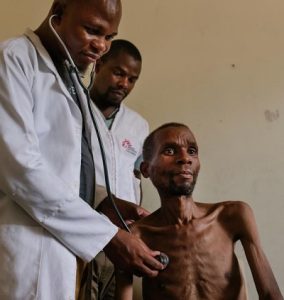
Rapid and unexplained weight loss
Persistent fever or recurring fever
Chronic diarrhea lasting more than a week
Severe fatigue and weakness
Night sweats
Swollen lymph nodes for a long period
Persistent dry cough
Mouth, genital, or anal sores
These symptoms indicate significant immune system damage.
Opportunistic Infections Associated with AIDS
Opportunistic infections are diseases that take advantage of a weakened immune system.
Common examples include:
Tuberculosis (TB)
One of the most common and serious infections in people with HIV, especially in regions where TB is widespread.
Pneumocystis Pneumonia (PCP)
A severe lung infection that can be life-threatening if not treated.
Candidiasis (Thrush)
A fungal infection that can affect the mouth, throat, or esophagus.
Toxoplasmosis
A parasitic infection that can affect the brain and cause neurological symptoms.
Cryptococcal Meningitis
A serious fungal infection affecting the brain and spinal cord.
Certain Cancers
People with AIDS are at higher risk of:
Kaposi’s sarcoma
Lymphoma
Cervical cancer (in women)
Why Early Detection Matters
The progression from HIV to AIDS is not inevitable.
With early diagnosis and consistent treatment:
HIV can be controlled effectively
The immune system can remain strong
Progression to AIDS can be prevented entirely
Life expectancy can remain near normal
Delays in testing and treatment are the primary reasons HIV becomes life-threatening.
Key Takeaway
HIV infection does not become AIDS overnight. It progresses through stages over time, often silently.
Recognizing early symptoms is helpful, but relying on symptoms alone is not enough. Regular testing and early treatment are the most effective ways to prevent complications and maintain long-term health.
Understanding these stages helps reduce fear and encourages timely medical care, which is the most powerful tool in managing HIV today.
How HIV Is Diagnosed
Early and accurate diagnosis is one of the most important steps in controlling HIV infection and preventing its spread. Modern testing methods are highly reliable and can detect HIV at different stages of infection.
HIV Testing Methods
Several types of HIV tests are used depending on how long ago exposure may have occurred and what stage of infection is suspected.
Antibody Tests
These tests detect antibodies produced by the immune system in response to HIV infection.
Usually detectable 3–12 weeks after exposure
Commonly used in rapid tests and self-test kits
Widely available and affordable
Antigen/Antibody Tests (Combination Tests)
These tests detect both HIV antibodies and the p24 antigen (a protein produced by the virus).
Can detect HIV earlier than antibody-only tests
Typically accurate within 2–6 weeks after exposure
Often used in hospitals and laboratories
Nucleic Acid Tests (NAT)
NAT detects the actual virus (HIV RNA) in the blood.
Most accurate and earliest detection method
Can detect HIV within 10–33 days after exposure
More expensive and usually used in high-risk or emergency cases
When to Get Tested
HIV testing is recommended in several situations:
After unprotected sexual contact with a new or unknown partner
If a condom breaks during intercourse
After sharing needles or exposure to blood
During routine health checkups (especially for sexually active individuals)
During pregnancy (to prevent mother-to-child transmission)
Regular testing is essential for early detection, even in the absence of symptoms.
Understanding HIV Test Results
Positive Result
A positive result means HIV has been detected. However, confirmatory testing is always required before diagnosis is finalized.
A positive diagnosis does not mean immediate illness. With treatment, individuals can live long and healthy lives.
Negative Result
A negative result means no HIV was detected at the time of testing.
However, it is important to consider the window period—the time between infection and when the test can accurately detect HIV.
During this period, a person may still have HIV even if the test result is negative.
Window Period Explained
The window period varies depending on the type of test:
Antibody tests: up to 12 weeks
Antigen/antibody tests: up to 6 weeks
NAT: as early as 10 days
If recent exposure is suspected, repeat testing may be required.
HIV Prevention Strategies
Preventing HIV infection is far more effective and easier than treating it. Modern prevention methods significantly reduce the risk of transmission.
Safe Sexual Practices
Condom Use
Consistent and correct condom use is one of the most effective ways to prevent HIV transmission during sexual intercourse.
Reduces exposure to infected bodily fluids
Also protects against other sexually transmitted infections (STIs)
Limiting Sexual Partners
Reducing the number of sexual partners lowers exposure risk, especially when combined with regular HIV testing.
STI Screening
Sexually transmitted infections can increase the risk of HIV transmission. Regular screening and treatment help reduce vulnerability.
Medical Prevention Options
Pre-Exposure Prophylaxis (PrEP)
PrEP is a daily medication taken by HIV-negative individuals to reduce the risk of infection.
Highly effective when taken consistently
Recommended for people at higher risk of exposure
Does not replace condom use but adds extra protection
Post-Exposure Prophylaxis (PEP)
PEP is an emergency treatment taken after possible exposure to HIV.
Must be started within 72 hours
Taken for 28 days
Significantly reduces the chance of infection if used correctly and quickly
Preventing Mother-to-Child Transmission
HIV-positive mothers can greatly reduce the risk of passing the virus to their babies through proper medical care.
Effective strategies include:
Antiretroviral therapy (ART) during pregnancy
Safe delivery practices
Medical guidance on breastfeeding options
With proper treatment, transmission rates can be reduced to very low levels.
Preventing Blood-Borne Transmission
HIV can spread through infected blood, so safety practices are essential.
Avoid Sharing Needles
Never share needles, syringes, or other injection equipment.
Safe Medical Practices
Hospitals and clinics must ensure the following:
Sterile equipment
Proper infection control procedures
Safe blood transfusion screening
HIV Treatment Options
Although there is no complete cure for HIV yet, treatment has advanced significantly and is highly effective.
Antiretroviral Therapy (ART)
ART is the standard treatment for HIV infection.
How ART Works
Antiretroviral drugs:
Block HIV from multiplying in the body
Reduce viral load (amount of virus in the blood)
Protect and strengthen the immune system
Importance of Adherence
For ART to work effectively:
It must be taken daily as prescribed
Missing doses can allow the virus to multiply again
Consistency helps prevent drug resistance
Benefits of Early Treatment
Starting treatment early provides major health benefits:
Maintains strong immune system
Reduces risk of complications
Improves life expectancy
Lowers risk of transmitting HIV to others
U=U (Undetectable = Untransmittable)
One of the most important breakthroughs in HIV science is the concept of U=U.
This means:
When HIV is undetectable in the blood due to treatment,
It cannot be sexually transmitted to another person.
This scientific finding has transformed HIV prevention and reduced stigma worldwide.
Key Takeaway
HIV is a preventable and manageable condition when properly addressed. Testing, prevention strategies, and early treatment are the most powerful tools available.
With modern medicine, individuals living with HIV can lead long, healthy lives and significantly reduce the risk of transmission to others.
Living a Healthy Life with HIV
A diagnosis of HIV is not the end of a healthy and fulfilling life. With modern treatment and proper self-care, many people living with HIV lead long, productive lives similar to those without the virus.
Healthy Lifestyle Habits
Balanced Nutrition
Good nutrition supports the immune system and helps the body respond effectively to treatment.
Antiretroviral therapy (ART) must be taken consistently to:
Keep viral load suppressed
Prevent drug resistance
Maintain immune system strength
Skipping medication can lead to viral rebound and health complications.
Mental and Emotional Well-Being
Living with HIV can bring emotional challenges, especially at the time of diagnosis. However, support and coping strategies can greatly improve mental health.
Coping with Diagnosis
Common emotional responses include:
Shock
Fear
Anxiety
Depression
These feelings are normal and can improve with time and support.
Support Groups
Joining support groups can help individuals:
Share experiences
Learn coping strategies
Reduce feelings of isolation
Counseling and Therapy
Professional mental health support can assist with:
Stress management
Depression or anxiety
Building coping resilience
Complications of Untreated HIV
Without treatment, HIV can lead to serious health complications due to progressive immune system damage.
Health Risks
Opportunistic Infections
These infections take advantage of a weakened immune system, including:
Tuberculosis (TB)
Pneumonia
Severe fungal infections
Certain Cancers
People with untreated HIV are at higher risk of:
Kaposi’s sarcoma
Lymphoma
Cervical cancer
Neurological Disorders
HIV can affect the brain and nervous system, leading to:
Memory problems
Difficulty concentrating
Cognitive decline
Organ Damage
Long-term untreated HIV can also damage organs such as:
Liver
Kidneys
Lungs
Why Early Diagnosis Matters
Early detection and treatment prevent most HIV-related complications.
Key benefits include:
Preventing progression to AIDS
Maintaining a strong immune system
Reducing risk of serious infections
Improving life expectancy and quality of life
Frequently Asked Questions (FAQs)
Can HIV Be Cured?
Currently, there is no complete cure for HIV. However, antiretroviral therapy can control the virus effectively, allowing individuals to live long and healthy lives.
How Long Can Someone Live with HIV?
With early diagnosis and consistent treatment, many people with HIV can live nearly as long as those without the virus.
Can HIV Be Prevented Completely?
HIV risk can be greatly reduced through safe sex practices, PrEP, avoiding needle sharing, and regular testing. While no method is 100% absolute except complete avoidance of exposure, prevention strategies are highly effective.
Can You Get HIV from Kissing?
No. HIV is not transmitted through saliva, kissing, hugging, or casual contact.
Is HIV the Same as AIDS?
No. HIV is the virus, while AIDS is the most advanced stage of untreated HIV infection.
Can People with HIV Have Children?
Yes. With proper medical care and treatment, people living with HIV can have children with a very low risk of transmission to the baby.
When to See a Healthcare Professional
You should seek medical attention if:
You think you may have been exposed to HIV
You experience symptoms after potential exposure
You need advice on prevention options like PrEP or PEP
You test positive for HIV
You are planning pregnancy and have concerns about HIV
Early medical intervention is key to effective management.
facts about HIV
Conclusion
HIV/AIDS is a serious medical condition, but it is no longer the life sentence it once was. Advances in medicine have made it possible for people living with HIV to lead long, healthy, and productive lives.
The most important steps in controlling HIV include:
Knowing your status through regular testing
Practicing prevention methods consistently
Starting treatment early if diagnosed
Staying committed to antiretroviral therapy
Reducing stigma through education and awareness
With the right knowledge and medical support, HIV can be effectively managed, and transmission can be prevented. Awareness remains the strongest tool in the fight against HIV/AIDS.
15 Important Facts About HIV/AIDS: Your Complete Guide to Prevention and Treatment