The Ultimate Yeast Infection Guide: Causes, Symptoms, Treatment, and Prevention
Introduction
Yeast infections are among the most common fungal infections affecting millions of people worldwide each year. While they are usually not serious, they can cause significant discomfort and interfere with daily life if left untreated. Many people experience itching, irritation, burning, and unusual discharge without realising that a yeast infection may be the cause.
The good news is that yeast infections are typically treatable and, in many cases, preventable. Understanding the causes, symptoms, treatment options, and prevention strategies can help you take control of your health and reduce the risk of recurring infections.
This comprehensive guide covers everything you need to know about yeast infections, including how they develop, who is at risk, available treatments, and practical prevention tips.
What Is a Yeast Infection?
A yeast infection, also known as candidiasis, is a fungal infection caused by an overgrowth of yeast, most commonly Candida albicans. Candida naturally lives on the skin and inside the body, including the mouth, throat, digestive tract, and vagina.
Under normal circumstances, beneficial bacteria help keep Candida under control. However, when this balance is disrupted, yeast can multiply rapidly and cause an infection.
Yeast infections can affect different parts of the body, including the following:
- The vagina (vaginal yeast infection)
- The mouth (oral thrush)
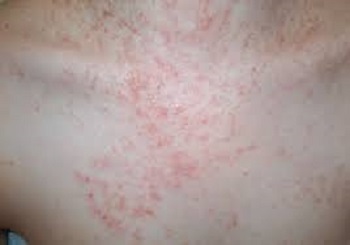
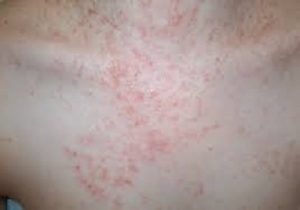
- The skin
- The digestive tract
- The genital area in men
Although vaginal yeast infections are the most common type, both men and women can develop candidiasis.
What Causes a Yeast Infection?
A yeast infection occurs when the natural balance of microorganisms in the body is disrupted. Several factors can contribute to this imbalance.
1. Antibiotic Use
Antibiotics kill harmful bacteria but may also destroy beneficial bacteria that help regulate yeast growth. This can allow Candida to multiply excessively.
2. Hormonal Changes
Hormonal fluctuations during pregnancy, menstruation, or hormone therapy can increase susceptibility to yeast infections.
3. Diabetes
People with poorly controlled diabetes often have elevated blood sugar levels, creating an environment where yeast can thrive.
4. Weakened Immune System
Conditions that weaken the immune system can increase the risk of fungal infections.
5. Tight Clothing
Tight underwear, leggings, and non-breathable fabrics can trap moisture and heat, encouraging yeast growth.
6. High Sugar Diet
Excessive sugar consumption may contribute to yeast overgrowth in some individuals.
7. Stress
Chronic stress can affect immune function and make the body more vulnerable to infections.
Risk Factors for Yeast Infections
Certain individuals are more likely to develop yeast infections than others.
Common risk factors include:
- Pregnancy
- Diabetes
- Obesity
- Recent antibiotic use
- Hormonal contraceptives
- Weakened immunity
- Frequent douching
- Wearing damp clothing for long periods
Understanding your risk factors can help you take preventive measures.
Common Symptoms of a Vaginal Yeast Infection
Symptoms can vary from mild to severe.
The most common symptoms include:
- Intense vaginal itching
- Burning sensation
- Redness and swelling around the vulva
- Pain during urination
- Pain during sexual intercourse
- Thick, white discharge resembling cottage cheese
- Vaginal soreness
Symptoms often worsen before menstruation in some women.
Symptoms of Yeast Infections in Men
Although yeast infections are more commonly associated with women, men can also develop yeast infections, particularly in the genital area. Male yeast infections are usually caused by an overgrowth of the fungus Candida albicans. Men who have diabetes, weakened immune systems, or poor hygiene,, or who have recently taken antibiotics,, may be at a higher risk.
Recognising the symptoms early can help prevent complications and speed up recovery.
1. Itching and Irritation
One of the earliest and most common signs of a yeast infection in men is persistent itching around the head of the penis and under the foreskin. The itching may range from mild discomfort to intense irritation that interferes with daily activities.
2. Redness and Inflammation
A yeast infection can cause redness, swelling, and inflammation of the penis, particularly around the glans (head of the penis). The affected skin may appear shiny or irritated.
3. Burning Sensation
Many men experience a burning feeling in the penis, especially during urination or after sexual activity. This discomfort can become more noticeable as the infection progresses.
4. White Patches or Rash
Small white patches or a red rash may develop on the penis. In some cases, the rash can spread to nearby skin folds and become increasingly uncomfortable.
5. Thick White Discharge
Some men may notice a thick, white discharge under the foreskin. This discharge can resemble cottage cheese and may be accompanied by an unpleasant odour.
6. Pain During Urination
Inflammation caused by the infection can make urination uncomfortable or painful. A burning sensation while passing urine is a common complaint.
7. Pain During Sexual Intercourse
Men with a yeast infection may experience discomfort or pain during sexual activity due to irritation and inflammation of the affected tissues.
8. Cracked or Dry Skin
The skin on the penis may become dry, flaky, or cracked. These cracks can be painful and increase the risk of secondary infections.
9. Difficulty Retracting the Foreskin
In uncircumcised men, swelling and irritation may make it difficult or painful to pull back the foreskin.

10. Unpleasant Odor
An overgrowth of Candida can sometimes cause a noticeable odour, especially when combined with moisture and discharge under the foreskin.
When to See a Doctor
Seek medical attention if:
- Symptoms persist despite treatment.
- The infection keeps returning.
- You have diabetes or a weakened immune system.
- You experience severe pain, swelling, or difficulty urinating.
- You are unsure whether your symptoms are caused by a yeast infection or another condition.
Key Takeaway
Male yeast infections are common and usually respond well to treatment when diagnosed early. Symptoms such as itching, redness, burning, rash, discharge, and pain during urination should not be ignored. If symptoms persist or worsen, consult a healthcare professional for proper diagnosis and treatment.
Oral Thrush: Another Form of Yeast Infection
Oral thrush occurs when Candida overgrows in the mouth.
Symptoms include:
- White patches on the tongue
- Redness inside the mouth
- Difficulty swallowing
- Loss of taste
- Cracking at the corners of the mouth
Oral thrush is common among infants, older adults, and individuals with weakened immunity.
How Are Yeast Infections Diagnosed?
Healthcare providers diagnose yeast infections through the following:
Medical History
Your doctor may ask about symptoms, medications, and previous infections.
Physical Examination
A visual examination may reveal signs of infection.
Laboratory Testing
In some cases, a sample of discharge may be examined under a microscope to confirm the presence of Candida.
Accurate diagnosis is important because several other conditions can mimic yeast infection symptoms.
Conditions Often Mistaken for Yeast Infections
Not every vaginal irritation is caused by Candida.
Conditions that may resemble yeast infections include:
- Bacterial vaginosis
- Urinary tract infections
- Sexually transmitted infections
- Allergic reactions
- Skin conditions
If symptoms persist despite treatment, consult a healthcare professional for evaluation.
Effective Treatment Options for Yeast Infections
Most yeast infections respond well to treatment.
Over-the-Counter Antifungal Medications
Common antifungal creams and suppositories include:
- Miconazole
- Clotrimazole
- Tioconazole
These medications typically provide relief within a few days.
Prescription Medications
Healthcare providers may prescribe oral antifungal medications for more severe infections.

Treatment for Recurrent Yeast Infections
Individuals experiencing four or more infections per year may require extended treatment plans and further medical evaluation.
Natural Remedies: Do They Work?
Many people seek natural approaches to managing yeast infections.
Some commonly discussed remedies include:
- Probiotic-rich foods
- Unsweetened yogurt
- Reduced sugar intake
- Good hygiene practices
While some individuals report benefits, natural remedies should not replace medical treatment when symptoms are severe or persistent.
How Long Does a Yeast Infection Last?
Treatment duration depends on the severity of the infection.
Generally:
- Mild infections may improve within a few days.
- Moderate infections often resolve within one week.
- Severe or recurrent infections may require several weeks of treatment.
Prompt treatment usually leads to faster recovery.
How to Prevent Yeast Infections
Prevention is often easier than treatment.
Consider the following strategies:
Wear Breathable Clothing
Choose cotton underwear and avoid tight-fitting garments.
Maintain Good Hygiene
Keep the genital area clean and dry.
Avoid Doucheing
Douching can disrupt the natural balance of bacteria and yeast.
Control Blood Sugar Levels
Proper diabetes management can reduce infection risk.
Change Out of Wet Clothing Promptly
Remove sweaty workout clothes and wet swimsuits as soon as possible.
Limit Excess Sugar Intake
A balanced diet may help support overall health.
Use Antibiotics Only When Necessary
Follow your healthcare provider’s recommendations carefully.
When Should You See a Doctor?
While many yeast infections are mild and can be treated with over-the-counter antifungal medications, some situations require professional medical attention. Seeking timely care can help prevent complications, ensure an accurate diagnosis, and provide effective treatment.
1. It’s Your First Yeast Infection
If you have never had a yeast infection before, it is important to see a healthcare provider. Several conditions, including bacterial vaginosis, urinary tract infections, and sexually transmitted infections (STIs), can cause symptoms similar to a yeast infection.
2. Symptoms Are Severe
Consult a doctor if you experience:
- Intense itching or burning
- Significant redness or swelling
- Painful cracks or sores in the affected area
- Severe discomfort that interferes with daily activities
These symptoms may indicate a more serious infection or another underlying condition.
3. Over-the-Counter Treatments Don’t Work
If your symptoms do not improve after using antifungal medications as directed, you should seek medical advice. Persistent symptoms may indicate a resistant strain of yeast or a condition that has been misdiagnosed.

4. You Have Frequent Yeast Infections
Experiencing four or more yeast infections within a year is considered recurrent candidiasis. Frequent infections may be linked to underlying health issues such as diabetes, hormonal imbalances, or immune system disorders.
5. You Are Pregnant
Pregnant women should consult their healthcare provider before using any medication for a yeast infection. Proper diagnosis and treatment are important for both maternal and fetal health.
6. You Have Diabetes
People with diabetes are more prone to yeast infections, especially when blood sugar levels are not well controlled. Medical evaluation can help ensure the infection is treated effectively and identify any contributing factors.
7. You Have a Weakened Immune System
Individuals with weakened immune systems may be at a higher risk of developing severe or recurrent yeast infections. Professional medical care is essential to prevent complications.
8. You Experience Unusual Symptoms
Seek medical attention if you notice:
- Fever
- Chills
- Pelvic or abdominal pain
- Foul-smelling discharge
- Unusual bleeding
- Painful urination that persists
These symptoms may indicate a condition other than a yeast infection and require prompt evaluation.
9. Symptoms Keep Returning After Treatment
If symptoms disappear but quickly return, your doctor may recommend additional testing to determine the underlying cause and develop a long-term treatment plan.
Key Takeaway
Most yeast infections can be treated successfully, but certain situations require medical attention. If your symptoms are severe, recurrent, persistent, or accompanied by unusual signs such as fever or pelvic pain, consult a healthcare professional. Early diagnosis and appropriate treatment can help you recover faster and reduce the risk of future infections.
Frequently Asked Questions About Yeast Infections
1. What is a yeast infection?
A yeast infection is a fungal infection caused by an overgrowth of Candida, a type of yeast that naturally lives in the body. It commonly affects the vagina, mouth, skin folds, and genital area.
2. What causes a yeast infection?
Yeast infections can be caused by several factors, including antibiotic use, hormonal changes, pregnancy, diabetes, a weakened immune system, excessive moisture, and wearing tight clothing.
3. What are the most common symptoms of a yeast infection?
Common symptoms include itching, burning, redness, swelling, irritation, pain during urination, pain during sexual intercourse, and thick white discharge.
4. Can men get yeast infections?
Yes. Men can develop yeast infections, particularly on the penis. Symptoms may include itching, redness, rash, burning, and white discharge under the foreskin.
5. Are yeast infections sexually transmitted?
Yeast infections are not generally classified as sexually transmitted infections (STIs). However, sexual activity can sometimes contribute to the spread of Candida between partners.
6. How are yeast infections diagnosed?
Doctors typically diagnose yeast infections through a review of symptoms, a physical examination, and sometimes laboratory testing of a sample from the affected area.
7. Can a yeast infection go away on its own?
Some mild yeast infections may resolve without treatment. However, treatment is usually recommended to relieve symptoms quickly and prevent the infection from worsening.
8. What is the best treatment for a yeast infection?
Treatment often includes antifungal creams, suppositories, or oral antifungal medications. The best treatment depends on the severity and location of the infection.
9. How long does it take for a yeast infection to clear up?
Most mild yeast infections improve within a few days of treatment and resolve completely within one to two weeks. More severe infections may take longer.
10. Can yeast infections come back?
Yes. Some people experience recurrent yeast infections. Risk factors include diabetes, frequent antibiotic use, hormonal changes, and weakened immunity.
11. Do probiotics help prevent yeast infections?
Probiotics may help maintain a healthy balance of bacteria and yeast in the body. While research is ongoing, some studies suggest they may reduce the risk of recurrent infections.
12. Can pregnancy increase the risk of yeast infections?
Yes. Hormonal changes during pregnancy can make yeast infections more common, especially during the second and third trimesters.
13. What foods should I avoid if I have a yeast infection?
Some healthcare professionals recommend limiting excessive sugar and highly processed foods, as high sugar levels may encourage yeast growth in some individuals.
14. Is it safe to have sex while treating a yeast infection?
It is generally advisable to avoid sexual activity until symptoms have resolved, as intercourse may worsen irritation and delay healing.
15. When should I see a doctor for a yeast infection?
You should consult a healthcare professional if:
- It is your first suspected yeast infection.
- Symptoms are severe.
- Symptoms return frequently.
- You are pregnant.
- Over-the-counter treatments do not work.
- You develop fever, pelvic pain, or unusual symptoms.
16. Can poor hygiene cause a yeast infection?
Poor hygiene can contribute to yeast growth, but excessive washing or using harsh soaps can also disrupt the natural balance of microorganisms and increase the risk of infection.
17. Are yeast infections dangerous?
Most yeast infections are not serious and can be treated effectively. However, untreated infections may cause prolonged discomfort, and severe infections can occur in people with weakened immune systems.
18. Can stress lead to a yeast infection?
Chronic stress may weaken the immune system, making the body more vulnerable to infections, including yeast infections.
READ ALSO: Polio Definition: 4 Types, Key Symptoms, and Why It Remains a Serious Global Threat
19. How can I prevent future yeast infections?
Preventive measures include:
- Wearing breathable cotton underwear.
- Avoid tight clothing.
- Keeping the genital area dry.
- Avoiding unnecessary antibiotic use.
- Managing blood sugar levels.
- Practising good hygiene.
20. Can children get yeast infections?
Yes. Infants commonly develop oral thrush and diaper rash caused by Candida. Older children can also develop yeast infections under certain circumstances.
READ ALSO: 15 Important Facts About HIV/AIDS: Your Complete Guide to Prevention And Treatment.
Conclusion
Yeast infections are common, treatable fungal infections that affect both women and men. While symptoms such as itching, burning, and discharge can be uncomfortable, understanding the causes and treatment options can help you recover quickly and reduce future risk.
By practicing good hygiene, maintaining a healthy lifestyle, and seeking timely medical care when necessary, you can effectively manage and prevent yeast infections. If symptoms persist or recur frequently, consult a healthcare professional for a thorough evaluation and personalized treatment plan.